





Low Back Pain: Symptoms, Causes, Assessment and Treatment
Low back pain is common and often nonspecific, but some patterns require faster assessment. Location alone cannot separate disc, facet, muscle or nerve-root causes.
This pillar page connects guides on acute and chronic pain, sciatica, disc disease, stenosis, facet syndrome, emergencies, imaging and non-surgical treatment.

Triage, examination and the role of imaging
History reviews onset, duration, activity, sleep, leg pain, previous conditions and systemic signs. Examination assesses motion, function, strength, sensation, reflexes and gait when indicated.
Imaging is generally not needed early without warning signs. It is considered when results may change management, when neurological deficit is present or when a specialist procedure is being discussed.
| Category | Common pattern | Action |
|---|---|---|
| Local pain | Varies with movement or load | Graded activity |
| Radicular pain | Leg pain, numbness or weakness | Neurological exam |
| Claudication | Symptoms with walking | Assess for stenosis |
| Warning sign | Fever, cancer, fracture, sphincters | Prompt assessment |

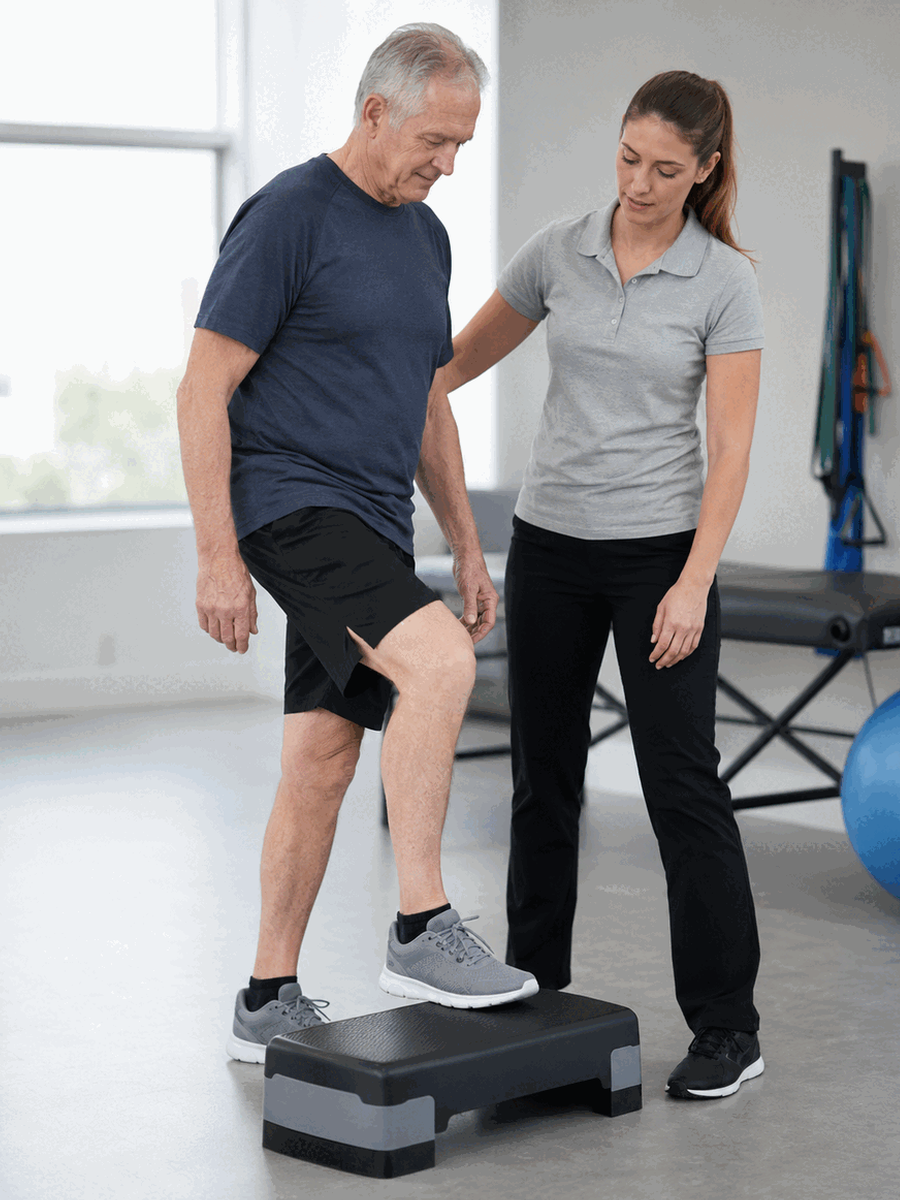
What generally helps and what depends on the case
Guidelines emphasize information, self-management and continuation of normal activity as tolerated. Exercise can be adapted to needs, abilities and preferences. Prolonged bed rest is not a recovery strategy.
Manual care, medication, psychological approaches, decompression for selected candidates, injection or surgery may be discussed according to diagnosis and severity. No single treatment fits every pattern.
Measure recovery in a useful way
The goal is to regain important activities without overlooking neurological deterioration.
- Ability to walk, sit and change position.
- Sleep and return to work or household tasks.
- Leg pain, numbness or weakness.
- Tolerance for graded activity progression.
- Reduced fear and improved confidence.
- Findings requiring reassessment or referral.
Which pattern?
Local, radicular, stenotic or urgent.
What barrier?
Sleep, work, walking, fear or deficit.
What goal?
A measurable functional activity.
What progression?
Steps, timing and adjustment criteria.
Common mistakes to avoid
- Staying in bed for days without indication.
- Waiting for perfect imaging before resuming activity.
- Assuming severe pain always means severe damage.
- Ignoring weakness or bladder and bowel changes.
- Accumulating treatments without goals or reassessment.
Useful questions before making a decision
Ask which category your pain fits, what has been ruled out and how the plan matches your functional goals.
Clarify thresholds for imaging, medical referral and stopping a treatment that is not producing meaningful progress.
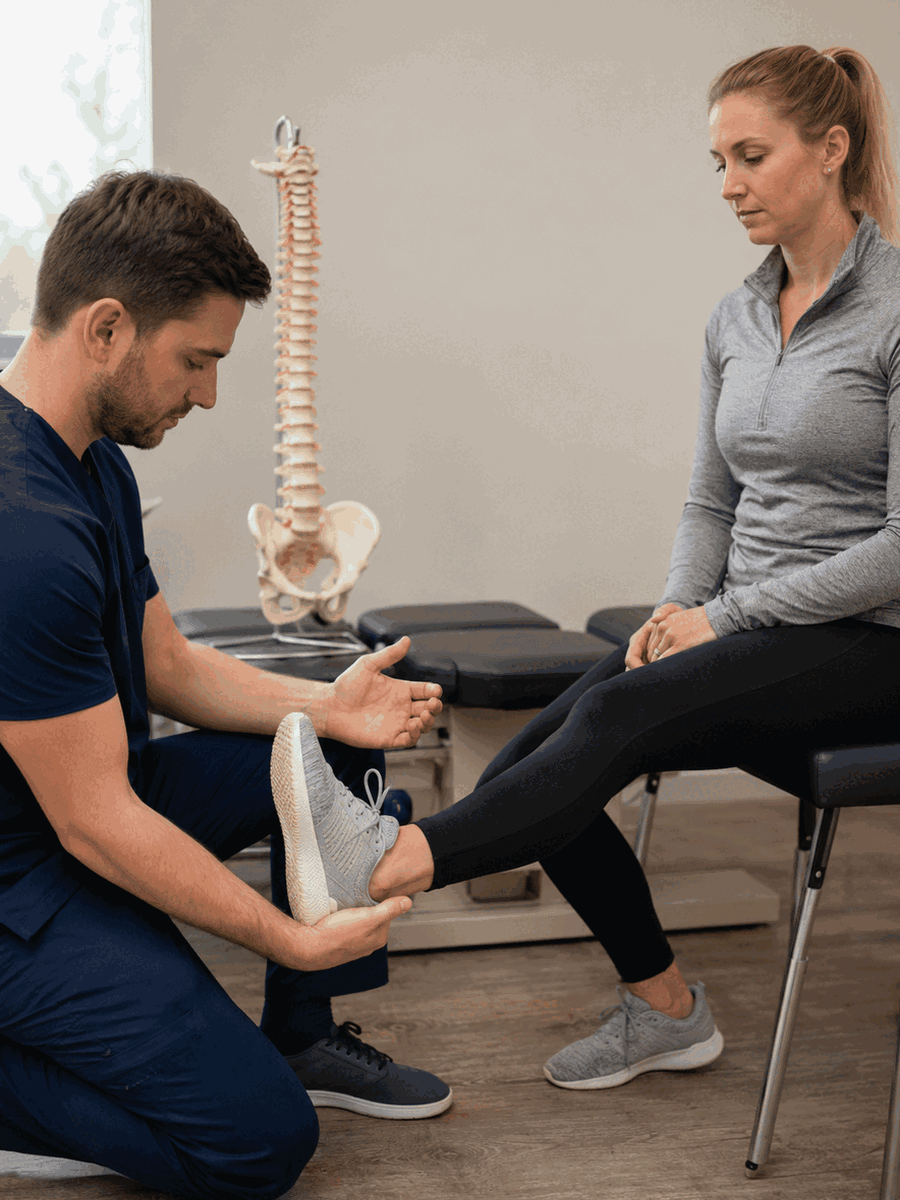
People often look for one movement, one mattress or one treatment that will permanently prevent pain. A more realistic approach is to build several protective habits: regular activity, adequate recovery, progressive exposure to lifting and early response to flare-ups. The plan should remain flexible because the same strategy may not fit an acute episode, radicular pain and stenosis. Shared decision-making also matters when medication, injection or surgery is discussed, because expected benefit, uncertainty and personal priorities differ. Shared decision-making should document the expected benefit and the point at which another option will be considered.
Related guides in this topic cluster
Frequently asked questions
Does low back pain always come from a disc?
No. It is often multifactorial and may involve several structures and contextual factors.
When is MRI needed?
When it may change management, with neurological deficit, warning signs or before selected procedures.
Is bed rest recommended?
Prolonged bed rest is generally discouraged. Tolerated, progressive activity is preferable.
Is walking helpful?
Often, but dosage should reflect symptoms, especially with sciatica or stenosis.
When is back pain urgent?
With bladder or bowel dysfunction, saddle numbness, progressive weakness, fever, possible fracture or known serious disease.
Can exercise worsen symptoms?
A poorly selected exercise can irritate symptoms. Progression should be adjusted to clinical response.
Is manual care enough?
They may be part of a plan, but durable recovery often also depends on activity and self-management.
Is spinal decompression appropriate?
It may be discussed for selected candidates with disc or radicular features, but not as a universal solution.
How long does recovery take?
Duration varies with the pattern, function, psychosocial factors and neurological findings.
How can recurrence be reduced?
Regular activity, progressive loading, position variation and early flare-up management may help.
Key clinical sources
- World Health Organization — guideline for non-surgical management of chronic primary low back pain
- NICE — Low back pain and sciatica in over 16s
- American College of Radiology — Low Back Pain
Last editorial review: August 2026. General educational information only.
Dr. Sylvain Desforges, B.Sc., D.O., N.D., osteopath – The Spine Page
Explore the Low Back Pain cluster
Access guides on sciatica, discs, stenosis, facet joints, imaging, emergencies and treatment.
Dr. Sylvain Desforges, B.Sc., D.O., N.D., osteopath
Topic index: Low back pain
Explore this topic cluster by search intent. Each link leads to a distinct guide directly related to the subject.