




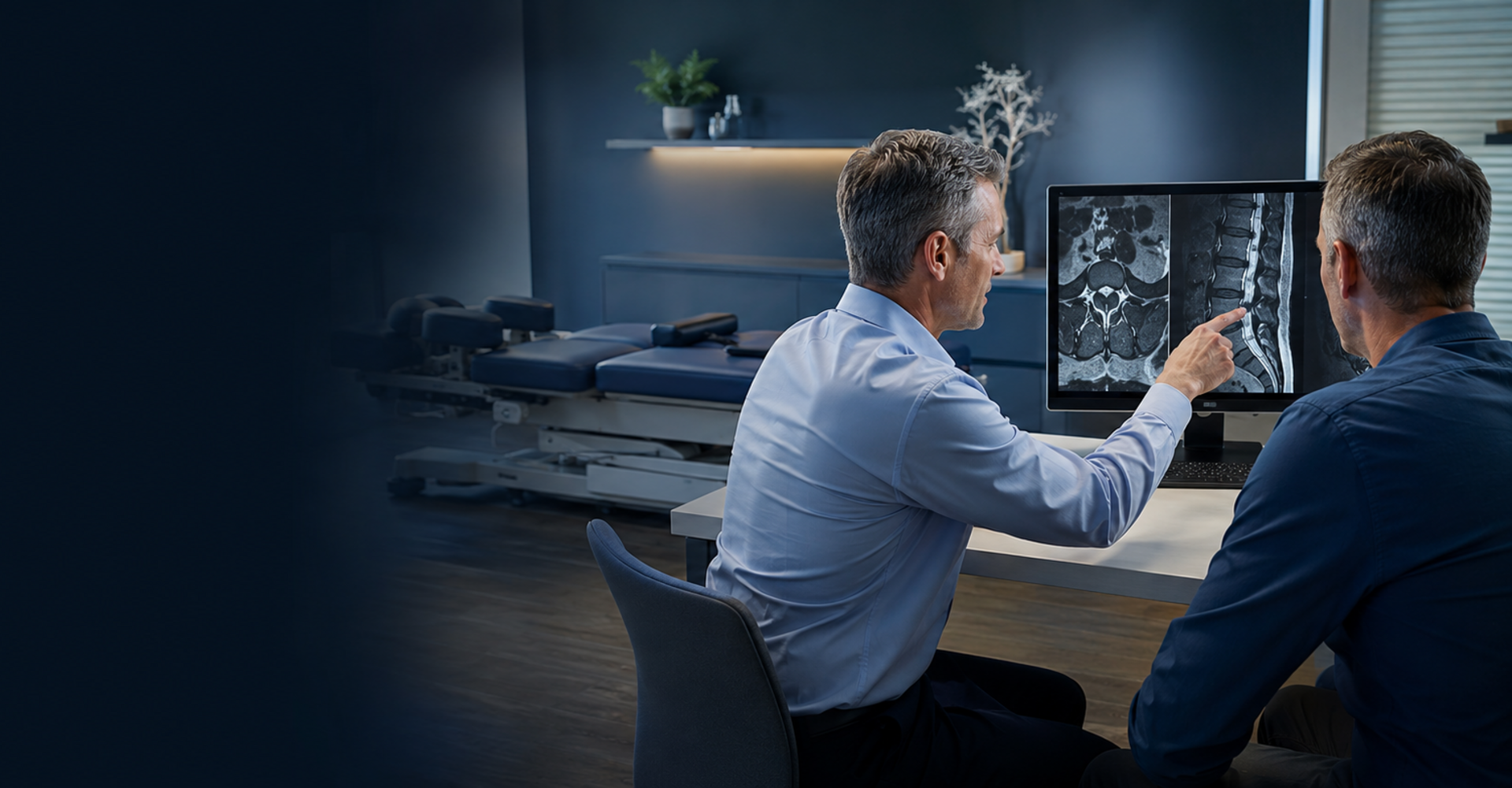
Acupuncture for low back pain: evidence, guideline differences and safety
Acupuncture is used for pain management, but guideline recommendations differ according to the condition, evidence review and healthcare context. It should be discussed as one option rather than a guaranteed cure.
Traditional acupuncture and Western medical acupuncture use needles with different explanatory frameworks. Research often faces challenges with blinding, sham comparisons, practitioner variability and the distinction between statistical and clinically meaningful benefit.
Assessment and differential diagnosis
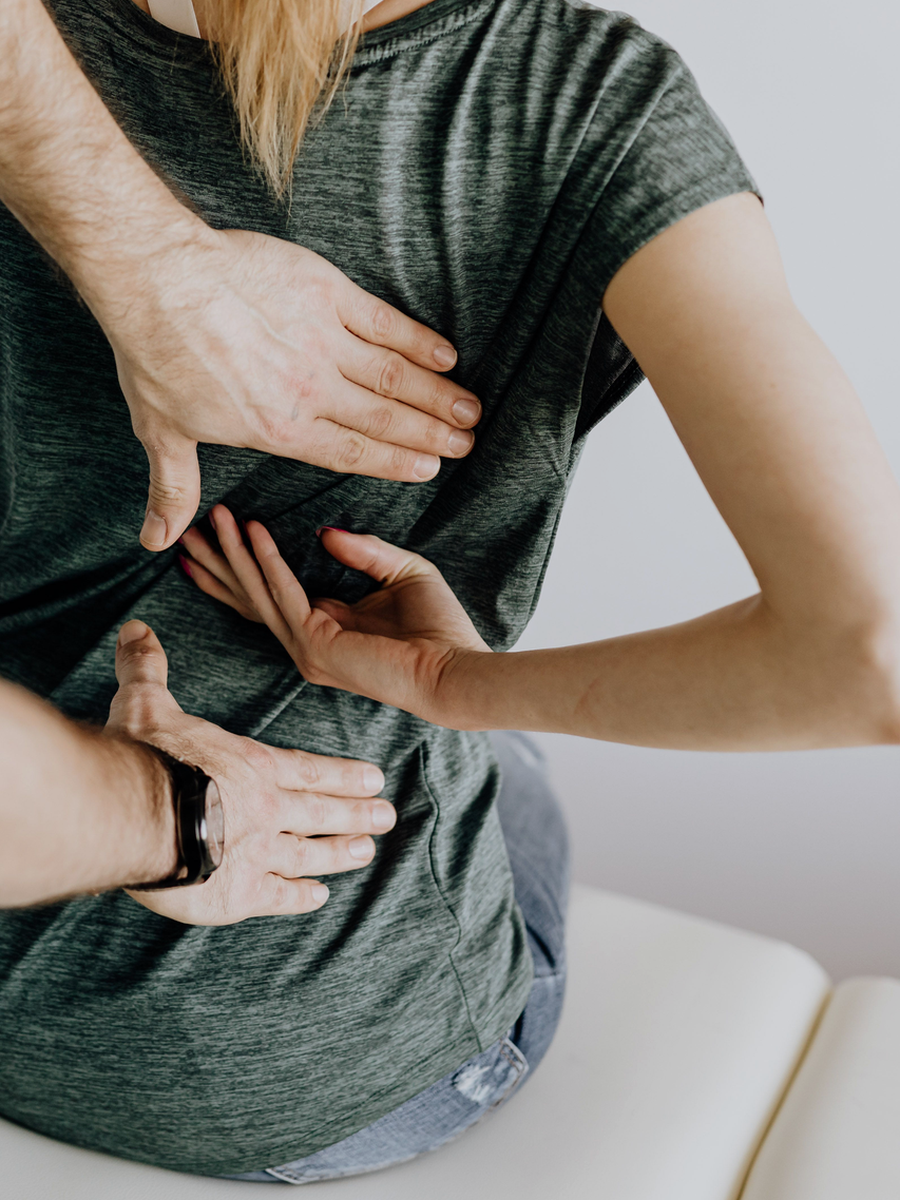
Before choosing acupuncture, clarify whether the problem is non-specific chronic primary pain, radiculopathy, fracture, infection or another specific disorder. Acupuncture should not delay diagnosis of neurological or systemic warning signs.
| Clinical situation | Possible next step | Why it matters |
|---|---|---|
| Chronic primary low back pain | WHO conditional option in a broader plan | Patient preference and local expertise matter. |
| Low back pain with or without sciatica | NICE recommends not offering acupuncture | Different guideline methods lead to different conclusions. |
| Progressive neurological or serious signs | Acupuncture not the priority | Medical assessment is required. |
Treatment and management
If acupuncture is chosen, define a limited trial, expected outcomes and review point. It should complement education, activity and rehabilitation rather than replace them. Lack of meaningful functional improvement should prompt reconsideration.
Questions for shared decision-making
Before choosing care, ask the provider to explain the working diagnosis, expected outcome, alternatives and review point.
What is the target?
Identify the structure, mechanism or functional problem being addressed.
What outcome matters?
Define measurable goals for pain, walking, sleep, work or daily activity.
What are the alternatives?
Compare active care, medication, procedures, technology and surgery when relevant.
When should the plan change?
Set criteria for stopping, modifying or escalating care.
Related guides
Exercise and rehabilitation
Manual therapy
Specialized external resources
These links lead to independent specialized websites and do not change the educational role of The Spine Page.
Clinique TAGMED
Clinical information about motorized spinal decompression and disc-related conditions.
SOS Sciatique
Focused guides about sciatica, nerve-root symptoms and warning signs.
Frequently asked questions
Does acupuncture cure back pain?
No guaranteed cure has been established.
Why do guidelines disagree?
They use different evidence methods, comparators and healthcare contexts.
What does NICE recommend?
NICE advises not offering acupuncture for low back pain with or without sciatica.
What does WHO recommend?
WHO includes needling therapies as a conditional option for chronic primary low back pain.
How many sessions are needed?
There is no universal number; use a limited monitored trial.
Is dry needling the same as acupuncture?
They overlap technically but may use different frameworks and targets.
Can acupuncture help sciatica?
Evidence is uncertain and neurological safety remains essential.
Is it risk-free?
No. Bleeding, infection and rare organ injury are possible.
Should exercise still be included?
Yes, when appropriate.
Does The Spine Page provide acupuncture?
No.
Sources consulted
- WHO — Chronic primary low back pain guideline
- NICE — Low back pain and sciatica recommendations
- NICE — Chronic primary pain recommendations
Last editorial review: July 2026. General educational information only.
Dr. Sylvain Desforges, B.Sc., D.O., N.D., osteopath — The Spine Page
Continue exploring spine health
Use the condition and treatment hubs to compare the next steps.
The Spine Page — The best treatments for your spinal problems — www.thespinepage.com