




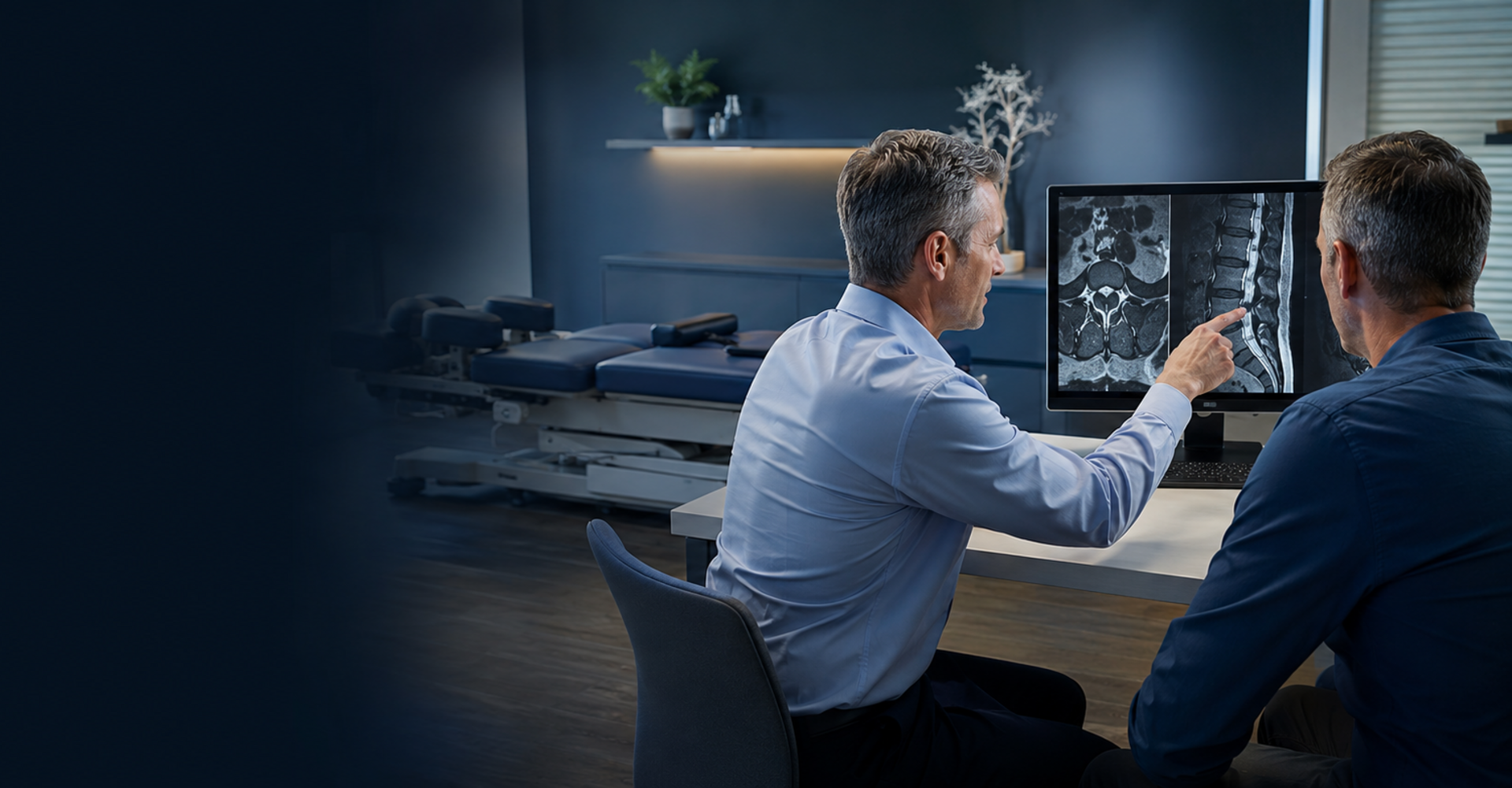
Shockwave for back pain: realistic indications, evidence and limitations
Shockwave therapy has established uses for selected peripheral musculoskeletal disorders, while its role in low back pain is emerging. It should not be presented as a direct treatment for a herniated disc or nerve compression.
Focused and radial devices differ. Low-back-pain studies often target muscles, fascia or non-specific chronic pain rather than the disc. Research uses different devices, doses and populations.
Assessment and decision points
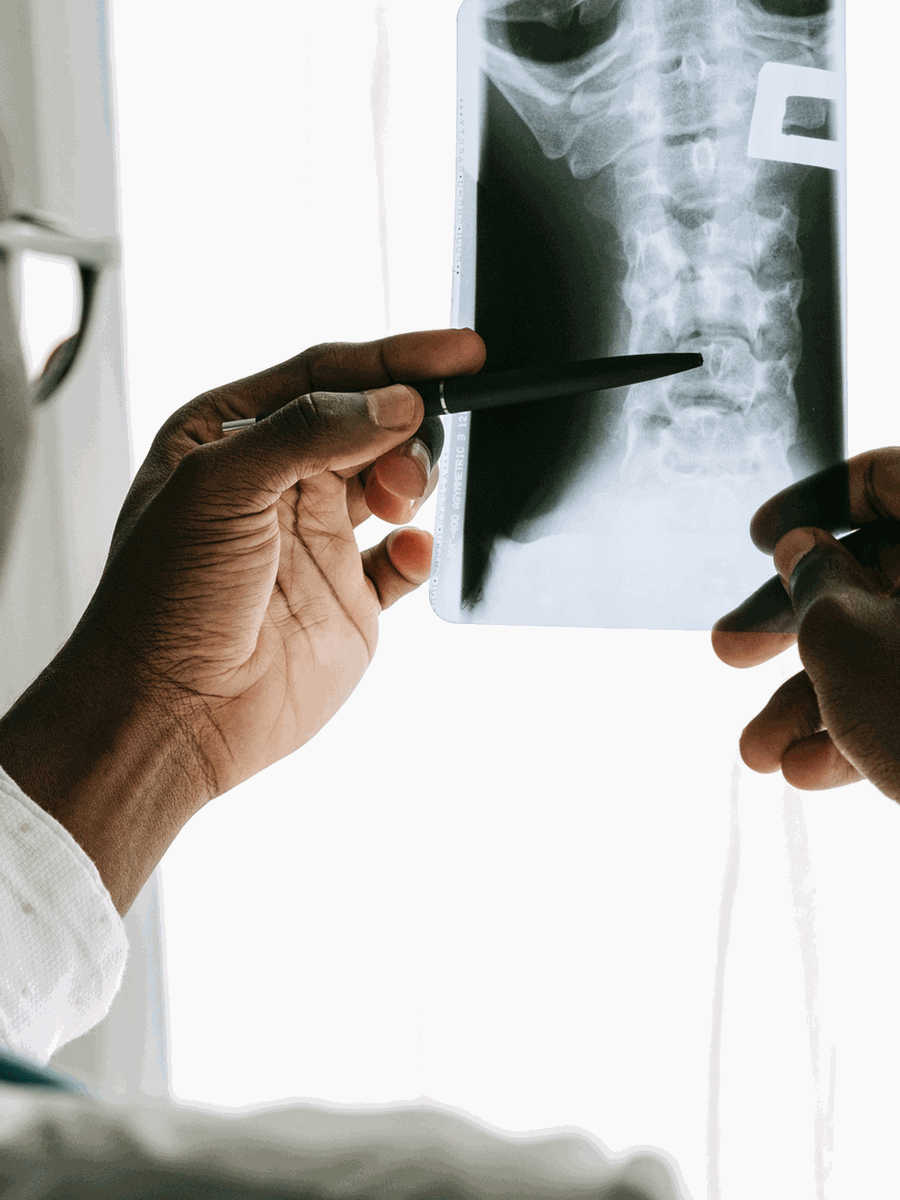
Before considering shockwave, clarify whether pain is muscular, fascial, tendinous, non-specific spinal pain, fracture, radiculopathy or another condition.
| Clinical situation | Possible next step | Why it matters |
|---|---|---|
| Chronic non-specific pain | Evidence remains preliminary | Use within rehabilitation. |
| Peripheral tendinopathy | More established indication | Follow diagnosis-specific protocols. |
| Radiculopathy from compression | Not a decompression treatment | Address the nerve-root problem. |
Management and treatment choices
If used for low back pain, shockwave should be a monitored adjunct with functional goals. It should not replace education, exercise, diagnosis or treatment of neurological compression.
Questions before choosing care
What is the working diagnosis?
Ask which findings support it.
What outcome is realistic?
Define measurable change.
What are the alternatives?
Compare active care, technology, procedures and surgery.
When will the plan be reviewed?
Set criteria for continuation or escalation.

Relevant external resources
Some resources may share ownership or editorial direction; this relationship is disclosed.
Frequently asked questions
Can shockwave treat a herniated disc?
It should not be presented as retracting a disc.
Can it help chronic low back pain?
Some studies are promising, but certainty is limited.
Are radial and focused devices identical?
No.
How many sessions?
No universal schedule exists.
Does it replace exercise?
No.
Can it treat sciatica?
It does not directly decompress a nerve root.
Is it painful?
It can be uncomfortable.
Who should avoid it?
Contraindications depend on device and health status.
What outcome should be tracked?
Function, pain and durability.
Does The Spine Page offer shockwave?
No.
Sources consulted
- Ferdinandov — Focused ESWT systematic review
- Qiao et al. — 2026 network meta-analysis
- Wu et al. — ESWT meta-analysis
Last editorial review: July 2026. General educational information only.
Dr. Sylvain Desforges, B.Sc., D.O., N.D., osteopath — The Spine Page
Continue exploring spinal health
Use the condition and treatment hubs to compare related guides.
The Spine Page — The best treatments for your spinal problems — www.thespinepage.com