




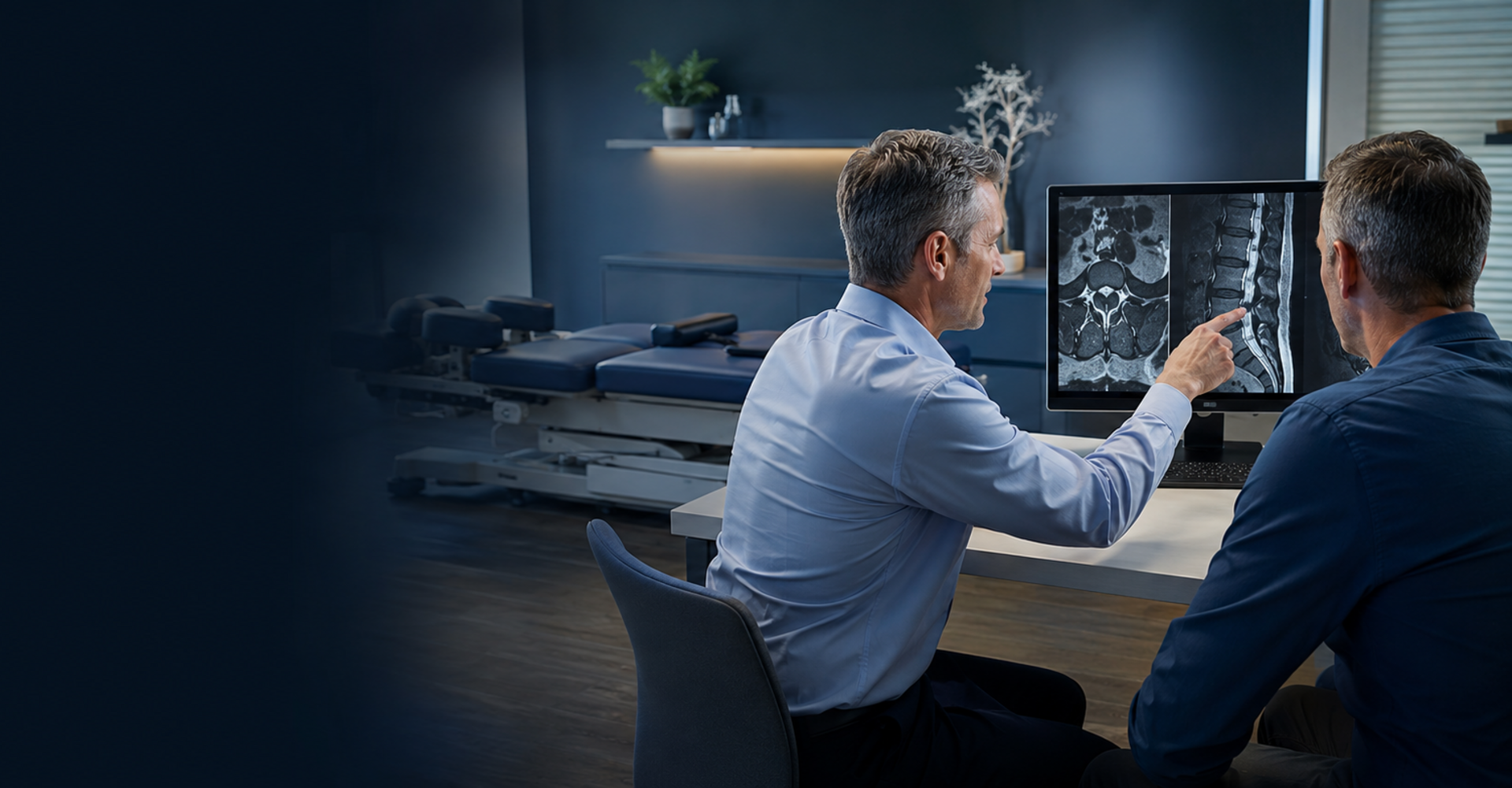
Persistent low back pain: why it continues and how a broader plan can assist
Persistent low back pain is rarely explained by one structure alone. Capacity, sleep, stress, work demands, previous episodes and nervous-system sensitivity may all influence the experience.
A biopsychosocial approach does not dismiss pain. It recognizes real symptoms while examining the multiple factors that can maintain disability.
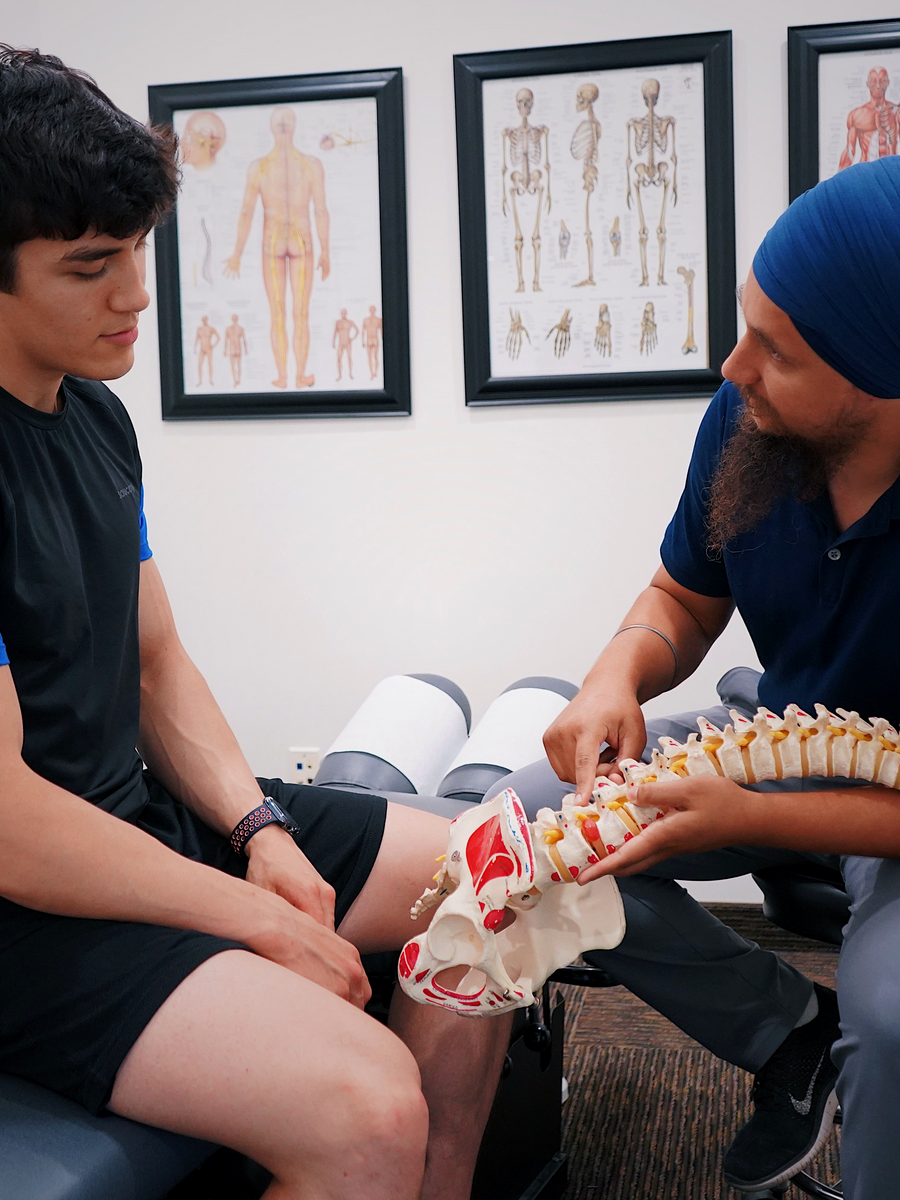
Different persistent-pain profiles
Some people have local mechanical pain; others have nerve-root symptoms or stenosis. Others have fluctuating pain with substantial sleep or social influences.
Important pathology must still be excluded before using a broader formulation.
| Profile | Typical features | Treatment emphasis |
|---|---|---|
| Mechanical | Pain linked to loading or prolonged positions. | Graded capacity and activity modification. |
| Neurological or stenotic | Leg symptoms, weakness or walking intolerance. | Neurological monitoring and targeted care. |
| Multifactorial persistent pain | Variable pain, sleep disturbance, fear or wider life impact. | Education, graded activity and coordinated strategies. |
A broader but precise evaluation
Assessment reviews pain pattern, function, neurological status, sleep, work, medication, activity, mood, goals and prior treatment response.
Routine imaging is often unhelpful without red flags or progressive deficits. It matters when it may change management.
Function first
Walking, sitting, lifting and participation show what matters.
Risk stratification
Higher-risk profiles may need coordinated care.
Meaningful outcomes
Progress includes function, confidence, sleep and participation.

A coordinated treatment plan
WHO guidance supports education, exercise, selected physical therapies, psychological strategies and multicomponent care.
Medication decisions require individual risk assessment. Invasive procedures are reserved for specific diagnoses.
- Use education that reduces threat without minimizing symptoms.
- Progress activity toward meaningful goals.
- Address sleep, stress and work barriers.
- Use passive care only with clear review points.
How to judge whether the plan is working
Short-term fluctuations are common. Review the overall trend in function, tolerance, confidence and neurological status.
If progress is absent, revisit diagnosis, barriers, adherence and level of care.
| Review question | Favourable sign | Reason to change course |
|---|---|---|
| Is function improving? | Longer walking, better sleep or more participation. | Function remains unchanged after an adequate trial. |
| Are symptoms safer? | Fewer flares and better confidence. | New weakness, spreading numbness or red flags. |
| Is care more self-directed? | Better flare-up management. | Growing dependence on passive treatment. |
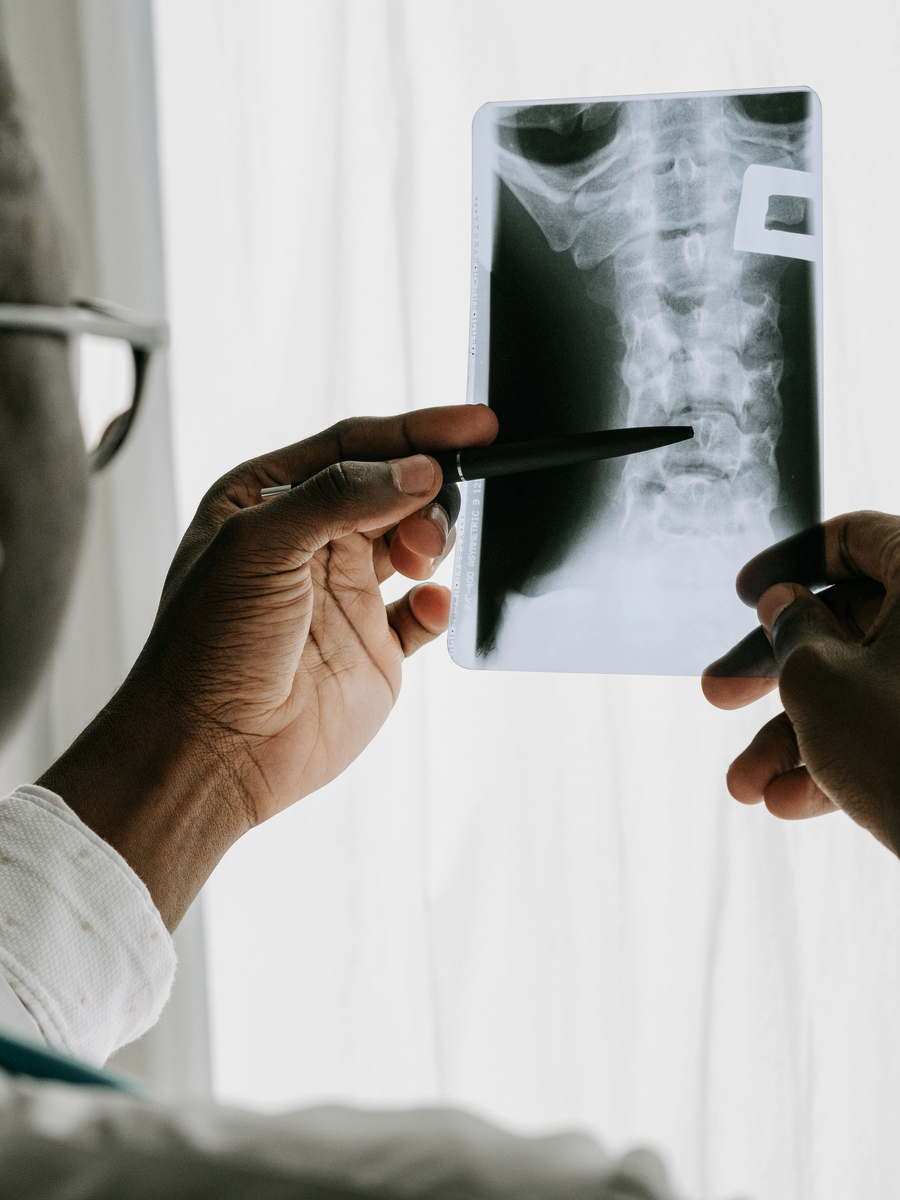
Questions to ask before choosing care
Before beginning care for persistent low back pain, ask the provider to explain the working diagnosis and the findings that support it. The discussion should distinguish a structural description from the clinical syndrome, clarify whether neurological function is stable and identify the specific outcome the treatment is intended to improve.
A high-quality plan also explains the expected timeline, reasonable alternatives, possible harms, cost and the criteria for changing course. No treatment should continue indefinitely because it produced a brief change in pain. The decision should be reviewed against measurable function and safety.
What is the target?
Ask which structure, mechanism or functional limitation the treatment is intended to address.
What result is realistic?
Clarify the expected change in pain distribution, walking, sleep, work or daily activity.
What are the alternatives?
Compare education, exercise, medication, procedures, technology-assisted care and surgery when relevant.
When will the plan be reviewed?
Set an early review point and define the findings that would stop, modify or escalate care.
How to monitor progress
Progress should be tracked with more than a pain score. Useful measures include how far symptoms travel, strength, sensation, walking tolerance, sleep, medication use and the ability to perform meaningful activities. Neurological change should always be documented separately from pain relief.
Temporary fluctuations are common. The important question is whether the overall trajectory is safer and more functional. New weakness, expanding numbness, altered bladder or bowel function or a substantial loss of walking ability should trigger reassessment rather than automatic continuation of the same treatment.
Continue with specialized resources
The Spine Page is an educational blog. The links below lead to independent specialized websites.
Clinique TAGMED — spinal decompression
Service-specific information about motorized spinal decompression and disc-related conditions.
SOS Sciatique — nerve-root symptoms
Focused guides about sciatica, warning signs and treatment questions.
Frequently asked questions
Does persistent pain mean permanent damage?
No.
Can MRI explain all chronic pain?
No.
Is pain “in my head”?
No.
Should I exercise?
Usually with individualized progression.
What is biopsychosocial care?
Care that considers physical, psychological and social contributors.
Can manual therapy assist?
Sometimes as part of a broader programme.
Are opioids recommended long term?
Major guidelines generally advise against routine long-term use.
When should imaging be reconsidered?
When symptoms change or the result may guide intervention.
How long should a trial last?
It should have a defined review point.
Can The Spine Page create a personal plan?
No.
Sources consulted
- World Health Organization — Guideline for non-surgical management of chronic primary low back pain
- NICE — Low back pain and sciatica in over 16s
- Jurak et al. — Multidisciplinary biopsychosocial rehabilitation
- American College of Radiology — Appropriateness Criteria: Low Back Pain
Last editorial review: July 2026. This page provides general education and does not replace individualized medical assessment.
Editorial review : Dr. Sylvain Desforges, B.Sc., D.O., N.D., osteopath — The Spine Page
Build a better-informed treatment discussion
Compare treatment categories or review when imaging may change care.
The Spine Page — The best treatments for your spinal problems — www.thespinepage.com