





Back pain warning signs: neurological emergencies and serious causes to recognize
Most back pain is not dangerous. Warning signs matter because a small minority involves cauda equina syndrome, major neurological compression, fracture, infection, cancer or another serious condition.
No single red flag proves a diagnosis. The combination, timing, severity and change from the person’s usual state determine concern.
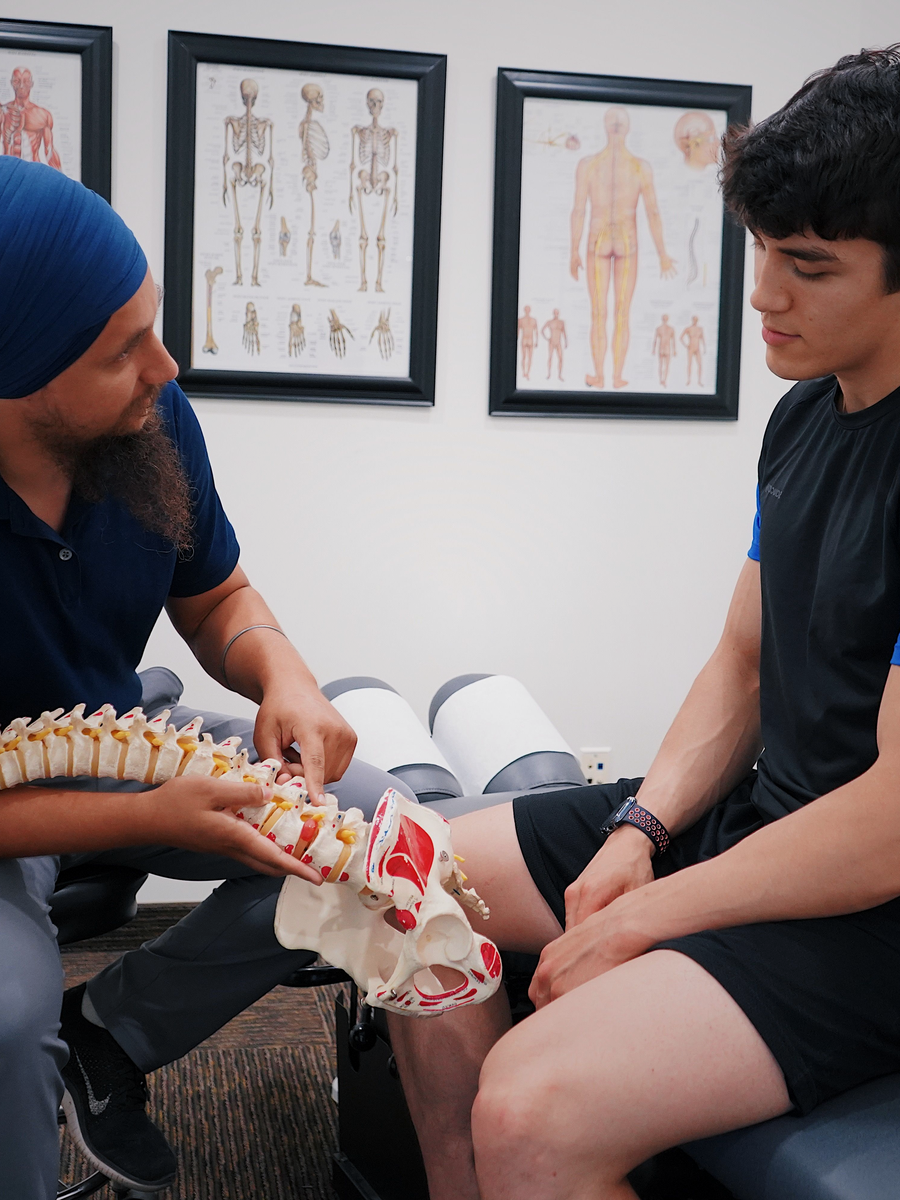
Other serious causes
Red flags include major trauma, osteoporosis with new severe pain, fever, immunosuppression, recent infection, cancer history, unexplained weight loss or marked systemic illness.
Night or rest pain is not automatically dangerous but becomes more concerning with systemic or neurological features.
| Concern | Possible clues | Action |
|---|---|---|
| Fracture | Trauma, osteoporosis, steroid use or acute severe pain. | Urgent assessment and imaging. |
| Infection | Fever, immunosuppression or recent infection. | Prompt medical evaluation. |
| Cancer or systemic disease | Cancer history, weight loss or progressive non-mechanical pain. | Medical assessment and targeted investigation. |

Progressive weakness and foot drop
Foot drop is difficulty lifting the front of the foot and may arise from L5 radiculopathy, peroneal nerve injury or another neurological cause. New or worsening weakness requires prompt localization.
Strength should be tested objectively. Delay can matter when severe compression is surgically treatable.
Observe walking
Toe clearance, heel walking and stairs reveal function.
Compare strength
Ankle and great-toe dorsiflexion are tested.
Check distribution
Sensation and reflexes assist root localization.

What to do when a warning sign appears
Emergency symptoms require direct medical assessment rather than online diagnosis or routine treatment. Evaluation may include neurological examination and urgent MRI.
Do not begin or continue manipulation, traction, decompression or exercise progression while an urgent condition remains unassessed.
- Describe exactly what changed and when.
- Do not wait for severe pain if bladder or saddle sensation changed.
- Bring medication, cancer, infection, trauma and surgery history.
- Return urgently if symptoms progress after an initial assessment.
Emergency, urgent or routine?
Local systems vary, but the following distinction is a useful safety framework.
When uncertain about new neurological or bladder symptoms, seek direct medical advice promptly.
| Level | Examples | Response |
|---|---|---|
| Emergency | Cauda equina symptoms, severe rapidly progressive weakness, unstable trauma. | Emergency department or emergency services. |
| Urgent | New foot drop, progressive focal weakness, fever with spinal pain, cancer concern. | Same-day or expedited assessment. |
| Routine but monitored | Stable pain without red flags or progressive deficit. | Conservative care with safety-net instructions. |
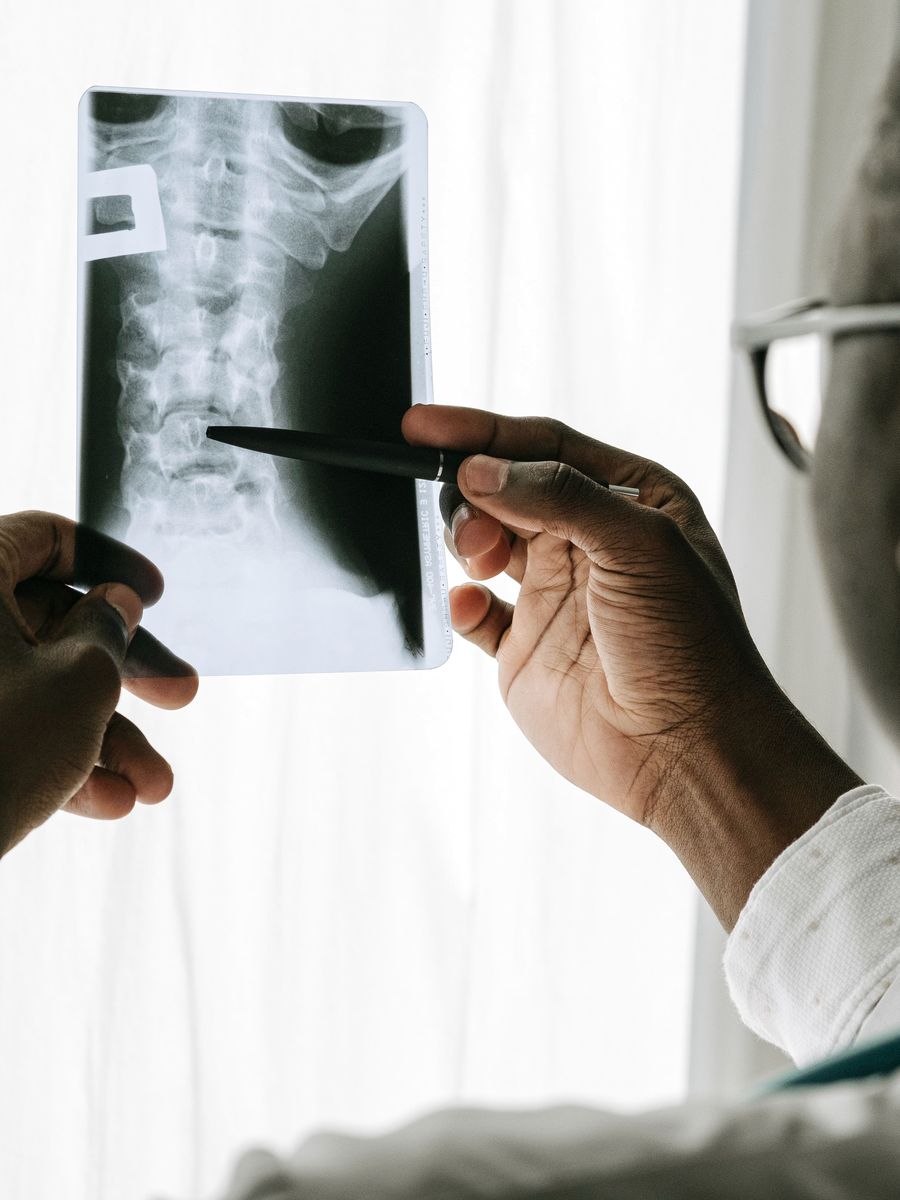
Questions to ask before choosing care
Before beginning care for back pain warning signs, ask the provider to explain the working diagnosis and the findings that support it. The discussion should distinguish a structural description from the clinical syndrome, clarify whether neurological function is stable and identify the specific outcome the treatment is intended to improve.
A high-quality plan also explains the expected timeline, reasonable alternatives, possible harms, cost and the criteria for changing course. No treatment should continue indefinitely because it produced a brief change in pain. The decision should be reviewed against measurable function and safety.
What is the target?
Ask which structure, mechanism or functional limitation the treatment is intended to address.
What result is realistic?
Clarify the expected change in pain distribution, walking, sleep, work or daily activity.
What are the alternatives?
Compare education, exercise, medication, procedures, technology-assisted care and surgery when relevant.
When will the plan be reviewed?
Set an early review point and define the findings that would stop, modify or escalate care.
How to monitor progress
Progress should be tracked with more than a pain score. Useful measures include how far symptoms travel, strength, sensation, walking tolerance, sleep, medication use and the ability to perform meaningful activities. Neurological change should always be documented separately from pain relief.
Temporary fluctuations are common. The important question is whether the overall trajectory is safer and more functional. New weakness, expanding numbness, altered bladder or bowel function or a substantial loss of walking ability should trigger reassessment rather than automatic continuation of the same treatment.
Continue with specialized resources
The Spine Page is an educational blog. The links below lead to independent specialized websites.
Clinique TAGMED — spinal decompression
Service-specific information about motorized spinal decompression and disc-related conditions.
SOS Sciatique — nerve-root symptoms
Focused guides about sciatica, warning signs and treatment questions.
Frequently asked questions
Is severe pain alone an emergency?
Not always.
Can cauda equina begin with subtle bladder symptoms?
Yes.
What is saddle numbness?
Altered sensation around the genitals, perineum, buttocks or inner thighs.
Can symptoms be one-sided?
Yes.
Is foot drop an emergency?
It requires prompt assessment.
Does fever always mean infection?
No, but it raises concern with spinal pain and risk factors.
Why does cancer history matter?
Some cancers may involve the spine.
Can I wait for outpatient MRI?
Not if emergency compression is suspected.
Should decompression continue while waiting?
No, not with urgent signs.
Can The Spine Page determine urgency?
No.
Sources consulted
- Somerset NHS Foundation Trust — Cauda Equina Syndrome
- American College of Radiology — Appropriateness Criteria: Low Back Pain
- NICE — Low back pain and sciatica in over 16s
- Macki et al. — Foot drop secondary to lumbar degenerative disease
Last editorial review: July 2026. This page provides general education and does not replace individualized medical assessment.
Editorial review : Dr. Sylvain Desforges, B.Sc., D.O., N.D., osteopath — The Spine Page
Know the next safe step
Review when MRI is indicated or understand lumbar nerve-root patterns.
The Spine Page — The best treatments for your spinal problems — www.thespinepage.com