


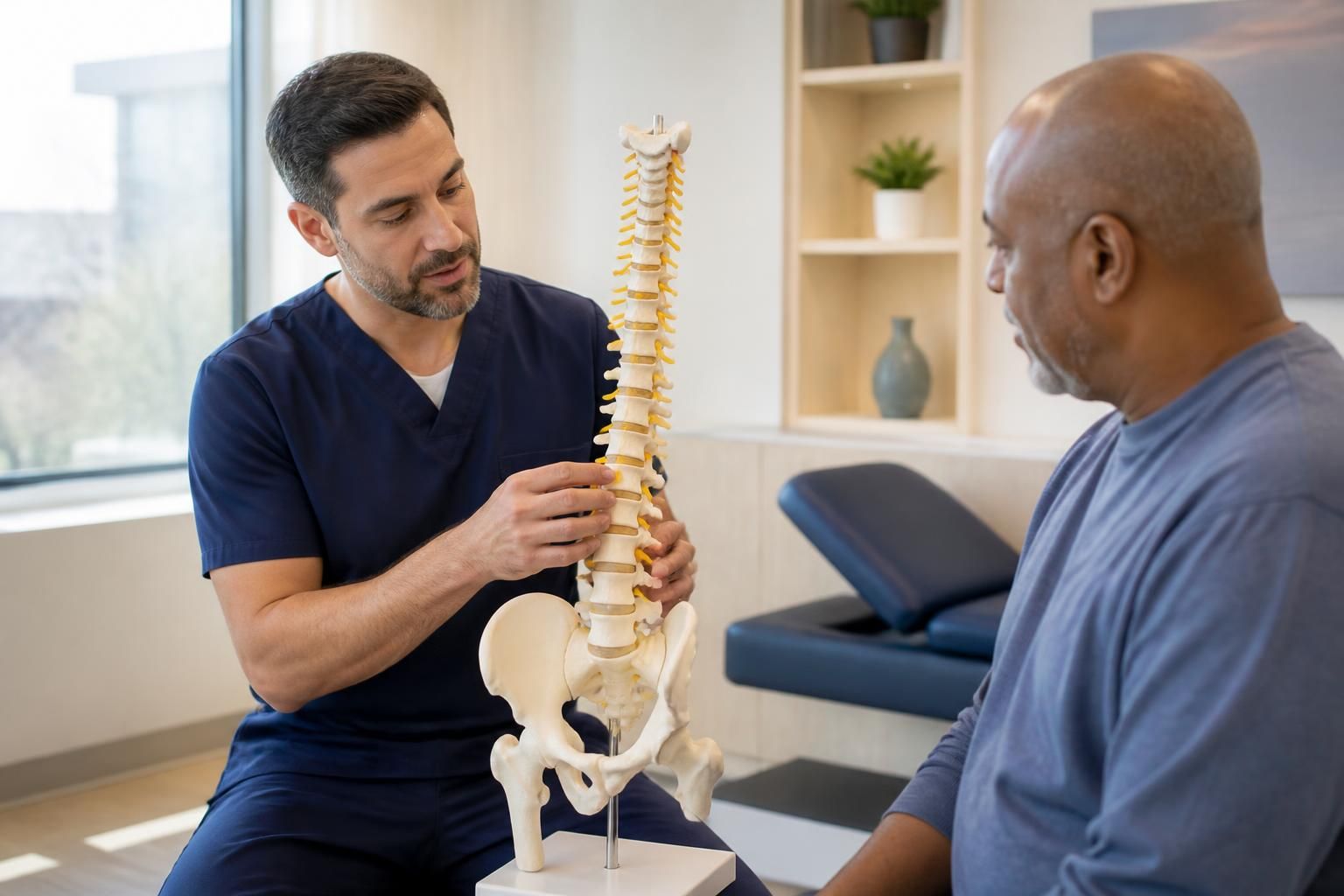
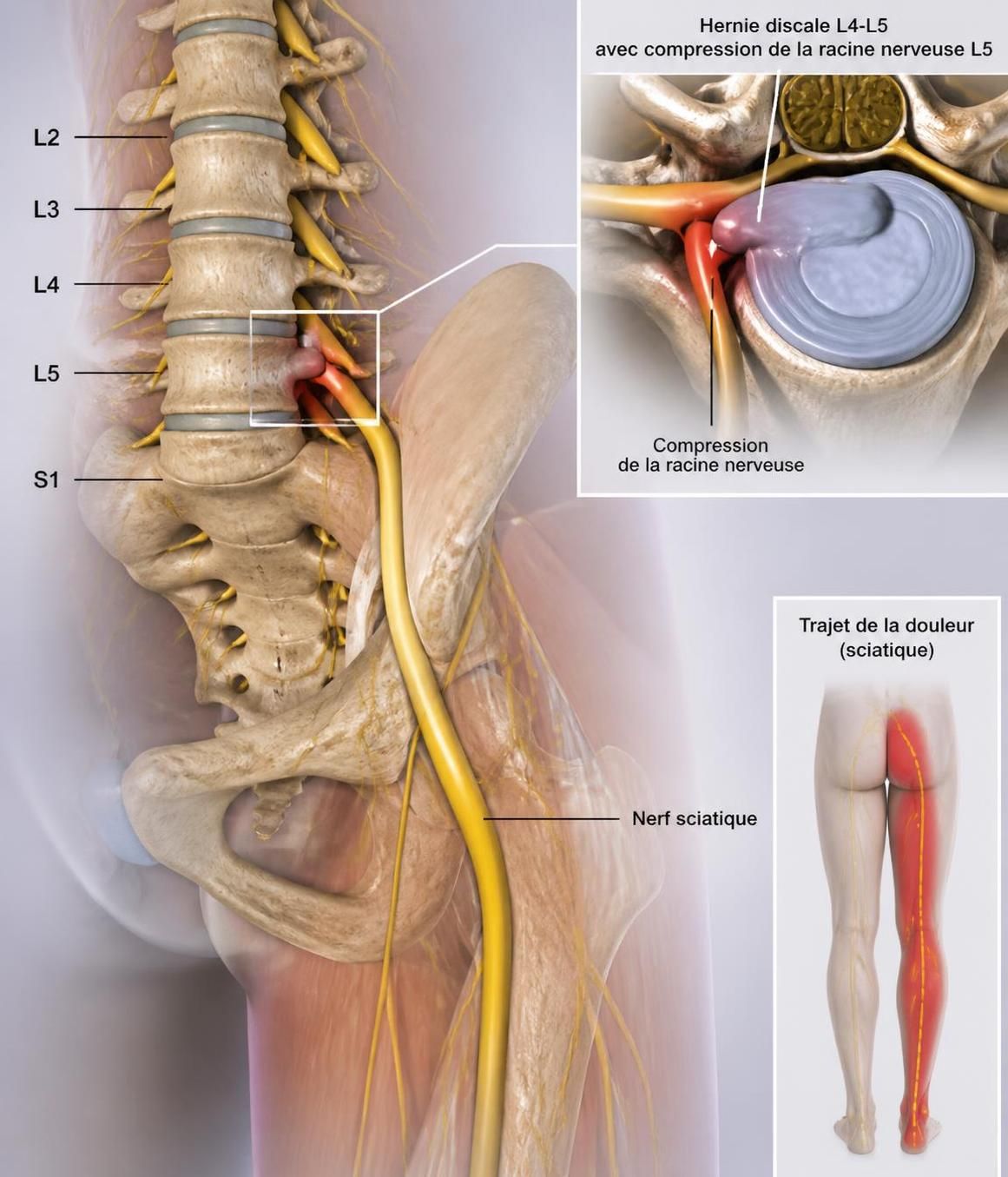
Sciatica, characterized by nerve pain radiating from the lower back to the leg, receives particular attention in Montréal’s dynamic Le Plateau-Mont-Royal neighbourhood. This condition, often associated with involvement of the sciatic nerve, is the subject of an in-depth medical study that examines risk factors specific to this urban area and the prevalence of the various underlying causes. The study highlights the complex mechanisms involving spinal and neural structures, as well as the importance of rigorous clinical assessment.
This detailed examination of the possible causes of sciatica takes into account local characteristics of Le Plateau-Mont-Royal, including residents’ lifestyles, work habits, and the demands associated with travel in a dense urban environment. Given the diversity of symptoms and potential origins, this study emphasizes the need for a personalized and careful interpretation to effectively guide the management of radicular pain.




In brief: key points on the causes of sciatica in Le Plateau-Mont-Royal
- Suggestive symptoms: pain radiating from the lower back into the leg, often below the knee, accompanied by numbness or weakness.
- Main causes: lumbar disc herniation, spinal osteoarthritis, foraminal stenosis, facet joint disorders.
- Local factors: sedentary lifestyle, prolonged office work, urban commuting by public transit, prolonged sitting posture.
- Clinical assessment: essential to distinguish sciatica from other types of low back pain and target appropriate treatment.
- Tailored treatment options: personalized exercises, manual care, motorized spinal decompression, specialized medical management.
Understanding the clinical assessment of symptoms and causes of sciatica in Le Plateau-Mont-Royal
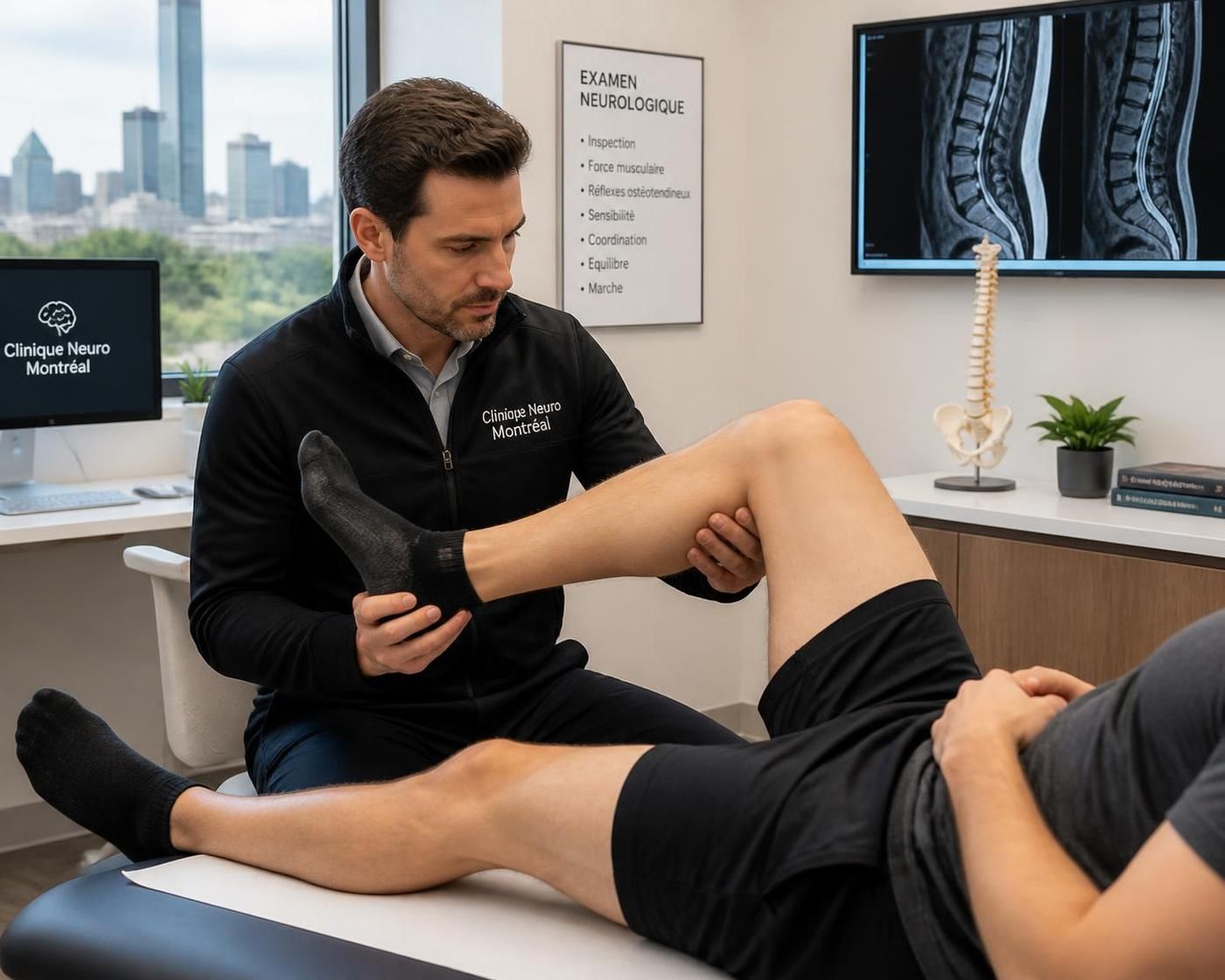
Pain consistent with sciatica, which typically presents as radiation from the lower back to the leg, involves the sciatic nerve or its nerve roots in the lumbar spine. However, not all symptoms experienced necessarily correspond to nerve compression. In-depth clinical assessment therefore aims to distinguish precisely between true radicular sciatica and other pain that may resemble sciatic pain, such as mechanical low back pain or referred pain of muscular or joint origin.
In Le Plateau-Mont-Royal, a neighbourhood characterized by an active population often employed in sedentary occupations and exposed to frequent urban travel, clinical assessment focuses on the precise location of pain as well as associated neurological signs. The physical examination includes assessment of sensation, tendon reflexes, and muscle strength in the area innervated by the L4, L5, and S1 roots. For example, weakness in foot dorsiflexion may suggest involvement of the L5 root, whereas a reduced Achilles reflex more strongly suggests S1 involvement.
The prevalence of causes such as lumbar disc herniation or foraminal stenosis is explained by these chronic or acute lesions that alter the space through which the nerve passes. Sometimes, osteoarthritic disorders of the spinal facet joints contribute to local inflammation that is difficult to distinguish without careful assessment.
Less common or more serious causes must also be considered, such as cauda equina syndrome, infections, or tumours, which require urgent medical referral. The study of these cases in a specialized centre near Le Plateau-Mont-Royal highlights the rigour needed to avoid inappropriate management based solely on symptom descriptions.
The importance of detailed assessment also relies on medical imaging tools, such as MRI or CT scans, which complement and refine the clinical diagnosis. These investigations are available in several specialized centres in Montréal and contribute to a better understanding of the underlying condition.
To further explore this approach, consult resources on the pathophysiological mechanisms of sciatica and the precise clinical assessment of radicular pain.
Local factors influencing sciatica and its manifestations in Le Plateau-Mont-Royal
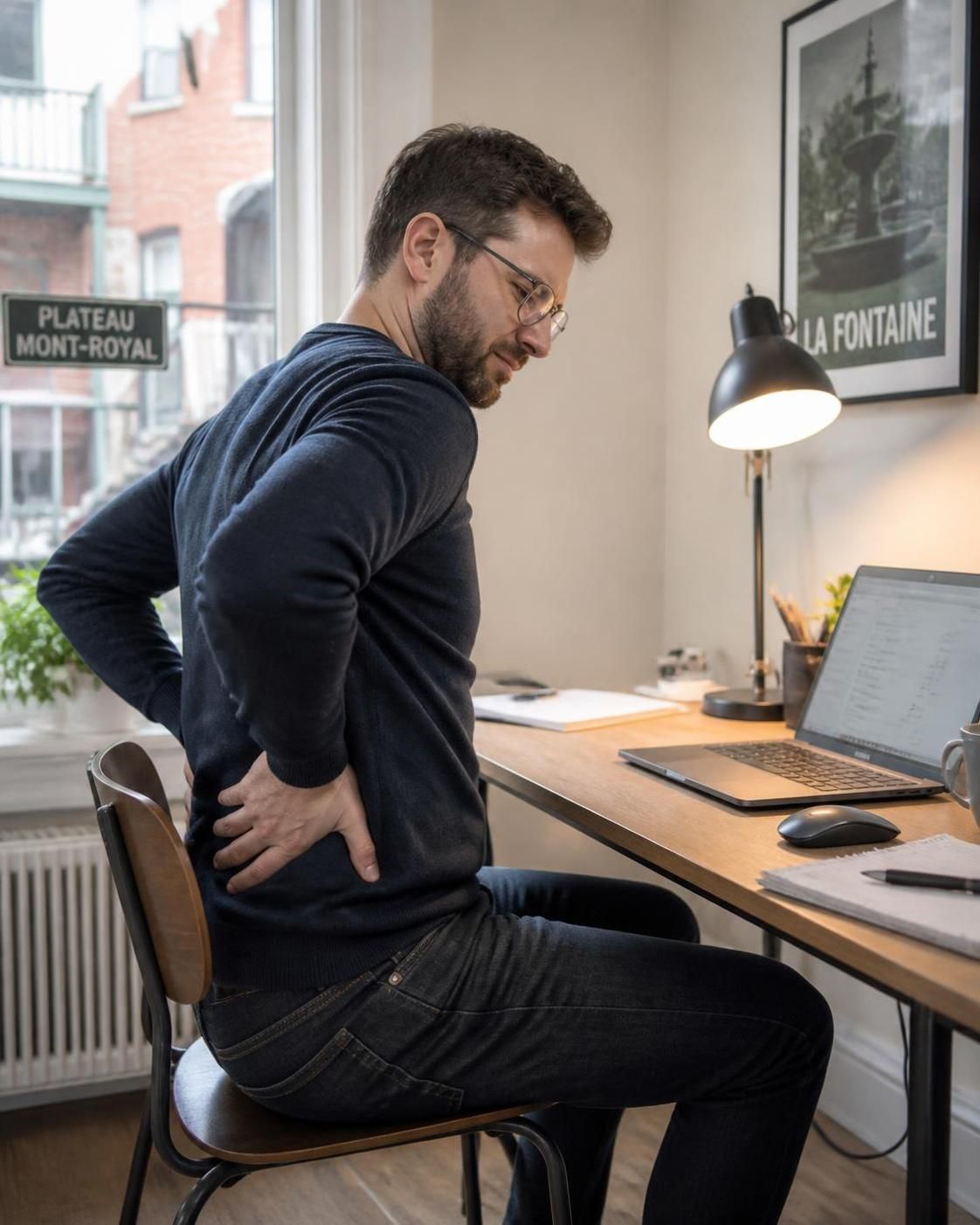
In this vibrant Montréal neighbourhood, several environmental and socio-occupational factors play a role in the presentation and progression of sciatica symptoms. A lifestyle often characterized by office work or work in indoor settings encourages prolonged sitting positions, which may increase pressure on the intervertebral discs and reduce blood supply to the nerves.
Remote work, which has become widespread in recent years, may sometimes worsen this situation, with an unsuitable workstation and prolonged sitting time, particularly among Le Plateau-Mont-Royal residents. This static posture may mechanically aggravate tension on the sciatic nerve root, thereby worsening nerve pain.
Daily commuting, often by public transit or car, also exposes individuals to repeated vibrations and impacts. Although this factor may appear minor, it can contribute to irritation of the sensory and motor nerves involved and warrants clinical and epidemiological questioning for appropriate management.
In addition, physical activities, whether related to sports or daily life, also influence the intensity and perception of pain. For some individuals, prolonged walking or climbing stairs may be painful, while for others, lumbar flexion provides temporary relief. This variability highlights the need for individualized assessment that considers tolerance and the functional impact of symptoms.
The duration of symptoms is also a key factor. Recent or intermittent pain may require a different approach compared with chronic pain with persistent neurological signs. This distinction guides the Montréal clinician toward the most appropriate management.
This in-depth analysis of contextual factors is essential to any serious study of the causes of sciatica. It helps distinguish clinical scenarios that, although similar at first glance, require different therapeutic strategies for Le Plateau-Mont-Royal residents.
When to consider a specialized consultation for pain consistent with sciatica in Le Plateau-Mont-Royal
It is essential to recognize situations requiring a clinical consultation as soon as radicular pain occurs. In an urban Montréal setting such as Le Plateau-Mont-Royal, access to specialized services facilitates prompt and appropriate management.
Signs warranting medical assessment include:
- Persistent or recurrent pain affecting daily life, particularly when pain travels below the knee.
- The onset of numbness, tingling, or muscle weakness in the leg or foot.
- Limitations in walking or usual activities.
- Sleep disturbances related to radicular pain.
Urgent situations requiring medical consultation without delay include:
- A sudden loss of bladder or bowel control.
- Saddle anaesthesia, meaning loss of sensation in the genital and perineal areas.
- Rapidly progressing motor weakness in one or more legs.
- Fever associated with low back pain or a deterioration in general health.
- Significant trauma to the lower back.
- A history of cancer or significant unexplained weight loss.
In the presence of these warning signs, urgent consultation is required to rule out serious conditions and avoid severe complications. Specialized clinical assessment near Le Plateau-Mont-Royal makes it possible to promptly direct patients to the required care, whether conservative or surgical.
Le Plateau-Mont-Royal residents with symptoms suggestive of sciatica are advised to consider a consultation with specialized professionals for a personalized clinical assessment tailored to their needs.
Treatment options for sciatica in Le Plateau-Mont-Royal: a tailored and personalized approach
Following a precise clinical assessment, several treatment options are available for people with sciatica in Le Plateau-Mont-Royal. These treatments are adjusted according to the identified causes, severity of symptoms, and patient profile.
Maintaining or gradually resuming activities, as tolerated, is generally recommended to prevent excessive physical deconditioning. Targeted exercises, tailored and supervised by back health specialists, can help reduce pain while improving muscular and neurological function.
Physiotherapy including manual care, specific osteopathic approaches, or the use of a precision percussion device are often considered as complementary options to relieve tension and optimize spinal mobility. However, it is important to note that these treatments do not guarantee immediate relief and need to be personalized.
Among treatments used in certain cases, motorized spinal decompression offers a potential option for certain profiles, particularly in the presence of a disc herniation, disc protrusion, or foraminal stenosis. This technique, which involves progressive and controlled traction, aims to temporarily alter pressure on the intervertebral discs and nerve roots.
It is essential to remember that decompression is not suitable for every situation and does not replace urgent medical assessment. It is reserved for certain patients following rigorous selection based on clinical and imaging criteria. Results may vary significantly from one individual to another.
When symptoms persist or worsen, or when significant neurological deficits are present, specialized medical assessment is recommended. In some cases, surgery may be considered as a last resort.
| Treatment option | Common indications | Limitations and precautions |
|---|---|---|
| Maintaining or gradually resuming activity | Moderate pain without neurological deficit | Adapt according to individual tolerance; avoid intense exertion |
| Therapeutic exercises and physiotherapy | Non-urgent sciatica, improved mobility and muscle control | Do not push through acute pain; adjust according to progress |
| Motorized spinal decompression | Disc herniation, foraminal stenosis, selected nerve compression | Contraindicated in cases of spinal instability or infection; results vary |
| Osteopathic manual care | Associated muscle tension, improved mobility | Effects vary; personalized follow-up is required |
| Medications and injections | Moderate to severe pain, nerve inflammation | Use under medical supervision; possible side effects |
| Surgical intervention | Severe neurological deficit or major compression | Last resort; decision based on specialist advice |
To learn more about sciatica treatment options in Montréal and discover the approach at Clinique TAGMED in Mont-Royal, it is advisable to consult experienced professionals who provide tailored care.
What symptoms suggestive of sciatica require assessment in Mont-Royal?
Low back pain radiating into the leg, especially if it travels below the knee, accompanied by numbness, tingling, or muscle weakness, requires a specialized consultation.
How is a clinical assessment for sciatica performed?
The assessment includes a medical history, a targeted physical examination of reflexes, strength, and sensation, as well as an analysis of aggravating factors to guide the diagnosis.
When should urgent care be sought for sciatica?
In the presence of signs such as loss of sphincter control, saddle anaesthesia, or rapidly developing neuromuscular weakness, urgent medical consultation is required.
What treatments are available for sciatica in Mont-Royal?
Various options are available, including personalized exercises, physiotherapy, motorized spinal decompression, osteopathic care, medications, and, in some cases, surgery.
Is motorized spinal decompression suitable for all cases of sciatica?
No, it is reserved for certain profiles after assessment, particularly cases involving a disc herniation or stenosis, but it is not suitable for every situation.
If you experience low back pain radiating toward the leg, a specialized assessment in Mont-Royal may help clarify the likely cause, identify signs to monitor, and determine the most appropriate conservative options.
Book an appointment for an assessment
Dr. Sylvain Desforges, B.Sc., D.O., N.D., osteopath
This content is for educational purposes and does not replace a personalized assessment by a health-care professional.
