




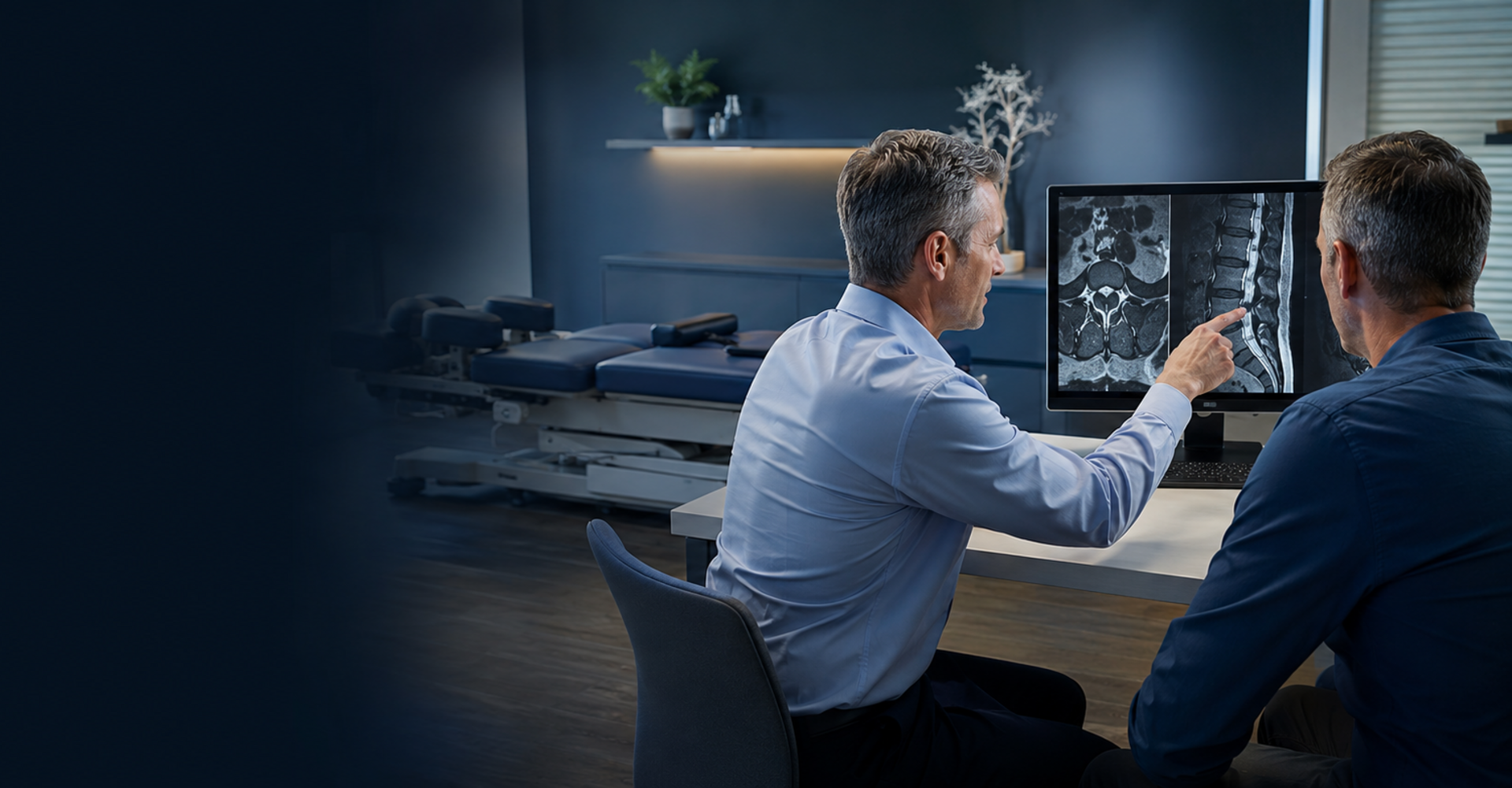
Motorized spinal decompression vs surgery: different goals, evidence and urgency
Motorized decompression and spinal surgery are not interchangeable versions of one treatment. One applies external forces; the other removes, enlarges, stabilizes or reconstructs structures under operative conditions.
The comparison only makes sense after the diagnosis is defined. Stable disc-related pain is fundamentally different from cauda equina syndrome, progressive foot drop, severe stenosis or instability.
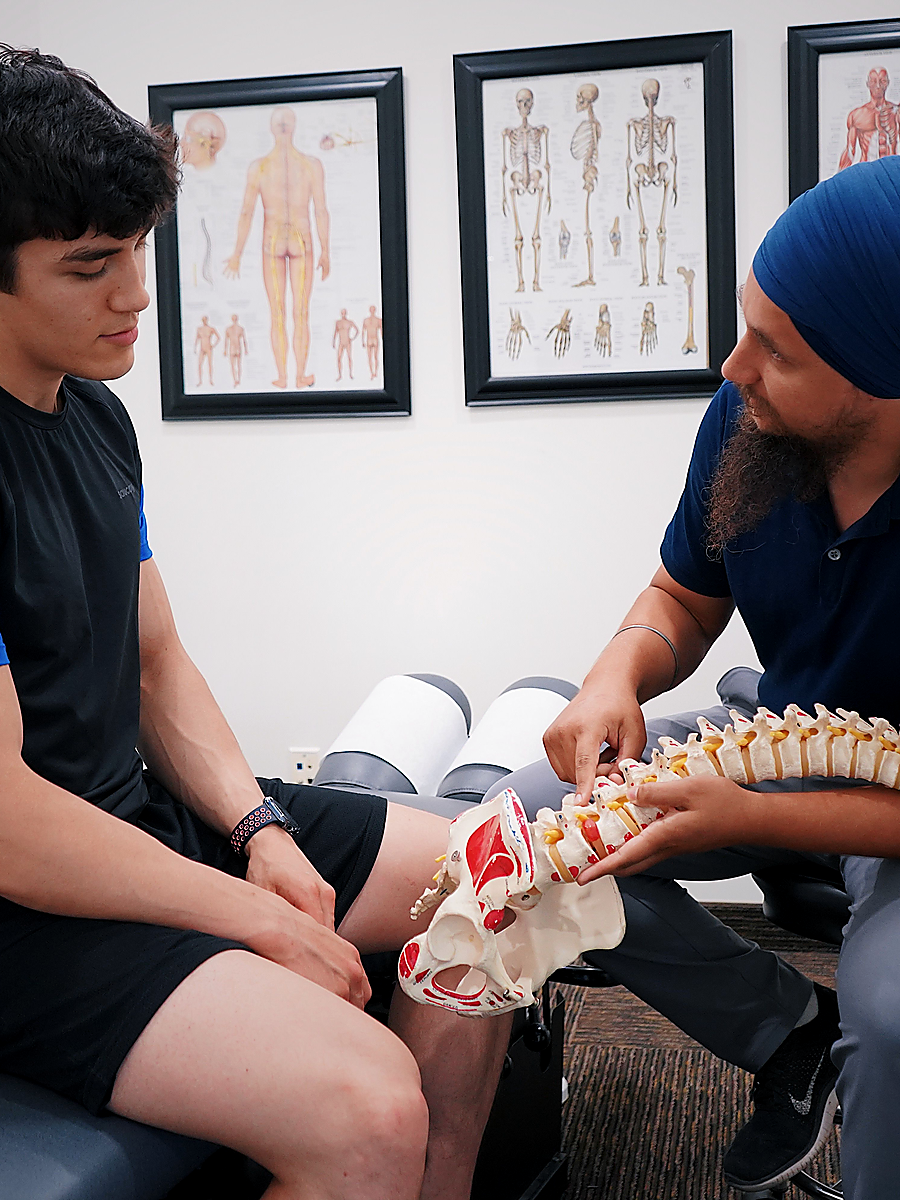
Why urgency changes the comparison
A person with stable pain and no major deficit may explore non-surgical care. Progressive motor loss or cauda equina signs are different.
A surgical consultation does not guarantee surgery; it clarifies whether direct decompression may outweigh its risks.
| Clinical situation | Role of non-surgical care | Role of surgical opinion |
|---|---|---|
| Stable symptoms without major deficit | Often reasonable initially. | Elective if symptoms persist and imaging correlates. |
| Persistent severe radicular pain | May be tried if safe and measurable. | Consider if non-surgical care fails. |
| Progressive weakness or cauda equina | Must not delay urgent evaluation. | Urgent or emergency pathway may be required. |
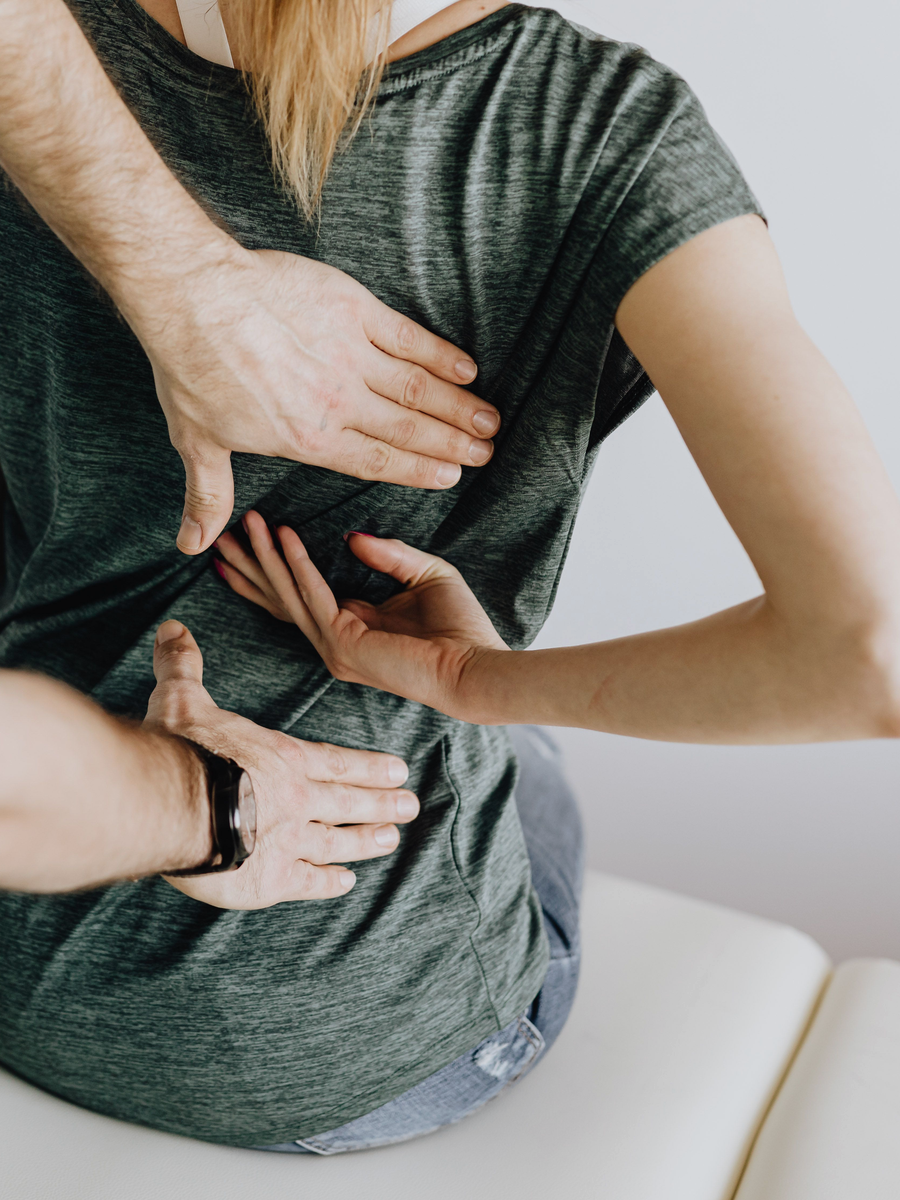
Comparing outcomes honestly
Surgery can provide faster or greater relief in selected structural radiculopathy or stenosis, but carries anaesthetic, infection, dural, neurological and reoperation risks.
Evidence for generic traction is weak and evidence for proprietary decompression protocols is limited. Decompression should not be marketed as equivalent to surgical decompression.
Diagnosis match
Surgery generally requires strong anatomical correlation.
Risk and reversibility
Table treatment is non-operative; surgery changes anatomy.
Time sensitivity
Neurological emergencies cannot be treated as routine trials.

Shared decision-making before surgery
A surgical discussion should review natural history, expected benefit, alternatives, urgency, complications, recovery and the risk of delay.
A non-surgical trial should have goals and stop rules. Neurological deterioration should trigger reassessment rather than automatic extension.
- Ask which operation is proposed and what it treats.
- Clarify whether the goal is pain, neurological recovery, walking or stability.
- Discuss how duration of weakness may influence recovery.
- Do not treat temporary pain relief as proof of neurological safety.
Practical comparison
The summary describes typical differences; individual procedures and protocols vary.
The choice should be made with qualified professionals who can evaluate anatomy and risk.
| Dimension | Motorized decompression | Surgery |
|---|---|---|
| Mechanism | External controlled distraction. | Direct removal, enlargement or stabilization. |
| Evidence and indication | Limited and heterogeneous; selected non-emergency use. | Stronger for specific concordant conditions and neurological indications. |
| Main limitation | May not address fixed severe compression or instability. | Invasive risks and possible incomplete relief. |
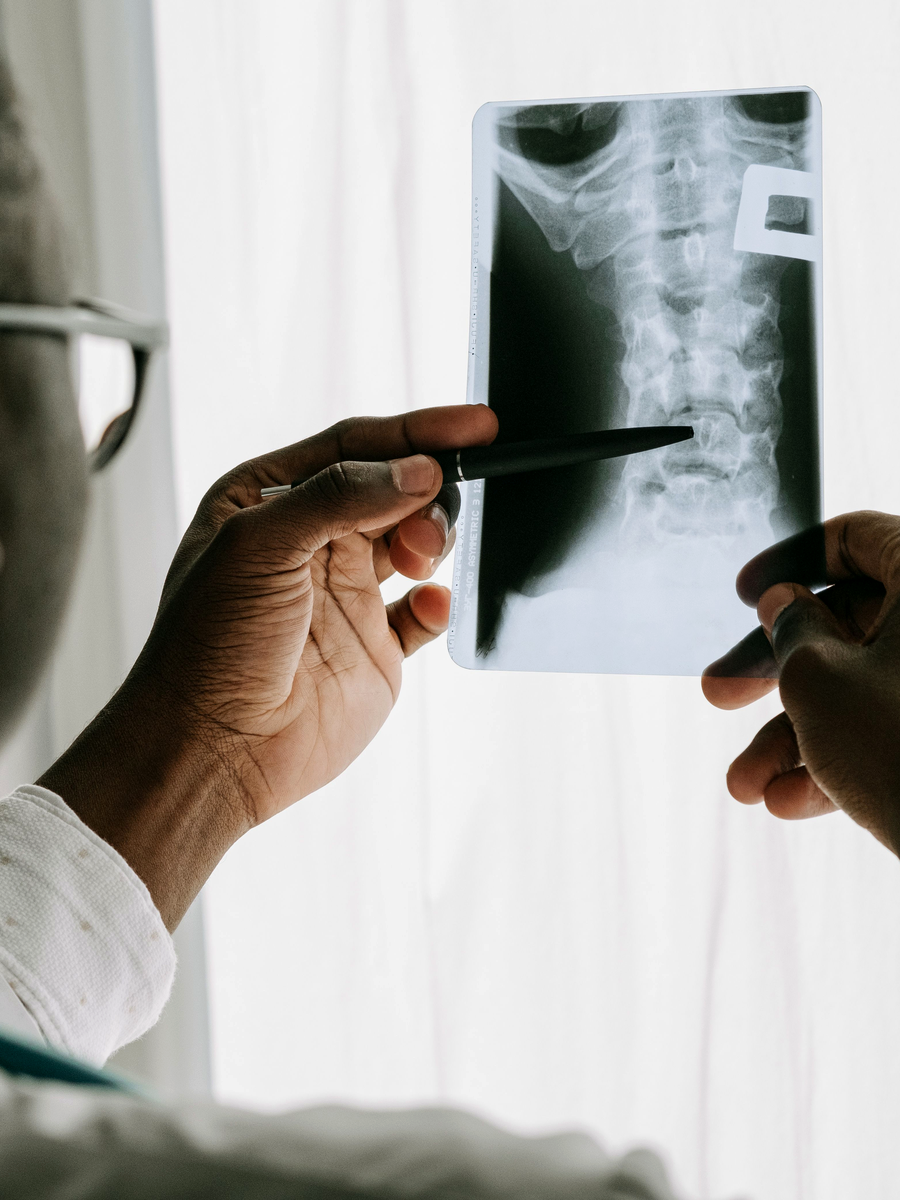
Questions to ask before choosing care
Before beginning care for motorized spinal decompression vs surgery, ask the provider to explain the working diagnosis and the findings that support it. The discussion should distinguish a structural description from the clinical syndrome, clarify whether neurological function is stable and identify the specific outcome the treatment is intended to improve.
A high-quality plan also explains the expected timeline, reasonable alternatives, possible harms, cost and the criteria for changing course. No treatment should continue indefinitely because it produced a brief change in pain. The decision should be reviewed against measurable function and safety.
What is the target?
Ask which structure, mechanism or functional limitation the treatment is intended to address.
What result is realistic?
Clarify the expected change in pain distribution, walking, sleep, work or daily activity.
What are the alternatives?
Compare education, exercise, medication, procedures, technology-assisted care and surgery when relevant.
When will the plan be reviewed?
Set an early review point and define the findings that would stop, modify or escalate care.
How to monitor progress
Progress should be tracked with more than a pain score. Useful measures include how far symptoms travel, strength, sensation, walking tolerance, sleep, medication use and the ability to perform meaningful activities. Neurological change should always be documented separately from pain relief.
Temporary fluctuations are common. The important question is whether the overall trajectory is safer and more functional. New weakness, expanding numbness, altered bladder or bowel function or a substantial loss of walking ability should trigger reassessment rather than automatic continuation of the same treatment.
Continue with specialized resources
The Spine Page is an educational blog. The links below lead to independent specialized websites.
Clinique TAGMED — spinal decompression
Service-specific information about motorized spinal decompression and disc-related conditions.
SOS Sciatique — nerve-root symptoms
Focused guides about sciatica, warning signs and treatment questions.
Frequently asked questions
Can decompression remove a herniated fragment?
No.
Can it replace emergency surgery?
No.
Does every herniated disc require surgery?
No.
When is surgical decompression considered?
When non-surgical care fails and imaging matches symptoms.
Is surgery guaranteed to relieve pain?
No.
Can I get a surgical opinion without accepting surgery?
Yes.
Can decompression be tried before elective surgery?
Possibly if safe and without harmful delay.
What about progressive foot drop?
Prompt specialist assessment is important.
Is recovery immediate?
Not always.
Does The Spine Page choose between the options?
No.
Sources consulted
- NICE — Low back pain and sciatica in over 16s
- American College of Radiology — Appropriateness Criteria: Low Back Pain
- Macki et al. — Foot drop secondary to lumbar degenerative disease
- Cochrane — Traction for low-back pain with or without sciatica
Last editorial review: July 2026. This page provides general education and does not replace individualized medical assessment.
Editorial review : Dr. Sylvain Desforges, B.Sc., D.O., N.D., osteopath — The Spine Page
Clarify candidacy and urgency
Review who may be a candidate for decompression and which symptoms require rapid care.
The Spine Page — The best treatments for your spinal problems — www.thespinepage.com