




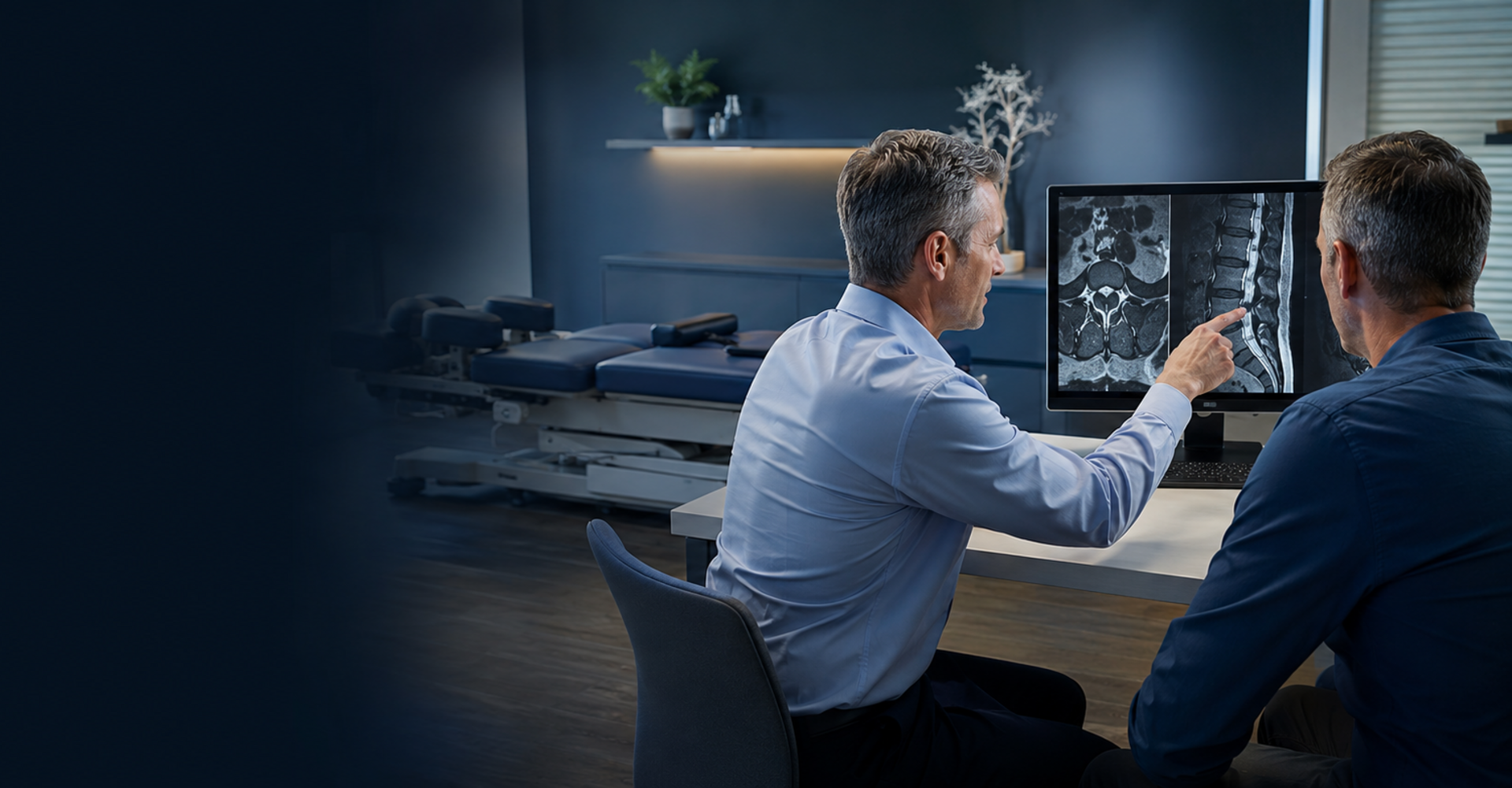
Motorized spinal decompression: candidates, evidence and safety questions
Understand how motorized decompression is described, how it differs from broad traction claims and which questions support careful patient selection.
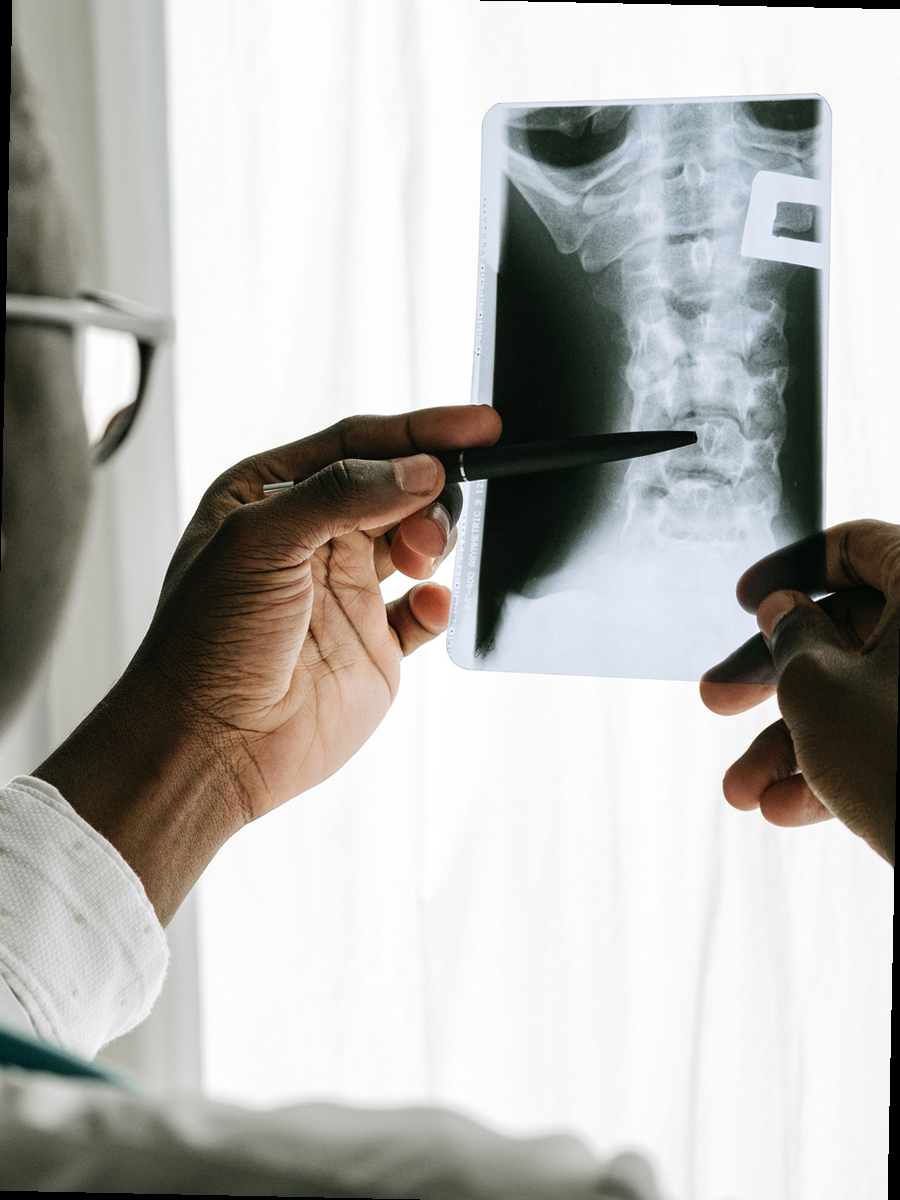
What motorized spinal decompression is
Motorized spinal decompression uses a controlled table to apply distraction or traction forces according to selected parameters. Devices may vary in positioning, force progression, angle, cycle pattern and monitoring. A technical distinction between devices does not by itself establish superior clinical effectiveness.
Candidate selection
The diagnosis, neurological status, symptom direction, positional tolerance and contraindications should be reviewed.
Protocol design
Force, angle, duration, progression, frequency and complementary care may influence tolerance.
Outcome review
Pain distribution, strength, walking, sleep, function and medication use can be tracked over time.
How it differs from a generic traction claim
Motorized systems may use programmable cycles and positioning, but the evidence base remains heterogeneous. Broad guideline conclusions about traction should not be ignored, while device-specific marketing should not be treated as proof. A balanced discussion separates biomechanical rationale from demonstrated patient outcomes.
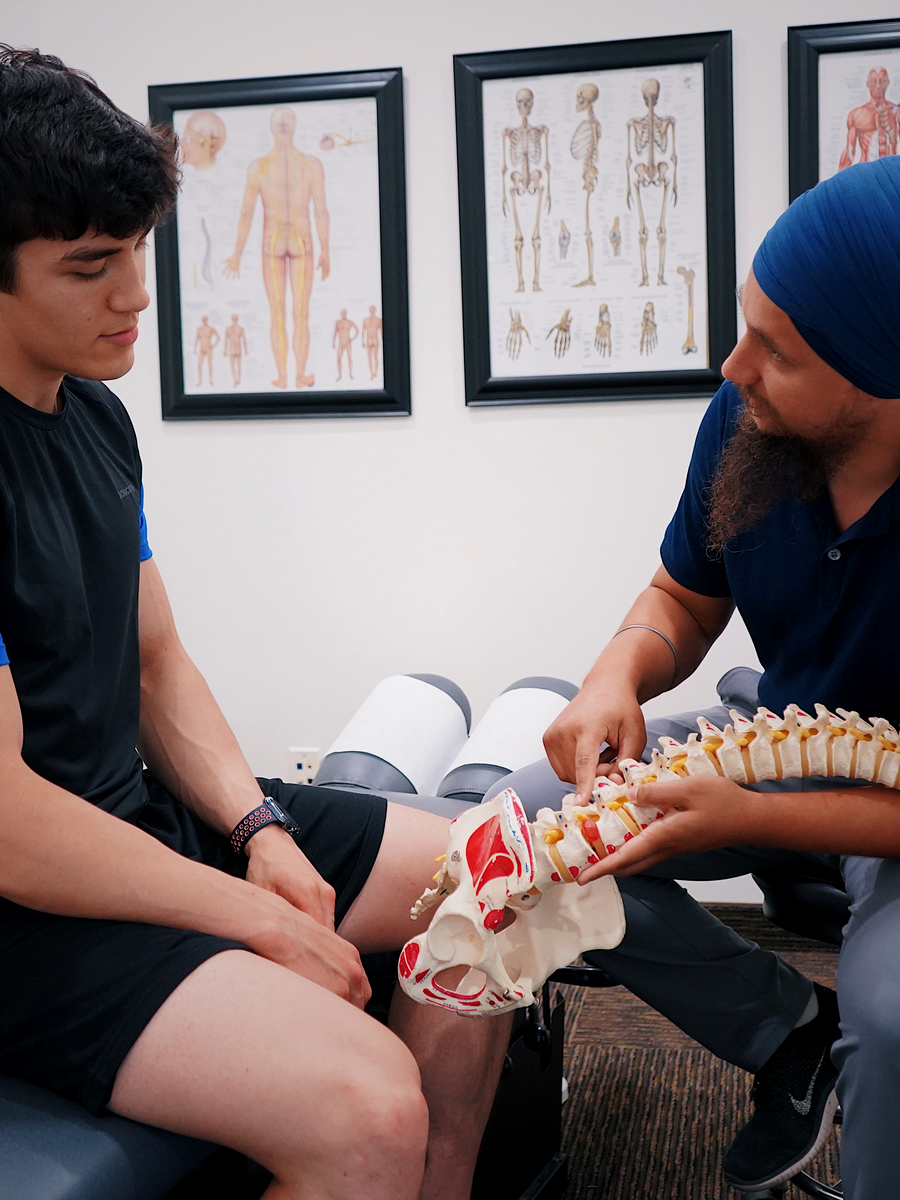
When it may be considered
Some clinics consider decompression for selected disc herniation, disc bulging, radicular pain or degenerative disc presentations without urgent surgical indications. Suitability depends on examination findings and the ability to tolerate positioning and controlled loading.
When it should not delay care
Cauda equina symptoms, major or progressive weakness, fracture, infection, malignancy concerns, unstable conditions or other serious presentations require appropriate medical assessment. Decompression should not delay urgent imaging, specialist referral or surgery.
Questions to ask a provider
- What diagnosis and clinical findings support the recommendation?
- What contraindications were screened?
- How many sessions are proposed and why?
- What objective outcomes will be tracked?
- When will the plan be stopped, changed or escalated?
Frequently asked questions
Is spinal decompression the same as traction?
It uses traction or distraction forces, although motorized systems may use more controlled parameters.
Is it proven for every herniated disc?
No. Evidence and suitability vary by patient profile, protocol and outcome.
Can it treat spinal stenosis?
Suitability depends on the type of stenosis, symptoms, positioning tolerance and contraindications.
Is it painful?
Treatment should be monitored and modified if symptoms worsen or neurological function changes.
How many sessions are needed?
Protocols vary. A plan should include a rationale and scheduled reassessment.
Can it replace exercise?
It is generally better considered within a broader plan when appropriate.
Can it replace surgery?
Not in emergencies or when surgery is clearly indicated.
What outcomes should be measured?
Pain distribution, function, walking, sleep, strength, sensation and medication use.
What are common reasons to stop?
Worsening distal symptoms, new weakness, intolerance or lack of meaningful progress.
Where can I find service-specific information?
Clinique TAGMED provides external information about its decompression services.
Primary sources and clinical guidance
- World Health Organization — Guideline for non-surgical management of chronic primary low back pain
- NICE — Low back pain and sciatica in over 16s
- American College of Physicians — Noninvasive treatments for low back pain
- Cochrane — Traction for low-back pain with or without sciatica
- Clinique TAGMED — Motorized spinal decompression
Last editorial review : July 2026. This page provides general educational information and does not replace diagnosis or individualized care.
View a specialized service resource
For clinic-specific information, protocols and appointments, visit Clinique TAGMED.
The Spine Page — www.thespinepage.com