





Coccydynia: tailbone pain, diagnosis and treatment options
Coccydynia is pain arising around the coccyx, often aggravated by sitting, rising from a chair, leaning backward or defecation. Trauma and childbirth are common triggers, but pain may also develop without a clear event.
The coccyx is the small terminal segment of the spine and moves slightly with sitting and pelvic-floor function. Pain may arise from abnormal mobility, subluxation, fracture, degenerative change, local soft tissues, pelvic-floor muscle tension or less common infection and tumour. The diagnosis should not be made from tenderness alone without considering rectal, pelvic, sacral and lumbar causes.

Assessment and differential diagnosis
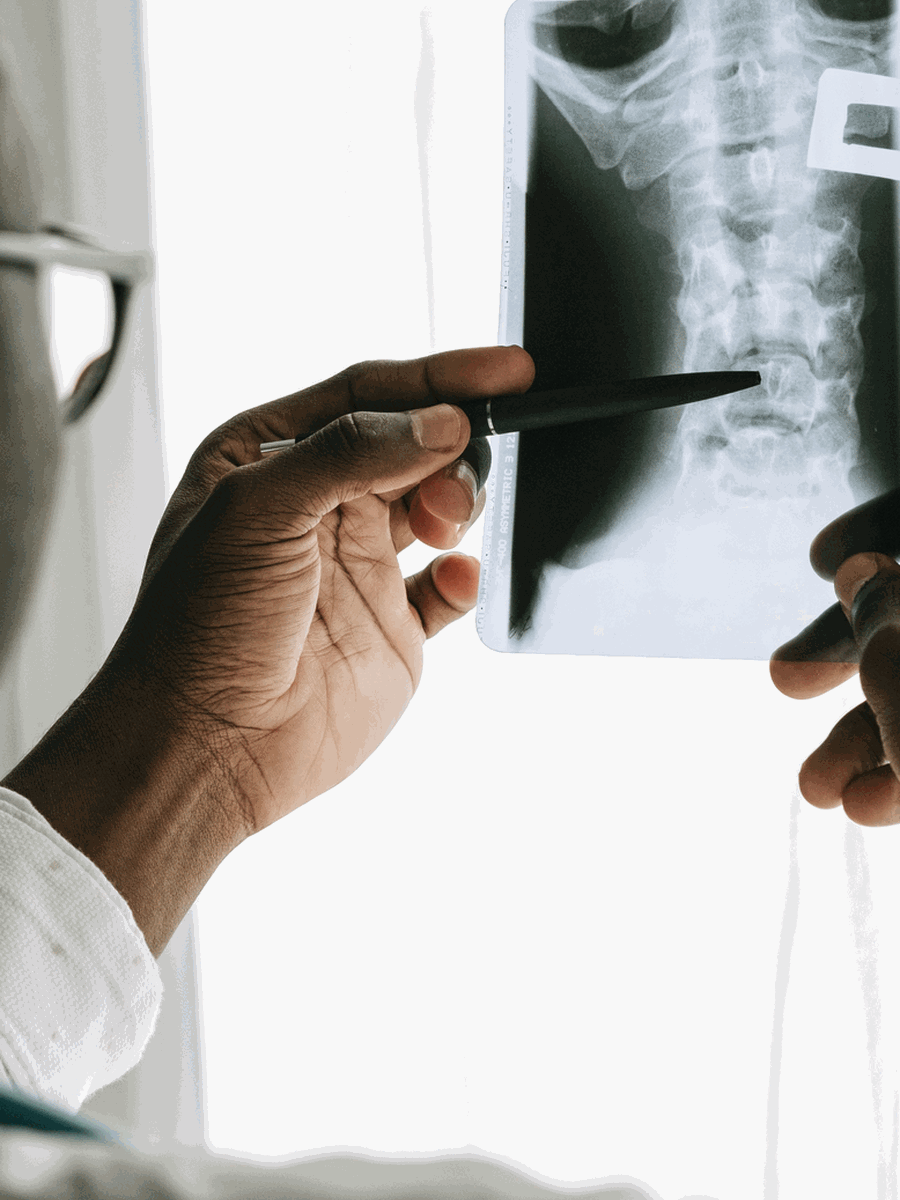
Evaluation clarifies trauma, childbirth, sitting tolerance, bowel symptoms, pelvic pain, systemic symptoms and duration. Examination includes coccygeal tenderness, skin, sacrum, lumbar spine, hips and neurological status. Dynamic sitting and standing radiographs may reveal abnormal coccygeal motion in selected chronic cases. MRI may be considered when tumour, infection, marrow disease or another atypical cause is suspected. Rectal or pelvic examination is performed only when clinically indicated and with informed consent.
| Clinical pattern | Possible interpretation | Why it matters |
|---|---|---|
| Recent uncomplicated trauma without neurological signs | Pressure reduction and conservative care | Most cases improve without surgery. |
| Persistent pain with sitting and local tenderness | Reassess mobility, pelvic floor and alternative sources | Treatment should match the dominant mechanism. |
| Severe night pain, mass, fever or systemic illness | MRI and medical assessment | Exclude infection or tumour. |
| Pain despite structured conservative care | Injection, ganglion impar block or surgical opinion may be considered | Escalation requires careful diagnosis. |
Treatment and decision-making
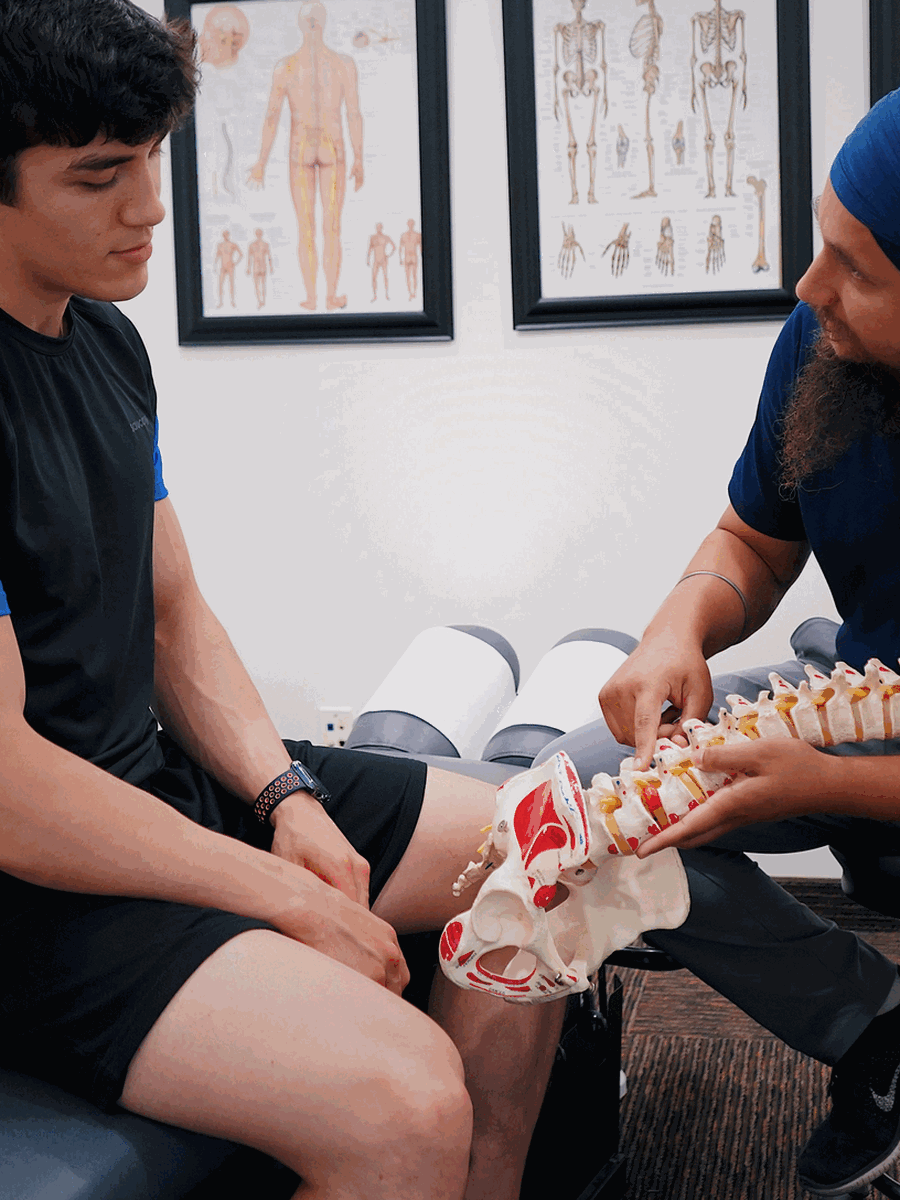
Initial care may include a coccygeal cut-out cushion, posture changes, reduced prolonged sitting, stool management when defecation is painful, analgesia after risk review and gradual return to activity. Pelvic-floor or musculoskeletal physiotherapy may use education, relaxation, strengthening, manual techniques and ergonomic advice. Image-guided local injection or ganglion impar block may be considered for persistent pain. Coccygectomy is reserved for carefully selected refractory cases after the pain source is well established.
How to interpret progress and avoid common mistakes
A credible plan should explain not only what treatment may be tried, but also how the diagnosis will be reconsidered if the expected response does not occur. Pain intensity can fluctuate for reasons that do not necessarily reflect tissue damage, while neurological or systemic deterioration can occur even when pain changes little. For that reason, progress should be judged with several measures rather than one daily pain score.
Establish a baseline
Record symptom distribution, aggravating activities, walking or sitting tolerance, sleep, medication use and the neurological findings relevant to this condition.
Choose a meaningful goal
Define a practical target such as walking farther, sleeping through the night, returning to work, tolerating sitting or recovering strength.
Use a planned review point
Decide in advance when the response will be reviewed rather than continuing indefinitely because a treatment package has not been completed.
Separate symptom relief from diagnosis
A temporary improvement after medication, manual care, injection or a device does not by itself prove that the proposed structure was the true pain source.
Watch the overall trajectory
Small day-to-day fluctuations are common. The more important question is whether function, neurological safety and participation are improving over time.
Escalate when the pattern changes
New weakness, systemic illness, vascular change, severe night pain or loss of bladder or bowel control requires a different pathway rather than more of the same treatment.
Assumptions that should be avoided
- Do not assume that every abnormal image is symptomatic.
- Do not assume that one negative test excludes the condition when clinical suspicion remains.
- Do not use treatment response as the only diagnostic test.
- Do not delay referral simply to finish a predetermined number of visits.
- Do not generalize results from a narrowly selected trial population to every person with a similar label.
- Do not interpret the absence of severe pain as proof that neurological or systemic risk is absent.
Shared decision-making is strongest when uncertainty is stated directly. A provider should be able to explain which findings support the working diagnosis, which competing diagnoses remain possible, what evidence applies to the proposed intervention, and what would trigger imaging, laboratory testing, specialist referral or a change of plan. When several conditions can produce similar symptoms, the safest approach is often staged: first exclude urgent disease, then identify the most likely mechanism, begin proportionate care and reassess against objective goals.
Questions before choosing care
What is the leading diagnosis?
Ask which findings support it and which alternatives remain.
What test would change care?
Avoid testing that cannot alter the next step.
What result matters?
Track function, neurological safety and meaningful activity.
When should the plan change?
Define referral, stopping and escalation criteria.
Relevant specialized resources
Some resources may share ownership or editorial direction; this relationship is disclosed and the links are included for contextual relevance.
Frequently asked questions
How long does coccydynia last?
Many acute cases improve over weeks, but chronic pain may persist for months.
Which cushion is best?
A wedge or cut-out cushion that reduces direct coccygeal pressure is often preferred over a circular ring.
Can childbirth cause coccydynia?
Yes.
Do X-rays always show the problem?
No. Dynamic radiographs may be more informative in selected cases.
Can pelvic-floor therapy help?
It may help when muscle tension or coordination contributes.
What is a ganglion impar block?
An image-guided injection targeting a sympathetic nerve structure in front of the coccyx.
Are steroid injections permanent?
Benefits vary and may be temporary.
When is coccygectomy considered?
After persistent well-localized pain fails structured non-surgical care.
Can coccyx pain come from the lumbar spine?
Referred or overlapping pain is possible and should be assessed.
Does The Spine Page diagnose coccydynia?
No.
Sources consulted
- Andersen et al. — Systematic review of coccydynia treatments
- Sidiq et al. — Physical therapy for coccydynia systematic review
- Jevotovsky et al. — Ganglion impar block systematic review
Last editorial review: July 2026. General educational information only.
Dr. Sylvain Desforges, B.Sc., D.O., N.D., osteopath — The Spine Page
Continue exploring spine health
Use the condition and treatment hubs to compare related guides.
The Spine Page — The best treatments for your spinal problems — www.thespinepage.com