




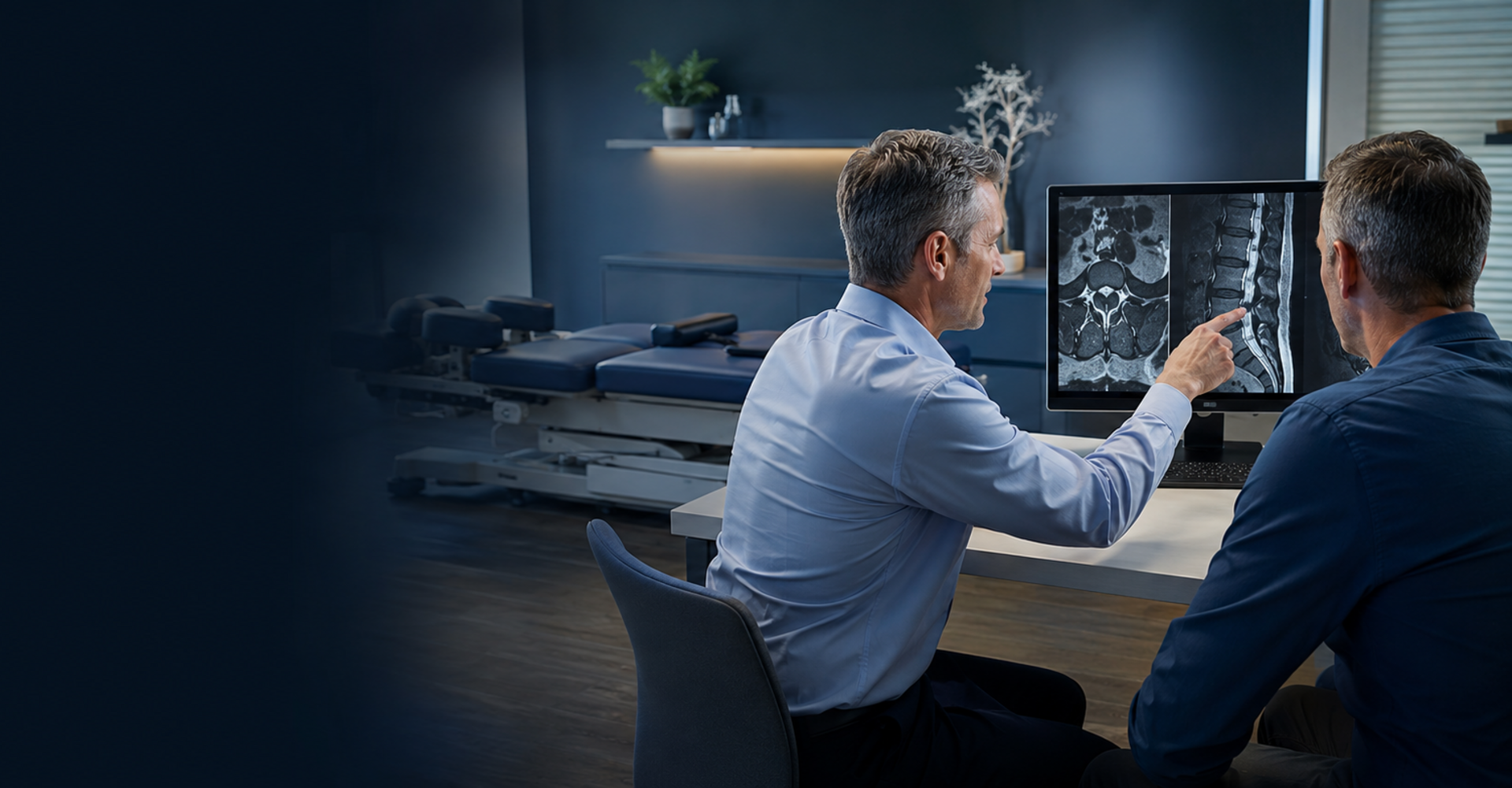
Cervical spinal stenosis: narrowing, nerve symptoms and treatment pathways
Cervical spinal stenosis is narrowing around the spinal cord or cervical nerve roots. Its importance depends on neurological findings, functional change and the relationship between symptoms and imaging.
Narrowing may be central, affecting the spinal canal, or foraminal, affecting the exit route of a nerve root. Degenerative discs, facet joints, ligaments and bone spurs can contribute. Some people have marked imaging findings without symptoms, while others develop arm pain, numbness, weakness or spinal-cord dysfunction.
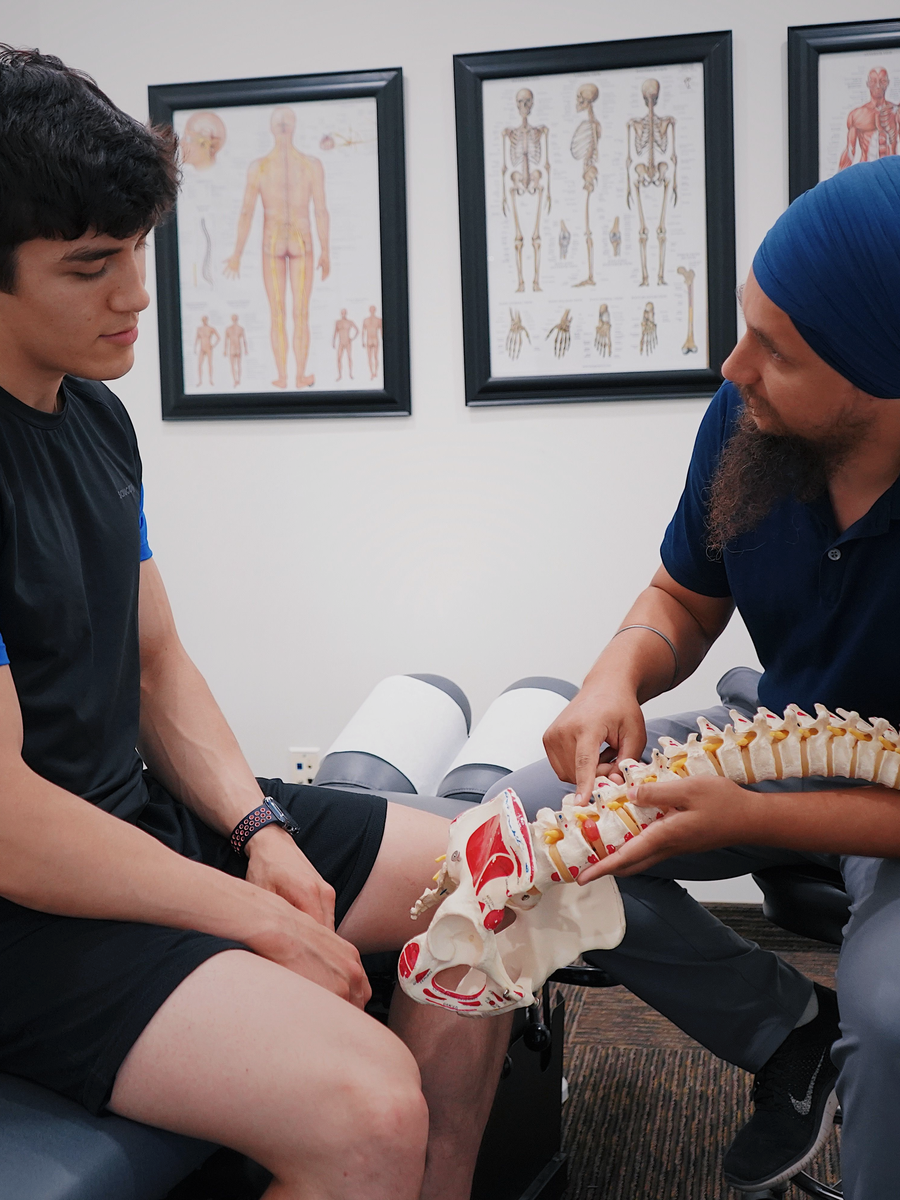
Assessment and differential diagnosis
Assessment reviews arm symptoms, hand function, gait, balance, reflexes, strength and sensory change. MRI is generally preferred when spinal-cord or nerve-root compromise is suspected. CT may add bone detail when MRI is contraindicated or surgical anatomy needs clarification.
| Clinical situation | Possible next step | Why it matters |
|---|---|---|
| Stable neck and arm symptoms | Conservative care and monitoring | Neurological function remains stable. |
| Persistent radicular pattern | MRI and targeted management may be considered | The result should be likely to change care. |
| Gait, dexterity or progressive weakness | Prompt specialist assessment | Possible myelopathy changes urgency. |
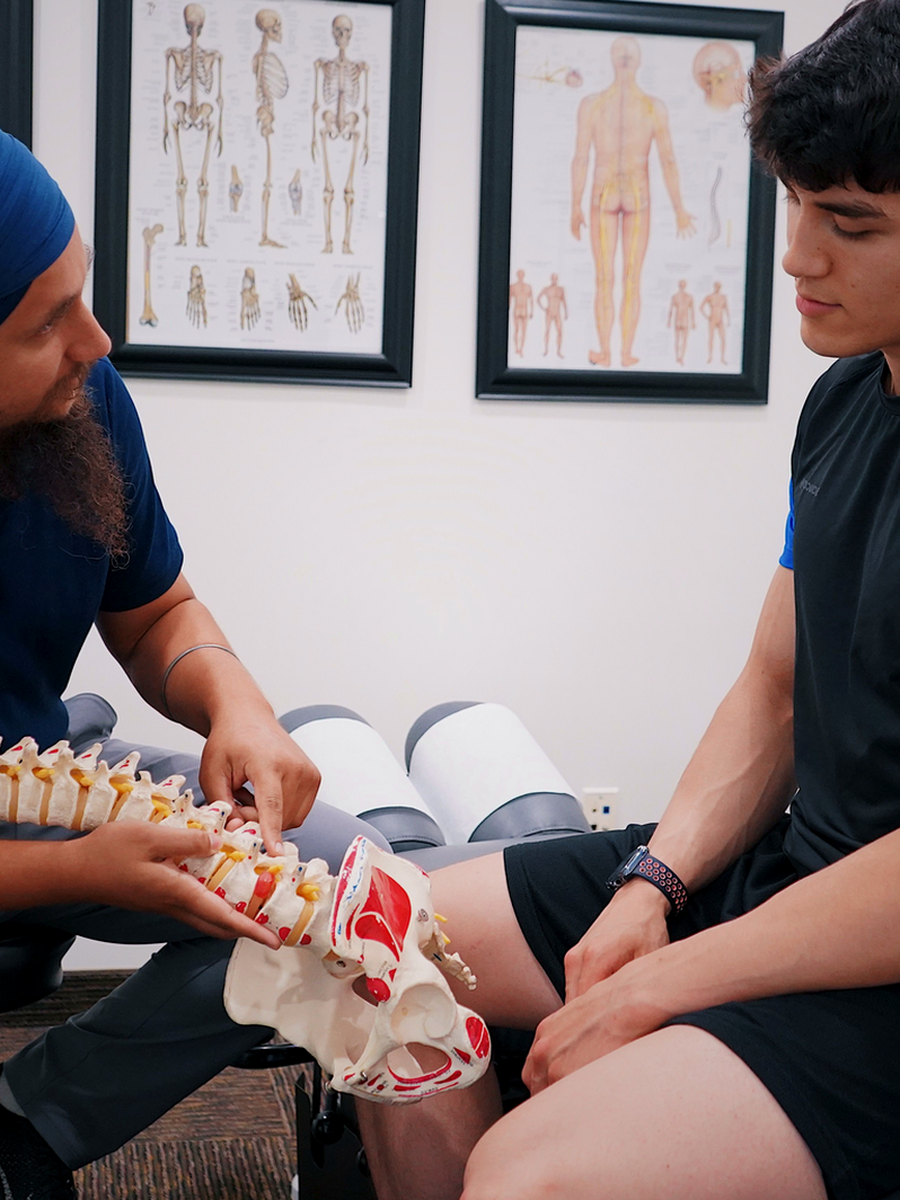
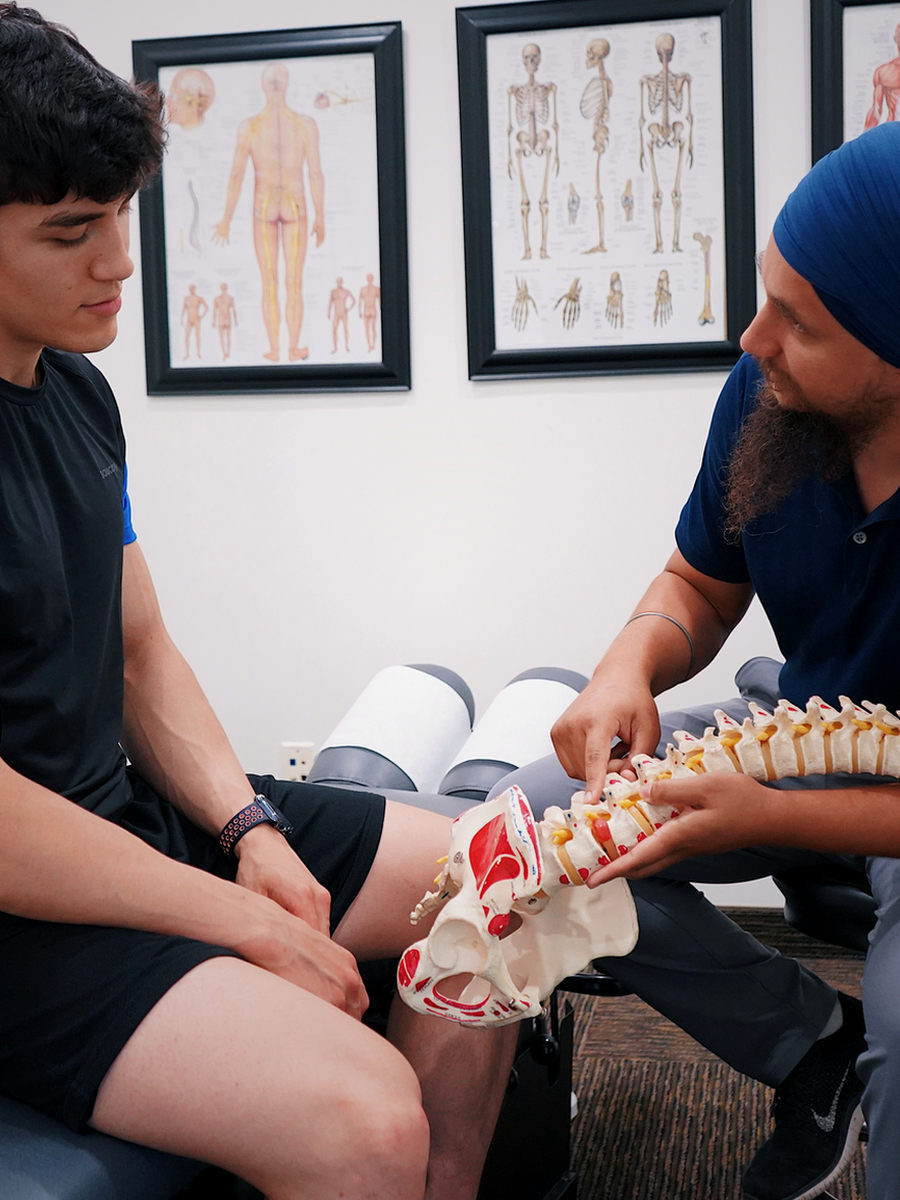
Treatment and management
Non-surgical care may include education, activity modification, exercise and symptom management when neurological findings remain stable. Injections may be discussed for selected radicular pain. Surgery may be considered when spinal-cord dysfunction, progressive weakness or severe concordant symptoms are present.
Questions for shared decision-making
Before choosing care, ask the provider to explain the working diagnosis, expected outcome, alternatives and review point.
What is the target?
Identify the structure, mechanism or functional problem being addressed.
What outcome matters?
Define measurable goals for pain, walking, sleep, work or daily activity.
What are the alternatives?
Compare active care, medication, procedures, technology and surgery when relevant.
When should the plan change?
Set criteria for stopping, modifying or escalating care.
Related guides
Cervical disc herniation
Neck pain and radiculopathy
Specialized external resources
These links lead to independent specialized websites and do not change the educational role of The Spine Page.
Clinique TAGMED
Clinical information about motorized spinal decompression and disc-related conditions.
SOS Sciatique
Focused guides about sciatica, nerve-root symptoms and warning signs.
Frequently asked questions
Does every cervical stenosis require treatment?
No. Treatment depends on symptoms and neurological function.
Can stenosis cause only arm symptoms?
Yes, especially when a foramen and nerve root are involved.
What is the difference between stenosis and myelopathy?
Stenosis describes narrowing; myelopathy describes spinal-cord dysfunction.
Is MRI always necessary?
It is often useful when cord or nerve-root compromise may change management.
Can exercise be used?
Yes when adapted and neurological findings are stable.
Can symptoms fluctuate?
Yes, but progressive weakness or gait change requires reassessment.
Can injections open the canal?
No. They may address selected inflammatory radicular symptoms.
When is surgery considered?
With myelopathy, progressive deficit or severe persistent concordant symptoms.
Does a bone spur always cause symptoms?
No.
Does The Spine Page diagnose cervical stenosis?
No. This page is educational.
Sources consulted
- American College of Radiology — Cervical Pain or Cervical Radiculopathy
- North American Spine Society — Cervical Radiculopathy Guideline
Last editorial review: July 2026. General educational information only.
Dr. Sylvain Desforges, B.Sc., D.O., N.D., osteopath — The Spine Page
Continue exploring spine health
Use the condition and treatment hubs to compare the next steps.
The Spine Page — The best treatments for your spinal problems — www.thespinepage.com