




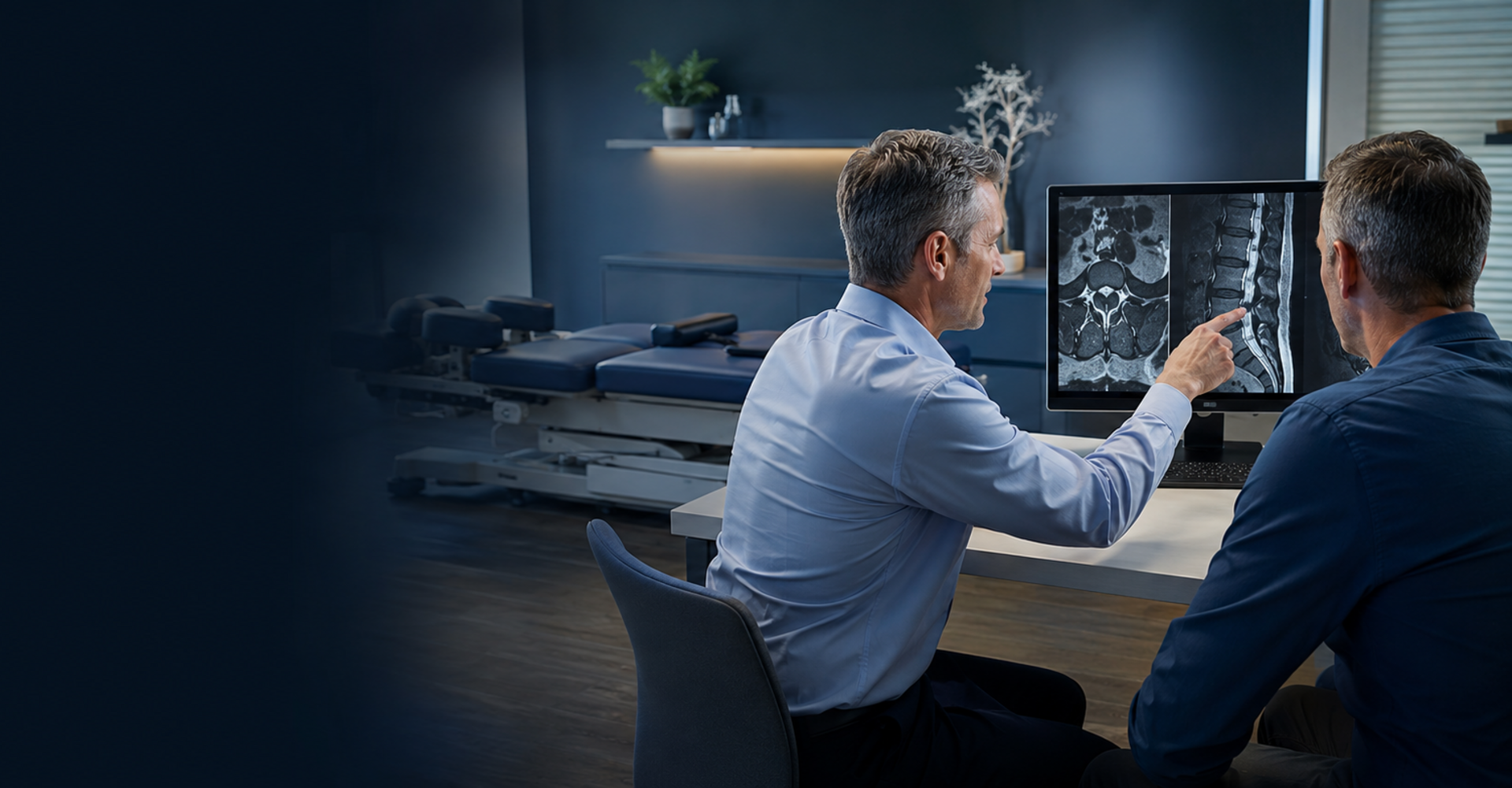
Vertebral compression fracture: sudden back pain, imaging and treatment
A vertebral compression fracture occurs when a vertebral body collapses, often because of osteoporosis, trauma or malignancy. Sudden pain after minor strain in a high-risk person deserves prompt assessment.
Compression fractures most often affect the thoracic or lumbar spine. Some are painful, while others are discovered incidentally. Multiple fractures can contribute to height loss, kyphosis, reduced mobility and future fracture risk.
Assessment and differential diagnosis
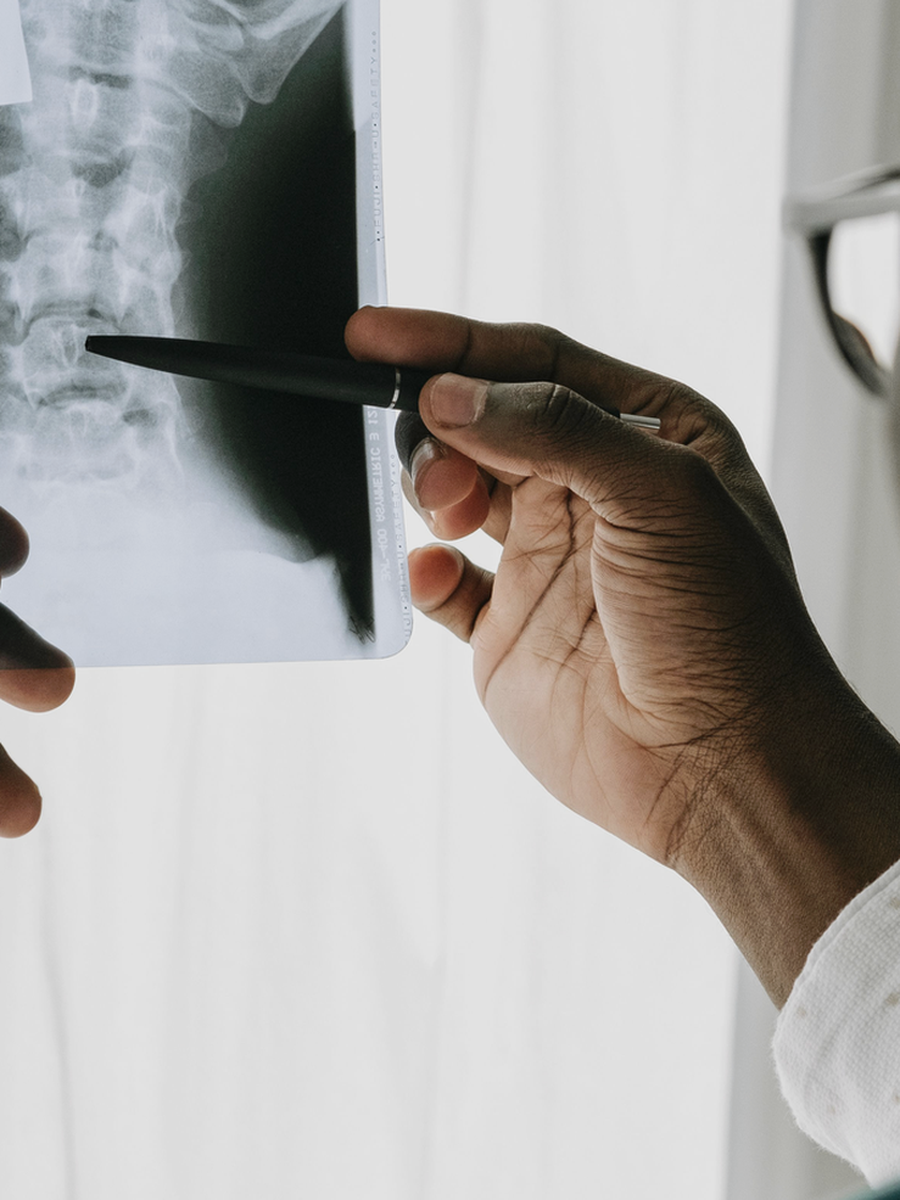
Evaluation reviews the onset, trauma, age, steroid exposure, osteoporosis, cancer history and neurological symptoms. Radiographs may identify a fracture. MRI helps estimate acuity and evaluate marrow or malignancy; CT characterizes bone and fracture morphology.
| Clinical situation | Possible next step | Why it matters |
|---|---|---|
| New painful fracture without neurological deficit | Analgesia, mobilization and osteoporosis management | Most are treated non-surgically. |
| Uncertain age or cancer concern | MRI and broader investigation | The cause changes treatment. |
| Neurological compromise or unstable fracture | Urgent specialist assessment | Stabilization or decompression may be needed. |

Treatment and management
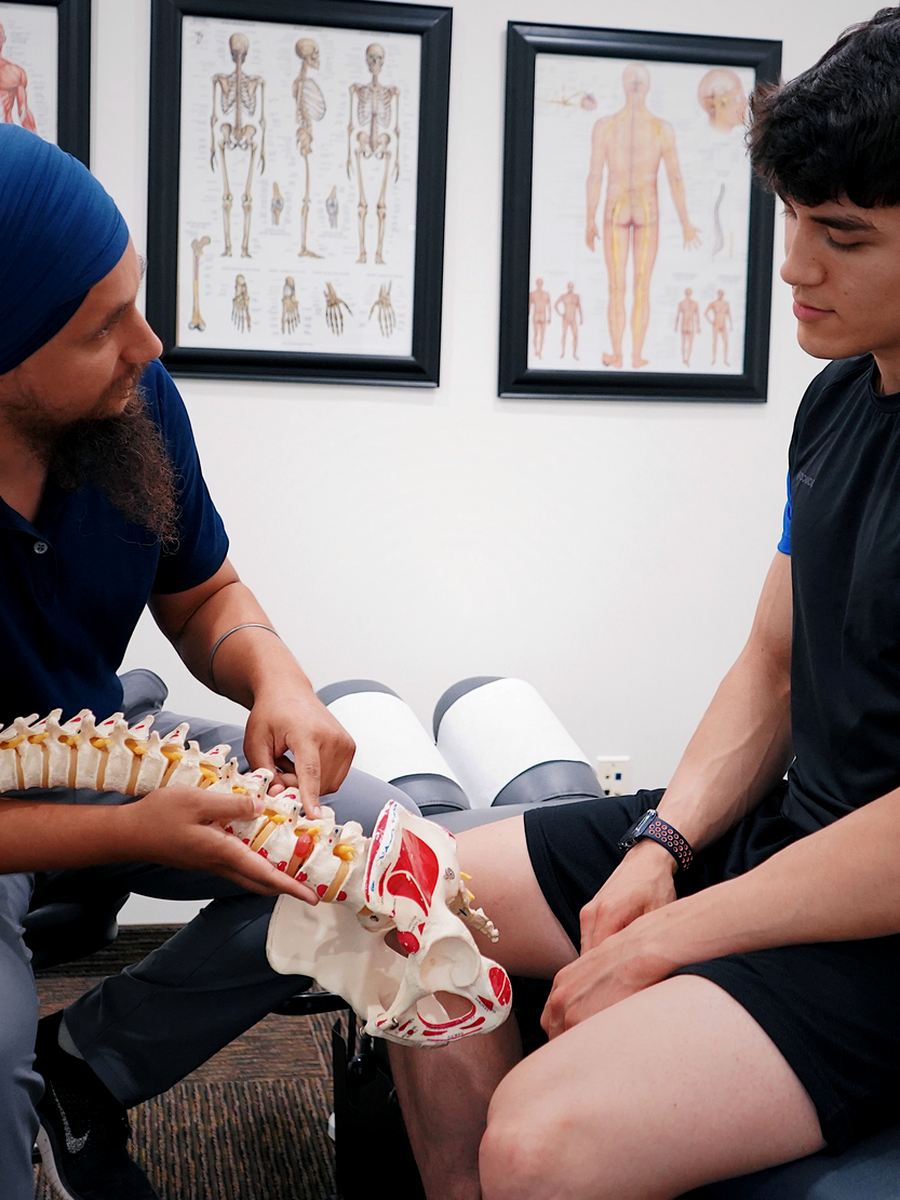
Treatment commonly includes pain control, early safe mobilization, fall prevention and osteoporosis assessment. Bracing may be used selectively. Vertebral augmentation is not routine for every fracture and requires careful review of pain, fracture acuity, function and alternatives.
Questions for shared decision-making
Before choosing care, ask the provider to explain the working diagnosis, expected outcome, alternatives and review point.
What is the target?
Identify the structure, mechanism or functional problem being addressed.
What outcome matters?
Define measurable goals for pain, walking, sleep, work or daily activity.
What are the alternatives?
Compare active care, medication, procedures, technology and surgery when relevant.
When should the plan change?
Set criteria for stopping, modifying or escalating care.

Related guides
Back pain warning signs
CT scan vs MRI
Specialized external resources
These links lead to independent specialized websites and do not change the educational role of The Spine Page.
Clinique TAGMED
Clinical information about motorized spinal decompression and disc-related conditions.
SOS Sciatique
Focused guides about sciatica, nerve-root symptoms and warning signs.
Frequently asked questions
Can a compression fracture occur without a major fall?
Yes, especially with osteoporosis.
Does every fracture cause pain?
No.
What imaging is used first?
Radiography is common, followed by MRI or CT when needed.
Can MRI show whether a fracture is recent?
It can help estimate acuity.
Is bed rest recommended?
Prolonged immobility is generally avoided because it has risks.
Is a brace always necessary?
No.
What is vertebral augmentation?
Procedures such as vertebroplasty or kyphoplasty intended to stabilize selected painful fractures.
Should osteoporosis be treated?
Yes, when present.
Can massage or manipulation be used over an acute fracture?
No; fracture safety must be established.
Does The Spine Page treat fractures?
No.
Sources consulted
- American College of Radiology — Management of Vertebral Compression Fractures
- WHO — Rehabilitation interventions for musculoskeletal conditions
Last editorial review: July 2026. General educational information only.
Dr. Sylvain Desforges, B.Sc., D.O., N.D., osteopath — The Spine Page
Continue exploring spine health
Use the condition and treatment hubs to compare the next steps.
The Spine Page — The best treatments for your spinal problems — www.thespinepage.com
Topic index: Vertebral and sacral fractures
Explore this topic cluster by search intent. Each link leads to a distinct guide directly related to the subject.