





Sciatica vs femoral nerve pain: understanding lumbar nerve pathways
Sciatica usually involves lower lumbar or sacral roots and travels behind or along the side of the leg. Femoral nerve pain or cruralgia more often involves upper lumbar roots and the front of the thigh.
The pathway offers clues but does not establish diagnosis. Hip disease, peripheral nerve injury, vascular disorders and muscular problems can imitate either pattern.
Assessment and decision points
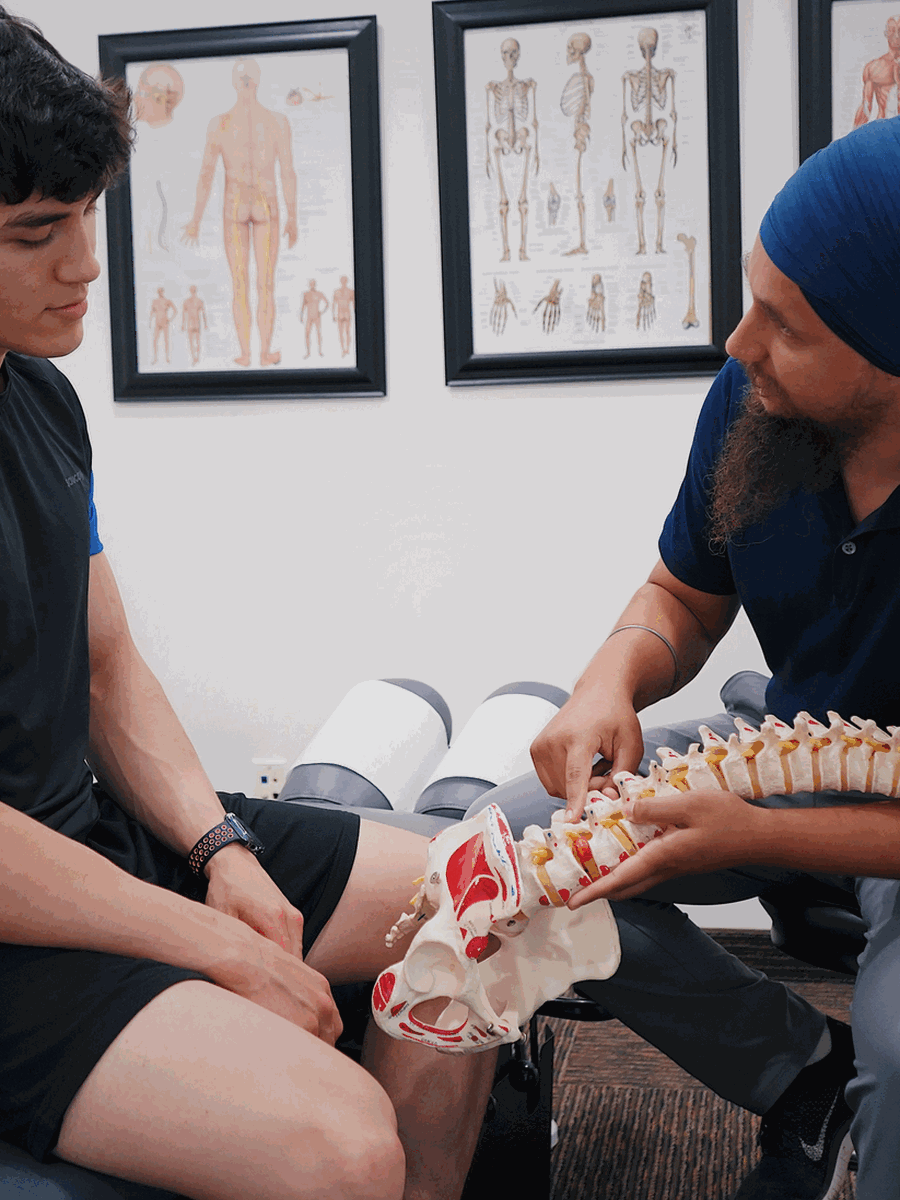
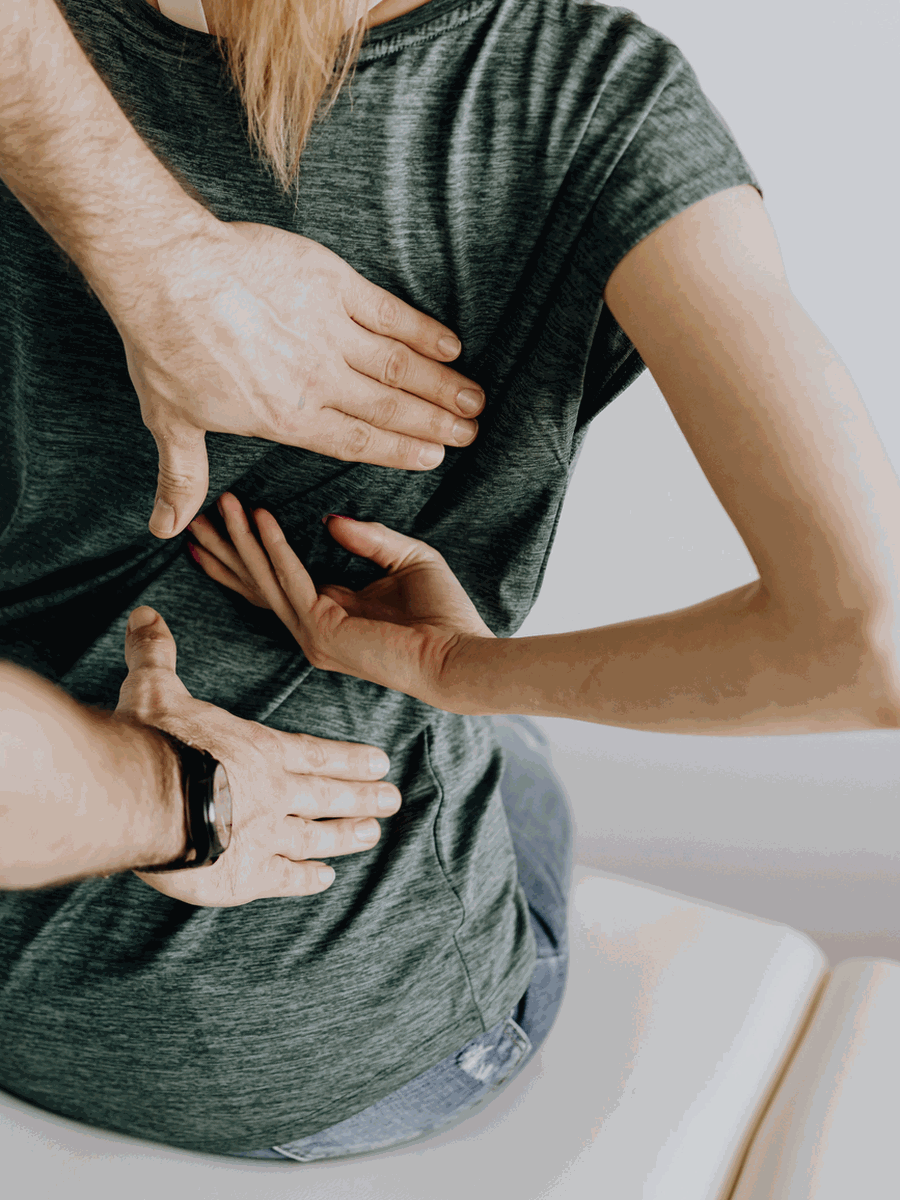
Examination compares lumbar movement, straight-leg raising, femoral nerve stretch, hip motion, strength, sensation and reflexes. Upper lumbar radiculopathy requires attention to quadriceps weakness and knee buckling.
| Clinical situation | Possible next step | Why it matters |
|---|---|---|
| Posterior leg pain to foot | Sciatica more likely | Assess L5-S1. |
| Anterior thigh or knee pain | Femoral or upper lumbar pattern possible | Assess L2-L4 and hip causes. |
| Progressive weakness | Prompt assessment | Motor loss changes urgency. |
Management and treatment choices
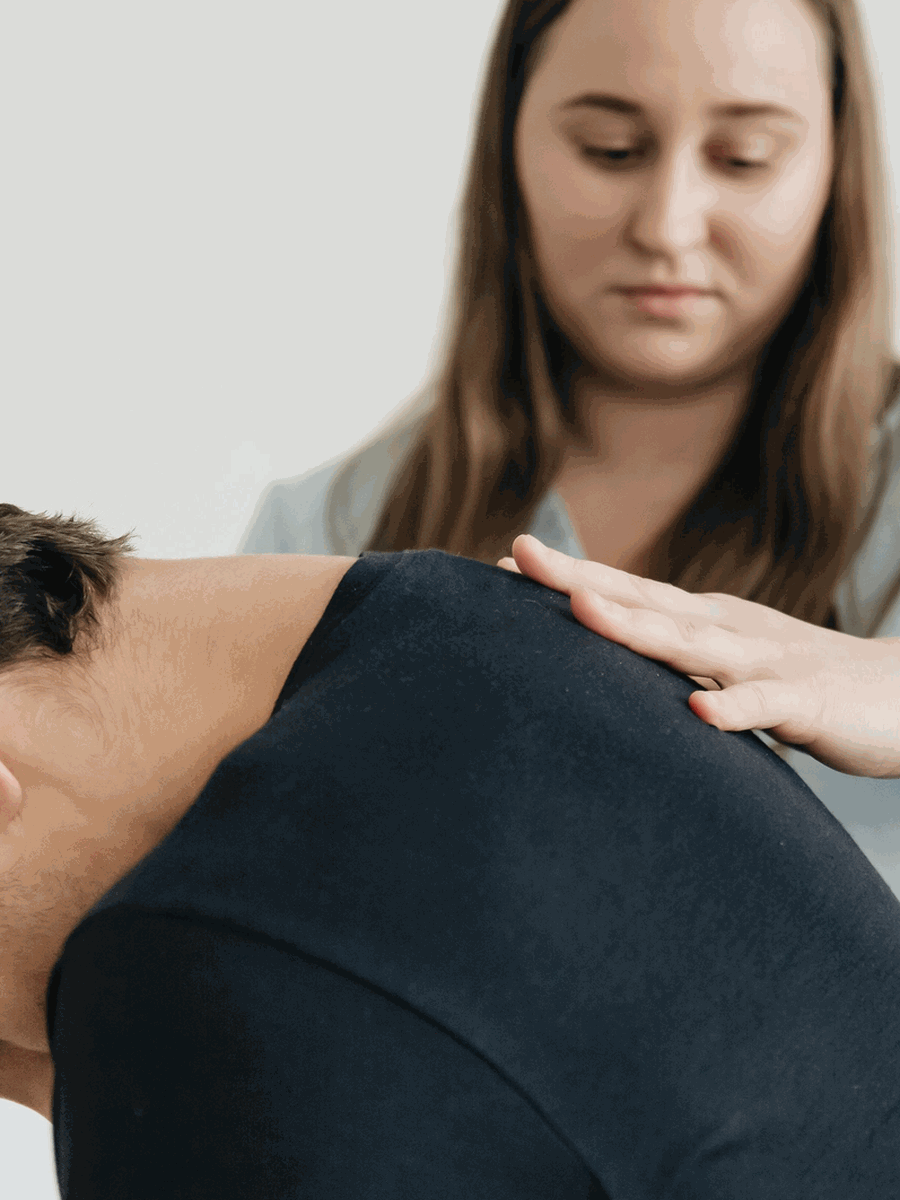
Stable presentations may use education, tolerable activity, exercise and symptom control. Progressive quadriceps, ankle or foot weakness requires reassessment rather than routine stretching.
Questions before choosing care
What is the working diagnosis?
Ask which findings support it.
What outcome is realistic?
Define measurable change.
What are the alternatives?
Compare active care, technology, procedures and surgery.
When will the plan be reviewed?
Set criteria for continuation or escalation.
Relevant external resources
Some resources may share ownership or editorial direction; this relationship is disclosed.
Frequently asked questions
Is femoral pain a type of sciatica?
No.
Can cruralgia reach the knee?
Yes.
Can sciatica affect the front of the thigh?
Typical sciatica usually does not.
What is the femoral stretch test?
A maneuver that tensions upper lumbar roots and the femoral nerve.
Can hip arthritis imitate cruralgia?
Yes.
Which weakness suggests femoral involvement?
Quadriceps or hip-flexor weakness.
Which weakness suggests L5?
Difficulty lifting the foot or great toe.
Is MRI always needed?
No.
Can both coexist?
Yes.
Does The Spine Page diagnose nerve pain?
No.
Sources consulted
Last editorial review: July 2026. General educational information only.
Dr. Sylvain Desforges, B.Sc., D.O., N.D., osteopath — The Spine Page
Continue exploring spinal health
Use the condition and treatment hubs to compare related guides.
The Spine Page — The best treatments for your spinal problems — www.thespinepage.com