




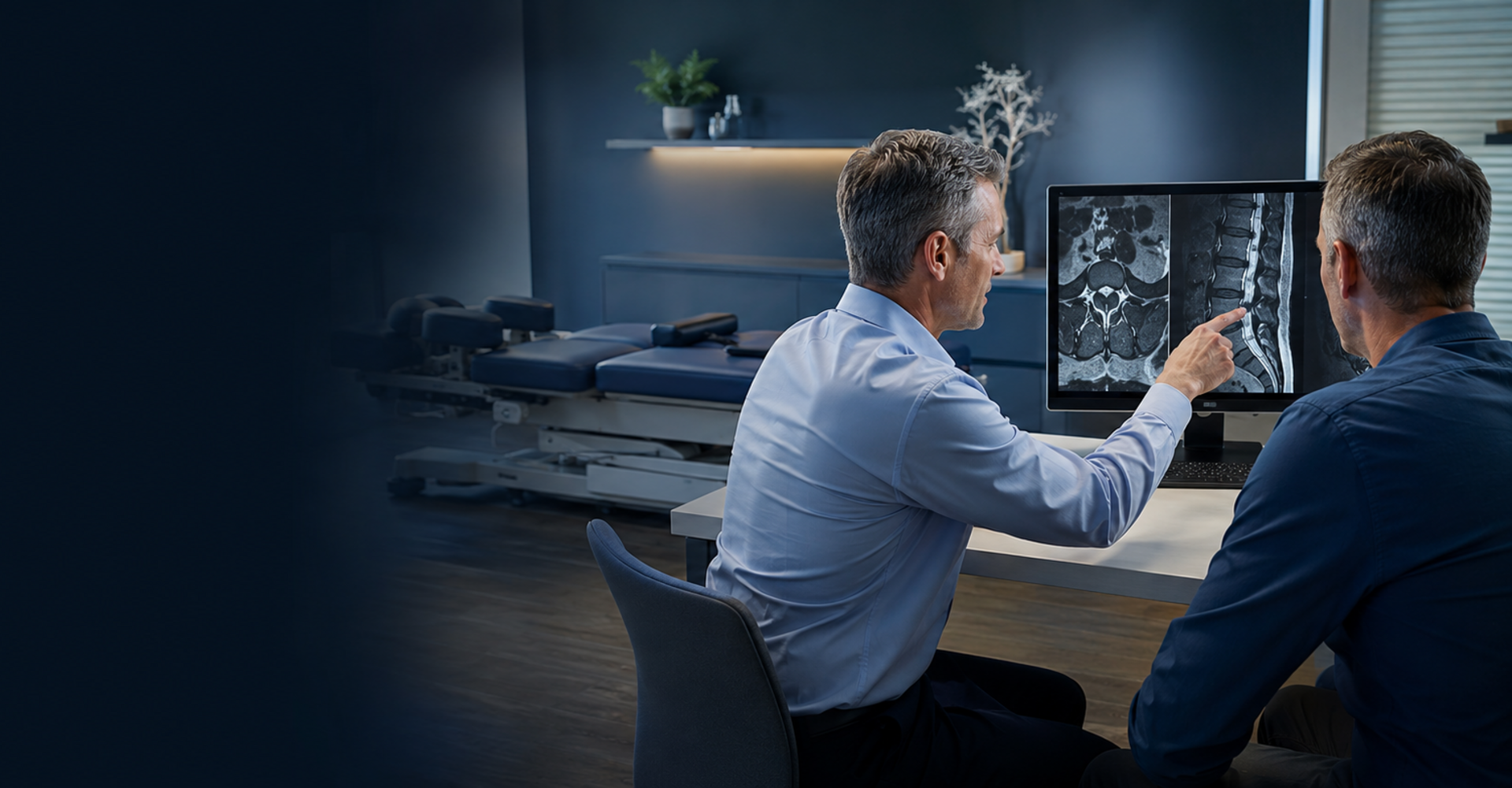
Sciatica after surgery: persistent pain, recurrent disc or another cause?
Leg pain after lumbar surgery may reflect early recovery, recurrent disc herniation, residual compression, scar tissue, instability, another level or a non-spinal cause. Timing and neurological findings guide investigation.
Immediate postoperative discomfort differs from pain that returns after a symptom-free interval. Recurrent herniation is only one possibility; infection, hematoma and nerve injury must be considered when appropriate.
Assessment and decision points
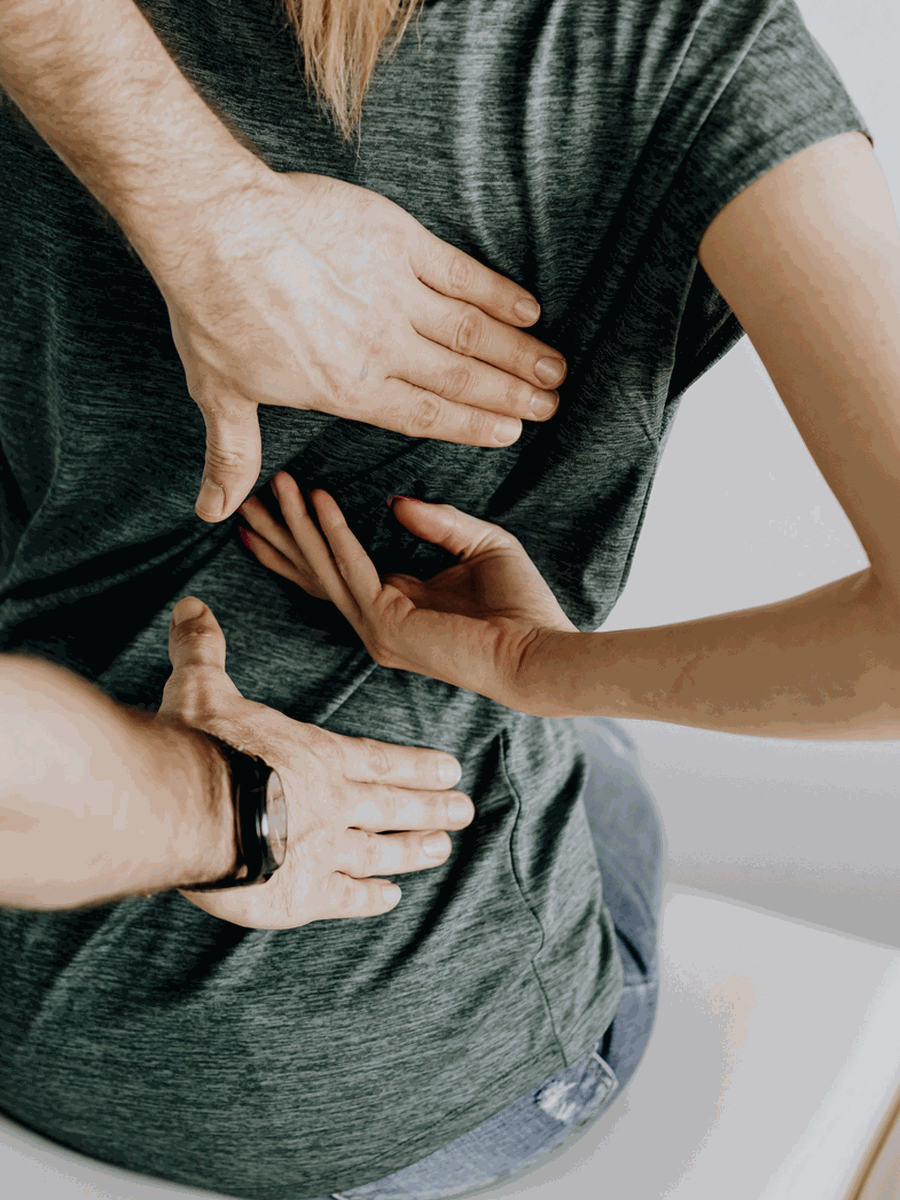
Assessment reviews the procedure, level, symptom-free interval, wound, fever, neurological function and pain distribution. Contrast MRI may help distinguish recurrent disc from scar in selected cases.
| Clinical situation | Possible next step | Why it matters |
|---|---|---|
| Expected early soreness | Monitor recovery and wound | Symptoms should improve. |
| Pain returns after symptom-free interval | Evaluate recurrence | Imaging may change the next step. |
| Fever or rapid deficit | Urgent surgical assessment | Infection or compression must be excluded. |

Management and treatment choices
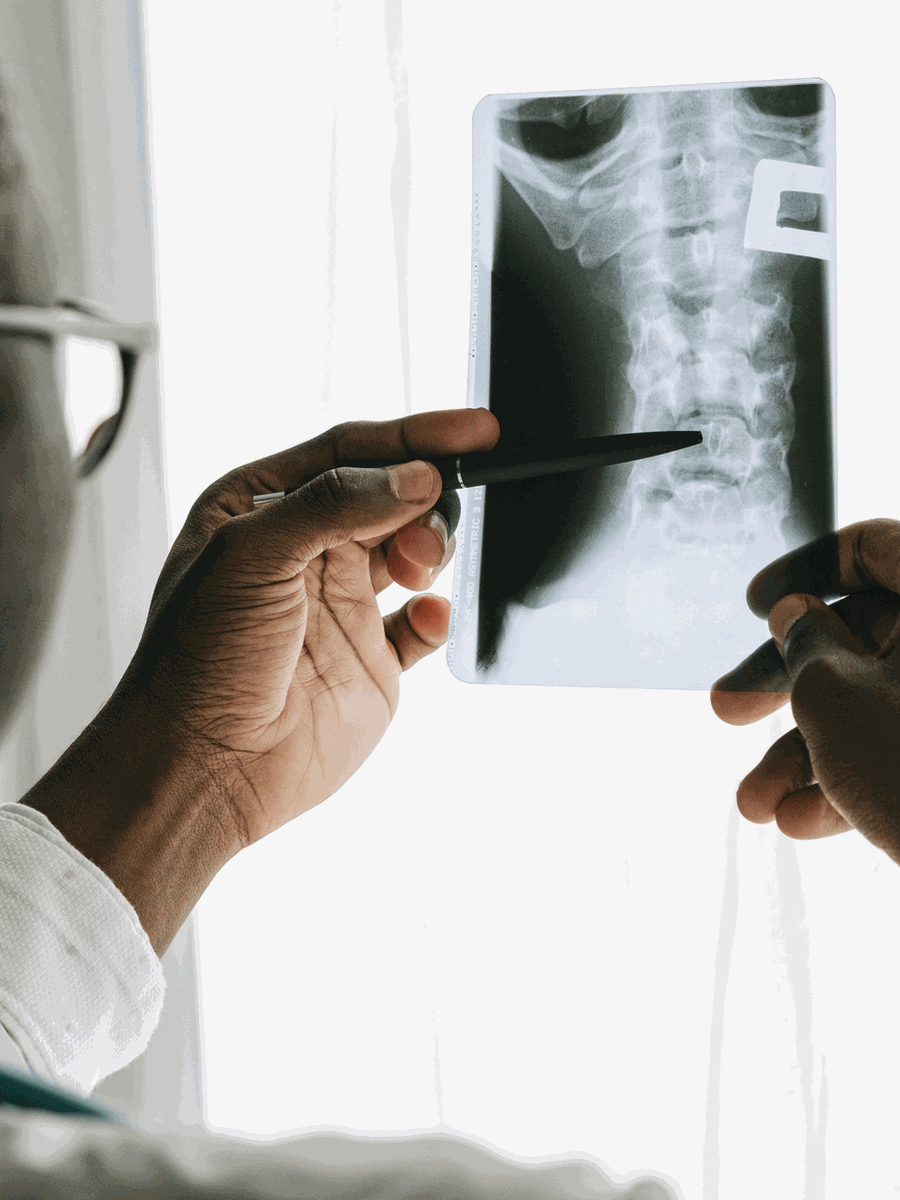
Stable recurrent symptoms may use medication, activity progression, rehabilitation or selected injections. Revision discectomy, endoscopic revision or fusion may be discussed when recurrent compression, instability or severe functional loss is confirmed.
Questions before choosing care
What is the working diagnosis?
Ask which findings support it.
What outcome is realistic?
Define measurable change.
What are the alternatives?
Compare active care, technology, procedures and surgery.
When will the plan be reviewed?
Set criteria for continuation or escalation.
Relevant external resources
Some resources may share ownership or editorial direction; this relationship is disclosed.
Frequently asked questions
Is pain after surgery always recurrence?
No.
How soon can recurrence occur?
Timing varies.
Can scar tissue cause pain?
It may coexist with symptoms.
Why use contrast MRI?
It may distinguish scar from recurrent disc.
Can conservative care be tried?
Yes when findings are stable.
When is revision surgery considered?
With recurrent compression or progressive deficit.
Is fusion always required?
No.
Can endoscopic revision be used?
Sometimes.
Can decompression be used after surgery?
Only after surgical review and screening.
Does The Spine Page manage complications?
No.
Sources consulted
- Rucker et al. — Recurrent herniation review
- Ravikumar et al. — Endoscopic revision
- Jannelli et al. — Fusion in recurrence
Last editorial review: July 2026. General educational information only.
Dr. Sylvain Desforges, B.Sc., D.O., N.D., osteopath — The Spine Page
Continue exploring spinal health
Use the condition and treatment hubs to compare related guides.
The Spine Page — The best treatments for your spinal problems — www.thespinepage.com