




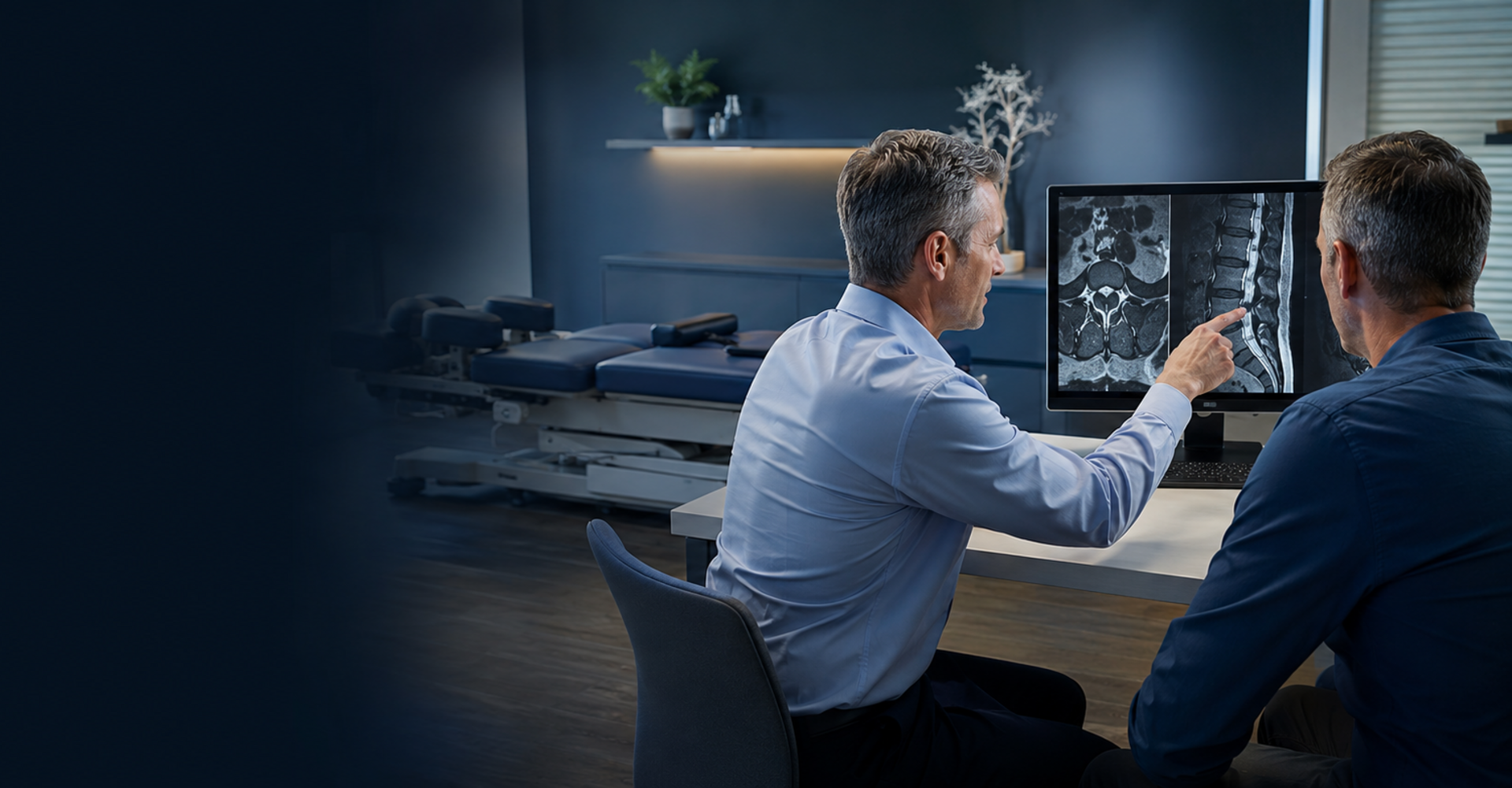
Return to sport after a herniated disc or sciatica: criteria and progression
Return to sport should be based on symptoms, neurological function, strength, movement capacity and sport-specific tolerance—not only elapsed time or MRI appearance.
Athletes may return after conservative care or discectomy. Progression depends on contact, speed, rotation, lifting and fatigue. Pain-free daily life does not automatically equal readiness for competition.
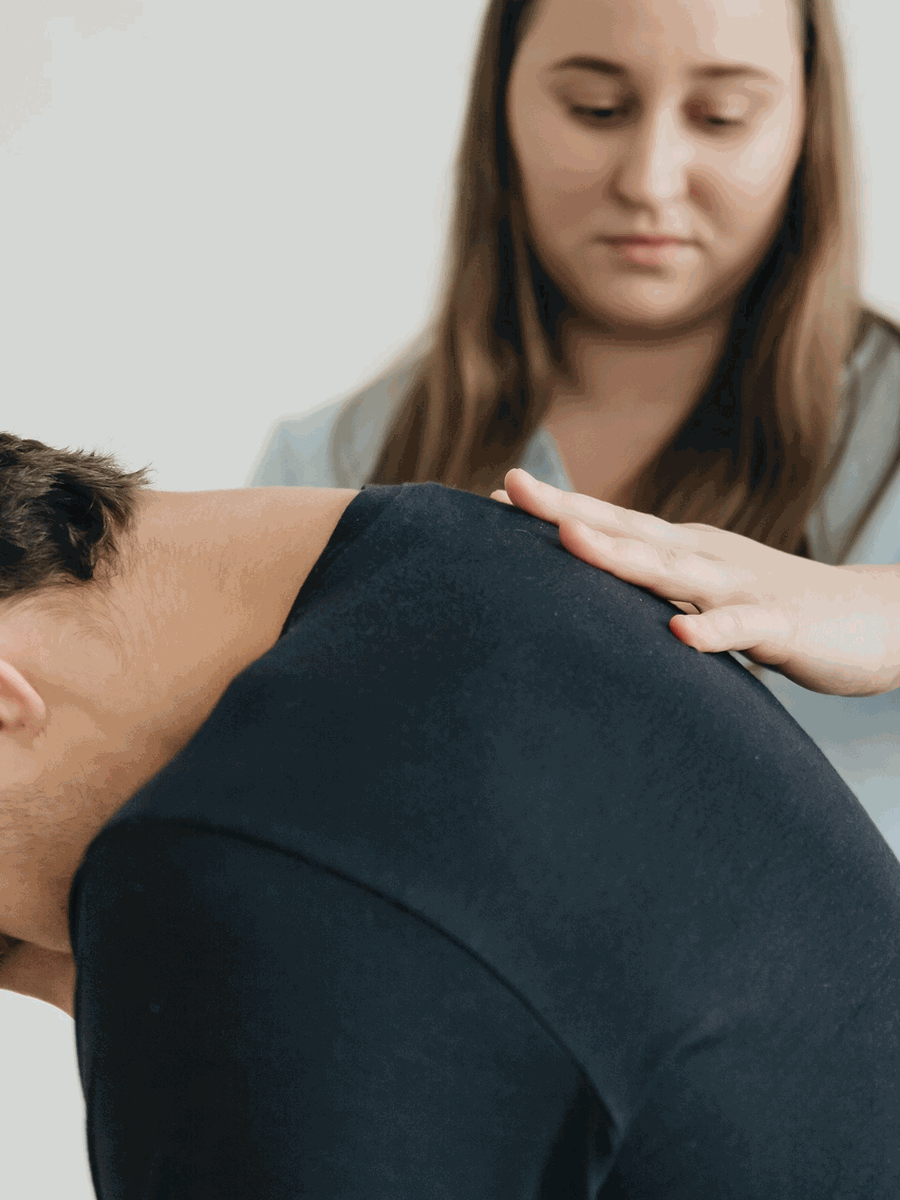
Assessment and decision points
Assessment may include repeated movement, trunk and limb strength, endurance, balance, direction change, lifting mechanics and sport-specific drills. No single universally validated spinal clearance test exists.
| Clinical situation | Possible next step | Why it matters |
|---|---|---|
| Daily activity tolerated | Begin controlled practice | Low-load function is insufficient alone. |
| Training tolerated | Progress volume and intensity | Observe next-day response. |
| New weakness or distal pain | Stop and reassess | Neurological safety is priority. |
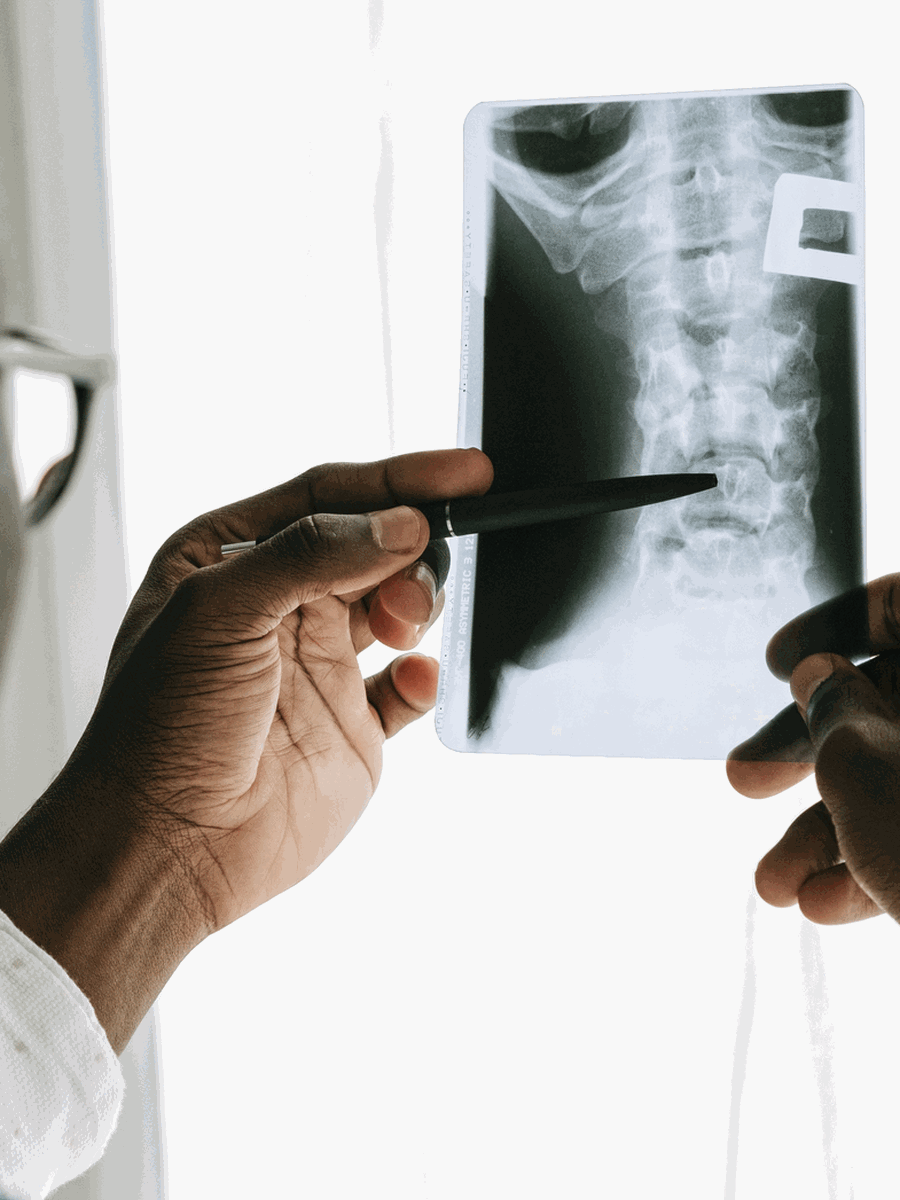
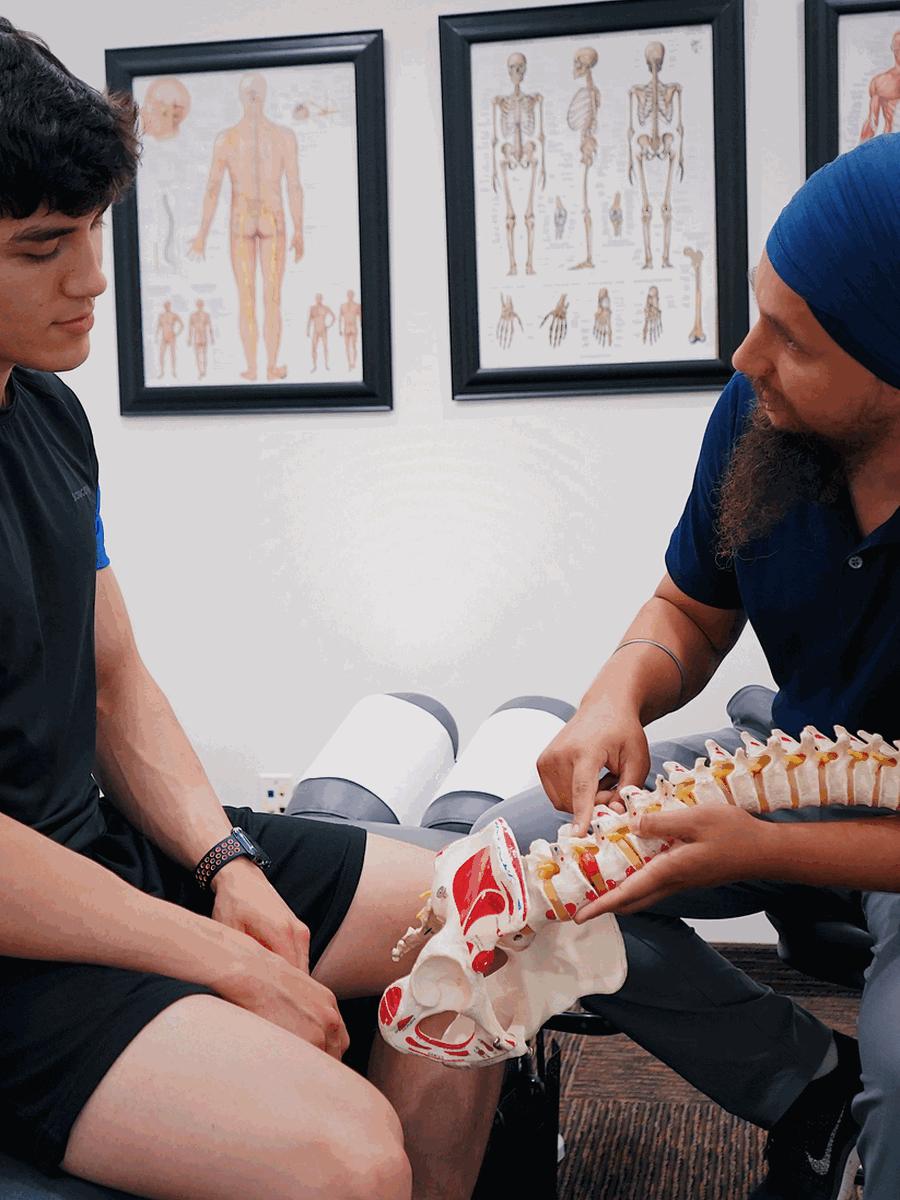
Management and treatment choices
Rehabilitation should restore general conditioning and sport-specific capacity. Training progresses from low-load technique toward speed, resistance, fatigue and contact when relevant.
Questions before choosing care
What is the working diagnosis?
Ask which findings support it.
What outcome is realistic?
Define measurable change.
What are the alternatives?
Compare active care, technology, procedures and surgery.
When will the plan be reviewed?
Set criteria for continuation or escalation.
Relevant external resources
Some resources may share ownership or editorial direction; this relationship is disclosed.
Frequently asked questions
How long does return take?
It varies.
Is MRI normalization required?
No.
Can athletes return after conservative care?
Yes.
Can athletes return after discectomy?
Yes.
Which treatment is faster?
Some reviews report faster average return after conservative care.
Must pain be absent?
Not always.
Can lifting resume?
Yes through graded progression.
What if symptoms return next day?
Reduce load and reassess.
Are contact sports different?
Yes.
Does The Spine Page clear athletes?
No.
Sources consulted
- Al-Saadi et Veihelmann — Return to sport review
- Sedrak et al. — Elite athletes meta-analysis
- Cochrane — Stay active versus bed rest
Last editorial review: July 2026. General educational information only.
Dr. Sylvain Desforges, B.Sc., D.O., N.D., osteopath — The Spine Page
Continue exploring spinal health
Use the condition and treatment hubs to compare related guides.
The Spine Page — The best treatments for your spinal problems — www.thespinepage.com