




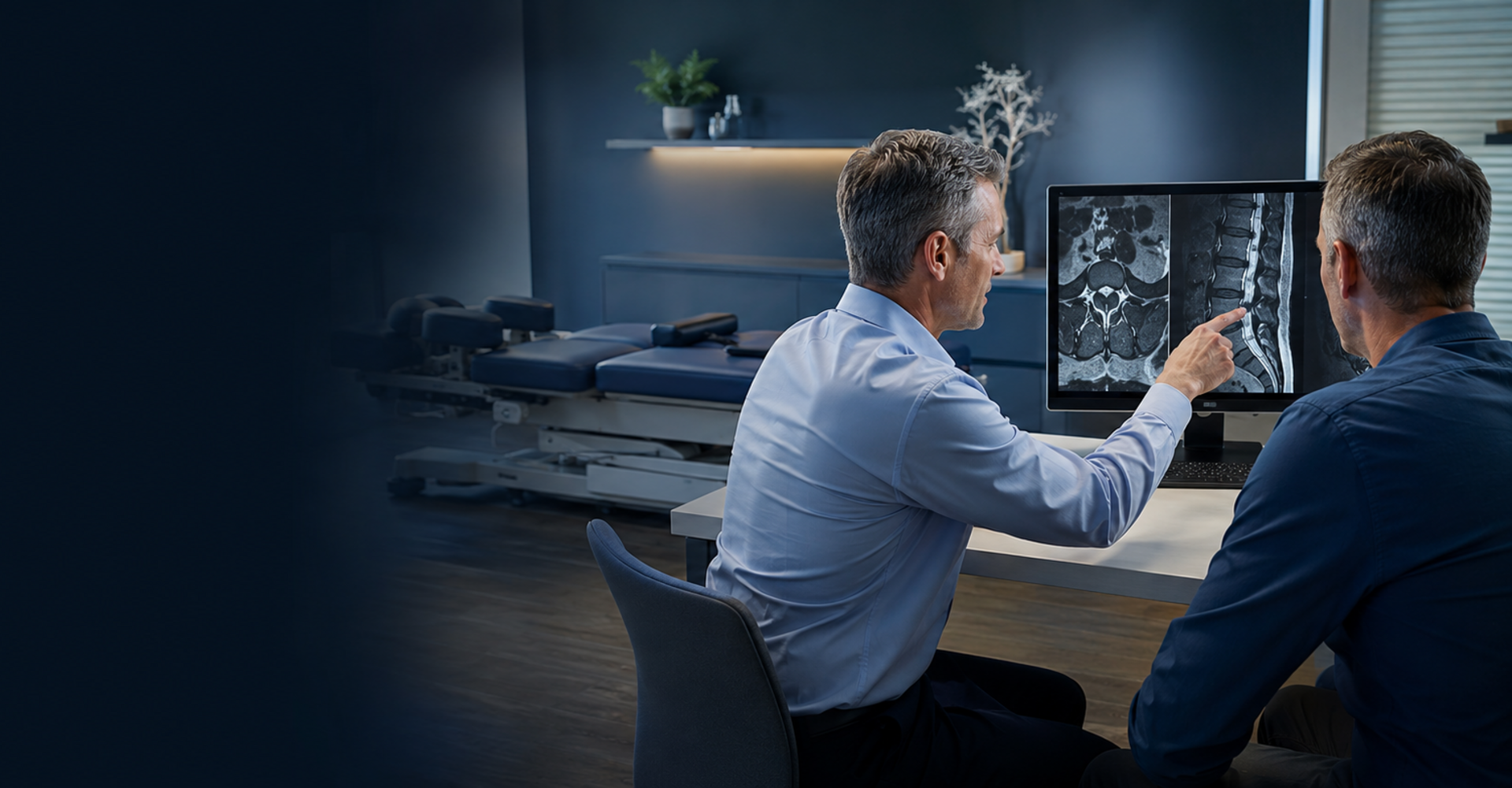
Lumbar vs cervical herniated disc: symptoms, risks and treatment differences
Lumbar and cervical disc herniations share a disc mechanism but affect different nerve roots, functions and neurological risks. The region changes the symptom pattern, examination and urgency.
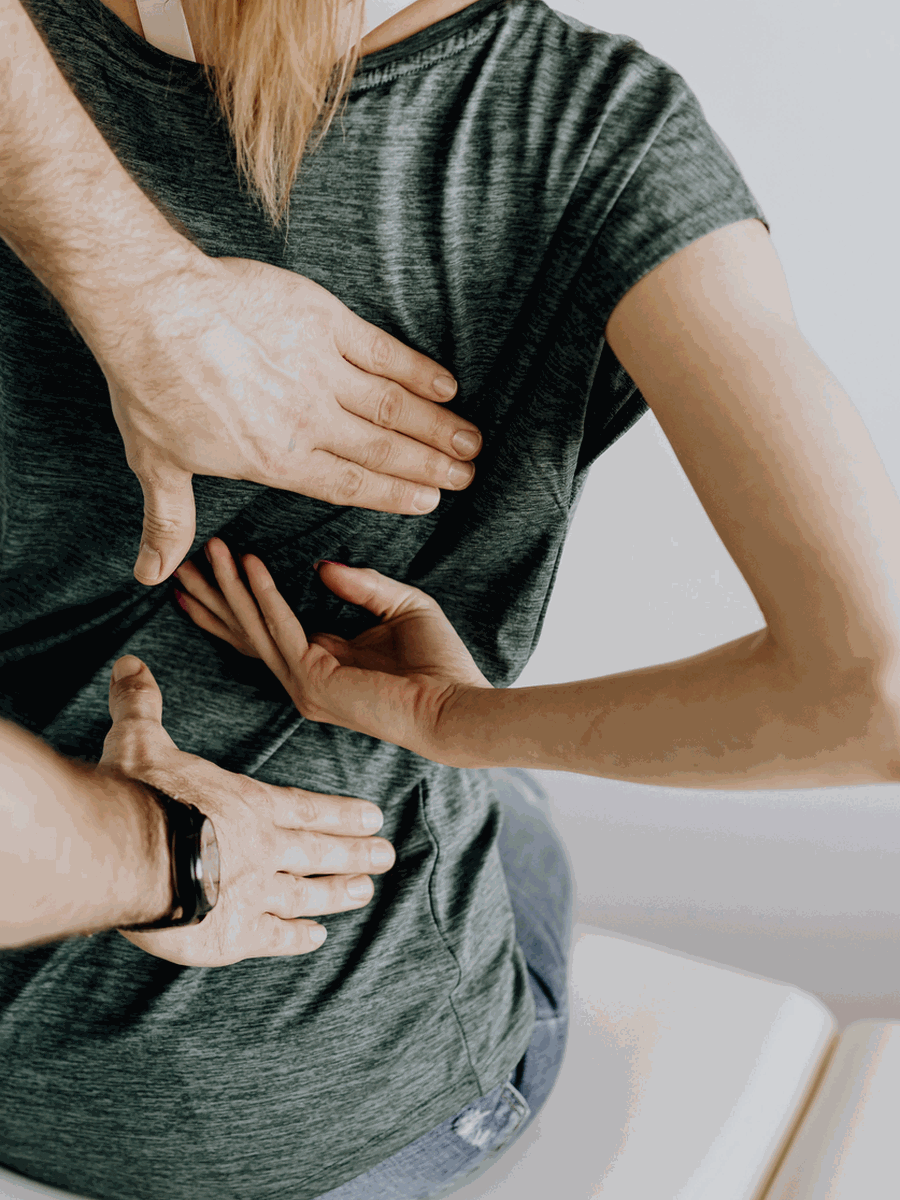
Lumbar herniation often produces low-back pain, sciatica or leg weakness. Cervical herniation may produce neck, shoulder, arm or hand symptoms. Central cervical compression may also affect the spinal cord.
Assessment and decision points
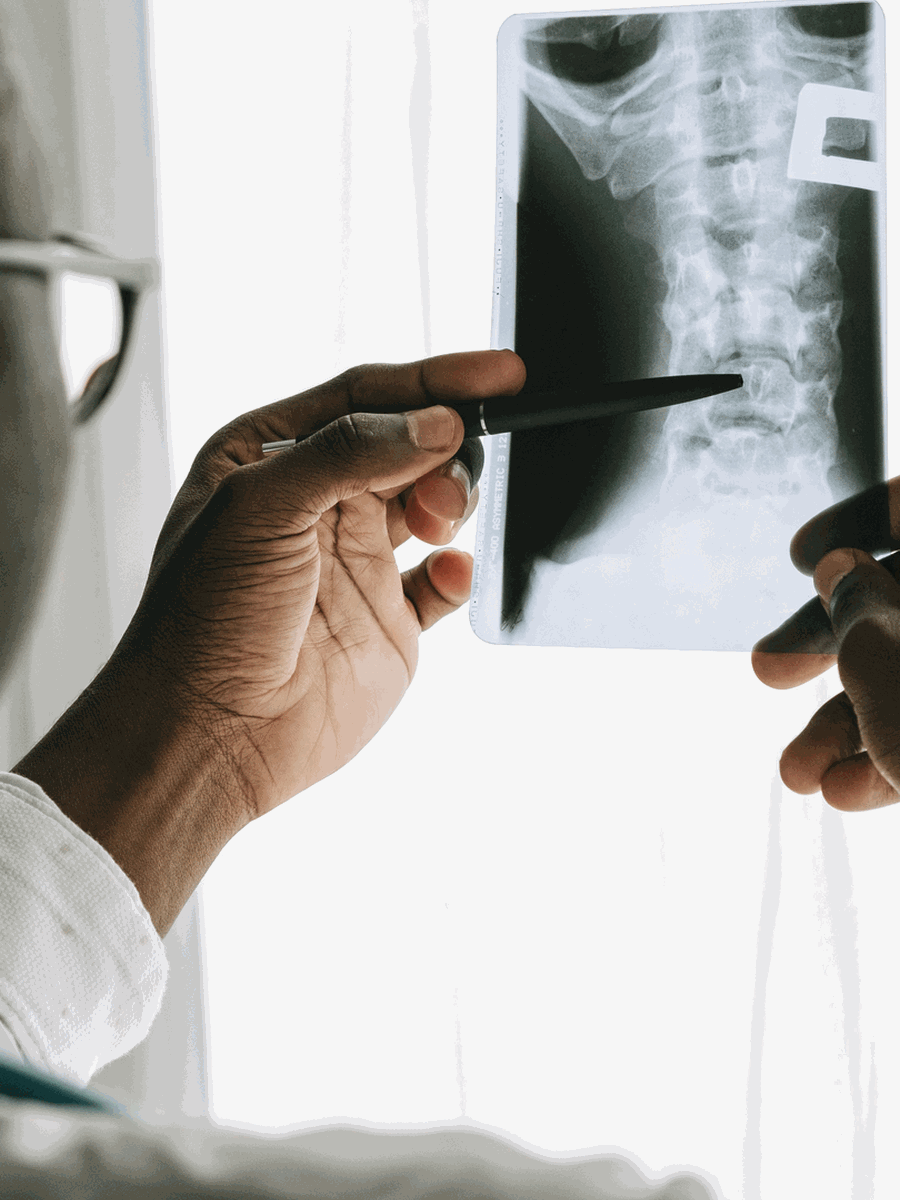
Lumbar assessment emphasizes leg strength, sensation, reflexes, straight-leg raising and gait. Cervical assessment adds arm testing, hand dexterity, upper motor-neuron signs and balance. MRI is used when persistent symptoms, progressive deficits or intervention planning make it relevant.
| Clinical situation | Possible next step | Why it matters |
|---|---|---|
| Lumbar herniation | Sciatica or leg weakness | Monitor cauda equina and motor changes. |
| Cervical herniation | Arm pain or hand weakness | Monitor myelopathy and dexterity. |
| Stable uncomplicated symptoms | Conservative care first | Many presentations improve without surgery. |

Management and treatment choices
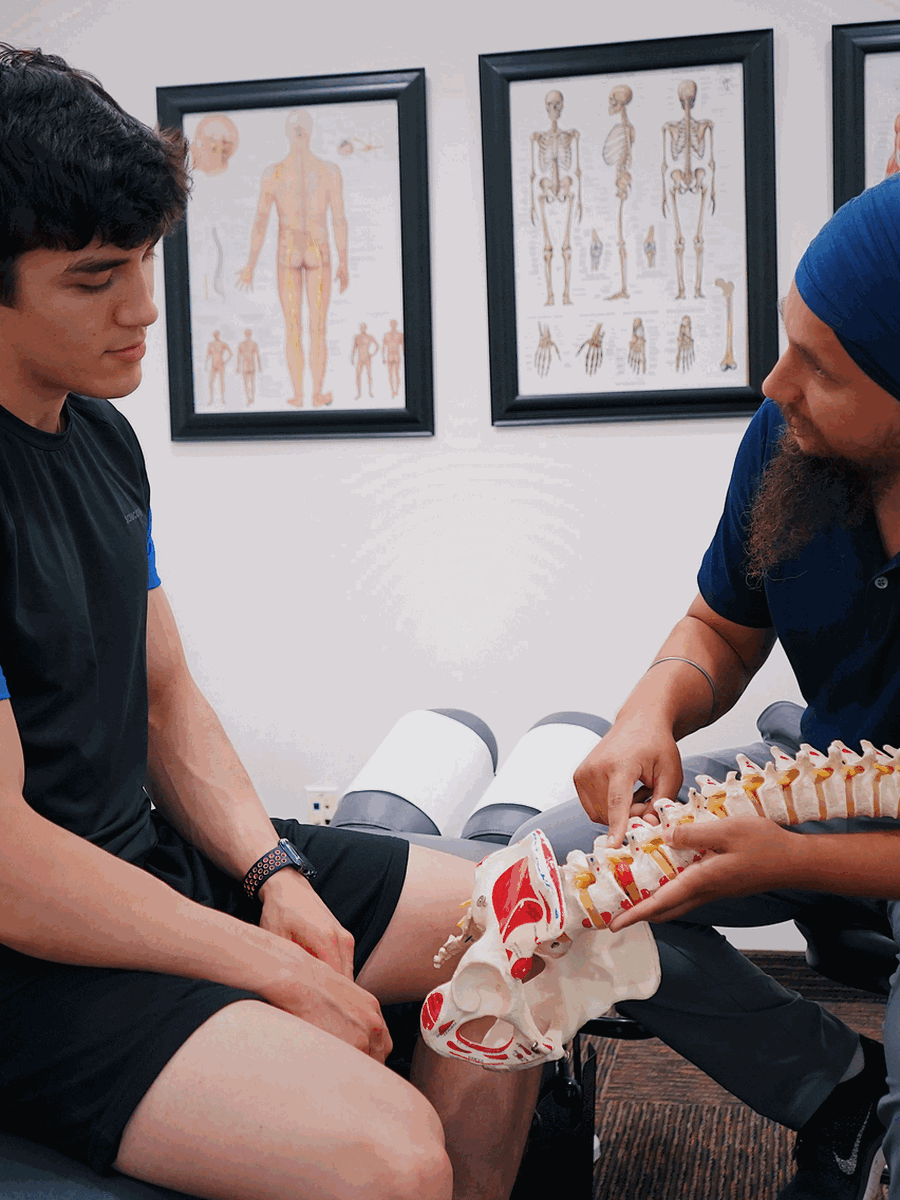
Both regions may begin with education, activity modification and rehabilitation when neurological findings remain stable. Surgery becomes more urgent with major or progressive weakness, cauda equina syndrome or cervical myelopathy.
Questions before choosing care
What is the working diagnosis?
Ask which findings support it.
What outcome is realistic?
Define measurable change.
What are the alternatives?
Compare active care, technology, procedures and surgery.
When will the plan be reviewed?
Set criteria for continuation or escalation.
Relevant external resources
Some resources may share ownership or editorial direction; this relationship is disclosed.
Frequently asked questions
Which region is more dangerous?
Risk depends on neurological involvement.
Can both occur together?
Yes.
Can cervical herniation affect walking?
Yes, when the cord is involved.
Does lumbar herniation always cause sciatica?
No.
Can lumbar herniation affect the bladder?
Rarely, in cauda equina syndrome.
Is MRI used for both?
Yes when it changes management.
Can both improve without surgery?
Many cases can.
Are exercises identical?
No.
Is decompression used in both regions?
Some clinics use region-specific protocols after screening.
Does The Spine Page diagnose either condition?
No.
Sources consulted
- ACR — Cervical Pain or Cervical Radiculopathy
- NASS — Lumbar Disc Herniation with Radiculopathy
- AANS — Herniated Disc
Last editorial review: July 2026. General educational information only.
Dr. Sylvain Desforges, B.Sc., D.O., N.D., osteopath — The Spine Page
Continue exploring spinal health
Use the condition and treatment hubs to compare related guides.
The Spine Page — The best treatments for your spinal problems — www.thespinepage.com