

Hands-on techniques applied to joints or soft tissues and integrated into care as appropriate.
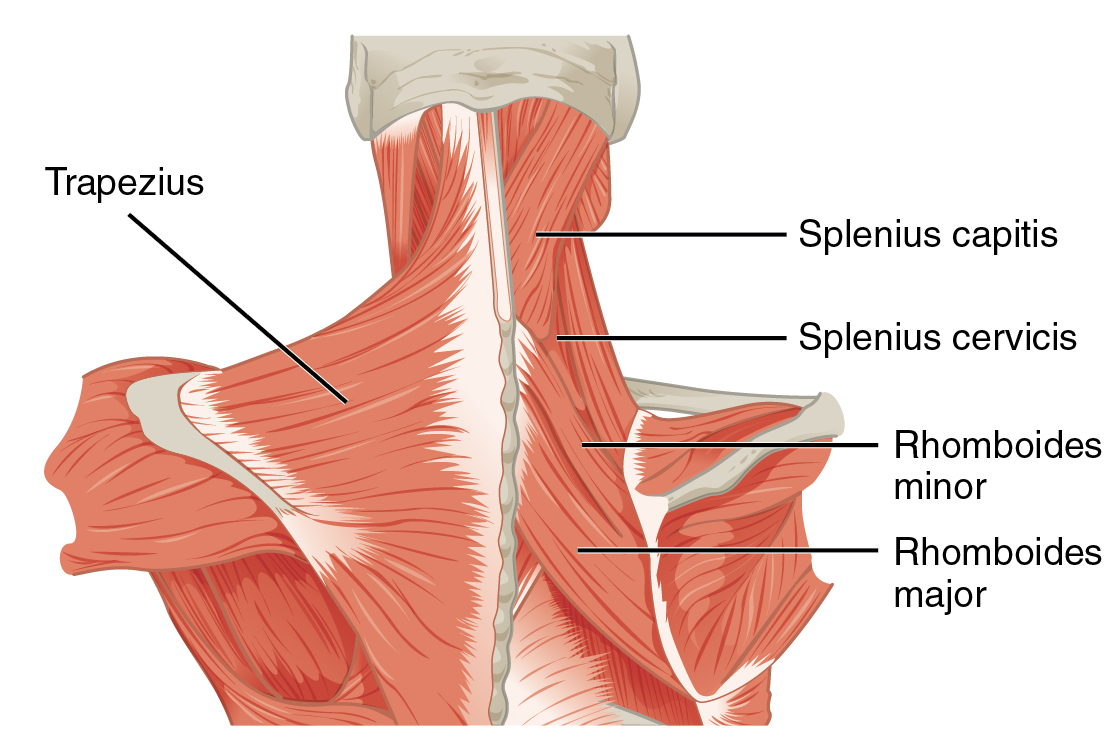
OpenStax College — CC BY 3.0. Image source.

Understanding the approach
Manual therapy includes joint mobilization, manipulation and soft-tissue techniques. These interventions primarily aim to influence pain, movement and confidence in activity. A response to treatment does not establish that a vertebra was put back into place or that a damaged disc was repaired.
Indications and assessment
Selection begins with a functional problem: turning the head, rising from a chair, walking or returning to an activity. History and examination also assess weakness, altered sensation and fracture history. A painful restriction does not automatically identify a single tissue as the source.
Benefits, limitations and precautions
Average benefits for some spinal pain conditions are modest and variable. Temporary soreness can occur. Suspected fracture, infection, substantial bone fragility or a progressive neurological deficit requires reconsidering treatment. Consent should cover the particular technique and reasonable alternatives, especially when treating the neck.
Place in the care pathway
At TAGMED, manual care may complement an individualized plan when supported by assessment. It does not automatically justify decompression, laser or shockwave treatment. Gradually increasing activity and developing self-management remain meaningful goals within the care pathway.
Goals should be practical: walking farther, returning to a chosen activity or reducing symptoms that interfere with sleep. Improvement immediately after a session does not establish lasting benefit. Follow-up compares function with the starting point, records adverse effects and considers progress between appointments. An inadequate response should prompt a review of the clinical explanation or proposed approach, rather than an automatic extension of the same treatment.
Before starting, describe the outcome you want, treatments already tried and difficulties encountered. Ask how the response will be measured and when another option would be preferable. Available reports complement the discussion without replacing your current experience, priorities or preferences.
Frequently asked questions
Is this one treatment?
No. The term covers several techniques with different effects and risk profiles.
Is a cracking sound necessary?
No. Joint noise is not a measure of treatment quality or successful correction.
Must pain improve immediately?
No. An immediate change does not reliably predict how the following days will unfold.
Can I decline a technique?
Yes. Patient preferences matter, including choosing mobilization instead of manipulation.
When should sessions stop?
Persistent worsening, new weakness or lack of progress calls for reassessment of the treatment plan.
Conceptual diagram of clinical reasoning; not an anatomical drawing to scale.
Role of TAGMED care
TAGMED offers manual care and osteopathy, as well as modalities such as motorized spinal decompression, laser and shockwave when a relevant indication exists. Selection cannot be based solely on a symptom label: it depends on assessment, contraindications, evidence for each modality and your goals. Maintaining or gradually resuming activity and monitoring function remain central considerations.
Medical references
- NIH — NCCIH. Spinal Manipulation: What You Need To Know.
- World Health Organization. WHO guideline for non-surgical management of chronic primary low back pain in adults.
References document the topic; their inclusion does not imply endorsement of TAGMED services by those organizations.
Educational information from The Spine Page. This entry does not replace an individual assessment. Documentary version: October 12, 2026. Sylvain Desforges, B.Sc., D.O., N.D., osteopath and naturopath.
TAGMED clinic contact details
For non-urgent consultations and information about available services.
Clinique TAGMED — Terrebonne
1150, rue Lévis, Suite 200
Terrebonne (Québec) J6W 5S6
450‑704‑4447
Clinique TAGMED — Montréal
1140, avenue Beaumont
Mont-Royal (Québec) H3P 3E5
1‑877‑672‑9060