

Controlled passive movement applied to a joint, generally without a rapid thrust.
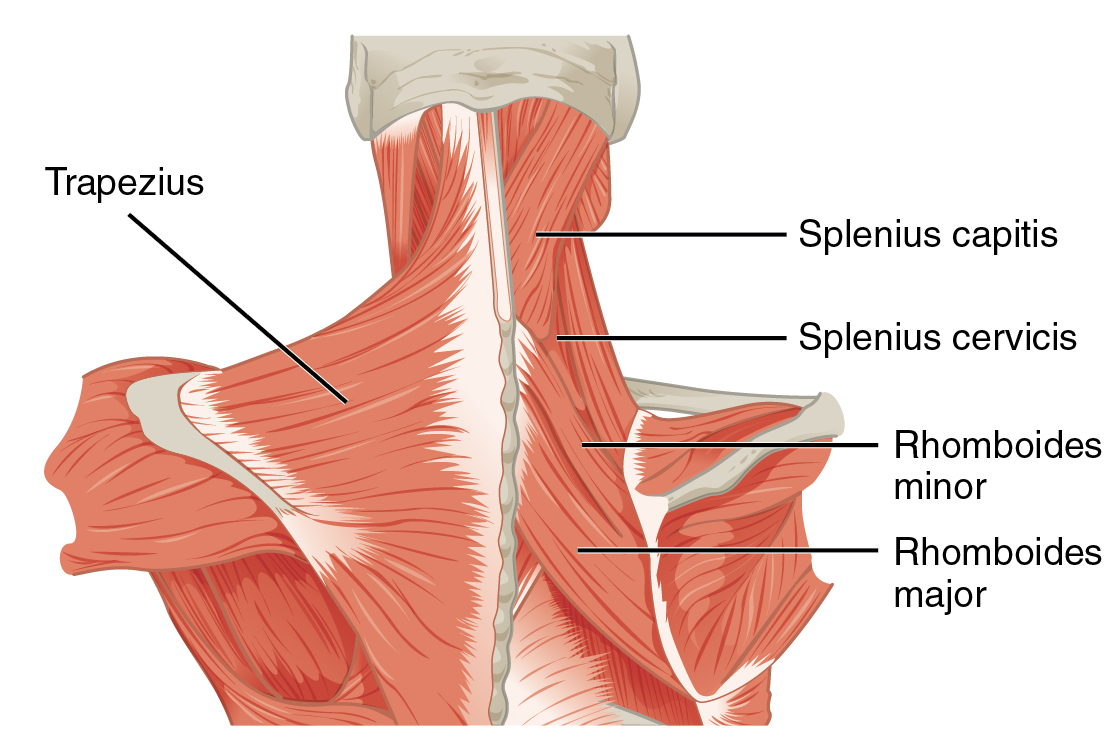
OpenStax College — CC BY 3.0. Image source.

Understanding the approach
Joint mobilization uses controlled passive movement without a rapid thrust. The clinician adjusts its direction, range and force. Applied to the spine, its purpose is to make a movement more comfortable and reduce the experience of stiffness, rather than to permanently rearrange spinal anatomy.
Indications and assessment
It may be considered for selected mechanical neck or low back pain after examining active and passive movement. Comparing pain, range and function establishes a measurable target. Stiffness caused by a fracture, active inflammation or neurological compression requires a different diagnostic and treatment pathway.
Benefits, limitations and precautions
Relief is commonly partial or temporary; its value is greater when it assists return to activity. A highly mobile joint does not necessarily need further mobilization. Bone fragility or instability requires modifications or avoidance. Sharp pain or increasing radiating symptoms should not be pushed through.
Place in the care pathway
Within TAGMED care, mobilization may support exercises and difficult tasks identified during assessment. The response cannot confirm a diagnosis by itself. Appropriate medical referral remains necessary when findings extend beyond an uncomplicated musculoskeletal problem.
Goals should be practical: walking farther, returning to a chosen activity or reducing symptoms that interfere with sleep. Improvement immediately after a session does not establish lasting benefit. Follow-up compares function with the starting point, records adverse effects and considers progress between appointments. An inadequate response should prompt a review of the clinical explanation or proposed approach, rather than an automatic extension of the same treatment.
Before starting, describe the outcome you want, treatments already tried and difficulties encountered. Ask how the response will be measured and when another option would be preferable. Available reports complement the discussion without replacing your current experience, priorities or preferences.
Frequently asked questions
How does it differ from manipulation?
Mobilization does not use the rapid thrust associated with some manipulation techniques.
Should it always be painless?
Mild discomfort is possible, but significant pain should prompt adjustment or stopping.
Is full range the goal?
Not necessarily. The target should match the individual’s needs and tolerance.
Can I do it myself?
Active movements can be taught; they are not a substitute for a professional technique.
How is benefit measured?
Compare a specific task before and after treatment, then assess whether the change lasts.
Conceptual diagram of clinical reasoning; not an anatomical drawing to scale.
Role of TAGMED care
TAGMED offers manual care and osteopathy, as well as modalities such as motorized spinal decompression, laser and shockwave when a relevant indication exists. Selection cannot be based solely on a symptom label: it depends on assessment, contraindications, evidence for each modality and your goals. Maintaining or gradually resuming activity and monitoring function remain central considerations.
Medical references
- NIH — NCCIH. Spinal Manipulation: What You Need To Know.
- JOSPT — APTA Orthopedics. Neck Pain: Revision 2017.
References document the topic; their inclusion does not imply endorsement of TAGMED services by those organizations.
Educational information from The Spine Page. This entry does not replace an individual assessment. Documentary version: October 12, 2026. Sylvain Desforges, B.Sc., D.O., N.D., osteopath and naturopath.
TAGMED clinic contact details
For non-urgent consultations and information about available services.
Clinique TAGMED — Terrebonne
1150, rue Lévis, Suite 200
Terrebonne (Québec) J6W 5S6
450‑704‑4447
Clinique TAGMED — Montréal
1140, avenue Beaumont
Mont-Royal (Québec) H3P 3E5
1‑877‑672‑9060