




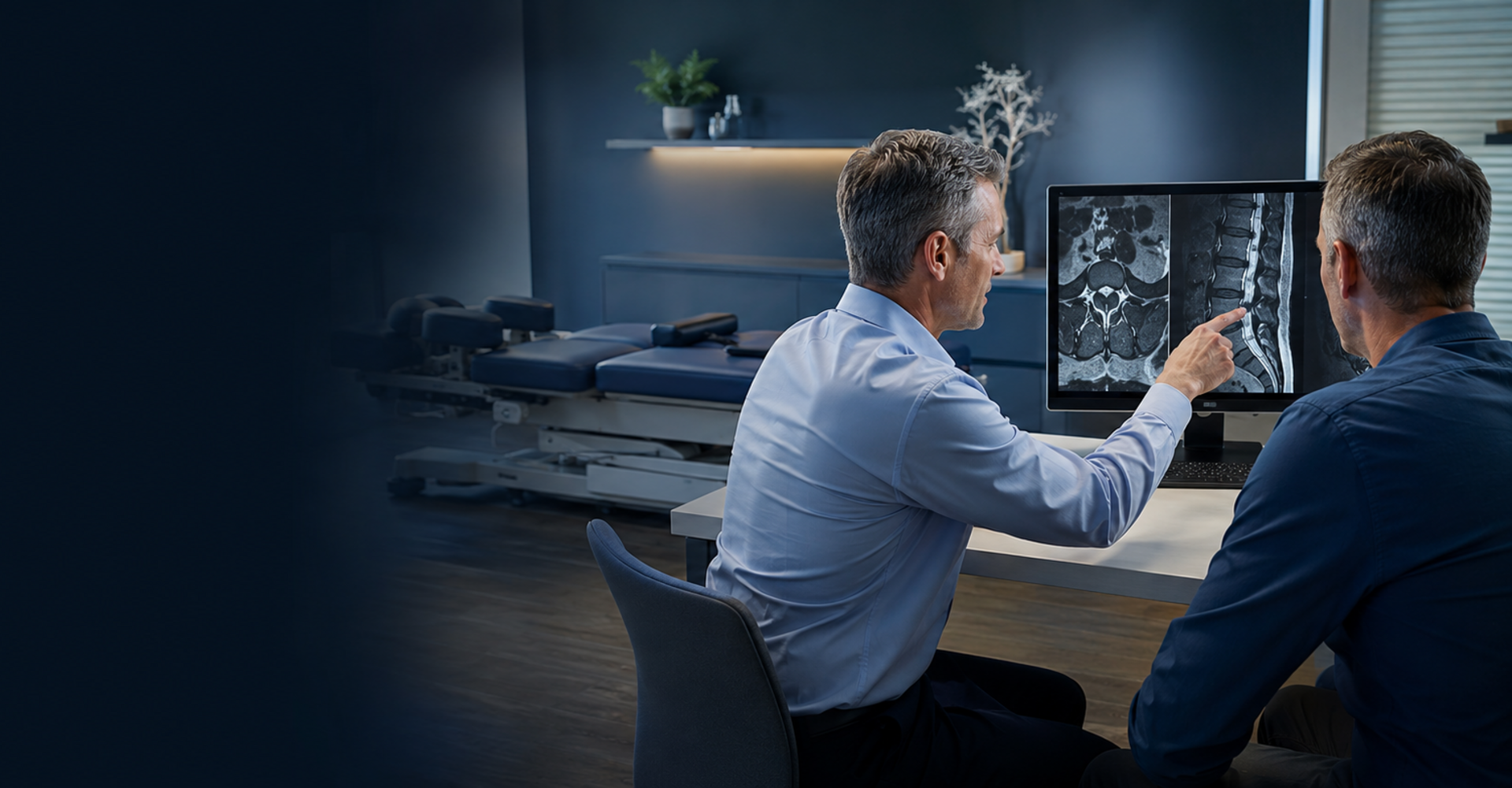
EMG and nerve-conduction studies for radiculopathy: what the tests show
Electromyography and nerve-conduction studies evaluate how muscles and peripheral nerves function. They may help distinguish a spinal nerve-root problem from a peripheral neuropathy or another neuromuscular disorder.
Nerve-conduction studies stimulate selected nerves and record responses. Needle EMG samples electrical activity in muscles. The combined examination can localize and characterize nerve injury but is not a direct image of a disc or spinal canal.
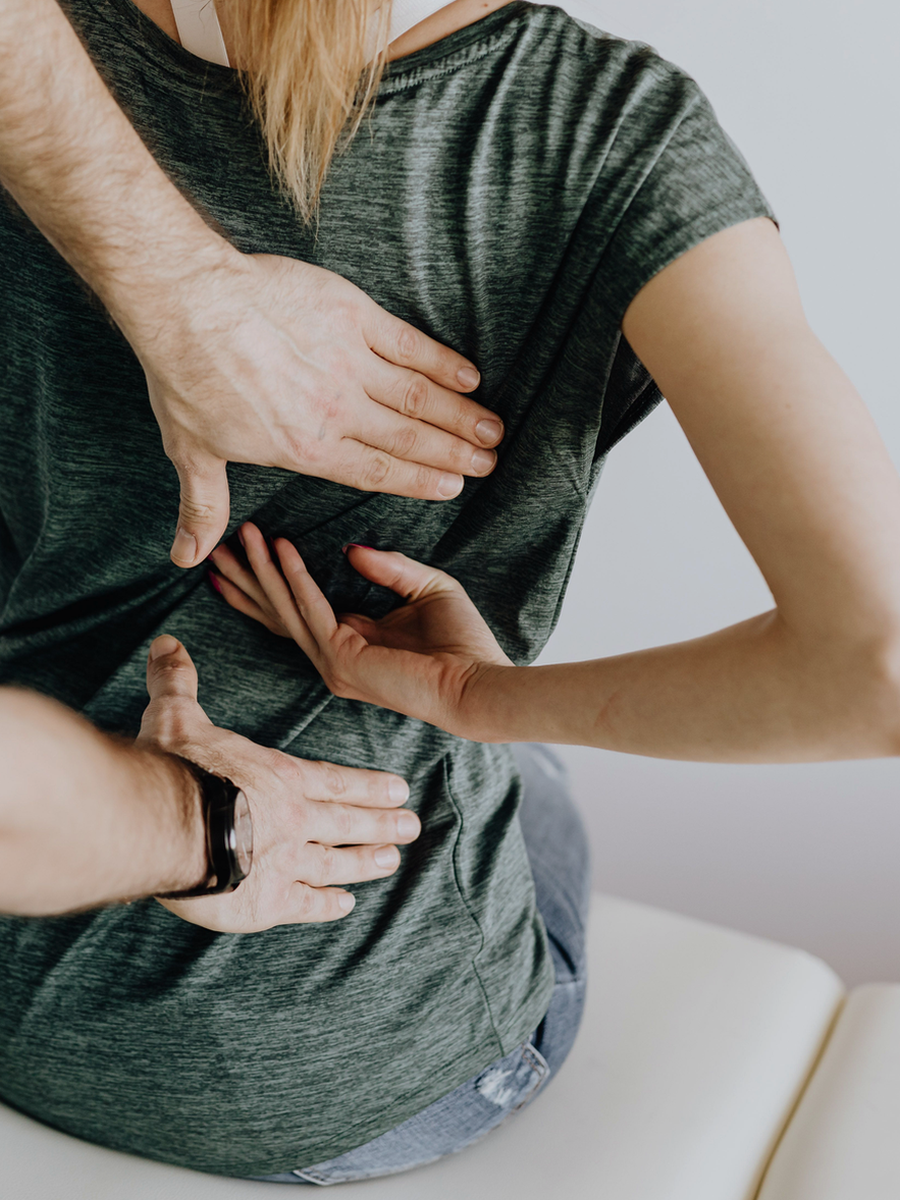
Assessment and differential diagnosis
The referring question should be specific: radiculopathy, carpal tunnel syndrome, peroneal neuropathy, polyneuropathy or another problem. The electrodiagnostic physician selects muscles and nerves based on history and examination. Testing weak muscles and paraspinal muscles may increase diagnostic yield for radiculopathy.
| Clinical situation | Possible next step | Why it matters |
|---|---|---|
| Arm numbness with unclear source | Differentiate root from peripheral nerve | EMG/NCS may add localization. |
| Foot drop | Compare L5 root and peroneal nerve patterns | The cause changes treatment urgency. |
| Clear MRI and matching stable symptoms | Testing may be unnecessary | Use only when it will change management. |
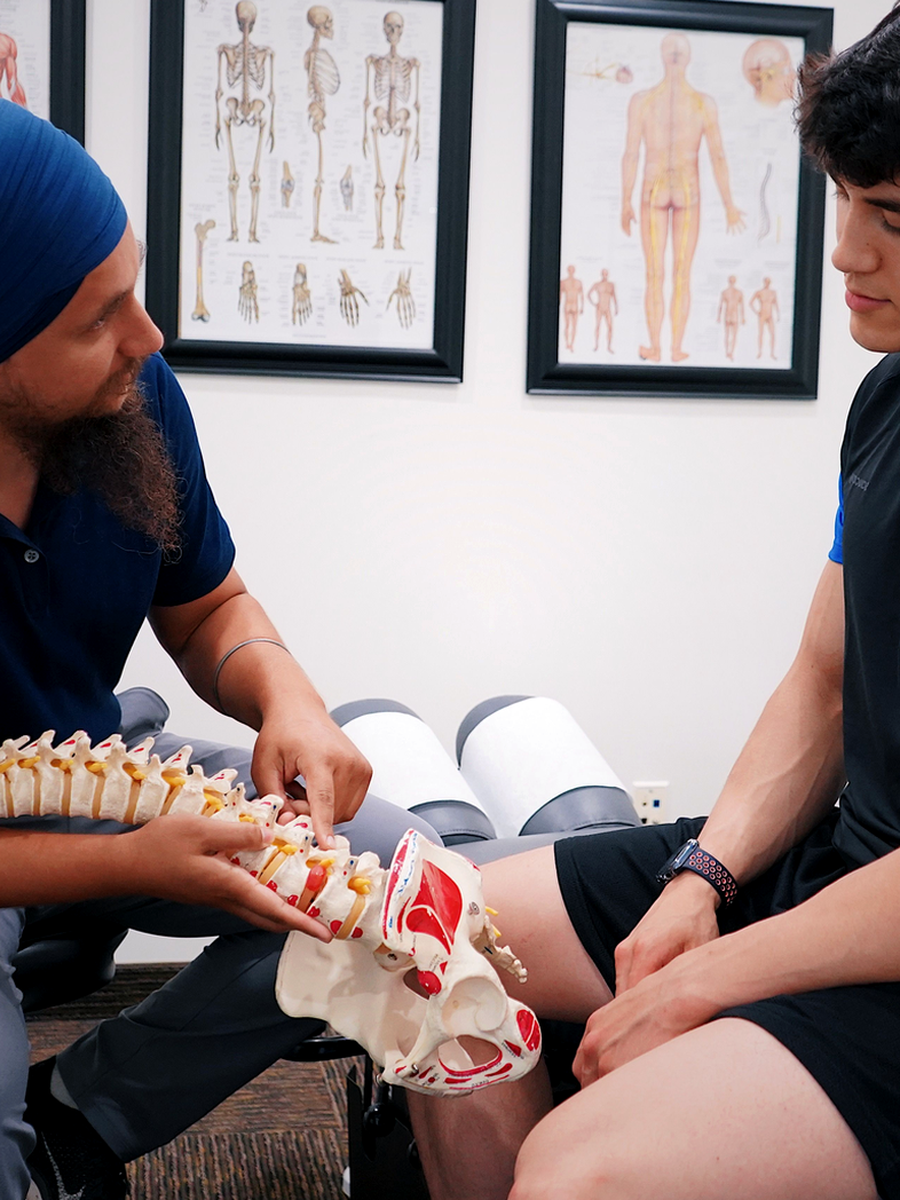
Treatment and management
The test does not treat the condition. Its value is to improve diagnostic confidence, document severity or chronicity and guide referral, injections, rehabilitation or surgery. Results must be interpreted with the examination and imaging.
Questions for shared decision-making
Before choosing care, ask the provider to explain the working diagnosis, expected outcome, alternatives and review point.
What is the target?
Identify the structure, mechanism or functional problem being addressed.
What outcome matters?
Define measurable goals for pain, walking, sleep, work or daily activity.
What are the alternatives?
Compare active care, medication, procedures, technology and surgery when relevant.
When should the plan change?
Set criteria for stopping, modifying or escalating care.
Related guides
Lumbar radiculopathy L4-L5-S1
Foot drop
Specialized external resources
These links lead to independent specialized websites and do not change the educational role of The Spine Page.
Clinique TAGMED
Clinical information about motorized spinal decompression and disc-related conditions.
SOS Sciatique
Focused guides about sciatica, nerve-root symptoms and warning signs.
Frequently asked questions
Is EMG the same as MRI?
No.
Does EMG hurt?
It can be uncomfortable because small electrical stimuli and a needle examination are used.
Can it diagnose sciatica?
It can support and localize radiculopathy.
Can a normal EMG occur with radiculopathy?
Yes.
When is the best time to test?
Timing depends on the clinical question and onset.
Can it distinguish carpal tunnel from cervical radiculopathy?
Often, yes.
Can it distinguish foot drop causes?
It may help compare root and peripheral nerve injury.
Does it show disc size?
No.
Who performs the test?
A trained electrodiagnostic physician or qualified professional according to local practice.
Does The Spine Page perform EMG?
No.
Sources consulted
- AANEM — Evaluation of suspected lumbosacral and cervical radiculopathy
- AANEM — Neuromuscular and electrodiagnostic medicine
Last editorial review: July 2026. General educational information only.
Dr. Sylvain Desforges, B.Sc., D.O., N.D., osteopath — The Spine Page
Continue exploring spine health
Use the condition and treatment hubs to compare the next steps.
The Spine Page — The best treatments for your spinal problems — www.thespinepage.com