



Adult scoliosis: spinal curves, symptoms and treatment options
Adult scoliosis may be a curve that began earlier in life or a degenerative curve that developed with age. Symptoms depend on alignment, degeneration, nerve compression and functional demands.
A scoliosis curve measures more than 10 degrees on radiographs. In adults, pain is often related not only to the curve but also to discs, facets, stenosis, muscle fatigue and sagittal imbalance. The shape of the spine does not predict symptoms perfectly.
Assessment and differential diagnosis
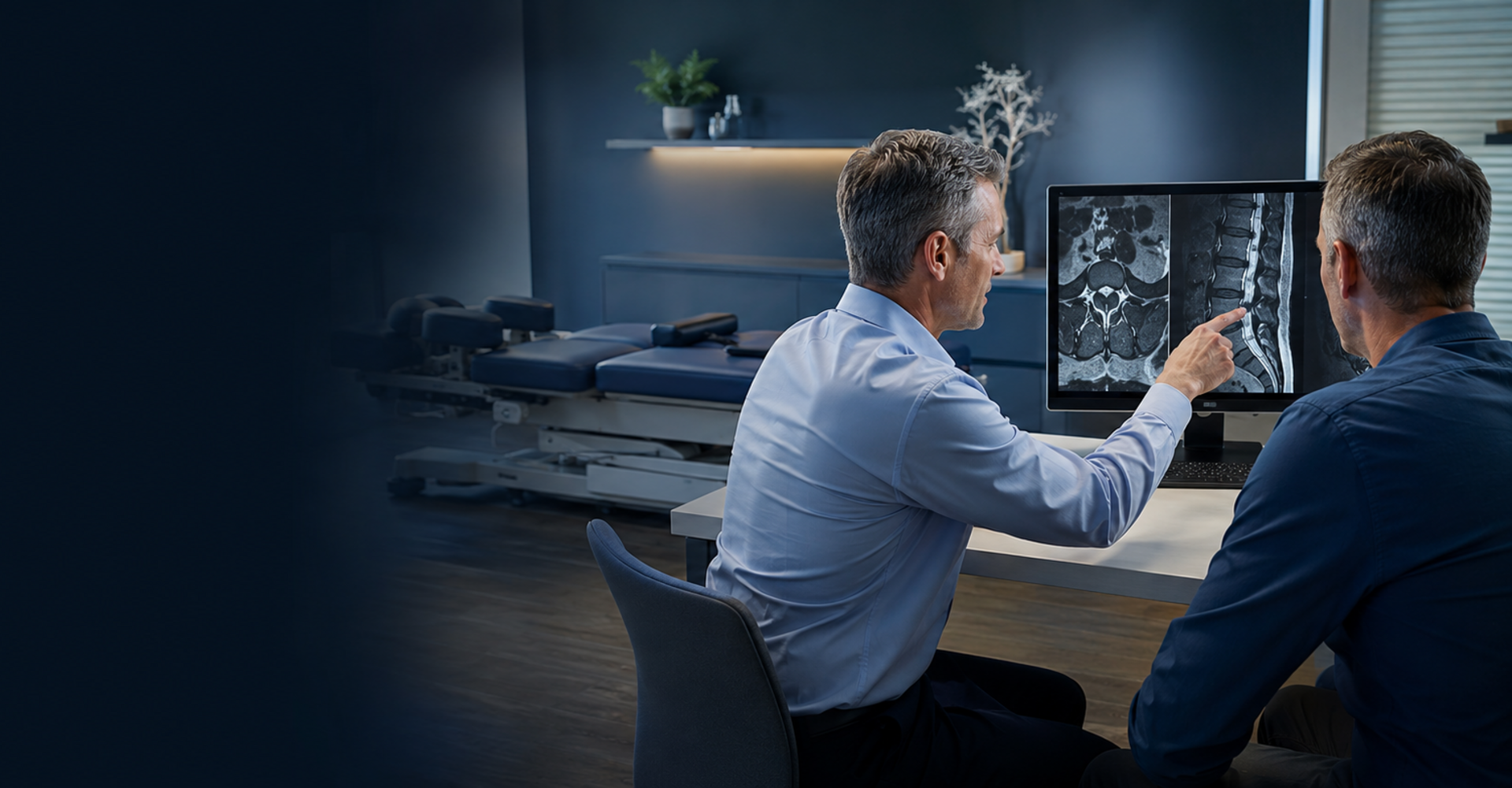
Standing radiographs evaluate curve magnitude and alignment. MRI may be used when radiculopathy, stenosis or neurological change is present. Assessment also reviews walking, endurance, bone density, hip disease, leg-length difference and goals.
| Clinical situation | Possible next step | Why it matters |
|---|---|---|
| Mild stable curve with manageable symptoms | Education and rehabilitation | Focus on strength, endurance and function. |
| Curve with stenosis or radiculopathy | Targeted neurological and imaging assessment | Treat the symptomatic component. |
| Severe imbalance or progressive disability | Adult deformity surgical consultation | Risks and expected benefits require detailed review. |
Treatment and management
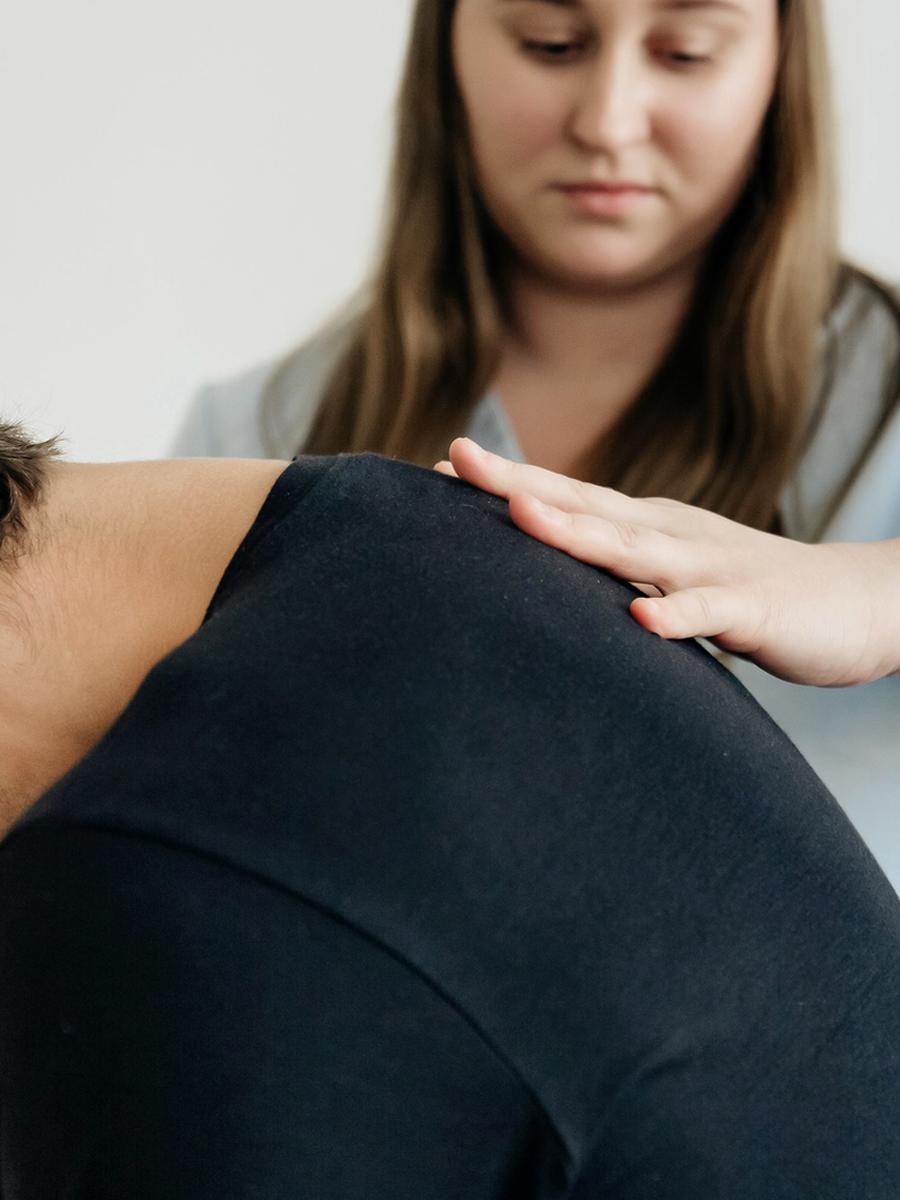
Non-surgical care may include education, exercise, endurance training, symptom management and treatment of osteoporosis or nerve compression. Bracing has a limited and individualized role in adults. Complex reconstruction may be considered for severe pain, imbalance, neurological compromise or disability.
Questions for shared decision-making
Before choosing care, ask the provider to explain the working diagnosis, expected outcome, alternatives and review point.
What is the target?
Identify the structure, mechanism or functional problem being addressed.
What outcome matters?
Define measurable goals for pain, walking, sleep, work or daily activity.
What are the alternatives?
Compare active care, medication, procedures, technology and surgery when relevant.
When should the plan change?
Set criteria for stopping, modifying or escalating care.
Related guides
Spinal stenosis
When is spine surgery needed?
Specialized external resources
These links lead to independent specialized websites and do not change the educational role of The Spine Page.
Clinique TAGMED
Clinical information about motorized spinal decompression and disc-related conditions.
SOS Sciatique
Focused guides about sciatica, nerve-root symptoms and warning signs.
Frequently asked questions
Can scoliosis begin in adulthood?
Yes, degenerative scoliosis can develop later.
Does the curve angle determine pain?
No.
Can exercise straighten an adult curve?
It may improve function but usually does not permanently erase a structural curve.
Is MRI always needed?
No; it is considered when neurological or stenosis questions are present.
Can scoliosis cause sciatica?
Yes, through associated foraminal or central stenosis.
Are braces useful in adults?
Sometimes for symptom support, but their role is individualized.
Does every adult curve worsen?
No.
When is surgery considered?
With severe persistent symptoms, imbalance, progression or neurological compromise.
Is surgery high risk?
Complex adult deformity surgery can carry substantial risks.
Does The Spine Page treat scoliosis?
No.
Sources consulted
Last editorial review: July 2026. General educational information only.
Dr. Sylvain Desforges, B.Sc., D.O., N.D., osteopath — The Spine Page
Continue exploring spine health
Use the condition and treatment hubs to compare the next steps.
The Spine Page — The best treatments for your spinal problems — www.thespinepage.com
Topic index: Spinal deformity
Explore this topic cluster by search intent. Each link leads to a distinct guide directly related to the subject.