





Who may be a candidate for motorized spinal decompression?
Motorized spinal decompression is offered for selected disc-related or radicular presentations. An MRI label alone does not define candidacy; symptoms, neurological status, contraindications, goals and position tolerance all matter.
Because broad traction guidelines are cautious or negative, providers should explain how their device, protocol and patient-selection strategy relate to the available evidence.
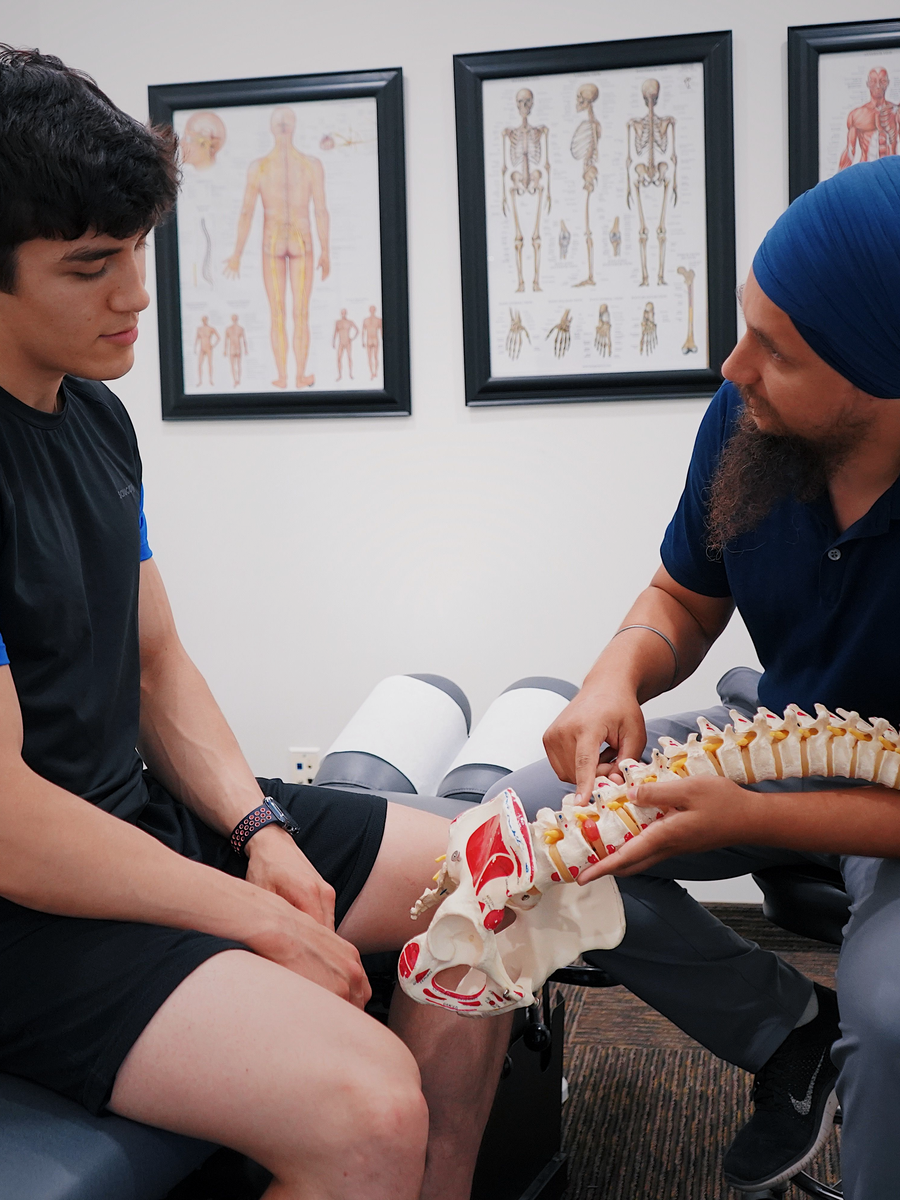
What screening should include
History examines diagnosis, symptom direction, previous surgery, osteoporosis, fracture risk, systemic illness, pregnancy, implants and tolerance of flexion or extension.
Examination reviews strength, sensation, reflexes, gait and red flags. Imaging confirms that the proposed target makes sense.
| Domain | Why it matters | Example |
|---|---|---|
| Neurological status | Determines urgency. | Stable sensory symptoms differ from progressive foot drop. |
| Structural stability | Unstable conditions may not tolerate force. | Fracture or unstable spondylolisthesis. |
| Medical context | Systemic conditions may alter safety. | Cancer, infection or pregnancy. |

Define the trial before starting
The provider should specify the working diagnosis, goals, protocol, timeline and stop rules. A staged trial with early review is more defensible than a long prepaid series without reassessment.
Baseline measures may include pain distribution, neurological status, walking, sleep, medication and disability.
Working diagnosis
Explain the intended target.
Dose and progression
Document position, angle, force, cycle and frequency.
Review threshold
State what improvement justifies continuation.

When decompression may not be the best first option
Acute uncomplicated pain often improves with education and activity. Persistent non-specific pain may benefit more from multicomponent care. Severe stenosis or progressive loss may require specialist assessment.
The choice should compare decompression with exercise, manual care, medication, injection, surgery or watchful waiting.
- Ask what evidence applies to the exact diagnosis.
- Clarify how the target level is selected.
- Confirm that emergencies and surgical indications were screened.
- Avoid claims of permanent disc rebuilding without reliable evidence.
Potential, uncertain or poor candidate
Selection is better expressed as a spectrum than a yes-or-no label.
Uncertainty should lead to more assessment or a short reversible trial.
| Category | Typical features | Action |
|---|---|---|
| Potential candidate | Stable disc-related symptoms, no major contraindication, measurable goals. | Discuss a monitored trial. |
| Uncertain candidate | Poor correlation, mixed pain or limited tolerance. | Clarify diagnosis and alternatives. |
| Poor candidate or urgent pathway | Progressive deficit, cauda equina, fracture or infection. | Do not delay referral. |
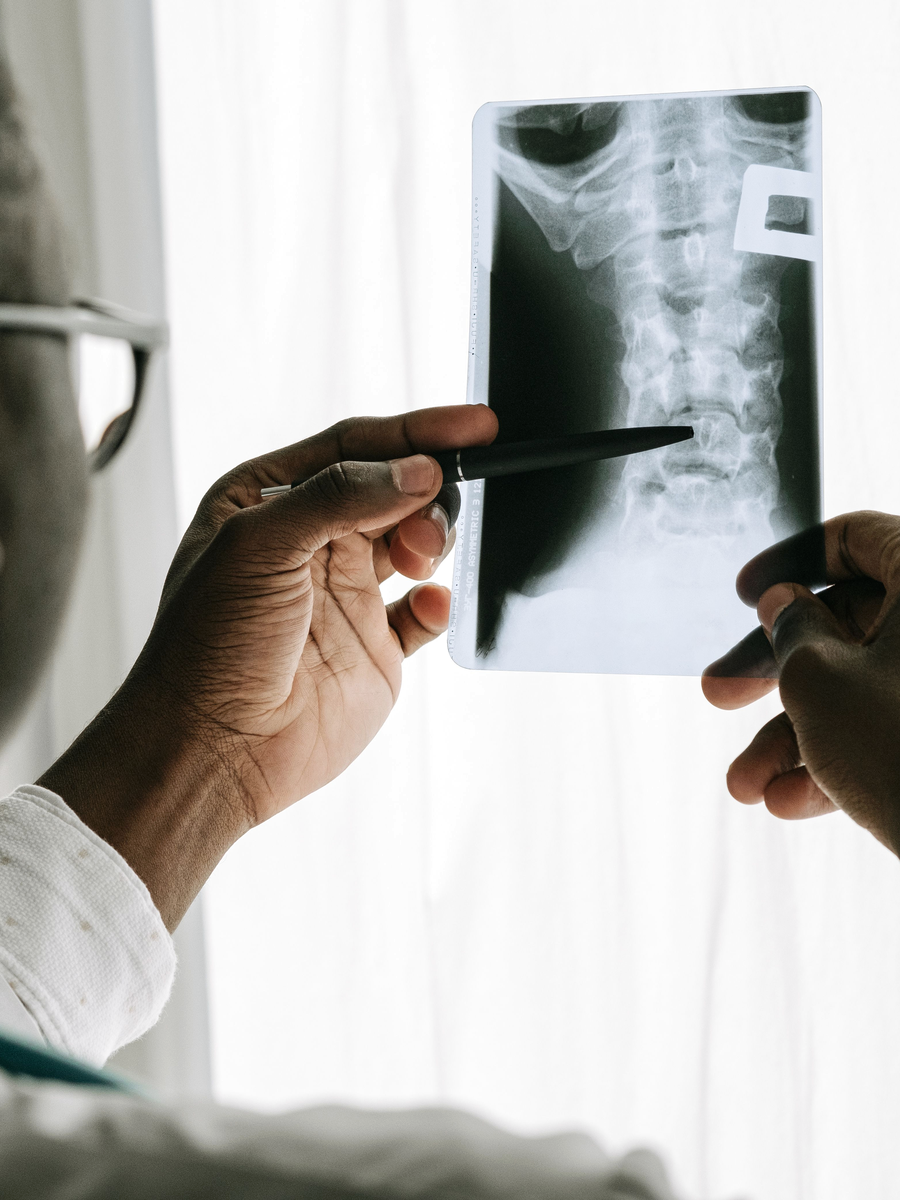
Questions to ask before choosing care
Before beginning care for who may be a candidate for motorized spinal decompression?, ask the provider to explain the working diagnosis and the findings that support it. The discussion should distinguish a structural description from the clinical syndrome, clarify whether neurological function is stable and identify the specific outcome the treatment is intended to improve.
A high-quality plan also explains the expected timeline, reasonable alternatives, possible harms, cost and the criteria for changing course. No treatment should continue indefinitely because it produced a brief change in pain. The decision should be reviewed against measurable function and safety.
What is the target?
Ask which structure, mechanism or functional limitation the treatment is intended to address.
What result is realistic?
Clarify the expected change in pain distribution, walking, sleep, work or daily activity.
What are the alternatives?
Compare education, exercise, medication, procedures, technology-assisted care and surgery when relevant.
When will the plan be reviewed?
Set an early review point and define the findings that would stop, modify or escalate care.
How to monitor progress
Progress should be tracked with more than a pain score. Useful measures include how far symptoms travel, strength, sensation, walking tolerance, sleep, medication use and the ability to perform meaningful activities. Neurological change should always be documented separately from pain relief.
Temporary fluctuations are common. The important question is whether the overall trajectory is safer and more functional. New weakness, expanding numbness, altered bladder or bowel function or a substantial loss of walking ability should trigger reassessment rather than automatic continuation of the same treatment.
Continue with specialized resources
The Spine Page is an educational blog. The links below lead to independent specialized websites.
Clinique TAGMED — spinal decompression
Service-specific information about motorized spinal decompression and disc-related conditions.
SOS Sciatique — nerve-root symptoms
Focused guides about sciatica, warning signs and treatment questions.
Frequently asked questions
Does a herniated disc automatically make me a candidate?
No.
Can it be used for non-specific low back pain?
Evidence for routine traction is not supportive.
Is MRI required?
Sometimes when a specific target is proposed.
Can someone with stenosis be a candidate?
Possibly in selected cases.
What should be measured?
Pain distribution, strength, walking, sleep and function.
How soon should the plan be reviewed?
Early in a staged protocol.
Can decompression replace exercise?
Not automatically.
Can it replace surgery?
Not when surgery is urgent or clearly indicated.
What if symptoms worsen?
Stop and reassess.
Does The Spine Page determine candidacy?
No.
Sources consulted
- NICE — Low back pain and sciatica in over 16s
- World Health Organization — Guideline for non-surgical management of chronic primary low back pain
- Cochrane — Traction for low-back pain with or without sciatica
- American College of Radiology — Appropriateness Criteria: Low Back Pain
Last editorial review: July 2026. This page provides general education and does not replace individualized medical assessment.
Editorial review : Dr. Sylvain Desforges, B.Sc., D.O., N.D., osteopath — The Spine Page
Prepare a decompression consultation
Review contraindications and compare decompression with traction.
The Spine Page — The best treatments for your spinal problems — www.thespinepage.com