




Sciatica recurrence is a common challenge for people living in Saint-Laurent, where daily demands and lifestyle habits can influence back health. Understanding which postures to avoid and adopting appropriate habits are essential to reducing the risk of persistent or recurring pain. More than simply providing temporary relief, prevention relies on practical adjustments at the office, at home, and while commuting, particularly when working from home, to relieve pressure on the sciatic nerve and preserve mobility.
Each case of pain radiating down the leg, often consistent with sciatica, requires an individualized interpretation based on symptoms, the likely cause, and progression. In Saint-Laurent, where active lifestyles and commuting are common, incorporating ergonomic advice along with targeted exercises and, when needed, supervised rehabilitation can help provide lasting relief from this pain, often related to compression or irritation of the sciatic nerve. This approach can be adapted for both acute episodes and long-term pain management.
In brief: key points for preventing sciatica recurrence in Saint-Laurent
Choose frequent breaks to reduce pressure on the lumbar discs.
Sit with good lumbar support and feet flat on the floor to maintain the natural curve of the spine.
Adapt everyday movements to help prevent worsening sciatic pain.
Under professional supervision, strengthen and improve flexibility of the spine.
Postures to avoid to limit sciatica-related pain in Saint-Laurent
The postures adopted throughout the day play a significant role in the development or recurrence of sciatic pain. Prolonged sitting, particularly in an office work environment or while commuting, contributes to increased pressure on the intervertebral discs, thereby increasing compression of the sciatic nerve. This issue is especially relevant in Saint-Laurent, where remote work and frequent commuting expose many people to substantial sitting time.
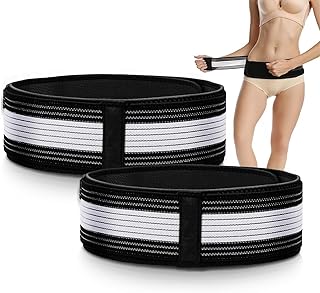
According to ergonomic recommendations, it is crucial to avoid a seated posture that rounds the lower back, as this increases disc loading. To do so, it is preferable to choose an ergonomic chair with good lumbar support. Adding a lumbar cushion or brace can provide additional support during acute pain phases. It is also recommended to adjust the chair height so that the pelvis is slightly higher than the knees, promoting a safer position for the back.
Regular breaks are essential: standing up every 30 to 45 minutes, walking for a few minutes, and avoiding crossing the legs or leaning forward without support can help reduce pressure on the nerve. This golden rule has been tried by several Saint-Laurent workers, who report a noticeable improvement in back comfort after incorporating these habits into their daily routines.
Extending the legs under a desk or using a footrest to adjust posture helps distribute forces along the spine. When driving, it is also recommended to adjust the seat position to keep the back straight, with a small lumbar support if needed.
The lying position also requires special attention. Sleeping on the stomach is often discouraged because it causes hyperextension of the lumbar spine and may worsen pressure on the nerve. Choosing to sleep on the back with a pillow under the knees, or on the side with a pillow between the legs, is a simple but often overlooked prevention step.
Specialists also emphasize the importance of an appropriate mattress, such as an orthopedic mattress, to maintain spinal support throughout the night and avoid pain upon waking. It may also be helpful to take breaks lying down with the legs slightly elevated during the day to reduce lumbar pressure and promote venous return.
Learn about positions to avoid with sciatica
Everyday actions and movements to adapt to prevent recurring sciatic pain
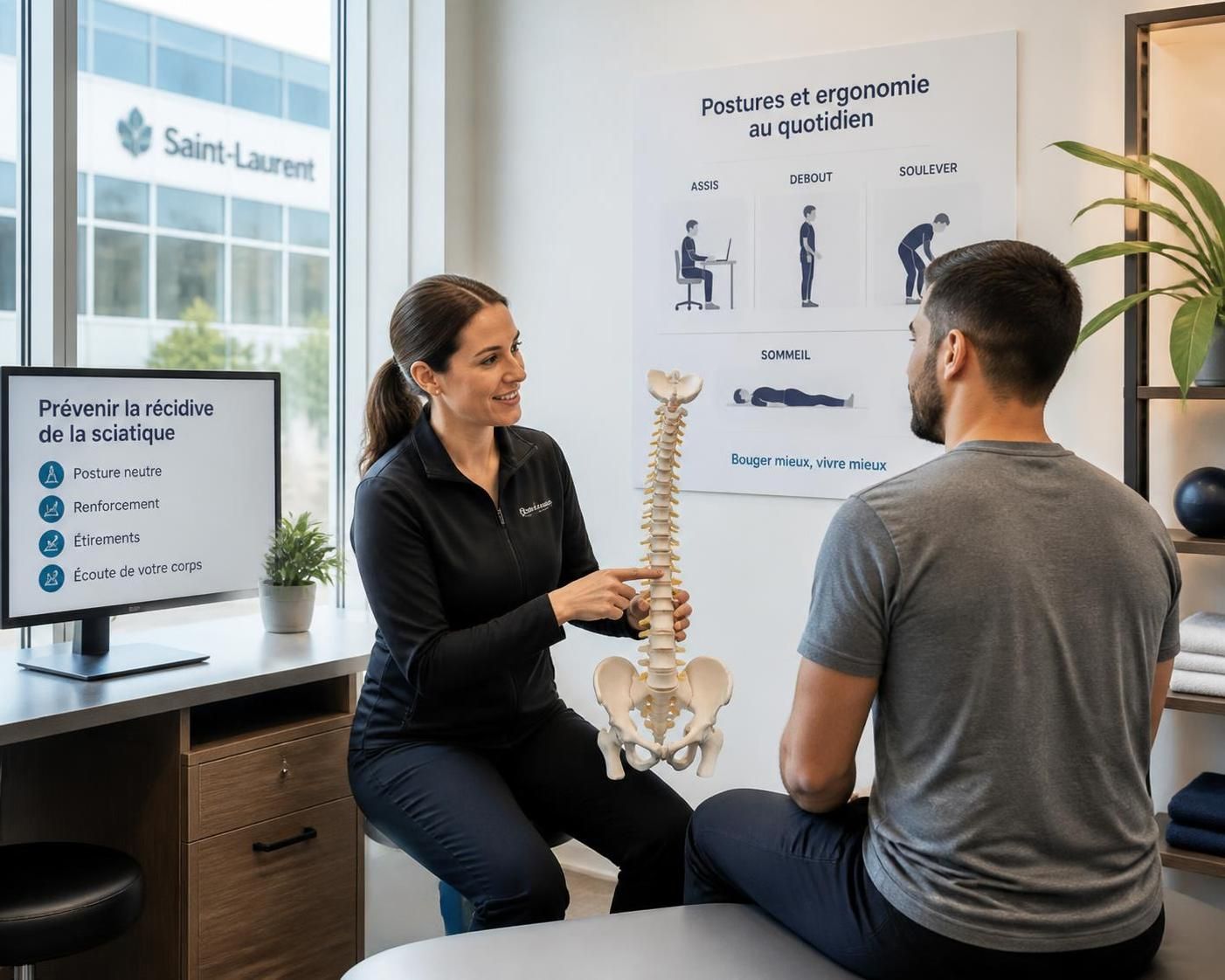
Special attention should be paid to repetitive actions and sudden movements that may worsen sciatic nerve compression. Repeated forward bending and twisting of the trunk, particularly when rapid or combined with a load, increase intradiscal pressure and may trigger or worsen radicular pain.
To reduce these risks, it is advisable to use an appropriate technique when lifting loads by bending the knees rather than bending only at the back. This approach primarily engages the leg muscles, thereby sparing the lumbar spine.
At work or during household activities, avoiding repetitive movements involving excessive twisting or bending is beneficial. If these actions are unavoidable, using appropriate accessories or tools may help limit mechanical strain.
Temporary use of a lumbar brace during painful phases, particularly during specific exertion, is sometimes considered to support the spine. However, this measure should be supervised by a health professional to avoid dependence or muscle weakness over the long term.
In terms of physical activity, it is preferable to choose controlled, low-impact exercises, particularly those inspired by rehabilitation approaches recommended in Saint-Laurent. These activities strengthen supporting muscles and improve mobility, thereby helping reduce the occurrence of painful episodes.
- Bend the knees properly when lifting loads to avoid straining the lower back.
- Limit trunk twisting and move the feet rather than rotating at the waist.
- Take part in suitable physical activities such as yoga, swimming, or brisk walking.
- Avoid sudden movements and uncontrolled repetitive actions.
- Seek professional follow-up to establish a personalized rehabilitation and stretching exercise program.
Learn more about preventing recurrent sciatica
The effects of prolonged standing and ways to adapt in Saint-Laurent
Prolonged standing is a common source of worsening sciatic pain. Indeed, vertical loading can increase pressure on the lumbar discs and contribute to muscle fatigue, sometimes leading to harmful postural compensations.
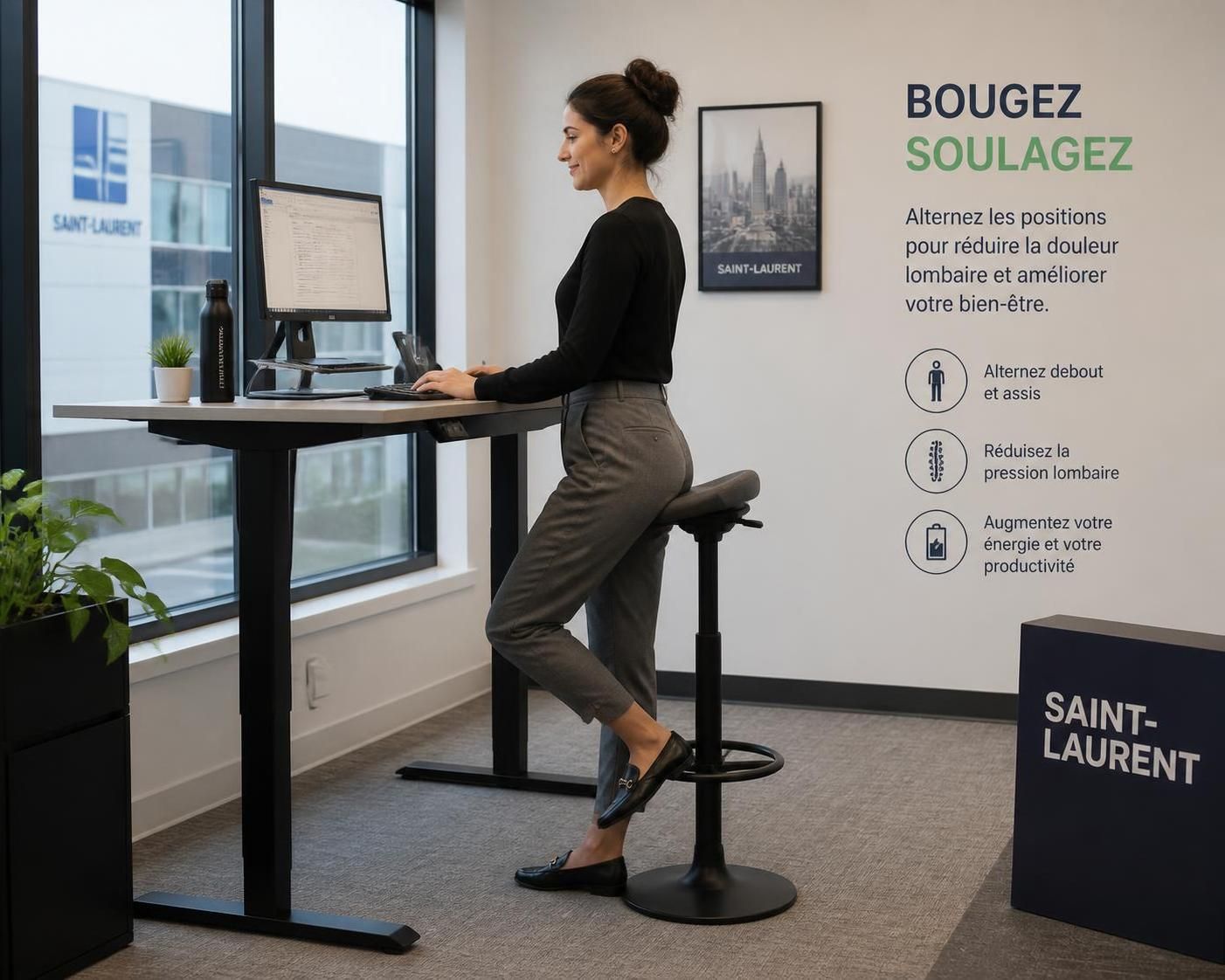
In professional settings or during commercial activities, as is the case for many Saint-Laurent residents, it is advisable to alternate between standing and sitting positions. Regular seated breaks can help relieve the spine and reduce pain intensity.
To improve comfort when standing is unavoidable, it is recommended to adopt a posture that limits excessive arching of the lower back and places minimal strain on the shoulders. Wearing shoes with good cushioning also plays an important role in shock absorption and reducing lumbar tension.
Using a tall stool can make it possible to alternate between a bent leg and a straight leg, thereby reducing constant loading on the spine. For people with significant pain, a specialized orthopedic consultation may be considered to prescribe appropriate orthotics or equipment.
These practical tips have helped several Saint-Laurent residents, such as Antoine, a local business owner, better manage sciatica-related pain on a daily basis simply by adapting their work habits and postures.
Motorized spinal decompression: an adjunct in sciatica management in Saint-Laurent
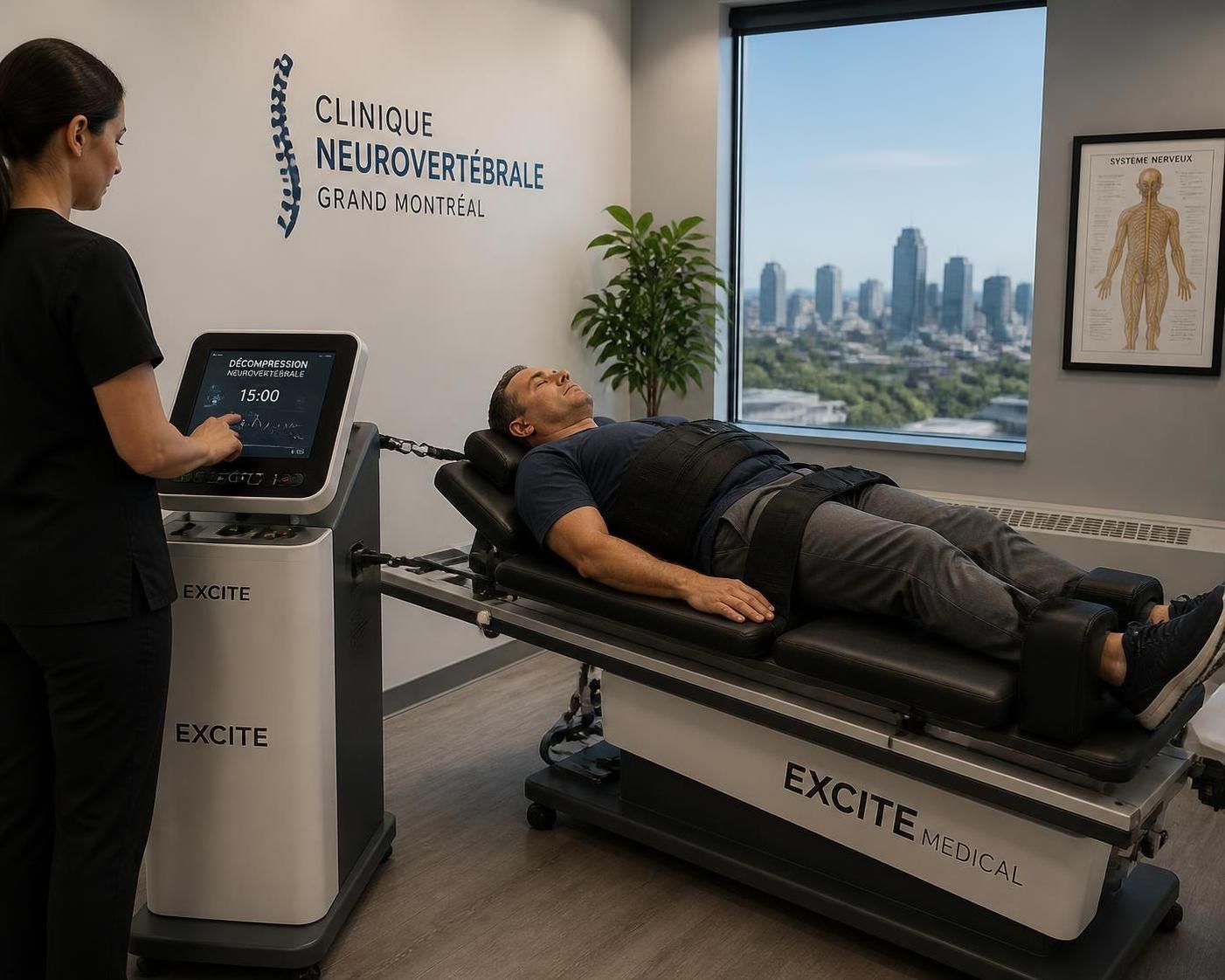
Following a thorough clinical assessment, motorized spinal decompression may be considered as an adjunctive treatment option for certain Saint-Laurent patients experiencing sciatic pain related to a disc herniation, protrusion, or foraminal stenosis. This process involves progressive, controlled spinal traction intended to temporarily modify mechanical stresses on the intervertebral discs and nerve roots.
This technique differs significantly from conventional traction in that it is motorized and adjusted to the patient’s needs, allowing treatment to be personalized. Its primary purpose is to improve tolerance to movement, reduce pressure on neural structures, and potentially promote improved local circulation.
However, spinal decompression is not suitable for everyone and requires careful patient selection. Results may vary, and no universal protocol exists. This approach does not replace a medical consultation in the presence of concerning symptoms, nor the need for surgery when it is clearly indicated.
At TAGMED Clinic, located in Mont-Royal near Saint-Laurent, this method is integrated into a comprehensive care plan that also includes osteopathy and specific manual approaches. An individual assessment helps confirm the appropriateness of this option based on the likely cause of sciatica and the patient’s profile.
Learn about motorized spinal decompression in Montréal
Comparison table of postures and movements based on their impact on sciatica recurrence
| Posture / Movement | Impact on the sciatic nerve | Preventive advice |
|---|---|---|
| Prolonged sitting without lumbar support | Increased disc pressure, possible worsening | Use an ergonomic chair with lumbar support; take frequent breaks |
| Sleeping on the stomach | Lumbar hyperextension, increased pressure on the disc | Prefer sleeping on the back or side with a pillow between the legs |
| Repeated or sudden forward bending | Increased intradiscal pressure, nerve irritation | Bend the knees, keep the back straight, use controlled movements |
| Prolonged standing | Muscle fatigue, increased spinal loading | Alternate with seated breaks, adjust posture, wear appropriate shoes |
| Regular moderate walking | Improved circulation, potential reduction in pain | Consult a professional for exercises suited to the condition |
When to consult for recurring sciatic pain in Saint-Laurent
A medical consultation is recommended for persistent or recurring pain, especially if symptoms include pain below the knee, numbness, tingling, or muscle weakness. These signs may indicate more serious nerve compression requiring a thorough assessment.
It is imperative to seek urgent medical care if symptoms occur suddenly or are accompanied by:
- Loss of bladder or bowel control
- Numbness in the perineal (saddle) area
- Significant or progressive motor weakness
- Fever or impaired general condition
- Recent major trauma
- History of cancer or infection
This vigilance helps ensure prompt referral for the necessary investigations and treatments. To learn more about the criteria that indicate when to seek care, the SOS Sciatique website offers clear and reliable resources.
How can you recognize sciatica that requires a medical consultation?
Persistent pain accompanied by weakness, numbness, or sphincter disturbances warrants prompt assessment by a health professional.
What are the best exercises to prevent sciatica recurrence?
Specific stretching exercises combined with gentle back strengthening, performed under supervision, help stabilize the spine.
Is spinal decompression suitable for all types of sciatica?
No, this technique requires careful selection and is not indicated in cases of serious or urgent symptoms.
Can I modify my workstation in Saint-Laurent to reduce pain?
Yes, ergonomics adapted to the office and commuting is a key factor in reducing strain on the sciatic nerve.
What role does sleep play in preventing sciatica?
An orthopedic mattress and appropriate sleeping positions reduce pressure on the spine and thereby limit nighttime pain.
If you regularly experience pain consistent with sciatica in Saint-Laurent, a personalized assessment can help clarify the likely cause, the signs to monitor, and prevention strategies suited to your situation. Well-targeted conservative care, including ergonomic advice, appropriate exercises and, where appropriate, approaches such as motorized spinal decompression, may substantially improve your quality of life.
Consult for appropriate sciatica treatment in Montréal
Dr. Sylvain Desforges, B.Sc., D.O., N.D., osteopath
This content is for educational purposes and does not replace a personalized assessment by a qualified professional.
