


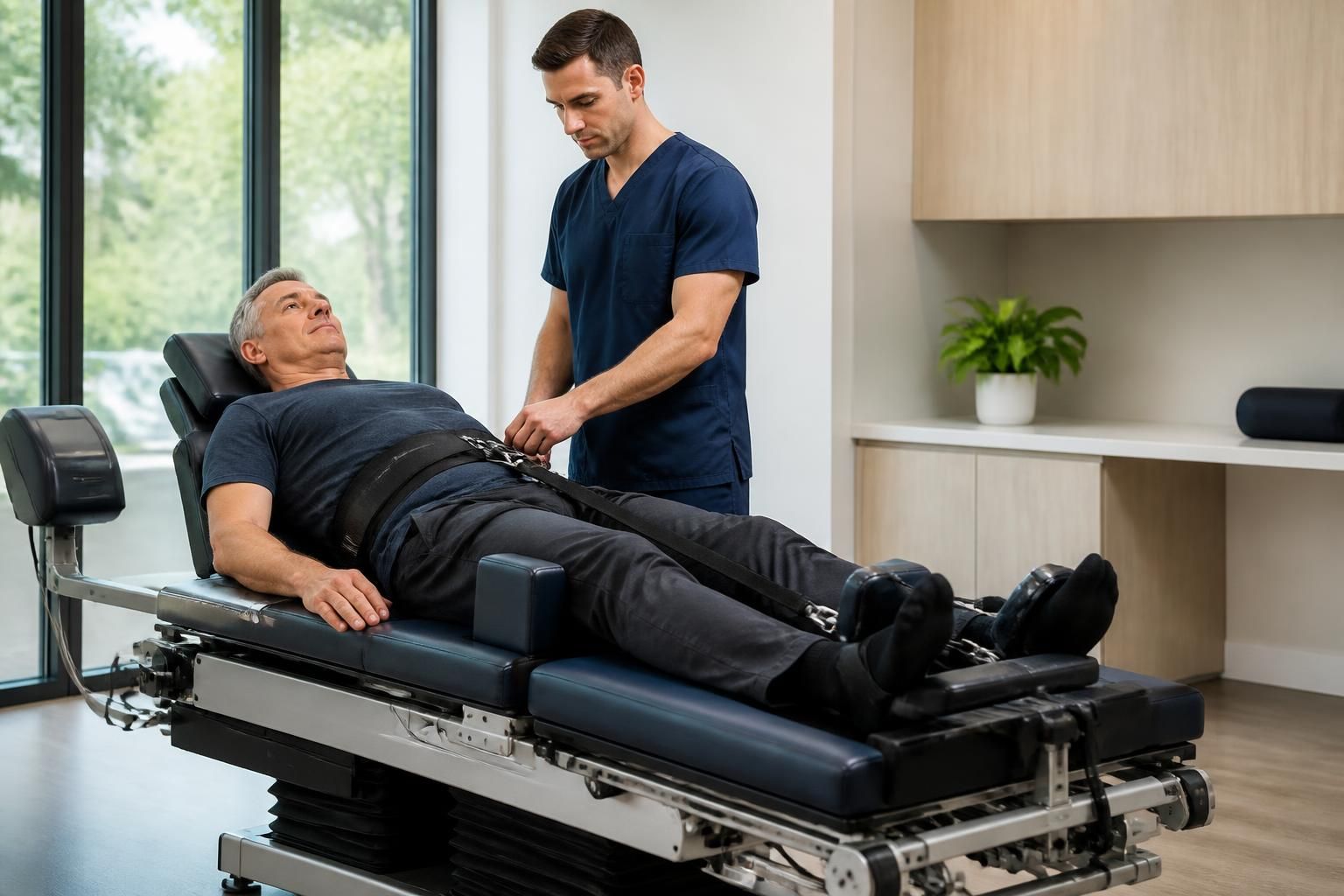
Neurovertebral decompression is now recognized as an innovative, non-invasive technique for relieving sciatic pain, particularly in patients dealing with disc herniations, protrusions, or nerve compression. Offered at TAGMED Clinic in Mount Royal, this motorized approach targets the specific mechanisms of pain by reducing pressure on the nerve roots, a common cause of radiating leg symptoms. This therapeutic alternative is part of a multidisciplinary setting in which personalized care is essential to adapt treatments to each patient’s individual needs.
The choice of neurovertebral decompression depends primarily on the symptoms present, their possible origin, and their clinical progression. In Montréal and surrounding areas, this treatment is receiving growing interest from patients seeking a conservative solution for sciatic pain, particularly when conventional methods are insufficient or need to be combined with targeted rehabilitation and complementary orthopedic care. Its implementation requires a thorough assessment to ensure its suitability and prevent potential contraindications.


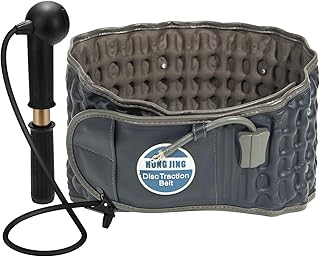
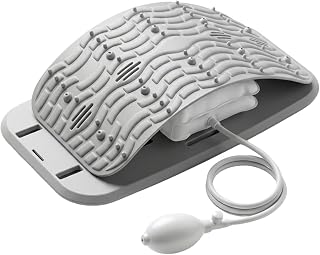

In brief: key points on neurovertebral decompression for sciatica
- Non-invasive technique using motorized traction to reduce pressure on the intervertebral discs and nerve roots.
- Indicated in various cases of sciatica, including disc herniations, protrusions, and foraminal stenosis.
- Offered at TAGMED Clinic, located in Mount Royal and serving patients in Montréal and surrounding areas.
- May help improve spinal mobility and reduce pain, while stimulating tissue regeneration.
- Requires an in-depth clinical assessment to ensure safe indication, taking into account contraindications such as recent fractures or infections.
- As a complement to physiotherapy, osteopathy, and other care for an adapted comprehensive treatment.
Clinical mechanisms of neurovertebral decompression for relieving sciatica
Sciatica often results from irritation or compression of the sciatic nerve in the lumbar region, commonly due to a disc herniation, protrusion, or foraminal stenosis. These conditions cause increased pressure on the nerve roots, leading to pain, numbness, tingling, and sometimes muscle weakness in the leg.
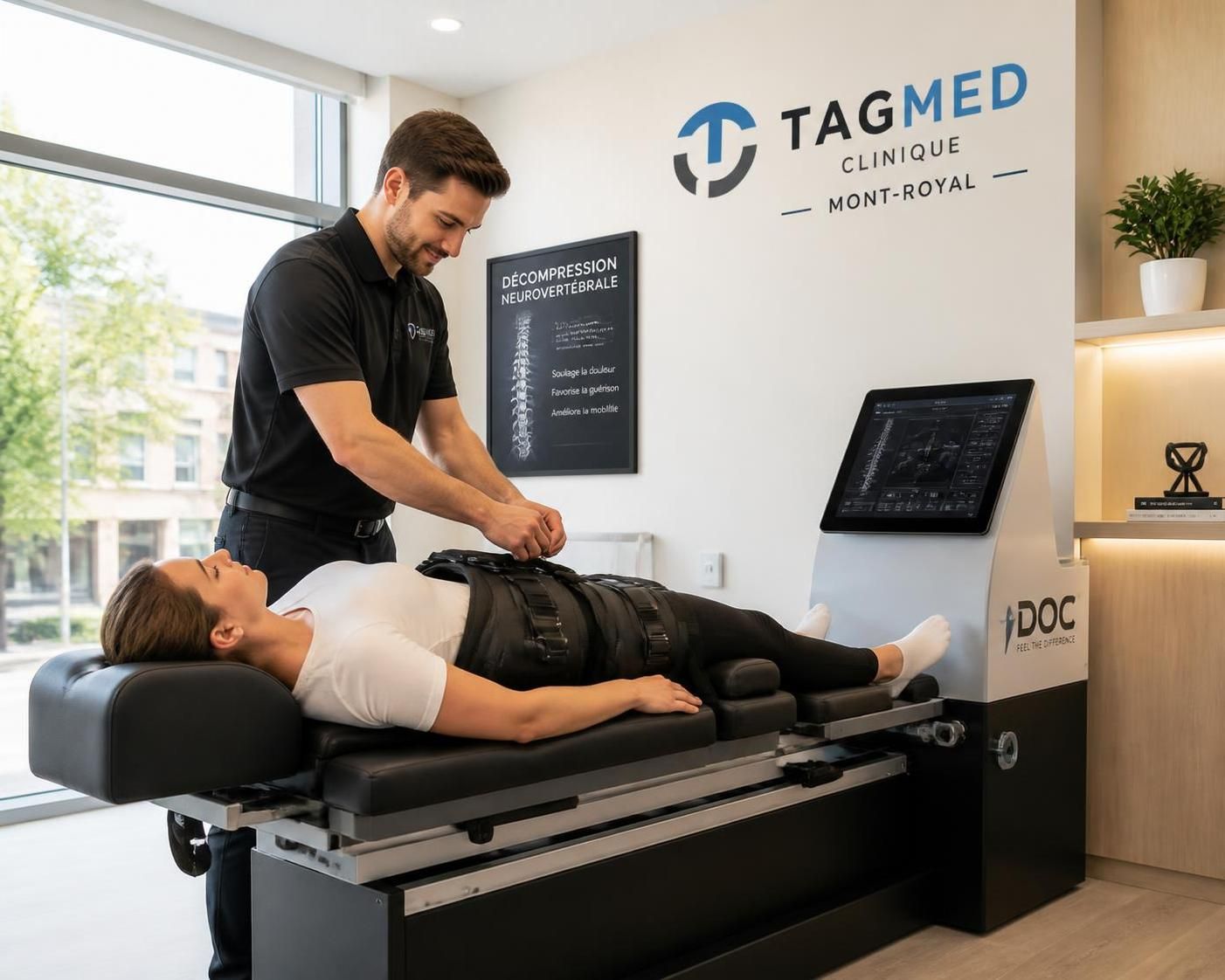
The neurovertebral decompression technique used at TAGMED Clinic is based on controlled, gradual stretching of the spine using a motorized table. This traction aims to increase the intervertebral spaces, thereby reducing compression on the affected nerves.
This mechanical process may provide several beneficial effects: first, reducing intradiscal pressure limits migration of the nucleus pulposus, thereby reducing nerve irritation. Next, improved local blood circulation promotes the delivery of essential nutrients, stimulating the natural repair processes of the disc and surrounding tissues.
It is important to distinguish radicular pain related to nerve compression from simple muscular or ligament-related low back pain. Decompression treatment specifically targets disc lesions that compromise the nerve space, which requires a precise clinical assessment, supplemented by medical imaging where appropriate.
Finally, neurovertebral therapy is adapted according to the nerve root involved, whether the L4, L5, or S1 lumbar roots, all of which can be responsible for different symptom patterns. The flexibility of motorized decompression allows for targeted intervention, adjusted according to the patient’s response.
Factors influencing sciatica symptoms and response to neurovertebral decompression
Sciatica symptoms vary according to several factors, influencing pain intensity and the potential benefit of neurovertebral decompression treatment. These factors include:
- Prolonged positions – Sitting for long periods, such as while working remotely or using public transit in Montréal, can worsen nerve compression through lumbar flexion.
- Physical activities – Walking, climbing stairs, and even sudden movements can alter pressure on the spine, triggering or temporarily easing symptoms.
- Duration of symptoms – Recent pain may respond differently to decompression than chronic pain with degenerative changes.
- Individual responses – Muscle condition, spinal flexibility, age, and the presence of comorbidities affect treatment tolerance and effectiveness.
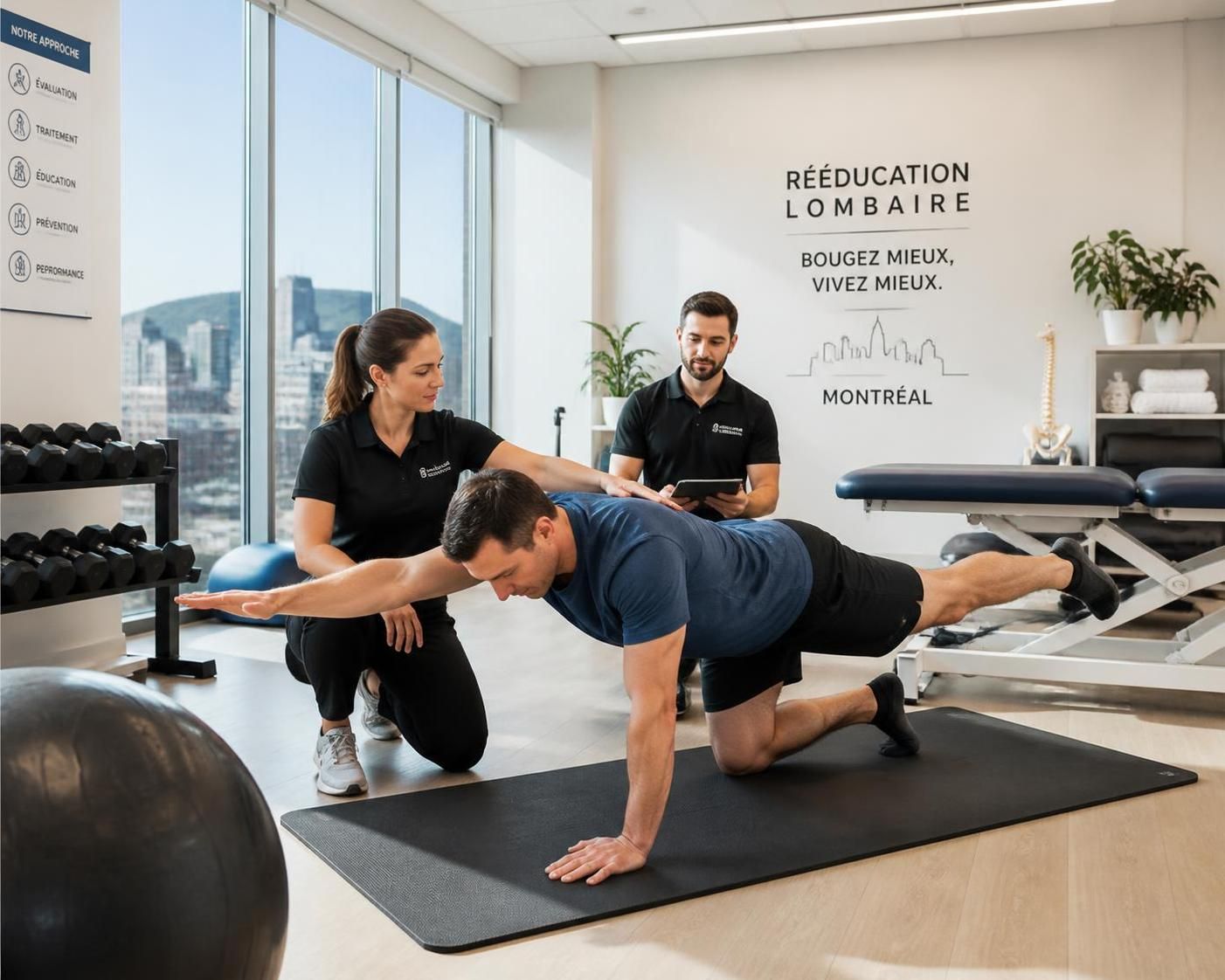
Rehabilitation exercises within the personalized treatment plan play a key role. They aim to strengthen the muscles supporting the spine, improve posture, and stabilize the lumbar region. However, it is essential to adapt them to the patient’s tolerance and avoid continuing activities or exercises that worsen radicular pain.
For example, excessive lumbar flexion may worsen a disc protrusion, while certain targeted piriformis stretches may relieve piriformis syndrome, which is often confused with sciatica. Each case requires careful observation of symptoms during daily and sports activities, particularly in Montréal’s urban environments, where sedentary behaviour and stress play an important role.
Comparative table of the effects of certain activities on sciatica
| Activity/Position | Potential effect on sciatic pain | Recommendations during treatment |
|---|---|---|
| Prolonged sitting | Increased disc and nerve compression | Prioritize regular breaks and ergonomic adjustments |
| Moderate walking | May improve circulation and reduce stiffness | Encouraged within pain tolerance |
| Intense lumbar flexion | May worsen a disc protrusion or herniation | Limit or avoid depending on symptoms |
| Gentle extension | Often beneficial for decompressing nerve roots | Included in certain rehabilitation protocols |
| Coughing or sudden exertion | May cause a temporary increase in pain | Monitor and moderate |
Knowing when to seek an assessment for sciatica in Montréal
- Persistent or recurring pain in the lower back or leg, especially below the knee.
- Numbness, tingling, or loss of sensation spreading through the leg.
- Visible muscle weakness or difficulty walking.
- Significant limitations in daily activities and pain-related sleep disturbances.
- Onset of significant and progressive weakness.
- Loss of bladder or bowel control.
- Saddle anesthesia (the area around the genitals and anus).
- Fever or general signs of infection.
- Major spinal trauma.
- Severe pain occurring in the context of known cancer or infection.
The complexity of symptoms and associated risks require a thorough assessment, whether at TAGMED Clinic or with another professional. This consultation is valuable for identifying possible causes and defining an appropriate treatment plan, particularly when neurovertebral decompression may be considered.
Neurovertebral decompression: practices and protocols at TAGMED Clinic
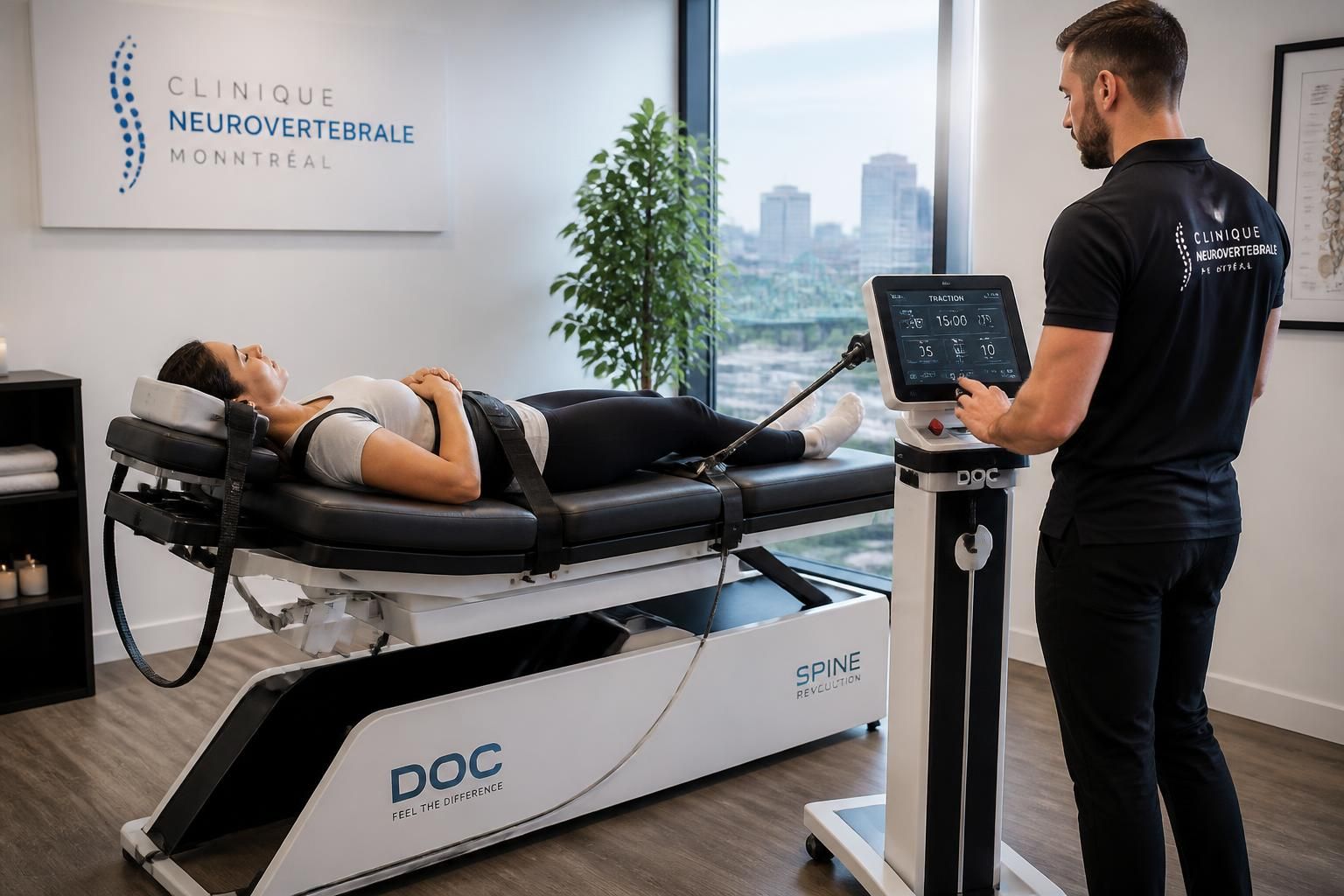
At TAGMED Clinic, neurovertebral decompression is performed using state-of-the-art equipment that allows traction force and duration to be adjusted according to the patient’s profile and treatment progress. Each session generally lasts between 20 and 30 minutes, with a personalized program combining several sessions, often between 15 and 25 depending on the severity and chronicity of symptoms.
This therapy involves gradual motorized traction applied to the lumbar region, with real-time monitoring to ensure that the force remains within comfort and effectiveness limits. The objective is to restore intervertebral space and reduce pressure on the nerves, thereby promoting noticeable improvement in pain and mobility.
Decompression is offered within a multidisciplinary framework that combines other orthopedic care as needed, such as specific osteopathy, precision percussion therapy, and an adapted rehabilitation program. This holistic approach makes it possible to address not only symptoms but also the mechanical and functional causes underlying sciatica.
Patients benefit from individualized follow-up by Dr. Sylvain Desforges, a recognized expert in neurovertebral decompression for several years. His practice combines traditional expertise and innovative technologies to maximize results while respecting patient safety and comfort.
Differences between neurovertebral decompression and other traction treatments
Unlike conventional traction, which is often manual or less precise, the motorized neurovertebral decompression used at TAGMED Clinic is computer-controlled. This allows for a gentler, gradual, and targeted application adapted to the patient’s individual biomechanics.
Compared with manual care alone, this technology acts more specifically on the redistribution of loads at the disc level. It is not a substitute for physiotherapy or osteopathic manipulation, but a complement that may optimize relief.
Compared with surgical interventions, decompression offers a less invasive alternative, without the risks inherent to surgery. However, it does not replace surgery when significant neurological deficits or severe compression require a specialist opinion.
The results of this method vary according to clinical profiles, highlighting the importance of rigorous selection and prior medical assessment. To better understand these differences, detailed comparisons are available, such as those provided by analyses comparing decompression and conventional traction.
Key points on neurovertebral decompression and sciatica
- Neurovertebral decompression uses controlled motorized traction to reduce nerve pressure.
- It is intended for patients with disc herniation, protrusion, stenosis, or radicular pain.
- It is integrated into multidisciplinary treatment combining physiotherapy, osteopathy, and medical follow-up.
- The protocol is personalized, adjusting the number and duration of sessions according to the clinical response.
- Safety and strict assessment of contraindications are priorities to avoid risk.
Who can benefit from neurovertebral decompression for sciatica?
Patients with sciatica related to a disc herniation, protrusion, or foraminal stenosis, with no major contraindications, may be candidates for this treatment after clinical assessment.
Is neurovertebral decompression painful?
Most patients find decompression comfortable, with gentle, gradual traction and sometimes a slight sensation of tension or temporary stiffness.
How many sessions are generally needed?
A typical program includes between 15 and 25 sessions, adapted according to symptom severity and observed progress.
What signs should raise concern and require urgent consultation?
Symptoms such as loss of bladder or bowel control, rapid or significant muscle weakness, or saddle anesthesia require immediate medical assessment.
Does neurovertebral decompression replace surgery?
It may be a conservative alternative for some patients, but does not replace surgery when surgery is medically justified.
If you experience radiating pain that may suggest sciatica, a specialized assessment can determine the likely causes and whether conservative treatment such as neurovertebral decompression may be appropriate. TAGMED Clinic, located in Mount Royal, offers personalized services to support your recovery in a professional and safe setting.
Book an appointment for an assessment
Dr. Sylvain Desforges, B.Sc., D.O., N.D., osteopath
This content is intended for educational purposes and does not replace a personalized assessment by a health-care professional.
