


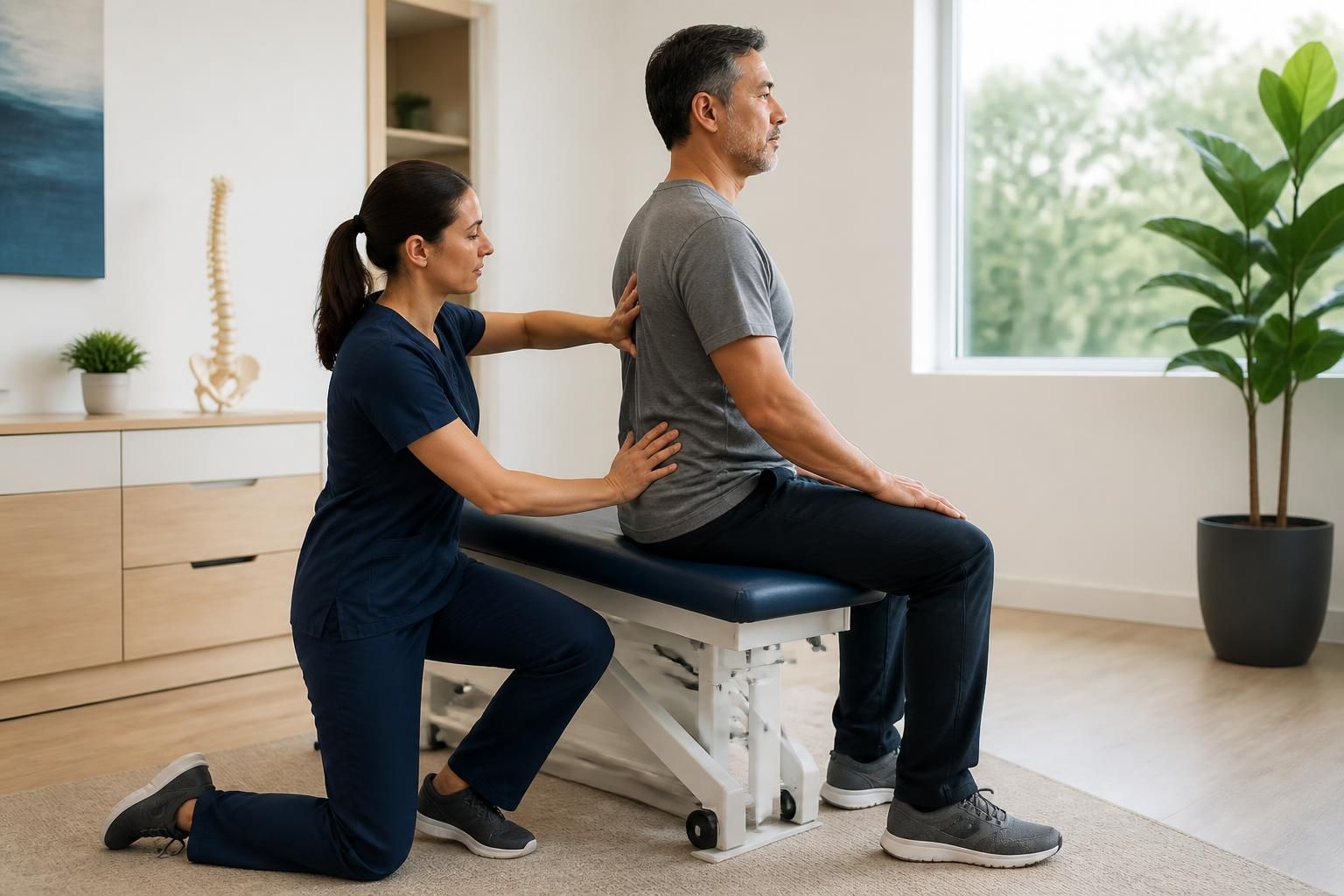
Neurovertebral decompression is a recognized therapeutic approach in Montréal, particularly in the Villeray neighbourhood, for relieving various spinal conditions such as sciatica or herniated discs. However, before using this technique, it is essential to conduct a thorough assessment to identify any contraindications that could compromise patient safety or treatment success.
This assessment is primarily based on an in-depth medical diagnosis, including the collection of medical history, a precise clinical examination, and the interpretation of medical imaging. Each case is unique, and several conditions make neurovertebral decompression inappropriate or risky. Understanding these limitations contributes to better care and an informed decision regarding possible treatments in Montréal and, more specifically, in Villeray.


In brief: key points on contraindications to neurovertebral decompression
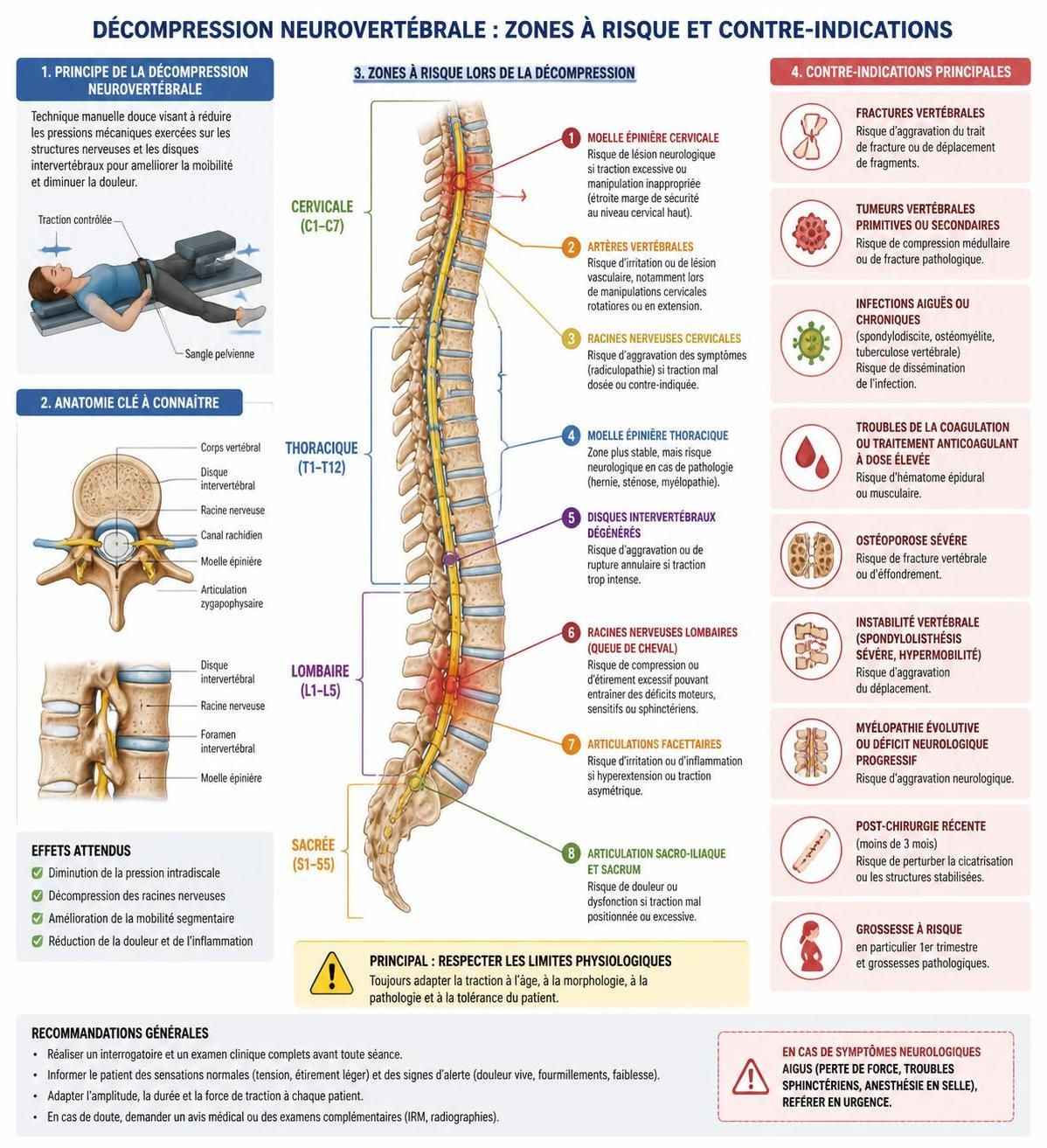
Severe osteoporosis increases the risk of fractures during decompression.
A recent or unhealed fracture is an important contraindication.
Manipulating a spine affected by a tumour or infection can worsen the situation.
Conditions such as spondyloarthritis make decompression risky or painful.
Characteristics and goals of neurovertebral decompression in clinical assessment
Neurovertebral decompression in Villeray is a motorized, controlled technique that involves applying gradual traction to the spine to relieve pressure on the intervertebral discs and nerve roots. This method particularly targets pain related to nerve compression, such as sciatica, and conditions associated with disc herniations or protrusions.
Its main purpose is to reduce pain, improve spinal mobility, and facilitate local blood circulation, which may promote the regeneration of affected tissues. This treatment is often performed using a specialized table, allowing precise control of the forces applied.
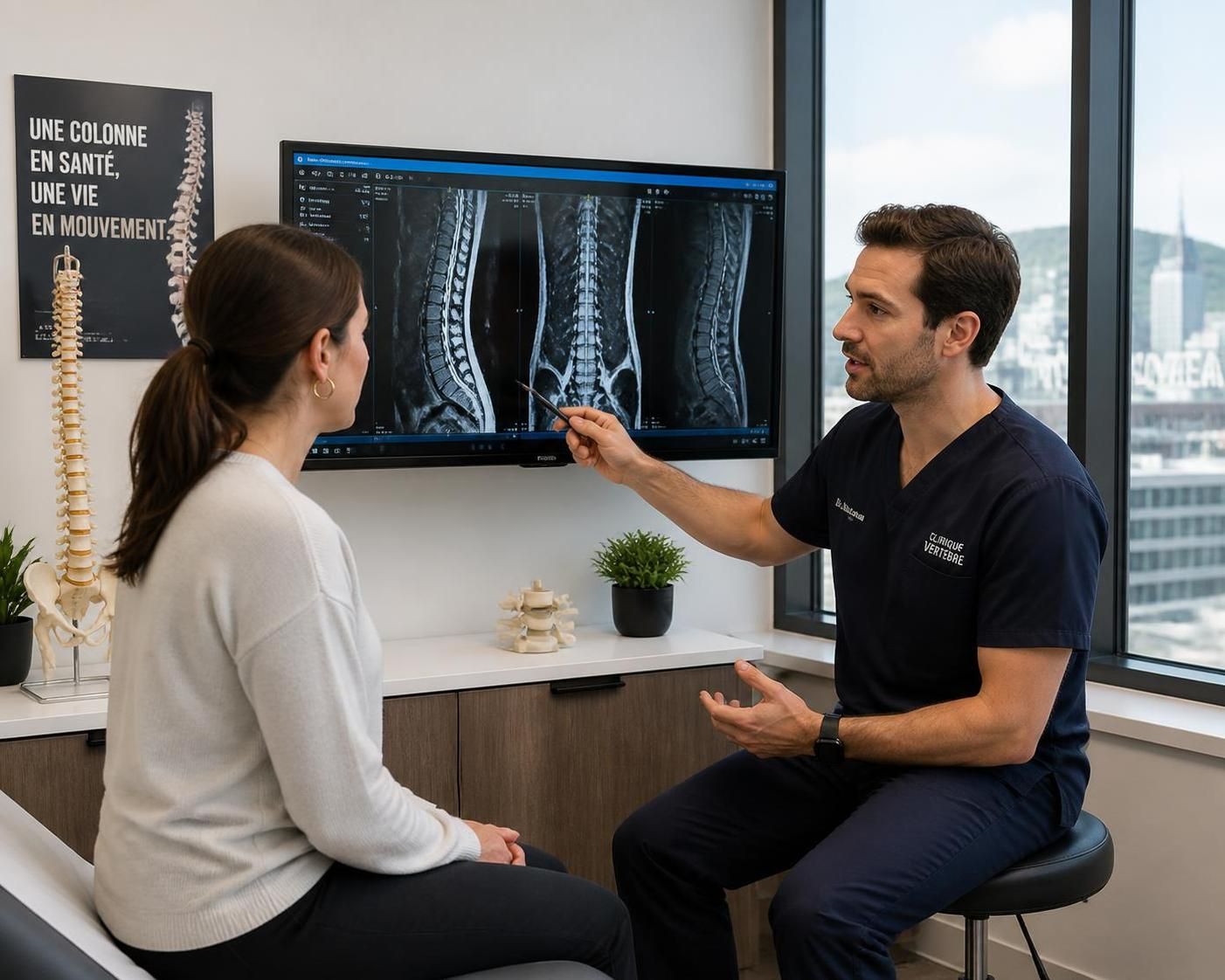
However, this intervention is not suitable for all clinical profiles. A thorough clinical analysis is essential before starting. This assessment includes a review of medical history, a focused physical examination, and consultation of diagnostic images such as X-rays or MRI scans to identify conditions that may contraindicate decompression.
For example, a patient with severe osteoporosis or a recent vertebral fracture will generally be excluded from the protocol to avoid the risk of fracture or worsening. In addition, certain severe inflammations or localized infections must be treated before any manipulation.
Thus, the procedure is appropriate when medical conditions permit spinal traction without compromising bone or neurological integrity. The prior assessment is used to ensure that treatment intended to relieve radicular or disc-related pain will not cause adverse effects.
Moreover, neurovertebral decompression does not replace urgent medical assessment or surgical treatments when these are indicated. Rather, it is a potentially effective conservative option for selected patients, accompanied by follow-up and ongoing reassessment of the protocol.
Differences from other approaches for spinal pain
Unlike conventional traction techniques, motorized neurovertebral decompression offers finer control and personalized adjustment of the forces applied. It also differs from manual care, which focuses more on muscle relaxation and joint mobility, as well as therapeutic exercises, which play an essential role in functional rehabilitation.
It is important to note that this method may complement other conservative interventions, including specific osteopathy available in the Montréal area, including Villeray, where specialized services are accessible. Nevertheless, it must always be administered under professional supervision following a careful clinical analysis.
Main contraindications to be aware of during assessment before neurovertebral treatment
Neurovertebral decompression may involve risks when applied to patients with certain spinal conditions. Identifying these contraindications is crucial for patient safety and treatment success.
Severe osteoporosis: Bone fragility increases the risk of vertebral fractures during traction. Bone density should therefore be assessed beforehand, particularly through tests such as bone densitometry.
Recent vertebral fractures: Any unhealed fracture formally excludes decompression in order not to disrupt bone healing and to avoid worsening pain.
Spinal tumours or infections: Decompression is not recommended in the presence of benign or malignant tumours, or for infections such as spondylodiscitis. These situations require specialized medical treatment.
Chronic inflammatory diseases: Conditions such as ankylosing spondylitis cause inflammation of the spinal joints that may be aggravated by neurovertebral decompression.
Spondylolisthesis: The partial slippage of one vertebra over another creates instability, and traction may increase this displacement, increasing the risk of pain or neurological deficits.
Vascular diseases: Certain conditions affecting blood circulation around the spine may be susceptible to worsening through the mechanical modulation of decompression.
Taking these contraindications into account, the professional in Villeray will adapt the treatment plan or refer the patient to another form of care that is safe and better suited to the clinical situation.
To learn more about these precautions before undertaking neurovertebral decompression, it is advisable to consult a specialist trained in this methodology and provide a complete medical history.
Factors affecting the choice and management of neurovertebral treatment in Villeray
The absence of one or more contraindications does not automatically guarantee the success of neurovertebral decompression. Several factors can influence effectiveness and patient tolerance.
Position and daily activity: Certain prolonged postures, such as sitting during office work or remote work common in Montréal neighbourhoods such as Villeray, can worsen disc pressure. Conversely, certain adapted movements may relieve symptoms.
Duration and progression of symptoms: Persistent pain or progressive weakness may require ongoing reassessment to avoid worsening, especially if numbness or motor problems appear.
Individual response: The response to motorized traction varies from one patient to another. Some experience rapid relief, while others may experience temporary stiffness or worsening.
The integration of specific exercises, under supervision, can help improve flexibility and spinal stability, but must be adapted to the patient’s profile to avoid overexertion. In the event of unusual signs or a recurrence of pain, it is essential to stop the protocol and seek prompt consultation.
Neurovertebral decompression is also influenced by the quality of the initial assessment, the accuracy of the medical diagnosis, and the experience of the practitioner, who carefully adjusts the treatment parameters.
For a better understanding of the factors that determine the choice of decompression compared with other conservative options, local resources in Montréal may be consulted, including clinical analyses that take patients’ lifestyle habits into account.
When to consult a professional in Villeray for an assessment for neurovertebral decompression
It is important to consult an experienced health professional as soon as you experience radicular low back pain, numbness, tingling, or any muscle weakness that could accompany a condition consistent with nerve compression.
- Persistent or recurrent pain below the knee or radiating into the leg
- Functional limitations, including difficulty walking or remaining seated
- Numbness or localized loss of sensation in a lower limb
- Progressive muscle weakness
- Pain that disrupts sleep or worsening symptoms despite rest
- Loss of bladder or bowel control, numbness in the perineal (saddle) area, to be considered a medical emergency
- Unexplained fever or deterioration in general health
- Recent severe trauma involving the spine
- Known cancer or suspected associated serious disease
These signs should promptly lead to a thorough clinical assessment, including a medical diagnosis followed by a discussion of appropriate treatment options, including the possibility of neurovertebral treatment in a safe setting.
To better understand the contraindications to neurovertebral decompression and the clinical signs to monitor, it is advisable to attend a specialized consultation at a recognized centre, such as TAGMED Clinic in Mont-Royal, near Villeray.
Management options adapted to contraindications and patient profiles in Villeray
When a contraindication to neurovertebral decompression is identified, several alternatives may be considered to manage spinal pain and its associated symptoms.
Maintaining or gradually resuming activity: In cases without a major contraindication, a gradual return to physical activity may be encouraged, with adjustments suited to daily life.
Personalized therapeutic exercises: Supervised to improve mobility, posture, and muscular stability, often combined with physiotherapy.
Manual care and specific osteopathy: These approaches may provide muscle relaxation and postural adjustment, complementary to neurovertebral treatment, as offered at TAGMED Clinic.
Medications: Under medical supervision, anti-inflammatory medications or analgesics may be used to reduce pain and inflammation.
Injections: In some cases, they may be considered to target nerve inflammation.
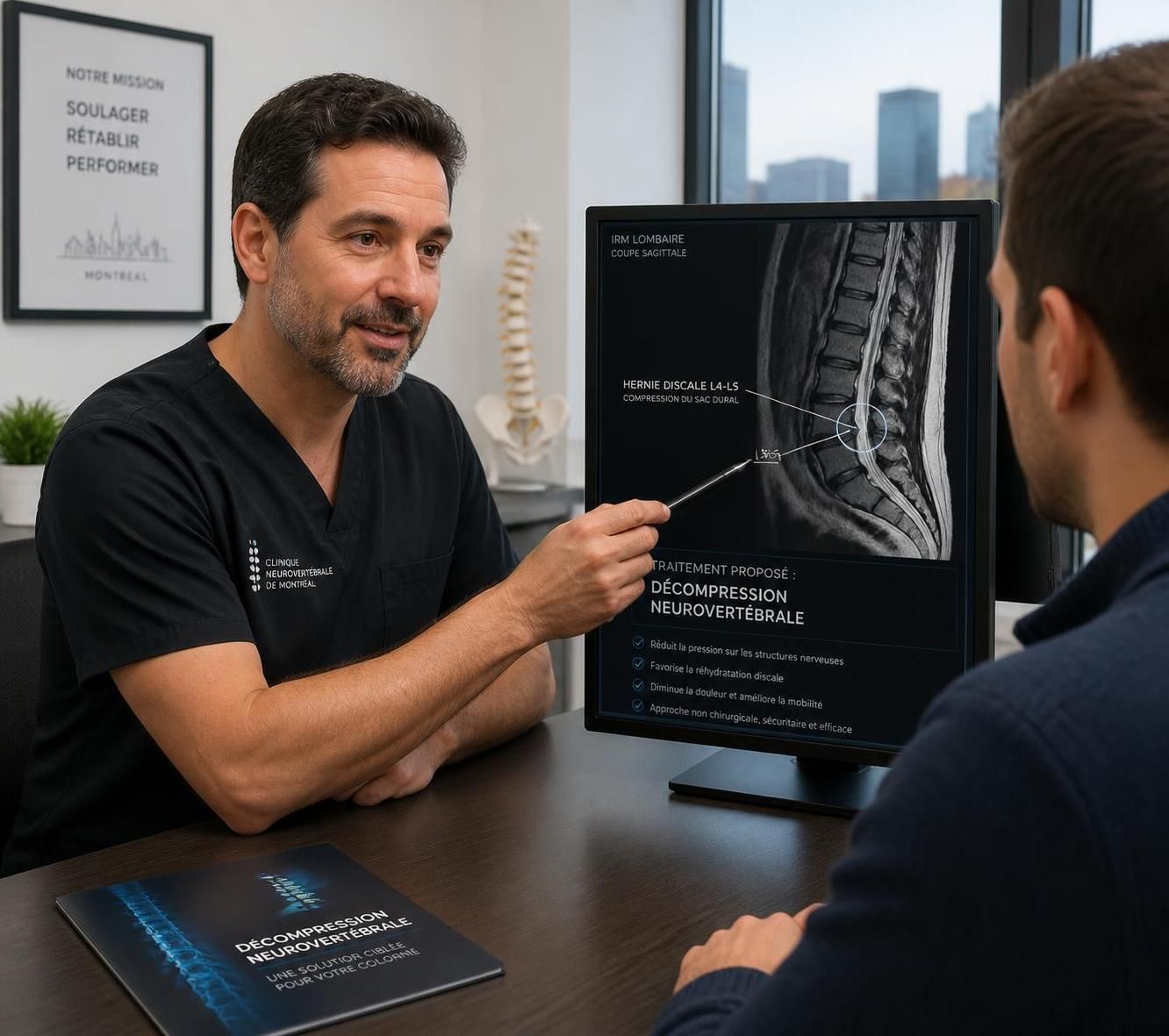
Motorized neurovertebral decompression: For compatible patients, this method is an interesting non-surgical option, always requiring a complete assessment and rigorous follow-up.
Surgery: In cases of major neurological deficits or failure of conservative treatments, surgery may be offered according to specialist recommendations.
It is important to note that the choice of management depends on symptom severity, the contraindications identified, and the functional impact on daily life.
| Therapeutic option | Indications | Limitations and precautions |
|---|---|---|
| Maintaining and gradually resuming activity | Moderate pain without major complications | Must be adapted according to individual tolerance |
| Therapeutic exercises | Muscle strengthening and mobilization | Requires professional supervision to avoid overexertion |
| Manual care and osteopathy | Muscle relaxation and postural correction | Contraindicated in cases of infection, fracture, or tumour |
| Medications | Pain and inflammation control | Use under medical supervision to avoid side effects |
| Injections | Localized nerve inflammation | Risks of side effects and possible infections |
| Neurovertebral decompression | Selected patients without major contraindications | Personalized protocol with ongoing monitoring; variable results |
| Surgery | Significant neurological deficits or failure of conservative treatment | Surgical risks and recovery period |
What are the main conditions that prevent neurovertebral decompression?
The most common contraindications include severe osteoporosis, recent vertebral fractures, bone tumours or infections, chronic inflammatory diseases, and spondylolisthesis.
How is the assessment conducted before neurovertebral decompression?
It includes a detailed clinical examination, a review of medical history, and analysis of imaging such as MRI scans to identify risks and determine eligibility for treatment.
What signs require urgent consultation before beginning decompression?
Rapidly progressive muscle weakness, loss of bladder or bowel control, severe pain associated with fever, or severe trauma require immediate medical assessment.
Is neurovertebral decompression suitable for all types of low back pain?
No, this treatment is reserved for specifically selected patients following an assessment, particularly those with symptoms consistent with nerve compression and without major contraindications.
Which health professionals can provide neurovertebral decompression in Montréal?
Trained specialists, including certain osteopaths and kinesiologists, although it is important that these professionals adapt treatment to the patient’s profile to ensure safety and effectiveness.
If you experience pain that may be consistent with nerve compression or would like to learn more about neurovertebral treatment options near Villeray, a specialized assessment can help you better understand your situation. This assessment will help identify potential contraindications, signs to monitor, and the relevance of appropriate conservative care.
Dr. Sylvain Desforges, B.Sc., D.O., N.D., osteopath
This content is for educational purposes and does not replace a personalized assessment.
