





Thoracic outlet syndrome vs cervical radiculopathy: arm numbness and weakness
Thoracic outlet syndrome and cervical radiculopathy may both cause arm pain, numbness, tingling or weakness. Thoracic outlet syndrome involves the brachial plexus or subclavian vessels near the shoulder girdle, while radiculopathy begins at a cervical nerve root.
Thoracic outlet syndrome is classified as neurogenic, venous or arterial. Neurogenic TOS is the most common proposed form and remains a challenging clinical diagnosis because symptoms overlap with cervical radiculopathy, carpal tunnel syndrome, ulnar neuropathy, shoulder disease and persistent pain. Venous or arterial TOS can present with swelling, colour change, thrombosis, coldness or embolic symptoms and requires a vascular pathway.
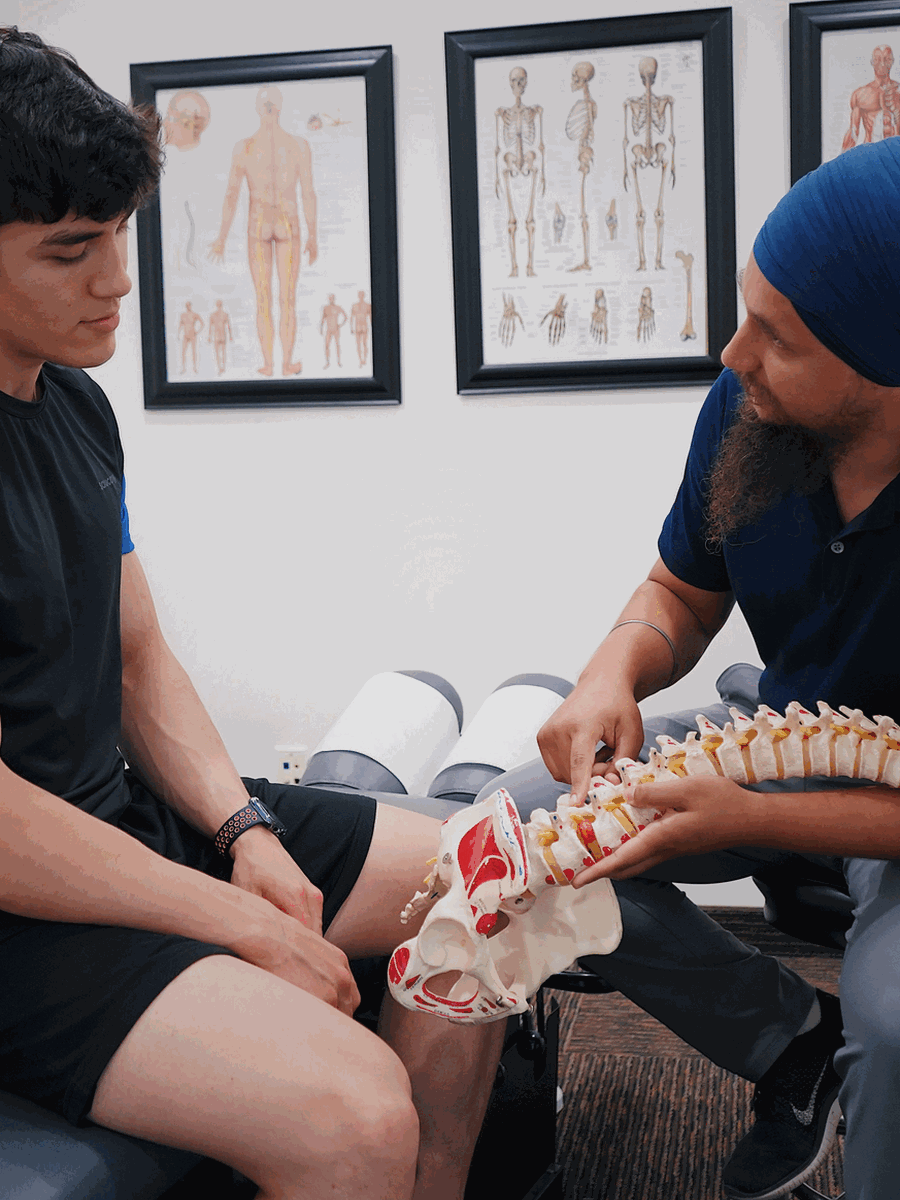
Assessment and differential diagnosis
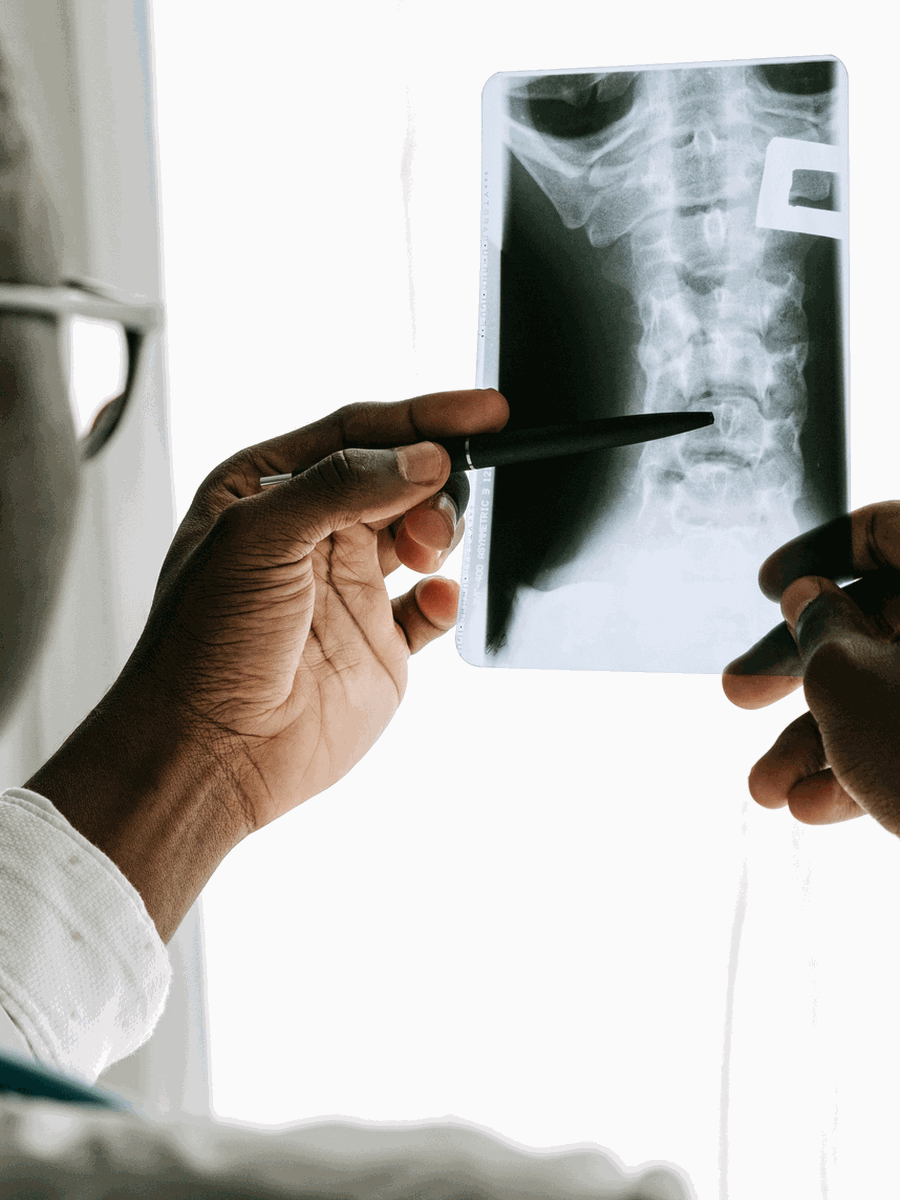
The examination compares neck motion, Spurling testing, strength, sensation, reflexes, shoulder examination, brachial-plexus tenderness and provocative tests such as the elevated arm stress test and Tinel sign. Positive provocative tests are not specific enough to confirm TOS alone. Cervical and chest radiographs may identify cervical ribs or bony anomalies. MRI, ultrasound, CT angiography, venography or electrodiagnostic testing are selected according to whether the suspected problem is neurogenic, venous, arterial or cervical.
| Clinical pattern | Possible interpretation | Why it matters |
|---|---|---|
| Neck pain with dermatomal arm symptoms and reflex change | Cervical radiculopathy more likely | Evaluate the corresponding nerve root. |
| Symptoms with overhead activity and diffuse hand involvement | Neurogenic TOS possible | Exclude cervical and peripheral nerve disorders. |
| Acute arm swelling or venous thrombosis | Venous TOS emergency pathway | Urgent vascular imaging and treatment are required. |
| Hand ischaemia, embolic event or absent pulse | Arterial TOS urgent pathway | Limb-threatening vascular disease must be excluded. |


Treatment and decision-making
Consensus recommendations support conservative management as first line for most neurogenic TOS without major atrophy or weakness. Care may include education, activity modification, breathing and postural strategies, scapular and cervical rehabilitation and neural-mobility work when tolerated. Surgery may be considered for severe objective deficit or persistent well-characterized symptoms after structured care. Venous and arterial TOS require specialist vascular management and may involve anticoagulation, thrombolysis, decompression or reconstruction.
How to interpret progress and avoid common mistakes
A credible plan should explain not only what treatment may be tried, but also how the diagnosis will be reconsidered if the expected response does not occur. Pain intensity can fluctuate for reasons that do not necessarily reflect tissue damage, while neurological or systemic deterioration can occur even when pain changes little. For that reason, progress should be judged with several measures rather than one daily pain score.
Establish a baseline
Record symptom distribution, aggravating activities, walking or sitting tolerance, sleep, medication use and the neurological findings relevant to this condition.
Choose a meaningful goal
Define a practical target such as walking farther, sleeping through the night, returning to work, tolerating sitting or recovering strength.
Use a planned review point
Decide in advance when the response will be reviewed rather than continuing indefinitely because a treatment package has not been completed.
Separate symptom relief from diagnosis
A temporary improvement after medication, manual care, injection or a device does not by itself prove that the proposed structure was the true pain source.
Watch the overall trajectory
Small day-to-day fluctuations are common. The more important question is whether function, neurological safety and participation are improving over time.
Escalate when the pattern changes
New weakness, systemic illness, vascular change, severe night pain or loss of bladder or bowel control requires a different pathway rather than more of the same treatment.
Assumptions that should be avoided
- Do not assume that every abnormal image is symptomatic.
- Do not assume that one negative test excludes the condition when clinical suspicion remains.
- Do not use treatment response as the only diagnostic test.
- Do not delay referral simply to finish a predetermined number of visits.
- Do not generalize results from a narrowly selected trial population to every person with a similar label.
- Do not interpret the absence of severe pain as proof that neurological or systemic risk is absent.
Shared decision-making is strongest when uncertainty is stated directly. A provider should be able to explain which findings support the working diagnosis, which competing diagnoses remain possible, what evidence applies to the proposed intervention, and what would trigger imaging, laboratory testing, specialist referral or a change of plan. When several conditions can produce similar symptoms, the safest approach is often staged: first exclude urgent disease, then identify the most likely mechanism, begin proportionate care and reassess against objective goals.
Questions before choosing care
What is the leading diagnosis?
Ask which findings support it and which alternatives remain.
What test would change care?
Avoid testing that cannot alter the next step.
What result matters?
Track function, neurological safety and meaningful activity.
When should the plan change?
Define referral, stopping and escalation criteria.
Relevant specialized resources
Some resources may share ownership or editorial direction; this relationship is disclosed and the links are included for contextual relevance.
Clinique TAGMED
Clinical information about selected cervical and upper-limb presentations.
Frequently asked questions
Is TOS the same as a pinched nerve in the neck?
No.
Can neck movement reproduce TOS symptoms?
It may, but a clear cervical pattern raises radiculopathy concern.
Does a positive elevated arm stress test prove TOS?
No.
Can a cervical rib cause TOS?
It can contribute, but many cervical ribs are asymptomatic.
What causes arm swelling in TOS?
Venous compression or thrombosis may cause swelling.
Which imaging is used?
It depends on whether the concern is neurogenic, venous or arterial.
Can EMG distinguish the conditions?
It may help identify radiculopathy or peripheral nerve disease, but normal testing does not exclude all neurogenic TOS.
Is surgery always required?
No.
When is surgery urgent?
Vascular compromise or major progressive neurological deficit may require urgent care.
Does The Spine Page diagnose TOS?
No.
Sources consulted
- Society for Vascular Surgery — TOS reporting standards
- INTOS Workgroup — Neurogenic TOS consensus recommendations
- ACR Appropriateness Criteria — Thoracic Outlet Syndrome
- Szaro et al. — MRI for suspected neurogenic TOS
Last editorial review: July 2026. General educational information only.
Dr. Sylvain Desforges, B.Sc., D.O., N.D., osteopath — The Spine Page
Continue exploring spine health
Use the condition and treatment hubs to compare related guides.
The Spine Page — The best treatments for your spinal problems — www.thespinepage.com