





Tarlov cysts: incidental MRI finding or symptomatic sacral nerve cyst?
Tarlov cysts are cerebrospinal-fluid-filled perineural cysts that usually arise around sacral nerve roots. Most are incidental, but selected cysts may cause sacral pain, radicular symptoms, pelvic or perineal sensory disturbance, bladder, bowel or sexual dysfunction.
Tarlov cysts form between layers of the nerve-root sheath and can communicate with the subarachnoid space. Their size and pressure may increase with cerebrospinal-fluid pulsation, standing, coughing or straining. Because sacral cysts are commonly found on MRI, symptom attribution requires a detailed anatomical and neurological match rather than size alone.
Assessment and differential diagnosis
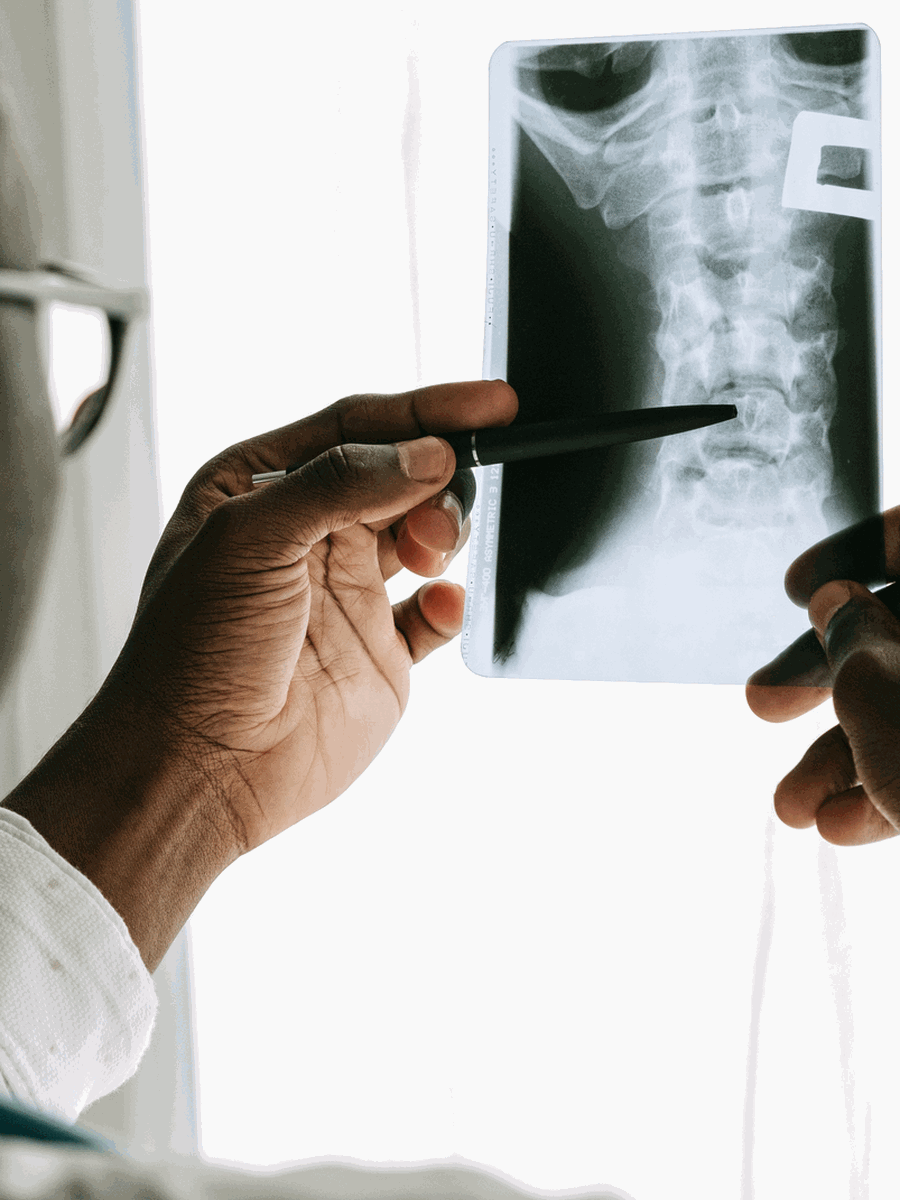
A dedicated sacral MRI should characterize the number, level, size, nerve-root relationship, bone erosion and communication features. Symptoms should be mapped to sacral dermatomes and functions, including sitting intolerance, perineal sensation, bladder, bowel and sexual function. Other causes—lumbar disc disease, stenosis, hip and sacroiliac disorders, pelvic disease, peripheral neuropathy and persistent pain—must be reviewed. Diagnostic strategies described in specialized centres include symptom questionnaires, electrodiagnostic testing, targeted nerve-root block or temporary cyst aspiration, but no single test perfectly confirms causation.
| Clinical pattern | Possible next step | Why it matters |
|---|---|---|
| Small incidental cyst without matching symptoms | Observation and treatment of another diagnosis | The cyst may be unrelated. |
| Concordant sacral symptoms without major deficit | Conservative and specialist assessment | The natural history and disability should be documented. |
| Temporary improvement after aspiration or targeted block | Symptomatic cyst becomes more plausible | The response may help select an intervention. |
| Progressive bladder, bowel, sexual or motor dysfunction | Prompt specialist assessment | Sacral nerve function may be threatened. |

Treatment and decision-making
Asymptomatic cysts require no intervention. Conservative care may include activity adaptation, medication, pelvic-floor or neurological rehabilitation and management of associated spine conditions. Percutaneous aspiration followed by fibrin sealant injection is used in some specialized centres; it is less invasive but can cause headache, aseptic meningitis, nerve irritation, recurrence or other complications. Surgical strategies include fenestration, imbrication, repair, wrapping or decompression, with risks of cerebrospinal-fluid leak, new neurological deficit and recurrence. The choice requires an experienced multidisciplinary team and careful symptom attribution.
How to interpret the finding in practice
The greatest diagnostic error is at either extreme: assuming every sacral cyst is harmless or assuming every symptom is caused by the cyst. A structured symptom–anatomy correlation is essential before an invasive procedure.
Map the symptoms
Document sacral dermatomes and bladder, bowel and sexual functions.
Use dedicated imaging
Routine lumbar MRI may not fully evaluate the sacrum.
Exclude common causes
Disc, stenosis, hip and pelvic disorders are more common.
Record pressure effects
Sitting, standing and straining patterns may be informative.
Discuss procedure risks
CSF leak and neurological complications are clinically important.
Seek experienced centres
Symptomatic Tarlov cyst management is specialized.
How to monitor the condition and avoid interpretation errors
A diagnosis based partly on imaging should be reviewed over time rather than treated as a permanent explanation for every symptom. The condition may remain stable, become less clinically relevant or coexist with a second problem. A useful follow-up records the neurological examination, the activities that are limited, the treatment response and the circumstances that would justify new imaging or specialist referral.
Record a functional baseline
Document walking, sitting, lifting, sleep, work, sport and self-care before beginning treatment.
Separate local and neurological symptoms
Local pain, referred pain, numbness and objective weakness should not be treated as interchangeable outcomes.
Use imaging for a question
Repeat imaging is most useful when the result may alter diagnosis, urgency or treatment.
Review competing diagnoses
Hip, sacroiliac, vascular, inflammatory, peripheral nerve and persistent-pain mechanisms may coexist.
Define a stopping rule
A procedure or treatment package should not continue automatically without meaningful progress.
Communicate uncertainty
A credible explanation distinguishes what is confirmed, what is probable and what remains unknown.
Common interpretation errors
- Assuming that the largest or most unusual MRI finding must be the pain source.
- Using temporary symptom relief as proof of a structural diagnosis.
- Ignoring neurological change because pain intensity has decreased.
- Repeating passive treatment when function and participation are not improving.
- Applying the results of a small specialist case series to every person with the same imaging label.
- Delaying medical or surgical referral to complete a predetermined number of visits.
Shared decision-making is strongest when the provider explains the expected natural history, the quality of the evidence, the main alternatives and the risks of both treatment and observation. The person should know which changes can be monitored routinely and which require prompt reassessment. For uncommon or controversial diagnoses, a second opinion from a clinician experienced with the specific condition may be more valuable than adding another non-specific treatment.
Questions before choosing care
What is the leading diagnosis?
Ask which symptoms and examination findings support it.
What alternative remains possible?
Common competing causes should be reviewed before an invasive procedure.
What test changes management?
Avoid imaging or procedures that cannot alter the next step.
What outcome matters?
Track function, neurological safety and meaningful activity.

A single image or label rarely establishes the complete cause or the best treatment by itself.
Relevant specialized resources
Some resources may share ownership or editorial direction; this relationship is disclosed and the links are included for contextual relevance.
Frequently asked questions
Are Tarlov cysts common?
They are not rare on sacral MRI, but most are asymptomatic.
Does cyst size determine symptoms?
No. Size is only one factor.
Can they cause bladder symptoms?
Selected symptomatic cysts may affect sacral bladder function.
Can they cause sciatica?
They may produce sacral radicular pain, but lumbar causes must be excluded.
Is a lumbar MRI sufficient?
A dedicated sacral MRI may provide better characterization.
Can cysts grow?
Growth can occur, but the natural history is variable.
Does aspiration cure the cyst?
Relief may be temporary and recurrence is possible.
What is fibrin sealant treatment?
A percutaneous procedure using aspiration followed by a sealant injection.
When is surgery considered?
For carefully selected disabling or progressive symptomatic cases.
Does The Spine Page diagnose Tarlov cysts?
No.
Sources consulted
- Murphy et al. — Management of Tarlov cysts and over 1,000 referrals
- Kameda-Smith et al. — Surgical treatment meta-analysis
Last editorial review: July 2026. General educational information only.
Dr. Sylvain Desforges, B.Sc., D.O., N.D., osteopath — The Spine Page
Continue exploring spine health
Use the condition and treatment hubs to compare related guides.
The Spine Page — The best treatments for your spinal problems — www.thespinepage.com