


Spinal osteoarthritis: facet changes, stiffness, stenosis and treatment
Spinal osteoarthritis affects joints and surrounding tissues in the neck or lower back. Imaging changes are common with age and do not automatically explain pain or disability.
Osteoarthritis involves gradual tissue change rather than simple mechanical wear. In the spine it may affect facet joints, contribute to bone spurs and coexist with disc degeneration. Some people develop stiffness or localized pain; others develop stenosis and nerve symptoms.
Assessment and differential diagnosis
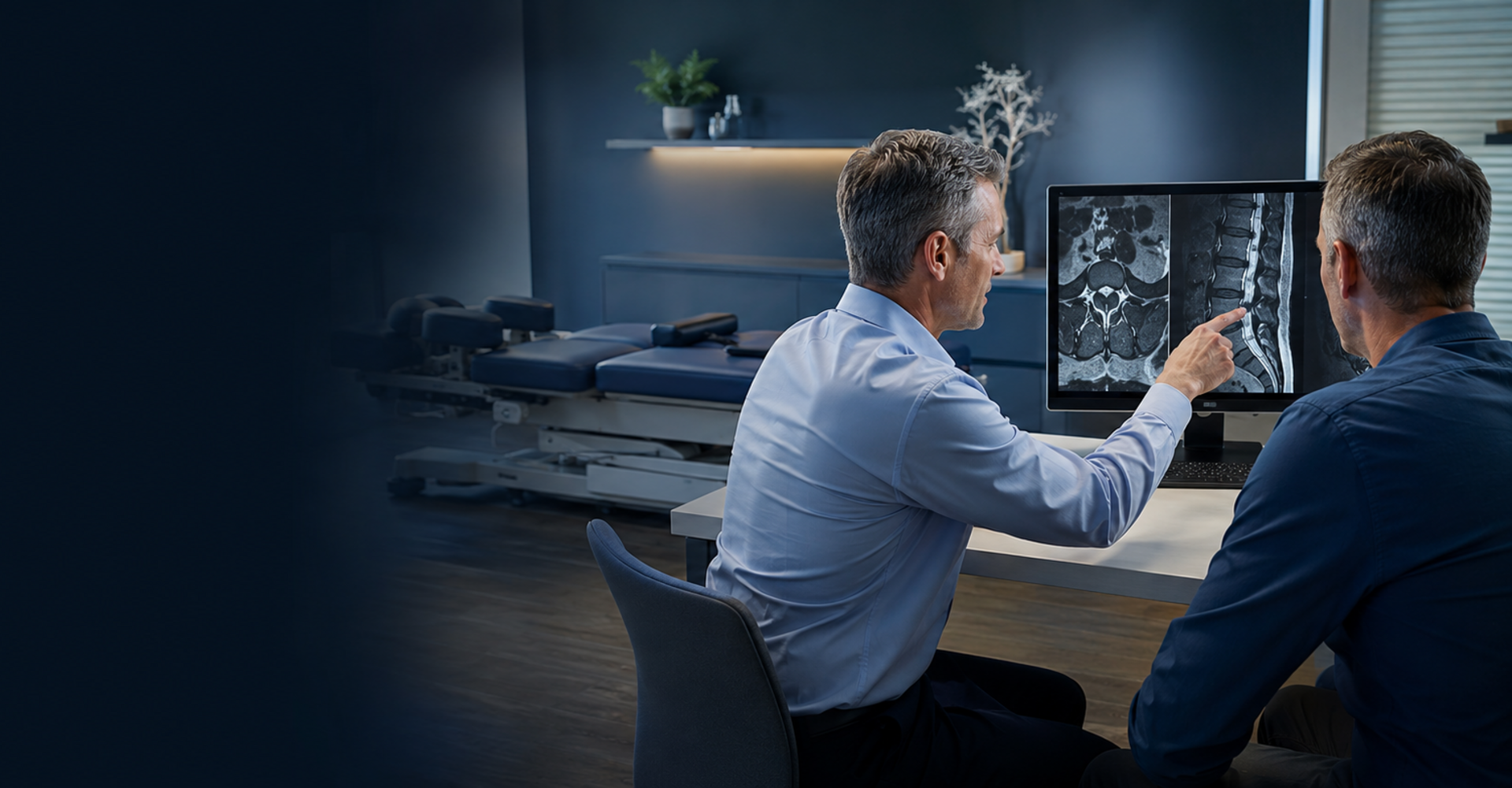
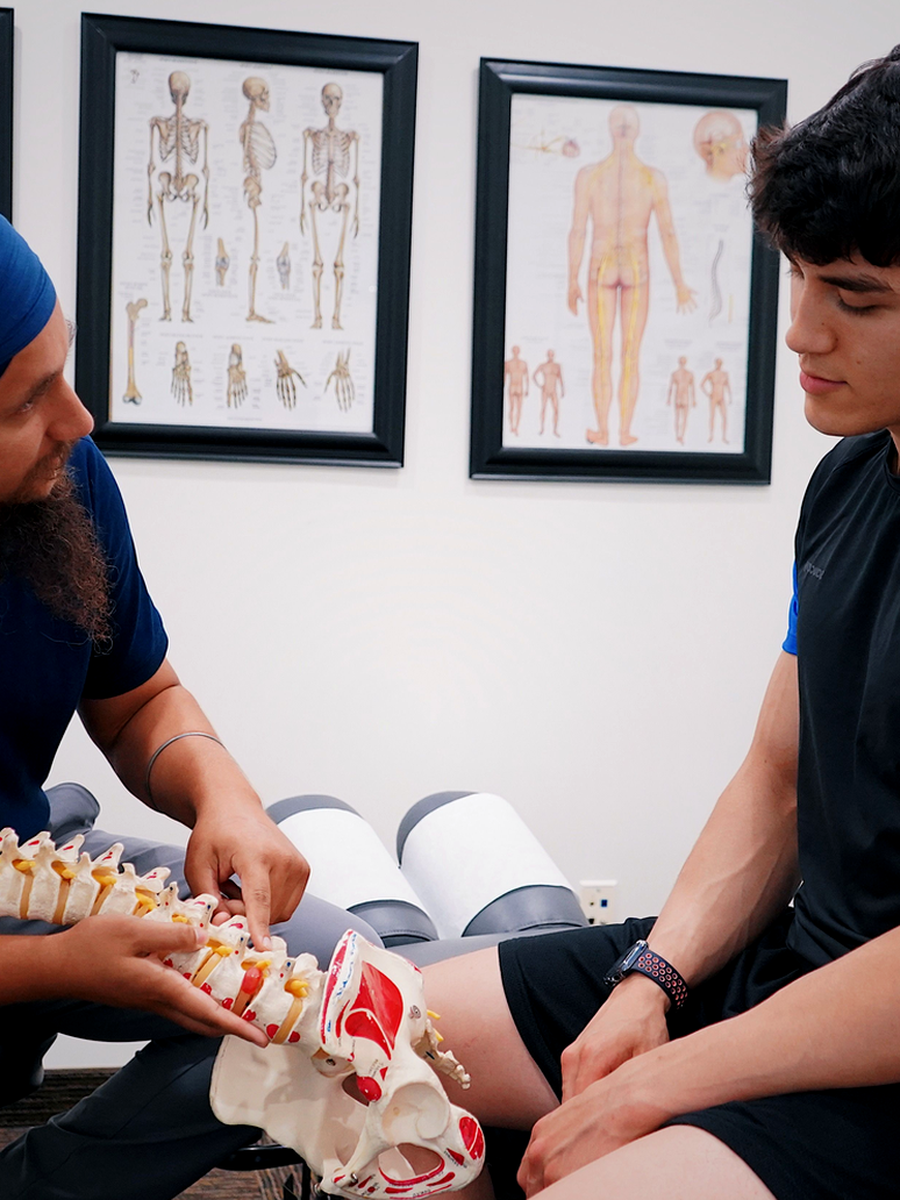
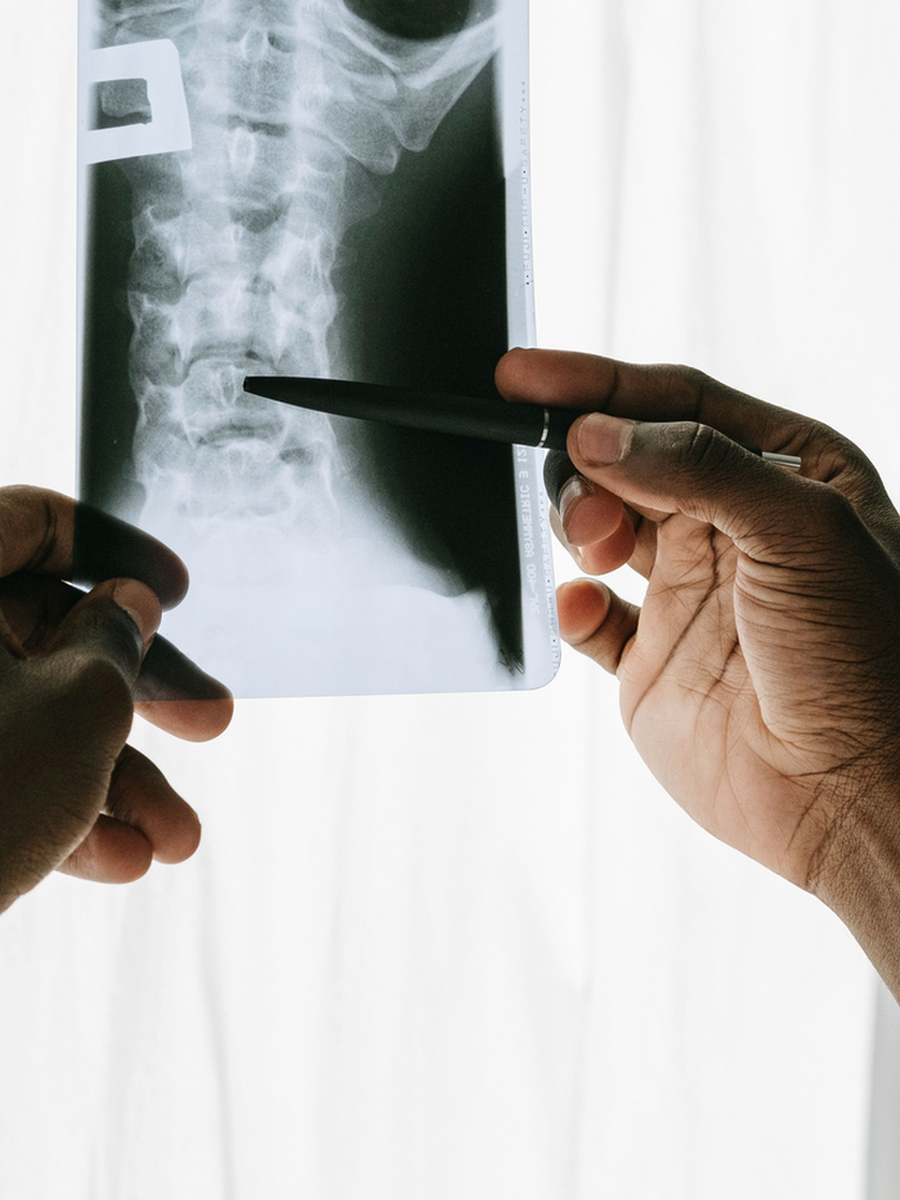
Diagnosis begins with history and examination. X-rays show joint-space loss, remodeling and bone spurs, while MRI better evaluates soft tissues and neural structures. Blood tests may be used when inflammatory arthritis or another disease is suspected.
| Clinical situation | Possible next step | Why it matters |
|---|---|---|
| Localized stiffness and pain | Education, exercise and symptom management | Function is the main target. |
| Radicular or walking symptoms | Assess for stenosis | Neural narrowing may drive treatment. |
| Inflammatory or systemic features | Investigate another arthritis type | Osteoarthritis may not be the full explanation. |
Treatment and management
Management often includes education, exercise, strength, endurance, weight management where relevant and medication after risk assessment. Manual therapy may provide short-term support within an active program. Procedures or surgery are reserved for selected pain generators, stenosis or neurological compromise.
Questions for shared decision-making
Before choosing care, ask the provider to explain the working diagnosis, expected outcome, alternatives and review point.
What is the target?
Identify the structure, mechanism or functional problem being addressed.
What outcome matters?
Define measurable goals for pain, walking, sleep, work or daily activity.
What are the alternatives?
Compare active care, medication, procedures, technology and surgery when relevant.
When should the plan change?
Set criteria for stopping, modifying or escalating care.
Related guides
Facet joint syndrome
Degenerative disc disease
Specialized external resources
These links lead to independent specialized websites and do not change the educational role of The Spine Page.
Clinique TAGMED
Clinical information about motorized spinal decompression and disc-related conditions.
SOS Sciatique
Focused guides about sciatica, nerve-root symptoms and warning signs.
Frequently asked questions
Is spinal osteoarthritis normal ageing?
Age is a risk factor, but symptoms and disability vary greatly.
Does every bone spur cause pain?
No.
Can osteoarthritis cause stenosis?
It can contribute.
Can exercise help?
Yes.
Can arthritis be cured?
Current care focuses on symptoms, function and risk factors rather than cure.
Is MRI always necessary?
No.
Can manipulation remove arthritis?
No.
Are anti-inflammatory medicines always safe?
No; benefits and risks must be reviewed.
When is surgery considered?
For selected stenosis, instability or neurological compromise.
Does The Spine Page diagnose arthritis?
No.
Sources consulted
- NIAMS — Osteoarthritis overview
- NIAMS — Osteoarthritis diagnosis and treatment
- WHO — Rehabilitation interventions for musculoskeletal conditions
Last editorial review: July 2026. General educational information only.
Dr. Sylvain Desforges, B.Sc., D.O., N.D., osteopath — The Spine Page
Continue exploring spine health
Use the condition and treatment hubs to compare the next steps.
The Spine Page — The best treatments for your spinal problems — www.thespinepage.com