




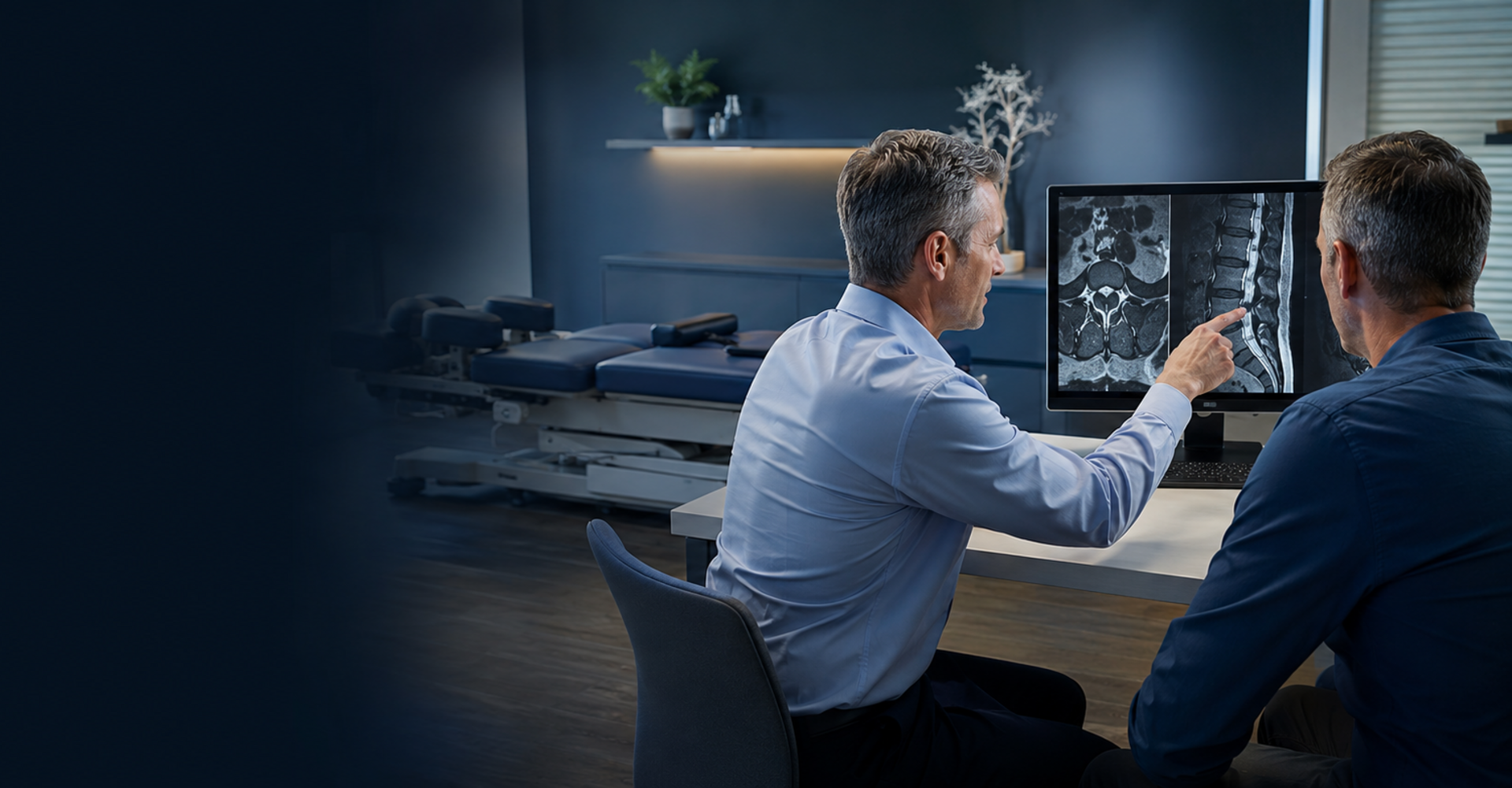
Spinal decompression session, protocol and reassessment: what to expect
A spinal decompression protocol should begin with diagnosis, contraindication screening and baseline measures. Table settings are only one part of a monitored plan with reassessment and stopping criteria.
Motorized decompression uses controlled distraction or traction according to position, angle, force, cycles and duration. Devices and protocols vary, and no universal schedule is established for every condition.
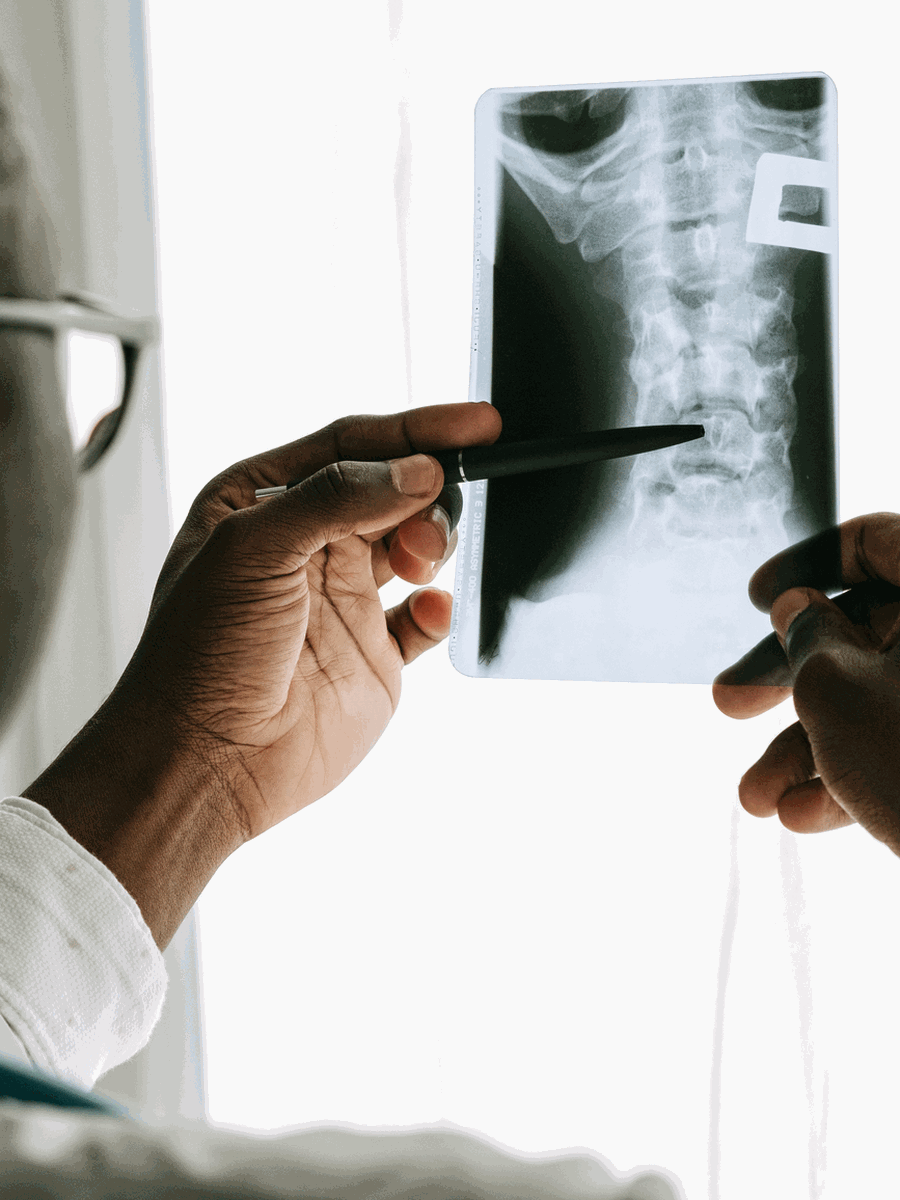
Assessment and decision points
Baseline measures may include pain distribution, strength, sensation, walking, sleep, medication use and functional tasks. Early sessions assess tolerance, and a larger review point decides whether to continue, modify, pause or stop.
| Clinical situation | Possible next step | Why it matters |
|---|---|---|
| Symptoms centralize or function improves | Continue with documented goals | Response should be measurable. |
| Pain travels farther or numbness expands | Reduce, pause or reassess | Distal worsening may indicate irritation. |
| New weakness or red flags | Stop and assess urgently | Do not continue to finish a package. |
Management and treatment choices
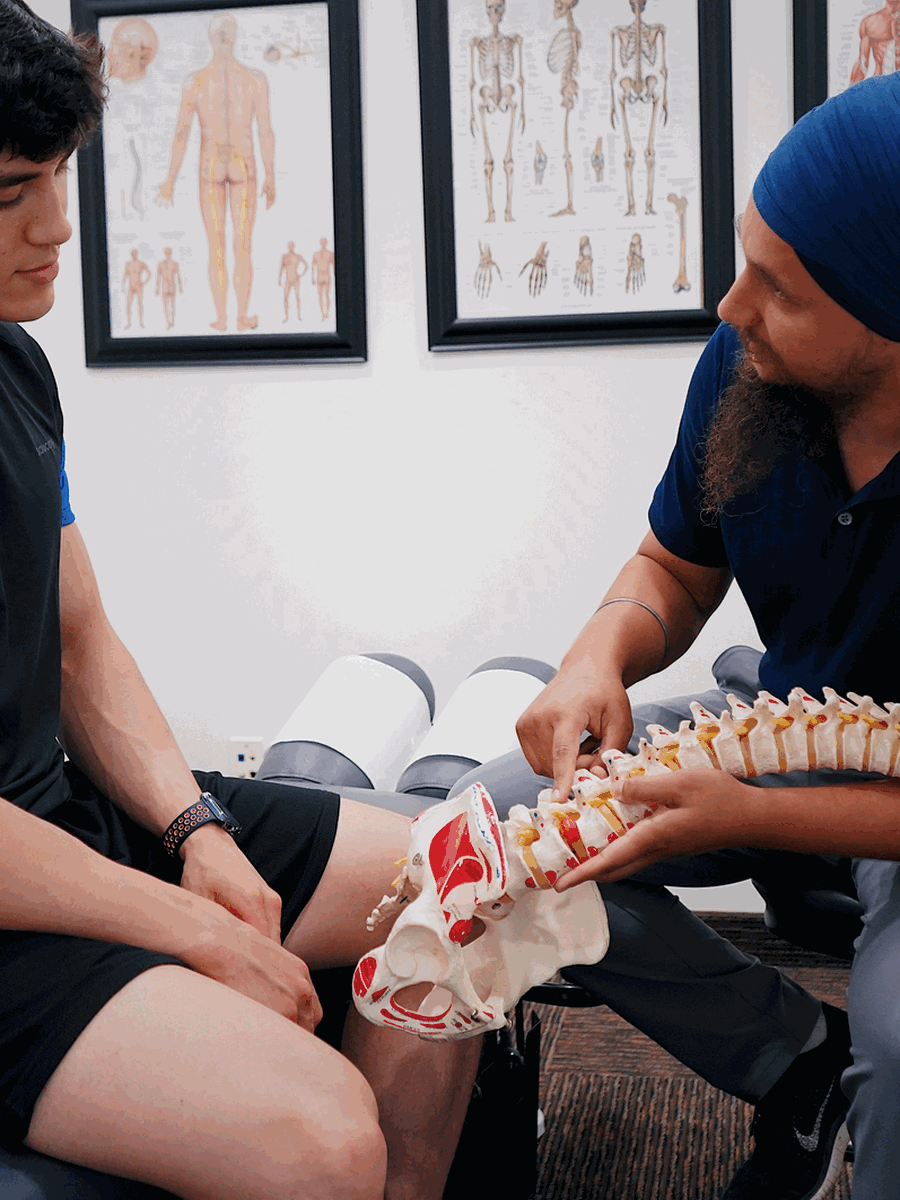
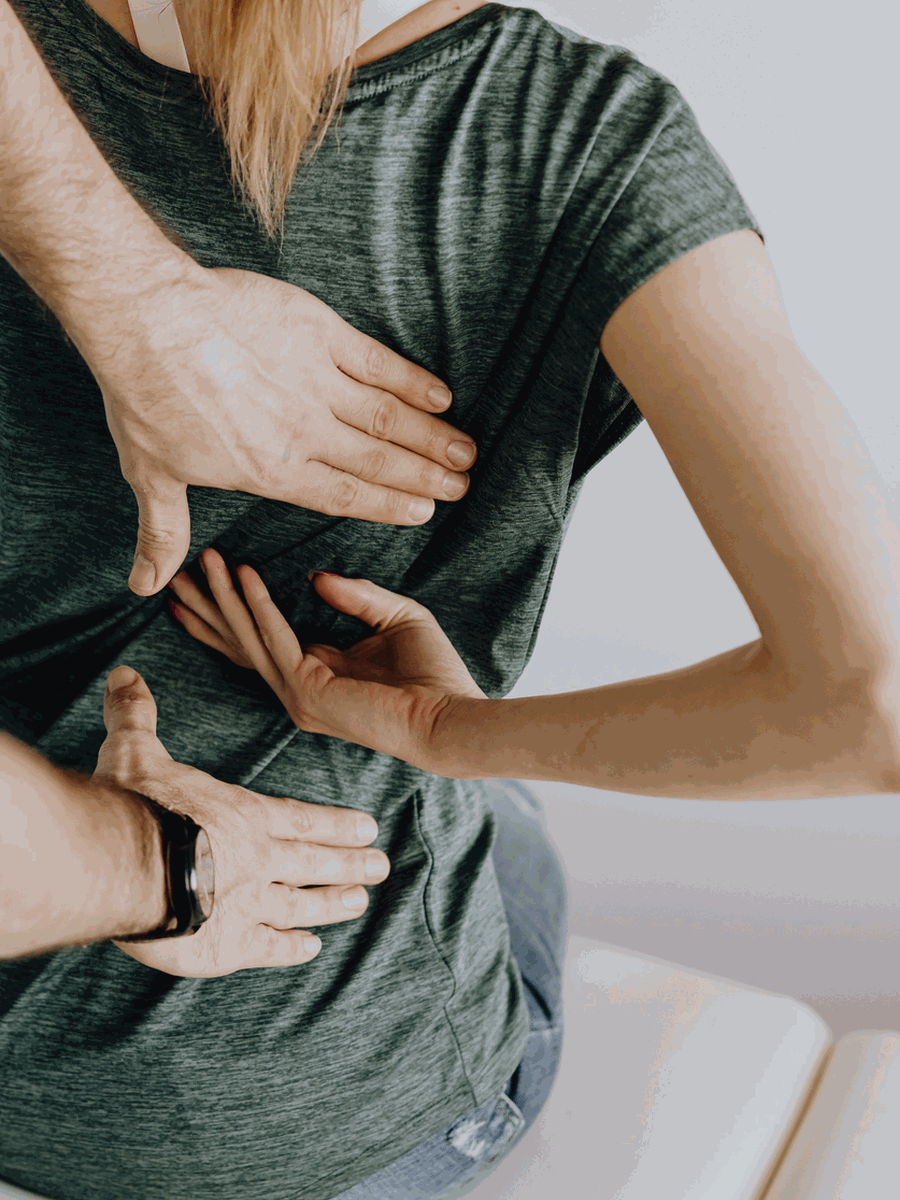
A protocol may be combined with education, activity progression and exercise. More force or more sessions is not automatically better. The provider should explain the settings, outcome measures and alternatives.
Questions before choosing care
What is the working diagnosis?
Ask which findings support it.
What outcome is realistic?
Define measurable change.
What are the alternatives?
Compare active care, technology, procedures and surgery.
When will the plan be reviewed?
Set criteria for continuation or escalation.
Relevant external resources
Some resources may share ownership or editorial direction; this relationship is disclosed.
Frequently asked questions
What happens during a session?
Controlled distraction is delivered on a motorized table.
How long is a session?
It varies.
How many sessions are needed?
No universal evidence-based number exists.
Should treatment hurt?
Worsening distal or neurological symptoms require change.
Is imaging always required?
No.
Can settings change?
Yes.
Should exercise be included?
Usually, when appropriate.
What should be reassessed?
Pain distribution, function, strength, sensation and walking.
Can treatment continue without improvement?
Not automatically.
Does The Spine Page prescribe protocols?
No.
Sources consulted
Last editorial review: July 2026. General educational information only.
Dr. Sylvain Desforges, B.Sc., D.O., N.D., osteopath — The Spine Page
Continue exploring spinal health
Use the condition and treatment hubs to compare related guides.
The Spine Page — The best treatments for your spinal problems — www.thespinepage.com