


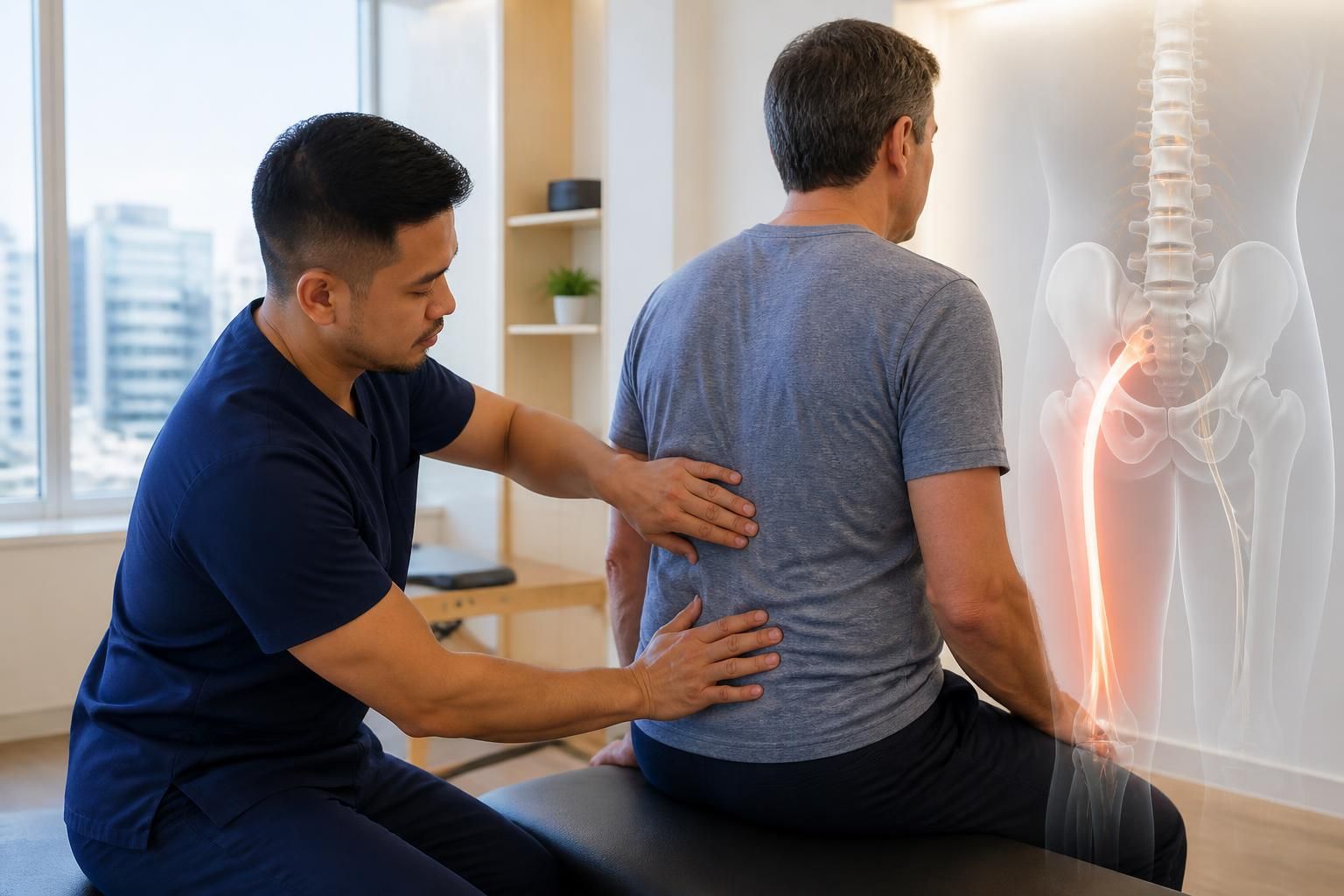
Acute sciatica can occur suddenly, significantly affecting quality of life, especially in an urban setting such as Montreal, where prompt access to appropriate care is essential. Pain that follows the path of the sciatic nerve may radiate from the lower back to the leg, making travel by public transit or getting through a workday difficult.
Understanding how to manage this pain effectively requires taking into account the specific aspects of an urban Montreal setting, where mobility, workplace ergonomics, and access to medical resources such as physiotherapy are essential factors. Each case may vary depending on symptoms, the underlying cause, and clinical progression.



![CB2 Natural Pain Relief Oil [TOPICAL] - Extra Stength Pain Relief for Arthritis, Inflammation, Nerve, Joint & Muscle Pain, Neuropathy, Sciatica, More Effective Than Hemp Pain Relief Cream, Natural Ingredients, Made in Canada, 50mL](https://m.media-amazon.com/images/I/715ewJuc8NL._AC_UL320_.jpg)
Key points for understanding and responding appropriately to acute sciatica in an urban setting
Intense pain travelling from the lower back down the back of the leg, which may be accompanied by numbness, tingling, or muscle weakness.
Herniated disc, disc protrusion, or foraminal stenosis affecting sciatic nerve function.
Radiating pain alone is not enough to identify the exact cause or nerve involved; a clinical assessment and sometimes imaging are needed.
Avoid prolonged bed rest, adjust posture, and seek prompt medical assessment if warning symptoms occur.
Understanding the mechanisms and possible causes of acute sciatica
Sciatic pain often results from irritation or compression of the lumbar nerve roots, mainly located between the fourth and fifth lumbar vertebrae (L4-L5), or between the fifth lumbar vertebra and the first sacral vertebra (L5-S1). These nerve roots then form the sciatic nerve, a long nerve that travels down the leg. When these roots are compressed by a herniated disc, protrusion, or foraminal stenosis, sciatica-type pain may occur.
The distinction between simple low back pain and sciatica is important. Low back pain is localized to the lower back or paravertebral muscles, whereas sciatica involves pain and sometimes abnormal sensations that follow a specific nerve pathway, often extending to the calf or even the foot.
A herniated disc occurs when the gelatinous core of an intervertebral disc moves out of its usual position and compresses surrounding nerves. A protrusion is a less pronounced form of disc displacement. Foraminal stenosis, meanwhile, results from narrowing of the channel through which nerve roots exit, often due to osteoarthritis or degenerative changes.
Symptoms may include numbness, tingling, or muscle weakness in some cases. These signs should be monitored closely because they may indicate more advanced nerve irritation.
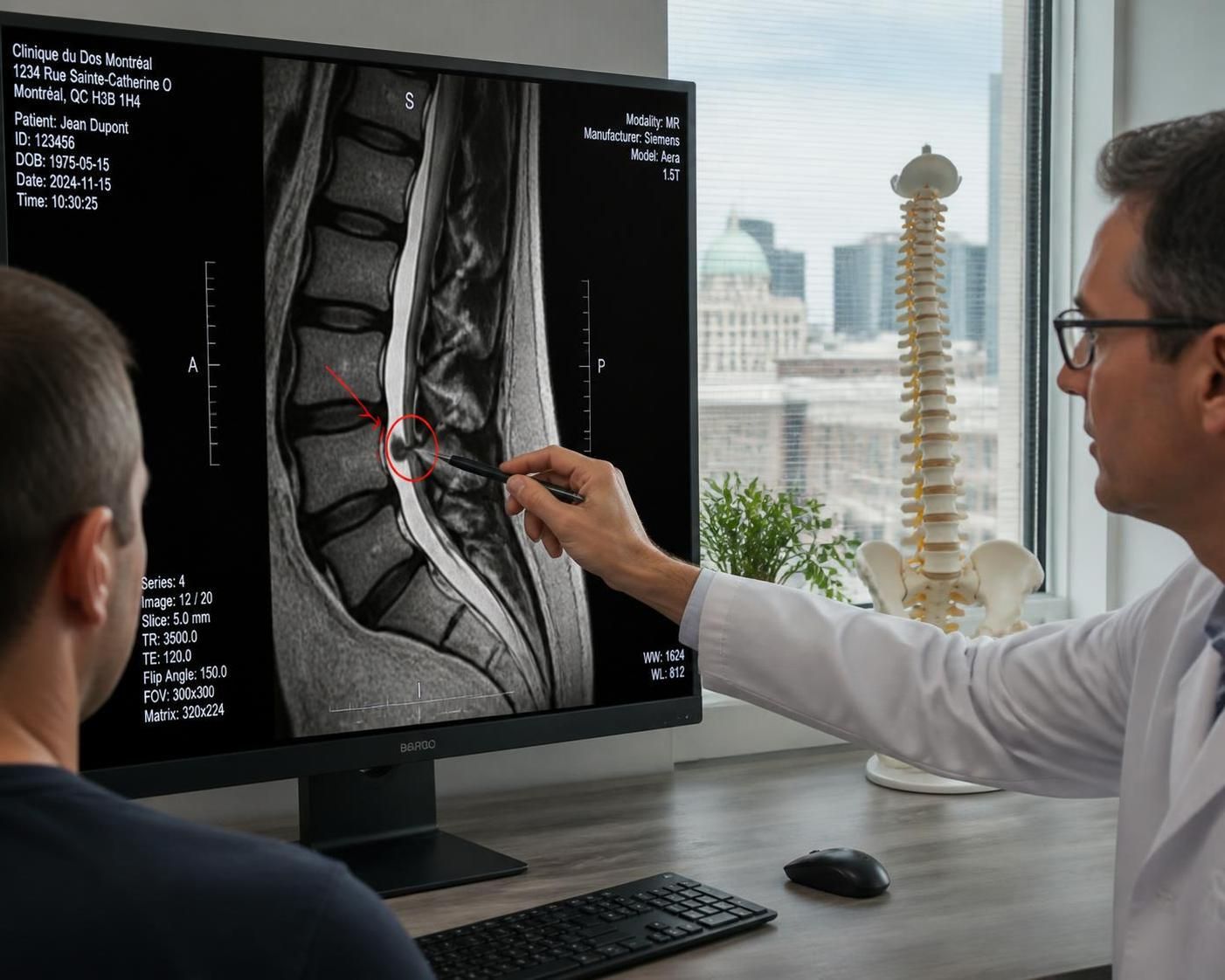
It is essential to remember that the path of the pain does not always make it possible to identify the affected root or exact cause without a thorough assessment by a health-care professional. This is particularly true in an urban Montreal setting, where patients may have highly varied profiles and multiple factors influencing their spinal health.
To better understand the factors influencing the pain experience, it is helpful to know the differences between radicular pain, referred pain, and muscular pain. Radicular pain directly involves the sciatic nerve, whereas referred pain is felt at a distance from its true point of origin.
Factors that influence the intensity and progression of sciatic pain in an urban setting
Several factors can alter or intensify acute sciatica symptoms. In Montreal’s urban environment, daily life is often marked by prolonged periods of sitting, whether on public transit, while working remotely, or at the office. This position can increase pressure on the intervertebral discs and worsen pain.
Driving, which is common for some residents of the Greater Montreal area, is another source of spinal strain that can aggravate symptoms. Seat ergonomics, travel duration, and sudden movements to avoid road obstacles are all factors that can intensify pain.
Physical activity, in turn, should be adjusted according to individual ability and pain tolerance. Moderate walking and appropriate exercises may help some people maintain mobility without worsening symptoms, unlike prolonged immobilization, which can lead to functional decline.
Sleep also deserves particular attention. Appropriate bedding and positions that limit pressure on the lower back are recommended, although this advice should be personalized.
It is important to note that the response to these factors varies greatly depending on the patient’s profile, age, overall health, and the exact nature of the underlying cause. For some people, pain may decrease quickly within a few days, whereas for others it may persist and become chronic.
Recognizing signs that warrant urgent medical consultation in Montreal
It is crucial to take a cautious approach to acute sciatica and seek prompt medical attention if certain symptoms occur. Signs requiring urgent medical assessment include:
- Loss of bladder or bowel control, which may indicate cauda equina syndrome;
- Saddle anaesthesia, meaning loss of sensation in the genital and perineal area;
- Significant or rapidly progressive muscle weakness in one or both legs;
- Fever accompanied by low back pain, which may suggest a spinal infection;
- Severe pain following significant trauma (accident, fall);
- New or rapidly worsening pain in a person with a history of cancer or immunosuppression.
In addition, persistent and disabling pain that limits walking, disrupts sleep, or is accompanied by increasing numbness should prompt consultation without delay. Accessible and specialized medical resources are available in Montreal to support people in these situations.
Treatment options for appropriate management of acute sciatica in Montreal
Managing acute sciatica in an urban setting involves several approaches. One key is maintaining or gradually resuming activities when pain allows, in order to limit the side effects of prolonged immobilization. Ergonomic advice, including adapting the workstation or improving ergonomics in the car and on public transit, helps reduce mechanical strain on the spine.
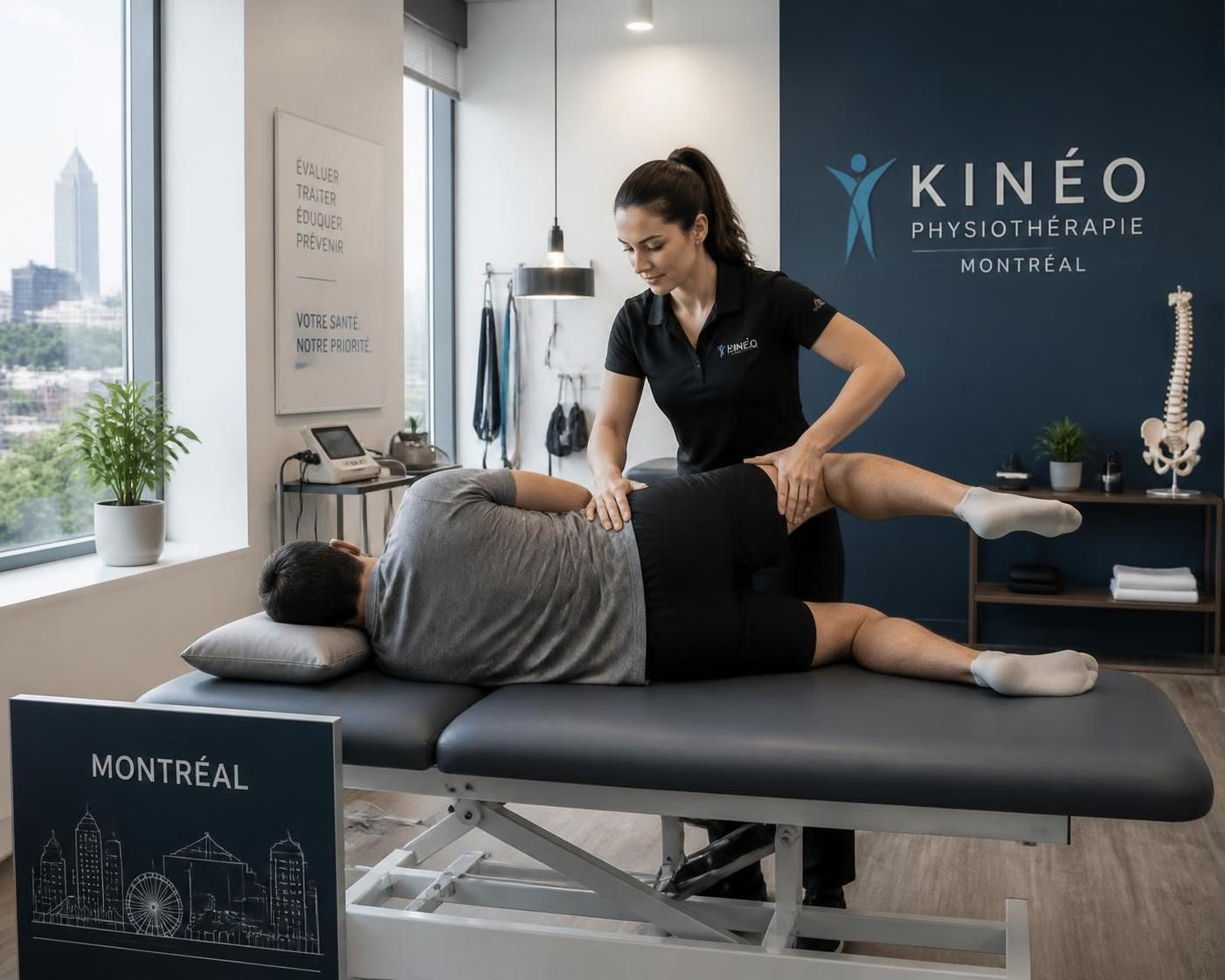
Physiotherapy plays a central role in Montreal, offering targeted interventions such as strengthening exercises, joint mobilization, and manual techniques. This care is personalized to help relieve pain while improving function.
Motorized neurovertebral decompression is an interesting treatment option for certain patient profiles. This technique involves progressive, controlled spinal traction that may temporarily reduce pressure on the intervertebral discs and nerve roots. It is selected after a thorough assessment by professionals such as those at TAGMED Clinic, located in Mont-Royal, close to Outremont and Côte-des-Neiges. This approach is not appropriate for every case and does not replace urgent medical assessment when needed.
Pain-relieving or anti-inflammatory medication is sometimes prescribed, always under medical advice. These treatments may help manage pain more effectively, but their effects vary and they should not replace reassessment if symptoms worsen.
Finally, in selected cases where nerve compression is severe or persists despite conservative treatment, a specialist consultation may guide decisions regarding surgical options, but these are considered only after a complete assessment.
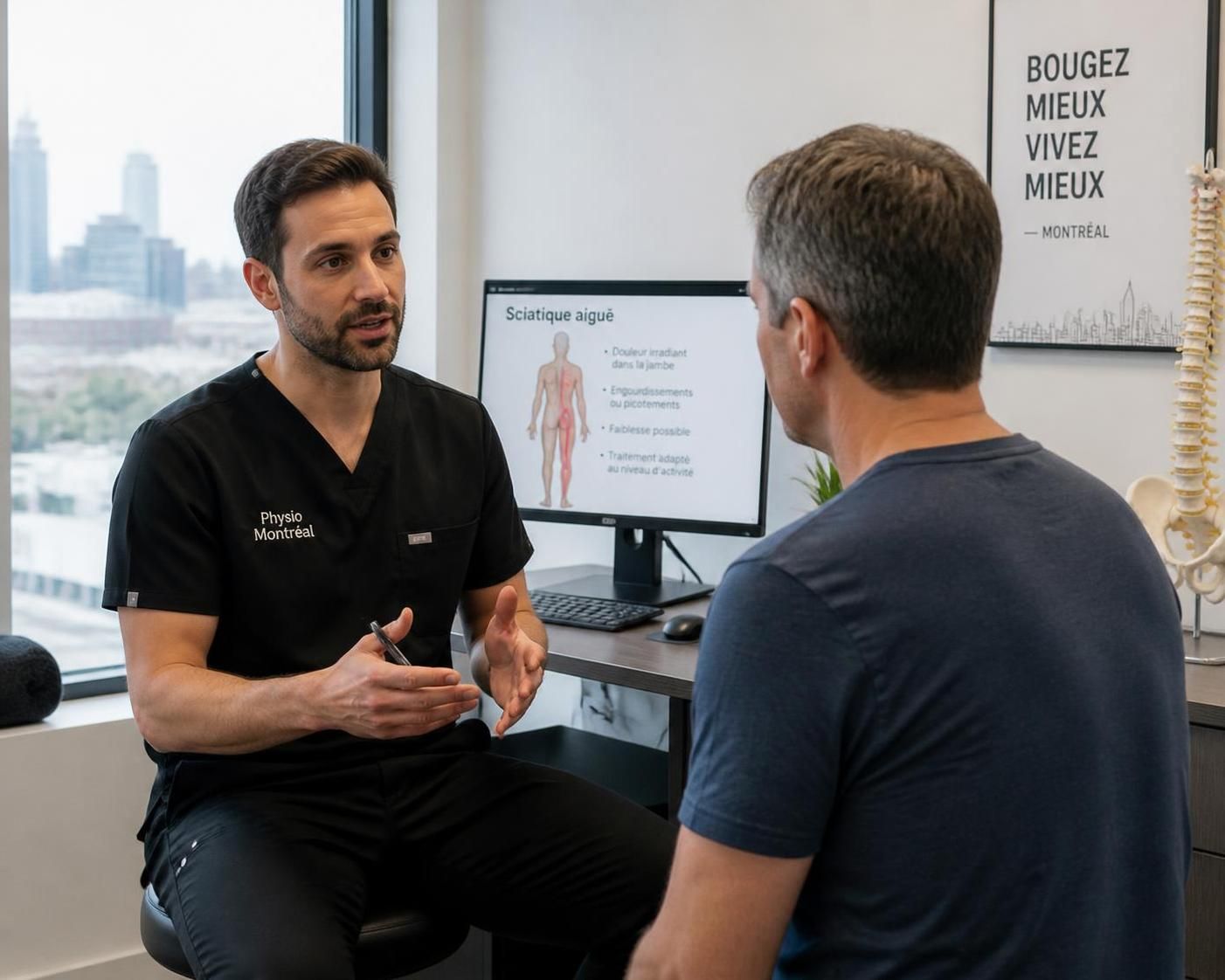
Targeted exercises are often encouraged, but it is essential to listen to your body and stop any activity that worsens pain, especially unsuitable or overly strenuous exercises. Some specialized Montreal centres, such as TAGMED Clinic, offer customized programs to support this process.
Adjustments and tips to make managing sciatica easier in daily urban life
Urban life brings constraints that can be eased through simple adjustments. Workstation ergonomics, often in front of a screen at the office or at home, are fundamental to reducing lower back strain. It is advisable to choose a chair with good lumbar support, a desk at the proper height, and to take regular breaks to vary positions.
Urban mobility can also play a role. Choosing moderate walking in Montreal neighbourhoods such as Le Plateau-Mont-Royal or Outremont may help maintain function without prolonged static positions. Public transit users should try to avoid remaining seated for long periods without moving, by opting for brief periods of standing or simple stretches.
Ergonomic cushions for a car or office chair, adjustable lumbar supports, and anti-fatigue heel inserts may also relieve pressure on the sciatic nerve. For those who spend several hours driving in surrounding municipalities such as Westmount or Ville-Marie, these tools can be helpful.
By adopting proactive management, including ergonomic advice and appropriate care, it may be possible to reduce the frequency and intensity of flare-ups. Access to specialized care, such as that provided by the teams at TAGMED Clinic in Mont-Royal, remains essential for personalized and safe support.
List of practical tips for managing acute sciatica in an urban setting
- Avoid prolonged periods of sitting without breaks.
- Adjust the workstation according to ergonomic principles.
- Choose moderate walking and active travel.
- Use appropriate lumbar supports in the car and at the office.
- Seek prompt consultation if symptoms worsen or warning signs occur.
- Avoid sudden movements or lifting heavy loads.
- Follow a supervised physiotherapy exercise program.
Comparison of acute sciatica treatment methods
| Treatment | Benefits | Limitations | Indications in Montreal |
|---|---|---|---|
| Physiotherapy | Personalized, improves mobility and reduces pain. | Depends on adherence to follow-up; results vary by case. | Available through several clinics in Montreal, including in densely populated urban areas. |
| Motorized neurovertebral decompression | Progressive traction, precise control, may relieve nerve compression. | Not appropriate for everyone; requires a specialized assessment. | Offered at TAGMED Clinic in Mont-Royal, conveniently located for residents of Côte-des-Neiges and Outremont. |
| Medication (pain relievers, anti-inflammatories) | Provides rapid symptomatic relief. | Possible side effects; does not treat the cause. | A medical prescription is required in Montreal’s urban setting. |
| Surgery | Option for severe or recurrent cases; definitive decompression. | Surgical risks, variable recovery. | Reserved for situations not improved by conservative treatment in Montreal. |
What are the first steps to take in the event of acute sciatica?
It is advisable to avoid prolonged rest, adjust postures, and seek prompt consultation if pain becomes intense or is accompanied by neurological symptoms. Gentle exercises may be beneficial under supervision.
When should you seek emergency care for sciatica?
Urgent consultation is required if there is loss of bladder control, saddle anaesthesia, rapidly developing muscle weakness, fever with low back pain, or following major trauma.
Can neurovertebral decompression replace surgery?
This technique may be considered for certain cases after a complete assessment, but it does not replace surgery in cases of severe nerve compression or significant neurological deficits.
How can you adapt remote work to avoid worsening sciatica?
Workstation ergonomics should be optimized, prolonged sitting avoided, regular breaks taken, and stretching performed to reduce pressure on the lower back.
What are the benefits of physiotherapy for sciatica?
Physiotherapy helps improve joint mobility, strengthen supporting muscles, and relieve symptoms through techniques tailored to each individual.
Acute sciatica can quickly become a major obstacle in Montreal urban life, affecting daily mobility and well-being. A precise assessment can help clarify the likely cause, identify signs requiring particular attention, and define appropriate strategies for managing pain effectively.
For personalized and safe support, it is advisable to consult experts in sciatic pain treatment near Mont-Royal at TAGMED Clinic, which offers a range of approaches including motorized neurovertebral decompression.
Dr. Sylvain Desforges, B.Sc., D.O., N.D., osteopath
This content is intended for educational purposes and does not replace a personalized consultation with a health-care professional.
