





How many spinal decompression sessions are needed? Planning and reassessment
There is no universal number of spinal decompression sessions. A credible plan links dose to diagnosis, symptom duration, neurological status, tolerance and measurable goals.
A schedule should be built after diagnosis, contraindication screening and baseline measurement. The first sessions assess tolerance; later review points decide whether to continue, modify or stop.
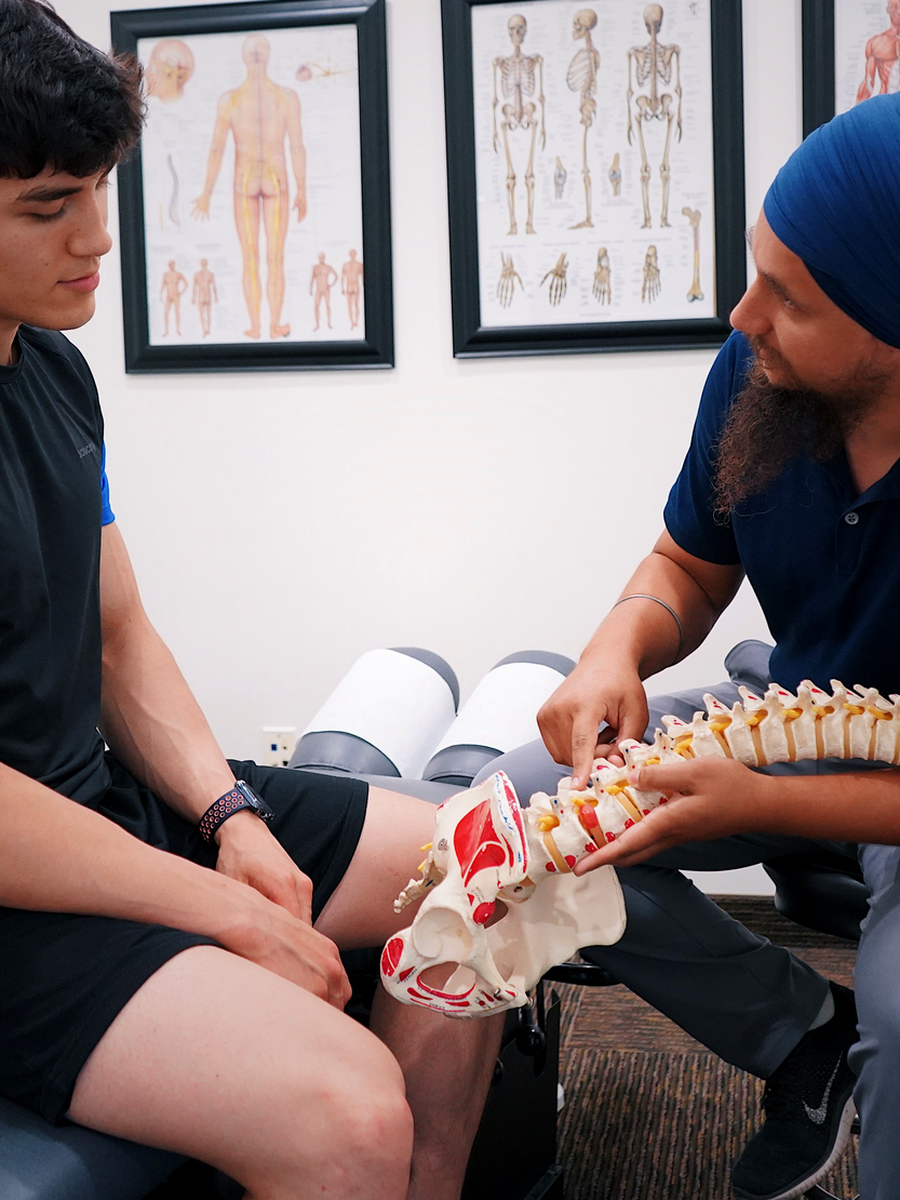
How this topic is evaluated
A schedule should be built after diagnosis, contraindication screening and baseline measurement. The first sessions assess tolerance; later review points decide whether to continue, modify or stop.
| Clinical situation | Possible next step | Why it matters |
|---|---|---|
| No meaningful early change | Reassess diagnosis and protocol | Do not continue automatically. |
| Pain improved but weakness worsened | Stop and reassess urgently | Neurological deterioration outweighs pain relief. |
| Function improving and neurology stable | Continue only if goals remain reasonable | Progress should be documented. |


Management and decision-making
Frequency and total visits should remain flexible. More treatment is not automatically better, and decompression should be integrated with education, exercise and self-management when appropriate.
Evidence in practice
Because studies use different devices and protocols, no single session count can be presented as universally evidence-based.
Questions before choosing care
Before beginning care, ask the provider to explain the working diagnosis, the findings that support it, the target outcome and the safety criteria for changing course.
What is the target?
Ask which structure, mechanism or functional limit the treatment is intended to address.
What result is realistic?
Clarify the expected change in pain, walking, sleep, work or meaningful activity.
What are the alternatives?
Compare education, exercise, medication, procedures, technology-assisted care and surgery when relevant.
When will the plan be reviewed?
Define an early review point and the findings that would stop, modify or escalate care.
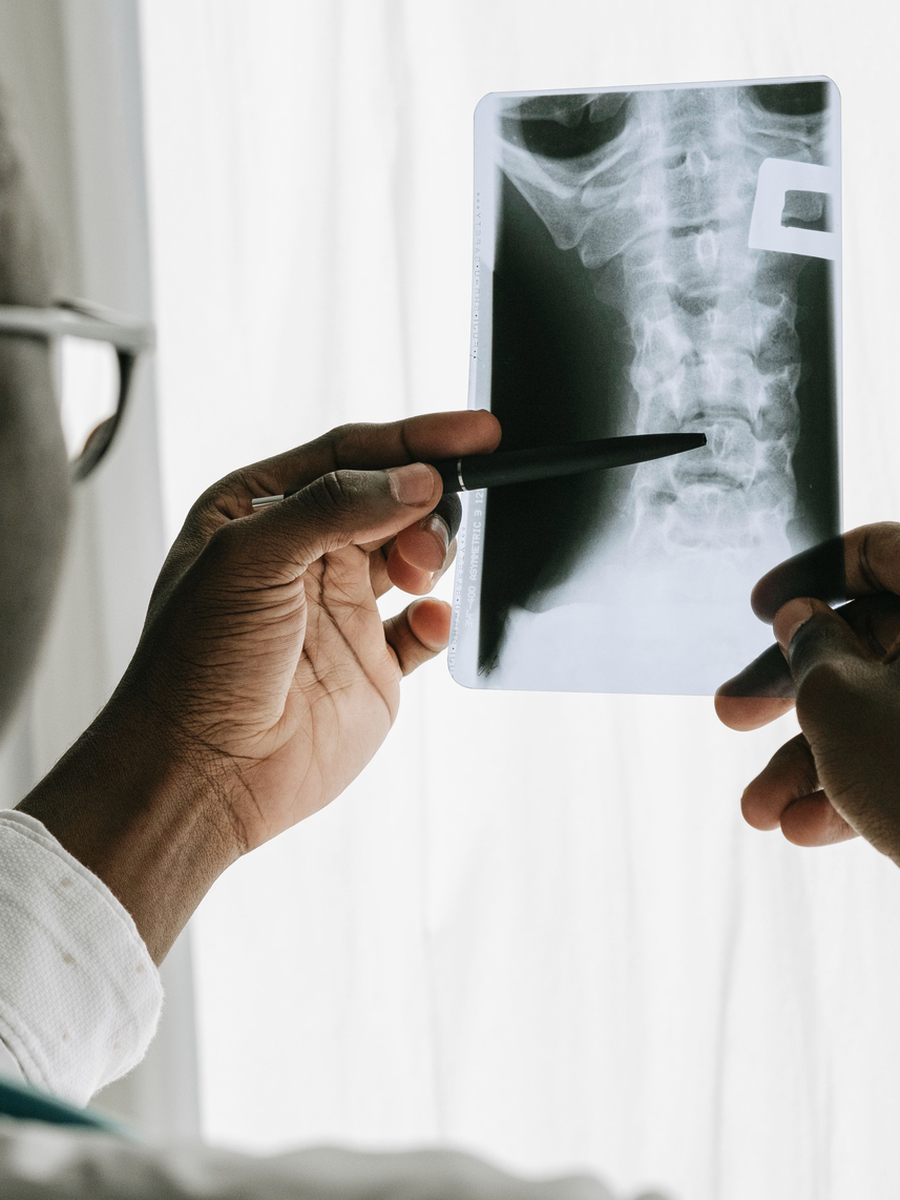
How to monitor progress and avoid common decision errors
A useful treatment plan should begin with a baseline. Record where symptoms are felt, how far they travel, what activities are limited, how long walking or sitting is tolerated, whether sleep is disrupted and whether strength or sensation has changed. These measures make it possible to judge whether care is producing a clinically meaningful change rather than a brief fluctuation in discomfort.
Progress is rarely perfectly linear. A temporary increase in soreness may not mean that a plan has failed, but a consistent movement of pain farther into a limb, expanding numbness, loss of strength, reduced walking ability or new bowel or bladder symptoms requires reassessment. Neurological safety must be documented separately from pain relief.
Do not treat the image alone
Imaging findings are common and must be connected to symptoms, examination and function.
Do not continue by habit
Repeated care should be justified by measurable progress and a reasonable treatment goal.
Do not ignore alternatives
Education, exercise, medication, procedures, technology-assisted care and surgery may have different roles.
Do not delay escalation
Progressive neurological change or serious warning signs require a different pathway.
Continue with specialized resources
The Spine Page is an educational blog. The links below lead to independent specialized websites.
Clinique TAGMED — spinal decompression
Service-specific information about motorized spinal decompression and disc-related conditions.
SOS Sciatique — nerve-root symptoms
Focused guides about sciatica, warning signs and treatment questions.
Frequently asked questions
Is imaging always needed?
No. Imaging is most useful when it is likely to change management or serious pathology is suspected.
Can symptoms improve without surgery?
Many presentations can improve with appropriate non-surgical care when neurological findings are stable.
Should all activity stop?
Usually no. Activity is adapted to symptoms and safety.
What should be monitored?
Pain distribution, function, strength, sensation, walking, sleep and meaningful activities.
When is specialist referral needed?
With progressive deficits, severe persistent limitation, diagnostic uncertainty or possible serious pathology.
Can treatment be chosen from MRI alone?
No.
Are more visits always better?
No. Continuation should depend on measurable progress.
Can exercise be included?
Often yes, when adapted to the diagnosis and tolerance.
What changes require urgent assessment?
New bowel or bladder dysfunction, saddle numbness, rapidly progressive weakness or other major neurological change.
Does The Spine Page diagnose or prescribe treatment?
No. It is an educational blog.
Sources consulted
- NICE — Low back pain and sciatica recommendations
- Cochrane — Traction for low-back pain
- Clinique TAGMED — Spinal decompression
Last editorial review: July 2026. This page provides general education and does not replace individualized medical assessment.
Editorial review : Dr. Sylvain Desforges, B.Sc., D.O., N.D., osteopath — The Spine Page
Explore related spine guides
Continue with the condition hub or compare treatment categories.
The Spine Page — The best treatments for your spinal problems — www.thespinepage.com