

Whole-joint disorder involving changes in cartilage, bone and other tissues, potentially causing pain or stiffness.
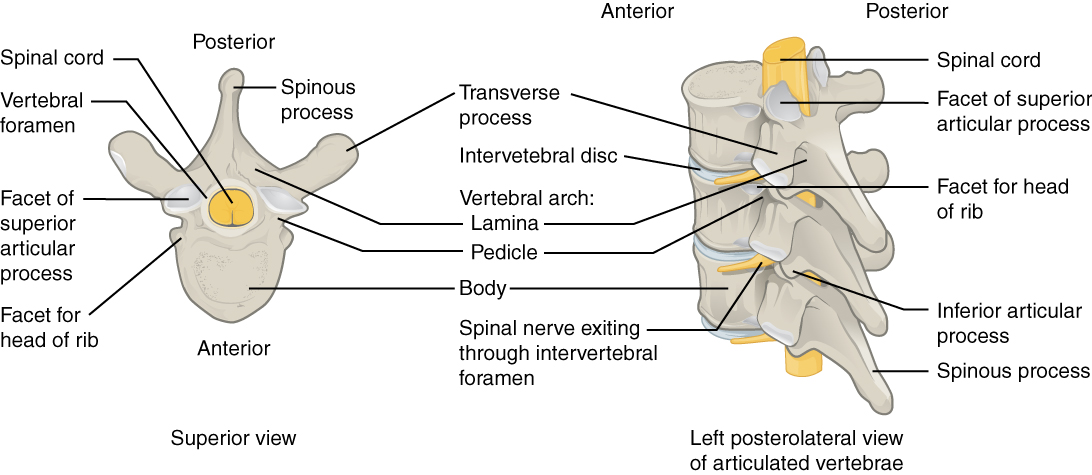
OpenStax College — CC BY 3.0. Image source.

Understanding the mechanism
Osteoarthritis is a whole-joint disorder rather than simply worn cartilage. The underlying bone, joint lining, ligaments and surrounding muscles can all contribute. It may affect the hands, hips, knees or spinal joints. Its clinical expression varies substantially: prominent imaging changes can cause little discomfort, while substantial symptoms can occur with less striking radiographic findings.
Symptoms and warning signs
Typical problems include activity-related pain, stiffness after inactivity and difficulty with everyday tasks. A flare can disturb sleep without necessarily indicating rapid structural deterioration. A suddenly very hot, red or swollen joint, particularly with fever, needs urgent same-day medical assessment for conditions such as infection or crystal arthritis; absence of fever does not exclude infection. Such changes should not automatically be labelled an osteoarthritis flare.
Diagnosis and investigations
Diagnosis brings together the history, location and physical examination. When imaging is indicated, radiographs can show joint-space narrowing, bone spurs and other bone changes. Blood tests do not measure osteoarthritis itself, although they may investigate alternative diagnoses. Prolonged morning stiffness or systemic features can suggest inflammatory disease and should not be attributed to age without further assessment.
Treatment and outlook
Education, graded physical activity, strengthening and load adjustment are important components of management. Weight management can be relevant for particular joints and individuals. Medication or surgery is considered according to symptoms, function and personal risks. The aim is to preserve independence; complete freedom from pain is not always necessary before gradually resuming appropriate movement and meaningful daily activities.
The role of TAGMED care
At TAGMED, manual treatment or physical modalities may be considered for selected musculoskeletal symptoms with monitoring of actual benefit. They are not established ways to rebuild damaged cartilage. Spinal decompression, laser and shockwave therapy do not have a universal indication for every arthritic joint. A plan should specify the target region, functional goals, trial duration and reasons to reassess or refer.
Practical follow-up
A patient-selected activity, such as climbing stairs or carrying groceries, can provide a useful benchmark. Daily fluctuations can be recorded without assuming a new injury each time. An unusual change still needs assessment rather than being automatically attributed to arthritis.
Frequently asked questions
Is osteoarthritis only an ageing problem?
No. Previous injury, anatomy, biological factors and loading can also contribute.
Does movement inevitably damage the joint?
Appropriately graded activity generally supports function, with loading adjusted to individual tolerance.
Can it affect the spine?
Yes, including the posterior joints, with different presentations in different spinal regions.
Does a severe X-ray require surgery?
No. Disability, symptoms and available alternatives matter more than the image alone.
How should treatment be monitored?
Through meaningful activities, exercise tolerance and any adverse effects rather than promises of cartilage repair.
Conceptual diagram: the steps depend on clinical findings and do not provide an individual diagnosis.
Medical references
- NIAMS. Osteoarthritis.
- MedlinePlus. Osteoarthritis.
References document the topic; their inclusion does not imply endorsement of TAGMED services by those organizations.
Educational information from The Spine Page. This entry does not replace an individual assessment. Documentary version: October 12, 2026. Sylvain Desforges, B.Sc., D.O., N.D., osteopath and naturopath.
TAGMED clinic contact details
For non-urgent consultations and information about available services.
Clinique TAGMED — Terrebonne
1150, rue Lévis, Suite 200
Terrebonne (Québec) J6W 5S6
450‑704‑4447
Clinique TAGMED — Montréal
1140, avenue Beaumont
Mont-Royal (Québec) H3P 3E5
1‑877‑672‑9060