

Use of hands-on soft-tissue techniques for relaxation, comfort or symptom management.
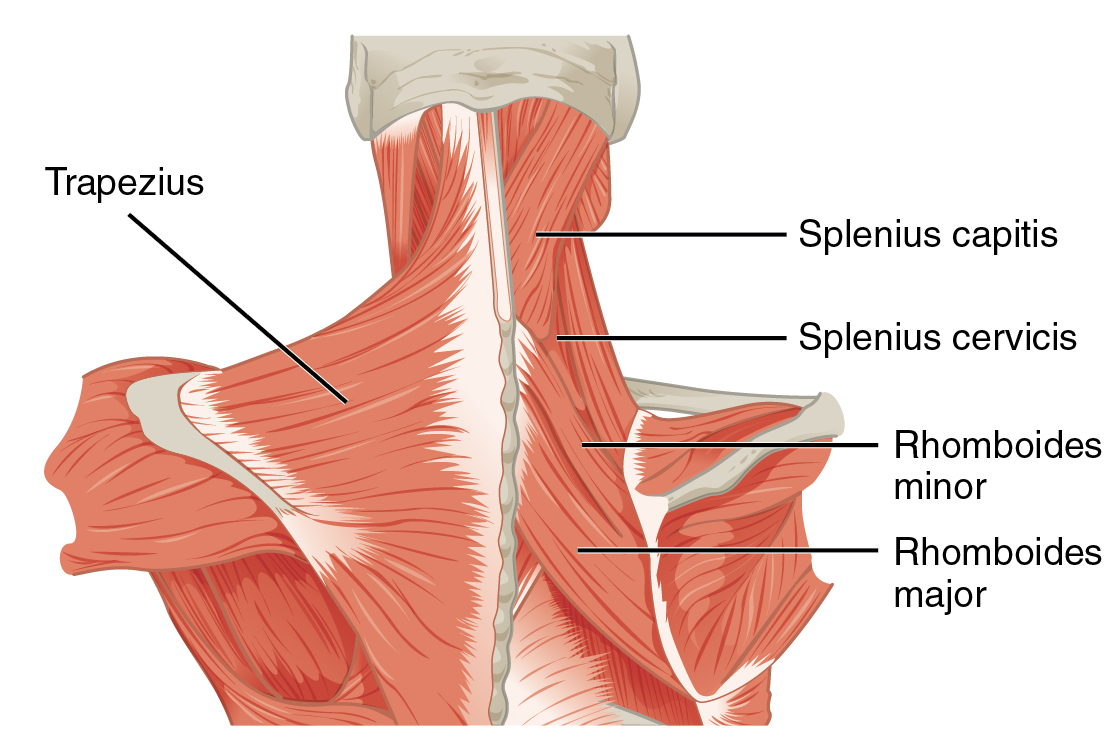
OpenStax College — CC BY 3.0. Image source.

Understanding the approach
Massage therapy applies pressure and movement to soft tissues. Its aims may include relaxation, comfort and temporary relief of some muscular pain. Feeling less tension does not mean a disc or nerve root has been decompressed or that a deep adhesion has been removed.
Indications and assessment
Localized muscular discomfort may justify a trial when examination does not suggest an injury requiring other care. Pressure should reflect sensitivity, bruising, anticoagulant use and health history. A suddenly swollen, painful leg should not be massaged before appropriate medical assessment.
Benefits, limitations and precautions
Effects on some neck or low back pain are mainly symptomatic and vary in duration. Excessive pressure can increase pain or cause bruising. Skin infection, a recent fracture or suspected thrombosis is a reason to postpone or avoid massage of the affected area.
Place in the care pathway
Within a care pathway, improved comfort may assist sleep or return to movement. It does not replace developing physical capacity. At TAGMED, any soft-tissue intervention should match assessment findings; the precise availability of massage services can be confirmed when arranging a visit.
Goals should be practical: walking farther, returning to a chosen activity or reducing symptoms that interfere with sleep. Improvement immediately after a session does not establish lasting benefit. Follow-up compares function with the starting point, records adverse effects and considers progress between appointments. An inadequate response should prompt a review of the clinical explanation or proposed approach, rather than an automatic extension of the same treatment.
Before starting, describe the outcome you want, treatments already tried and difficulties encountered. Ask how the response will be measured and when another option would be preferable. Available reports complement the discussion without replacing your current experience, priorities or preferences.
Frequently asked questions
Is deep massage better?
Not necessarily. Greater pressure can increase irritation without improving the result.
Must it hurt to work?
No. Pain during treatment is not evidence of effectiveness.
Can it treat a herniated disc?
It may ease associated muscle tension but does not remove the herniation.
Should medications be mentioned?
Yes, particularly anticoagulants and medicines that make bruising more likely.
What benefit should I track?
Comfort, sleep or a particular activity, together with how long relief lasts.
Conceptual diagram of clinical reasoning; not an anatomical drawing to scale.
Role of TAGMED care
TAGMED offers manual care and osteopathy, as well as modalities such as motorized spinal decompression, laser and shockwave when a relevant indication exists. Selection cannot be based solely on a symptom label: it depends on assessment, contraindications, evidence for each modality and your goals. Maintaining or gradually resuming activity and monitoring function remain central considerations.
Medical references
- NIH — NCCIH. Massage Therapy: What You Need To Know.
- World Health Organization. WHO guideline for non-surgical management of chronic primary low back pain in adults.
References document the topic; their inclusion does not imply endorsement of TAGMED services by those organizations.
Educational information from The Spine Page. This entry does not replace an individual assessment. Documentary version: October 12, 2026. Sylvain Desforges, B.Sc., D.O., N.D., osteopath and naturopath.
TAGMED clinic contact details
For non-urgent consultations and information about available services.
Clinique TAGMED — Terrebonne
1150, rue Lévis, Suite 200
Terrebonne (Québec) J6W 5S6
450‑704‑4447
Clinique TAGMED — Montréal
1140, avenue Beaumont
Mont-Royal (Québec) H3P 3E5
1‑877‑672‑9060