





Authors, editorial method and relationships with external resources
The Spine Page is an educational publication distinct from the clinics and specialized websites it may reference. This page explains authorship, review, source selection, corrections and relationships with external resources.
The editorial objective is to explain spinal conditions and treatment choices without presenting a commercial service as appropriate for every reader. Pages distinguish established guidance, emerging evidence, uncertainty and service-specific information.
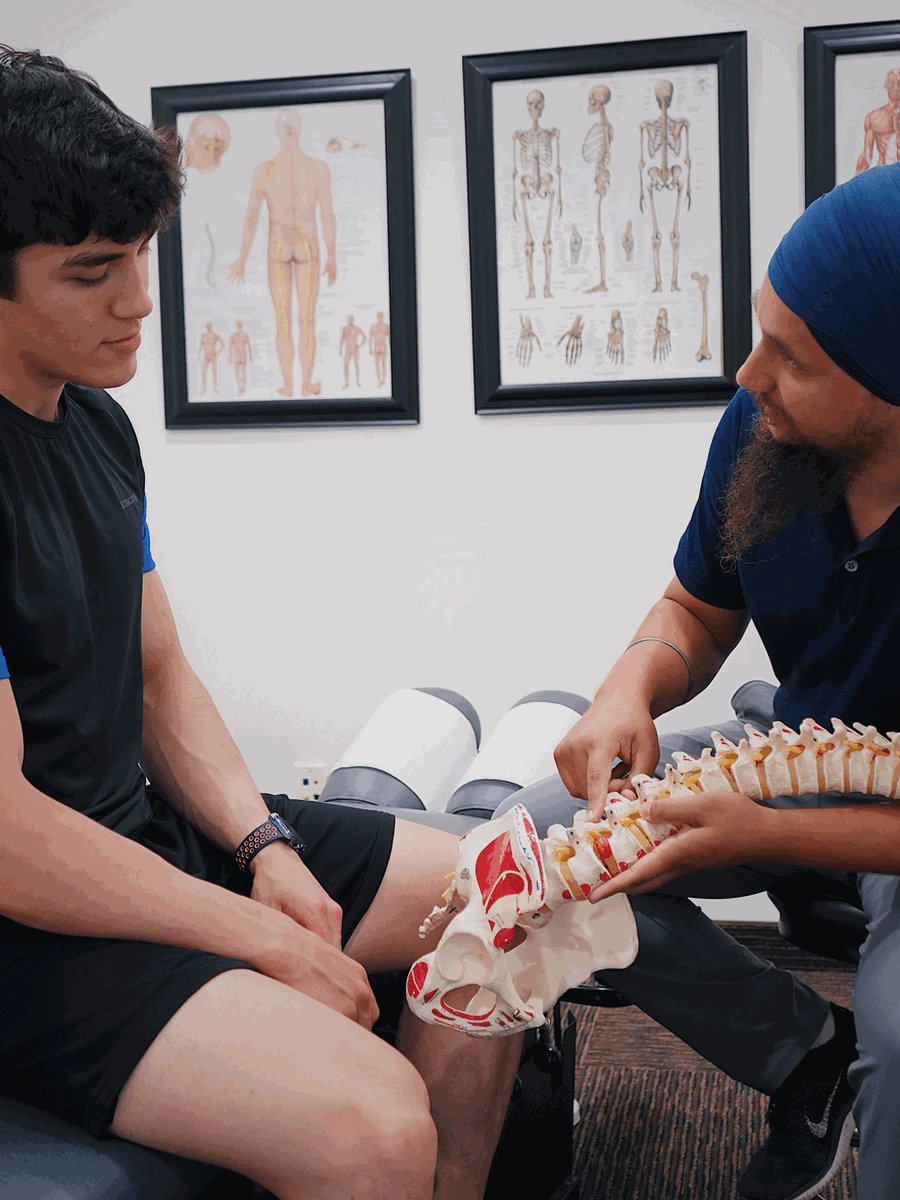
Assessment and decision points
Each article defines its clinical question, target population, source hierarchy, uncertainty and conflicts or relationships relevant to the reader. Claims about effectiveness, safety, superiority or avoiding surgery require directly relevant evidence and qualified language.
| Clinical situation | Possible next step | Why it matters |
|---|---|---|
| Clinical guideline | High-priority source | Useful for recommendations and care pathways. |
| Systematic review | High-priority synthesis | Useful for benefits, harms and uncertainty. |
| Single study | Context-dependent evidence | Should not be presented as definitive. |
| Testimonial | Promotional information | Cannot establish clinical effectiveness. |


Management and treatment choices
Dr. Sylvain Desforges contributes clinical and editorial experience in chiropractic, osteopathy, naturopathy and technology-assisted spine care. Professional affiliations and related organizations describe roles and governance; they do not validate a treatment claim by themselves.
Questions before choosing care
What is the working diagnosis?
Ask which findings support it.
What outcome is realistic?
Define measurable change.
What are the alternatives?
Compare active care, technology, procedures and surgery.
When will the plan be reviewed?
Set criteria for continuation or escalation.
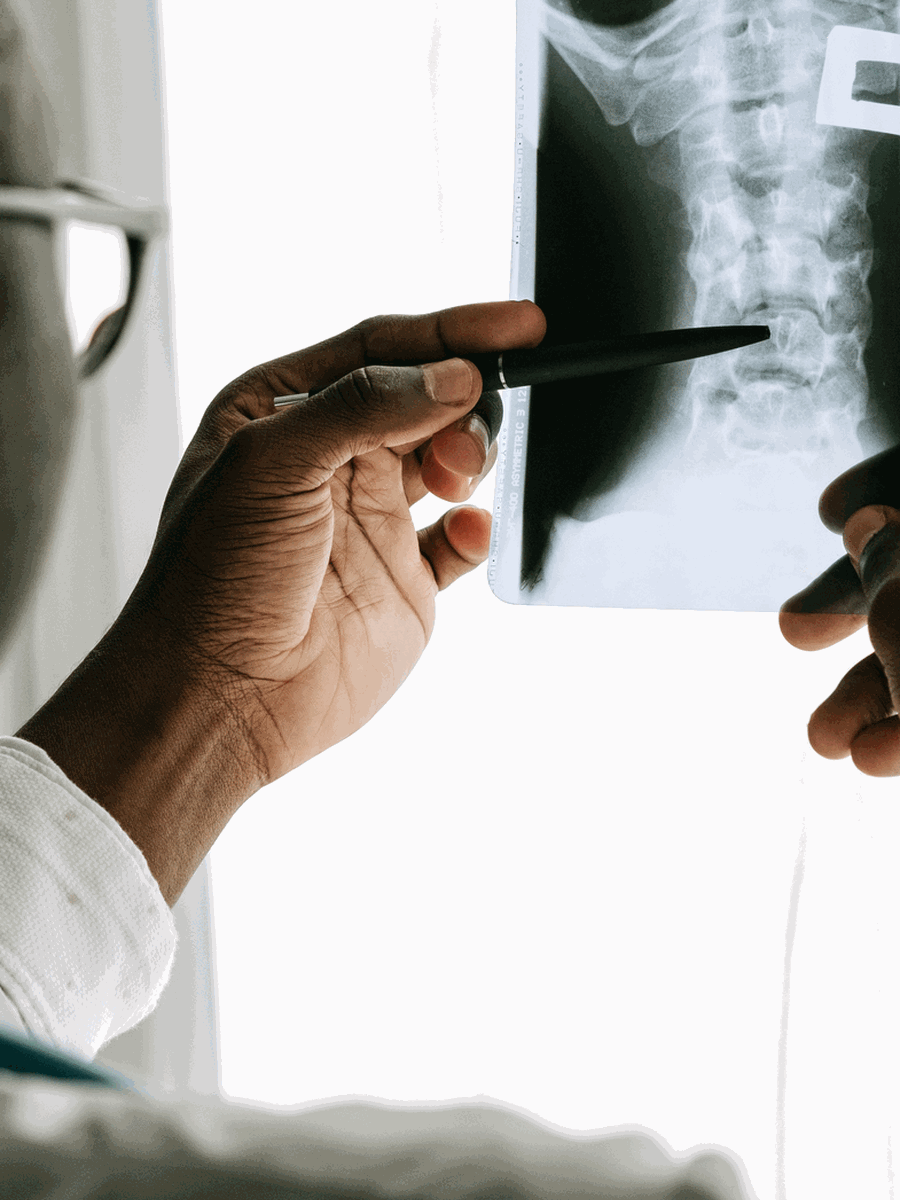
Relevant external resources
Some resources may share ownership or editorial direction; this relationship is disclosed.
Frequently asked questions
Who writes the pages?
Authors and reviewers are identified when applicable.
Who reviews the content?
Qualified contributors identified by the site perform clinical and editorial review.
Are clinic links independent endorsements?
No. Shared ownership or editorial direction is disclosed.
How are sources selected?
Guidelines, reviews and relevant primary studies are prioritized.
Are testimonials evidence?
No.
How often are pages reviewed?
A review date is displayed and material updates should trigger revision.
How can an error be reported?
Use the contact page and identify the exact passage and source.
Does an affiliation prove efficacy?
No.
Why are claims qualified?
Because results depend on diagnosis, selection, protocol and outcome.
Is The Spine Page a clinic?
No. It is an educational publication distinct from the clinics it references.
Sources consulted
Last editorial review: July 2026. General educational information only.
Dr. Sylvain Desforges, B.Sc., D.O., N.D., osteopath — The Spine Page
Continue exploring spinal health
Use the condition and treatment hubs to compare related guides.
The Spine Page — The best treatments for your spinal problems — www.thespinepage.com