





Spine treatments: conservative care, technologies, procedures and surgery
Compare the major treatment categories, what each is intended to do, which questions matter and when escalation may be appropriate.
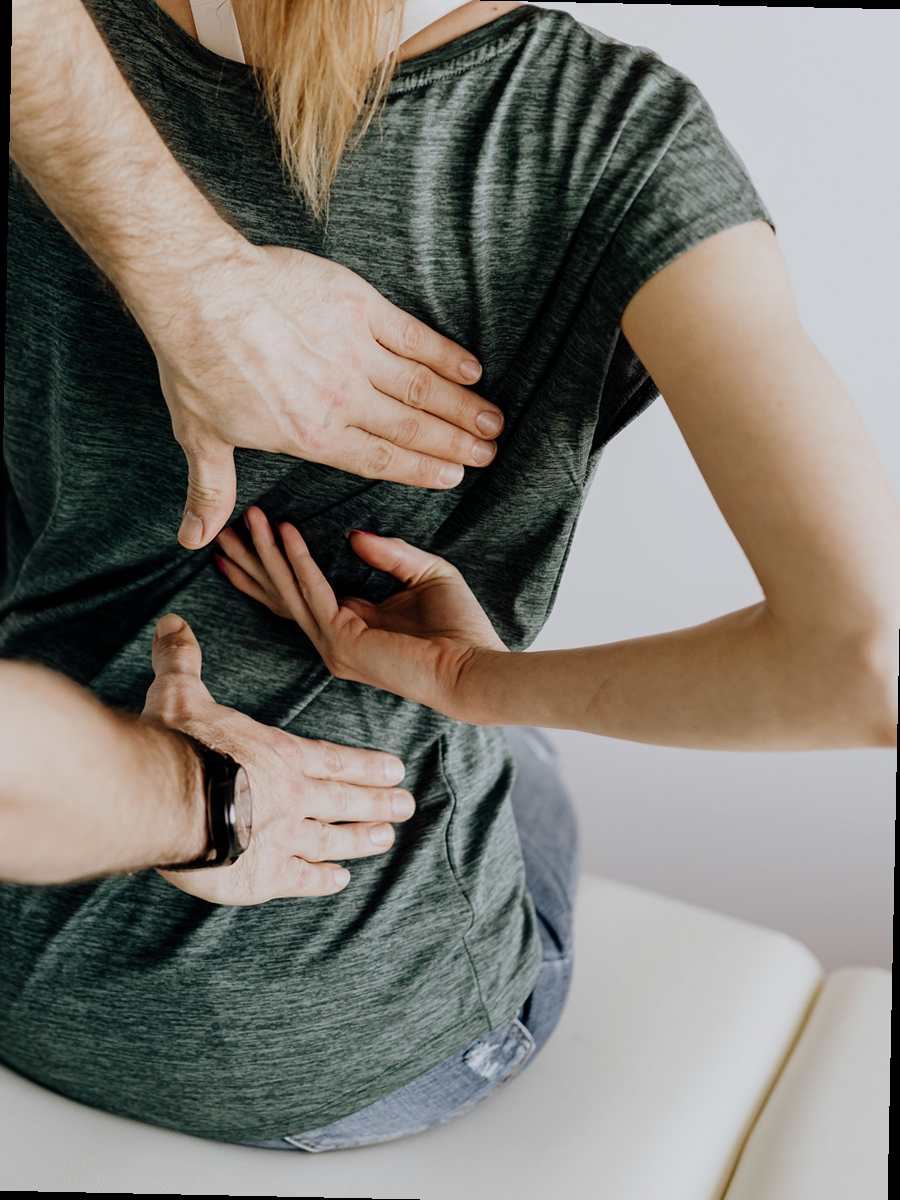
Start with the problem, not the device
The best treatment cannot be selected from an advertisement, an MRI report or a single symptom. It depends on the diagnosis, progression, neurological status, functional limits, previous care, preferences and the balance of benefits and harms. For many non-emergency presentations, care is stepped from education and tolerable activity toward more targeted or invasive options when necessary.
Education and self-management
Clear explanations, activity modification and knowing which warning signs to monitor form the foundation of many treatment plans.
Exercise and rehabilitation
Strength, endurance, mobility and graded exposure are adapted to the condition, tolerance and goals.
Manual therapies
Mobilization, manipulation and soft-tissue techniques may support a broader plan rather than act as universal stand-alone cures.
Motorized spinal decompression
A technology-assisted option that requires careful candidate selection, clear goals and periodic reassessment.
Medications and injections
Potential benefits, duration, adverse effects and alternatives should be discussed for the specific diagnosis.
Surgery
Surgery may be considered for emergencies, major deficits, instability or persistent symptoms that match a treatable lesion.
Questions to ask before starting treatment
- What condition or mechanism is the treatment intended to address?
- What outcomes are realistic for pain, walking, sleep and work?
- What are the alternatives and their risks?
- How will neurological function be monitored?
- What would prompt imaging, specialist referral or surgery?
Frequently asked questions
Is the most advanced treatment always the best?
No. The best option is the one that matches the condition, goals, risks and preferences.
Should treatment begin before imaging?
Often yes, when there are no red flags and imaging would not change management.
Can manual therapy be combined with exercise?
Yes. Many guidelines position manual care as one component of a broader plan.
When should a treatment plan be reviewed?
The plan should include a defined review point based on measurable outcomes.
Can pain improve while weakness worsens?
Yes. Neurological function must be monitored separately from pain.
Are injections permanent solutions?
Effects vary. Expected duration, risks and alternatives should be discussed.
When is surgery urgent?
Cauda equina syndrome, major or rapidly progressive deficits and some unstable injuries require urgent assessment.
What is shared decision-making?
It combines evidence, professional judgment and the person’s goals and preferences.
How should treatment claims be evaluated?
Look for appropriate comparisons, meaningful outcomes, follow-up, adverse events and transparent limitations.
Does The Spine Page recommend a treatment for me?
No. The site provides general information and does not make individualized recommendations.
Primary sources and clinical guidance
- World Health Organization — Guideline for non-surgical management of chronic primary low back pain
- NICE — Low back pain and sciatica in over 16s
- American College of Physicians — Noninvasive treatments for low back pain
Last editorial review : July 2026. This page provides general educational information and does not replace diagnosis or individualized care.
Explore a condition-specific guide
Start with the condition most closely matching the symptom pattern.
The Spine Page — www.thespinepage.com