


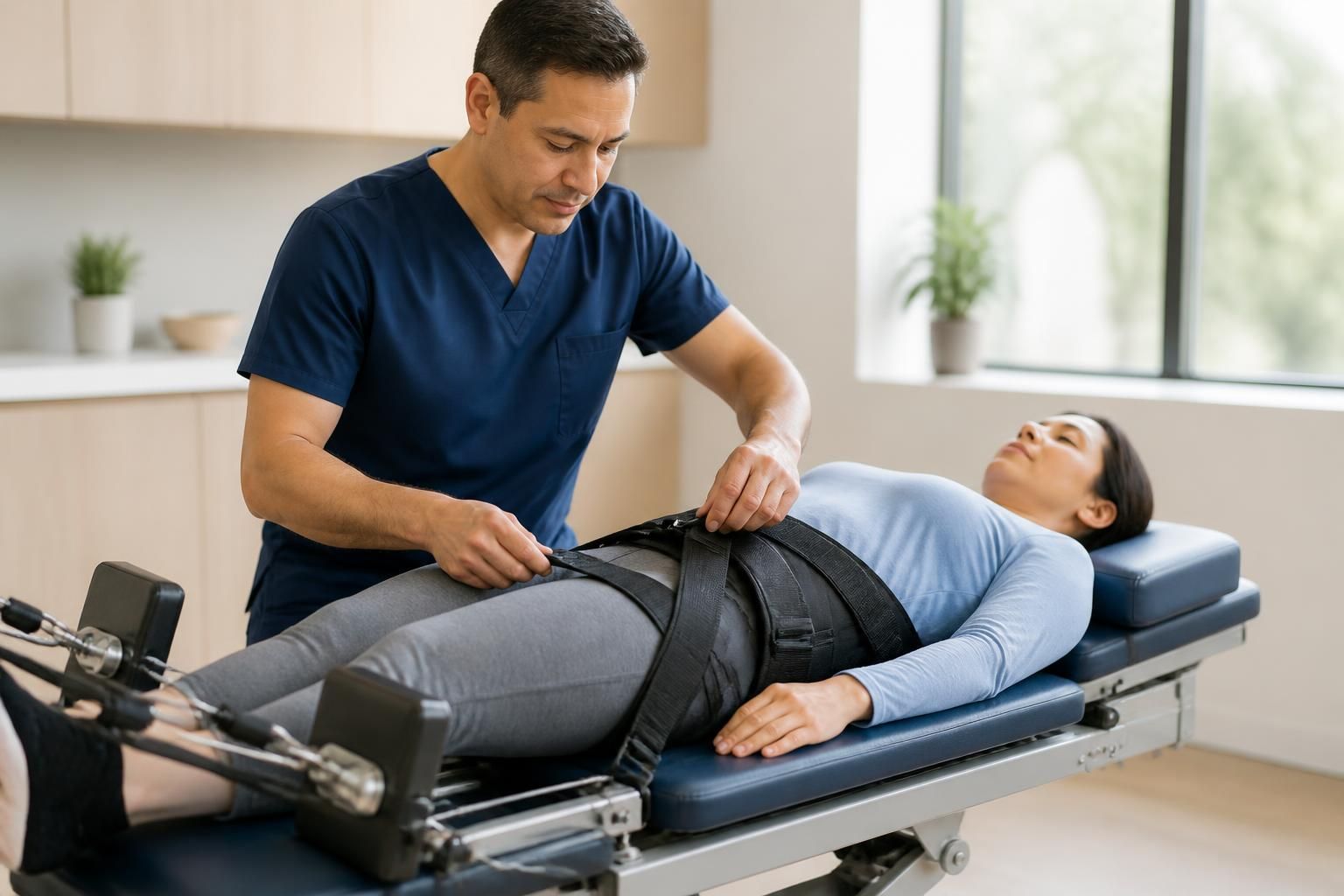


Spinal decompression is emerging as an innovative method for managing back pain related to a herniated disc, particularly in Brossard and the surrounding area. This non-invasive treatment, combining leading-edge technologies and personalized approaches, aims to relieve pressure on the intervertebral discs, thereby promoting better mobility and lasting relief. In a region where musculoskeletal disorders are notably prevalent, understanding the mechanisms, indications, and limitations of spinal decompression is essential for anyone concerned about their back health.
The challenges associated with spinal health are not limited to a single episode of pain. In Brossard, integrating rigorous medical follow-up and appropriate rehabilitation is essential to support recovery and prevent recurrence. From daily posture to the technological solutions used, every element must be considered from a comprehensive perspective, enabling patients to take an active role in optimizing recovery and maintaining functional mobility.
In brief: key points about spinal decompression in Brossard
- Spinal decompression: controlled traction of the spine to reduce pressure on the discs and nerve roots.
- Improved mobility: reducing pain can help restore a better range of motion.
- Personalized follow-up: comprehensive assessment, regular adjustments, and integration of complementary care such as physiotherapy and osteopathy.
- Contraindications: spinal infections, recent fractures, and bone cancer, among others, require prior exclusion.
- Local options: Brossard offers clinics equipped with the latest technologies, such as SpineMED, for tailored treatment of herniated discs.
In Brossard, back pain management now includes a range of integrated treatments, among which spinal decompression holds an important place because of its non-invasive and gradual nature.
Mechanisms of spinal decompression and its impact on spinal mobility
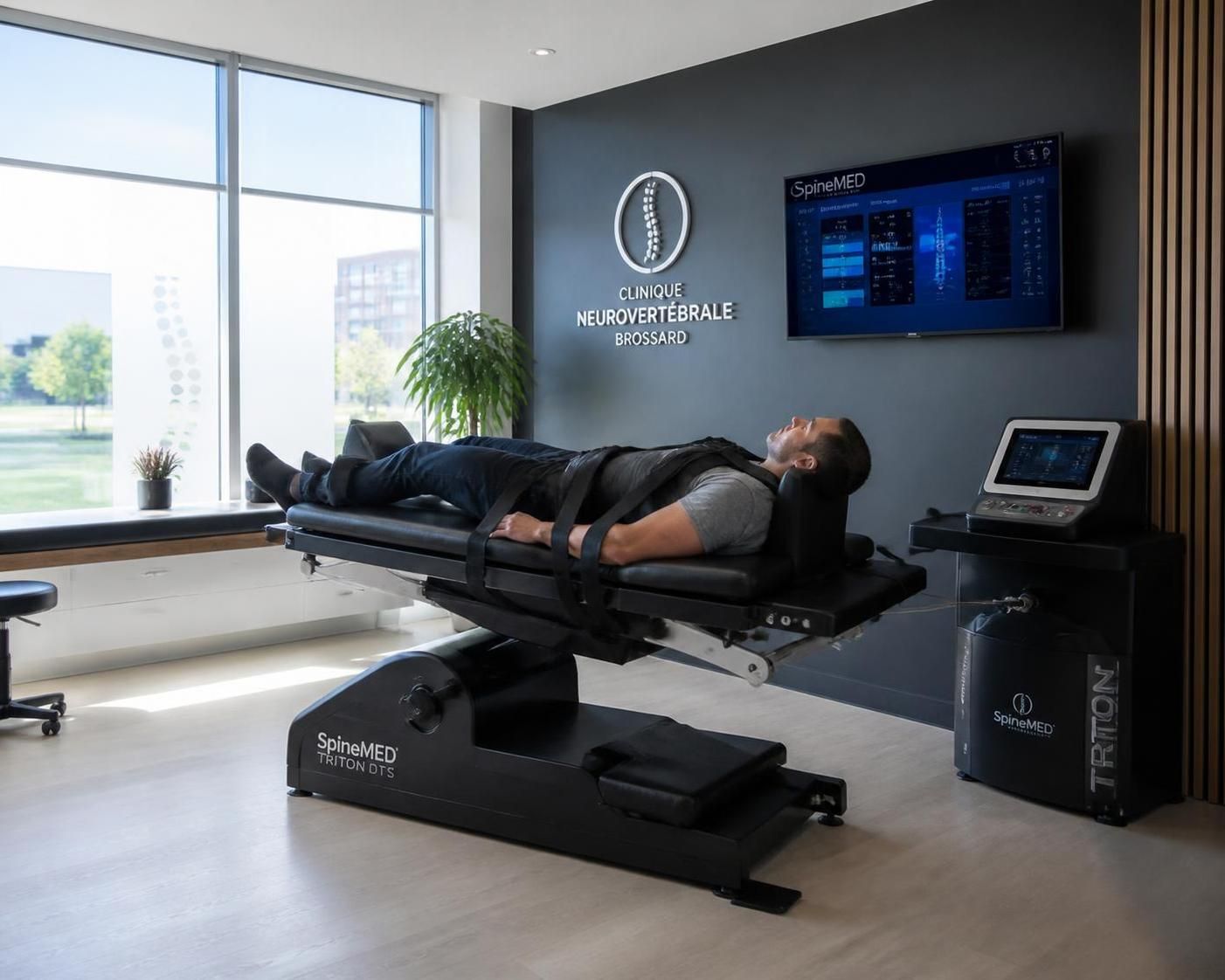
Spinal decompression involves motorized, progressive traction applied to the spine to create greater space between the vertebrae. This increase in space aims to reduce pressure on the intervertebral discs, which, when damaged, can cause herniations or protrusions that may compress nerve roots and contribute to radiating pain, especially along the sciatic nerve.
More specifically, decompression acts on several mechanical factors. It promotes rehydration of the spinal disc, thereby improving its shock-absorbing capacity and potentially having a positive effect on reducing the size of the herniated disc. The intermittent traction effect also stimulates local blood circulation, which benefits surrounding tissues and contributes to better functional recovery.
This technique offers a notable advantage over conventional lumbar traction because of precise computerized control that adjusts the force and rhythm of traction according to the patient’s individual tolerance and response. This personalization is essential for maximizing comfort and safety, an aspect that is particularly considered in Brossard clinics.
Functionally, the elimination or reduction of nerve compression often results in less pain and improved mobility. This can allow patients to regain more natural use of their spine, making everyday movements easier while helping prevent painful compensations in other areas of the body.
However, it is important to emphasize that decompression does not claim to put a disc back into place per se. Its purpose is instead to temporarily reduce mechanical stresses to support the natural repair process and improve quality of life.
To learn more about the specific functioning and indications of this approach, it is helpful to consult specialized resources, such as those provided by the in-depth understanding of spinal decompression treatment in Brossard.
Spinal decompression and therapeutic follow-up: the importance of a multidisciplinary approach in Brossard
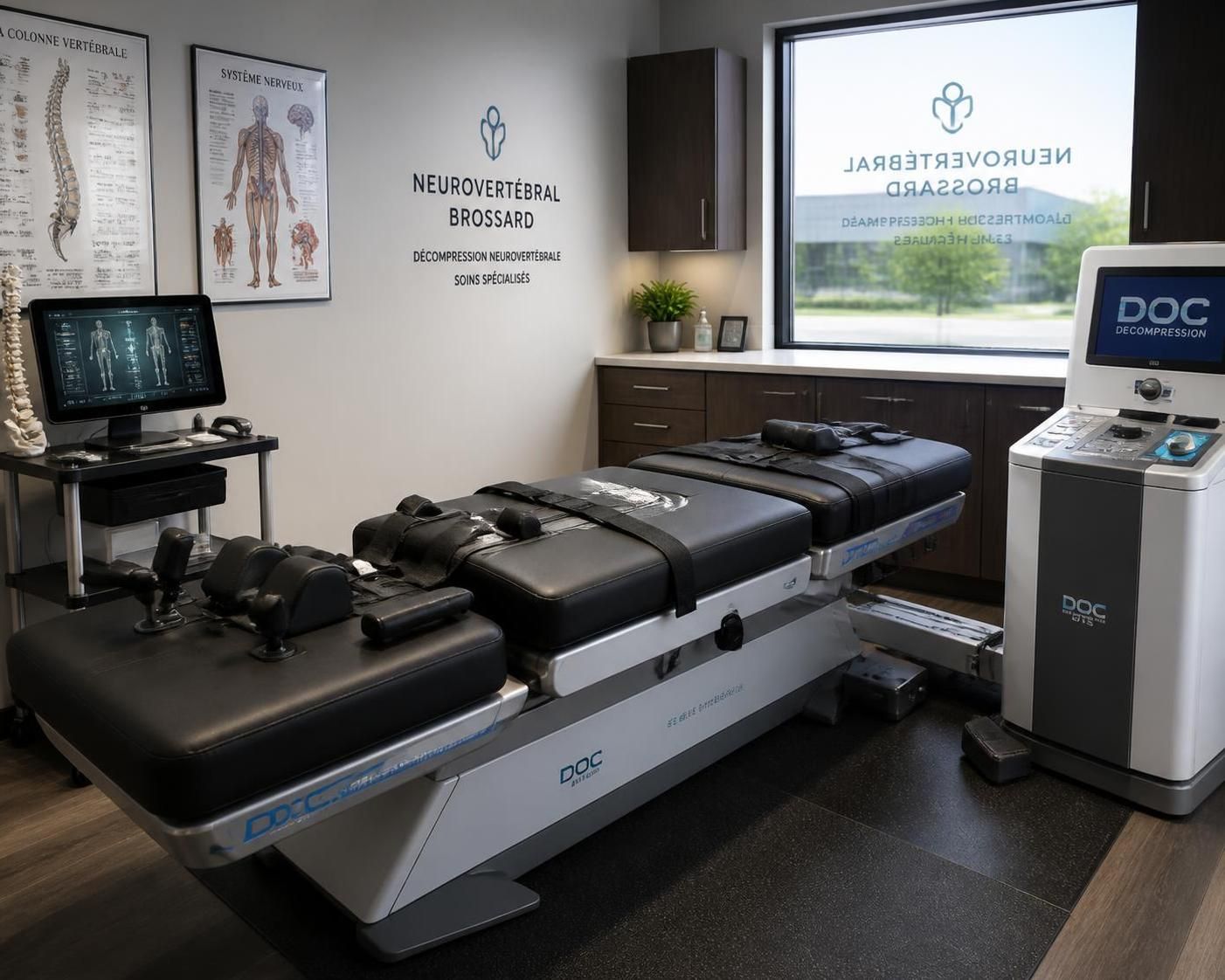
The success of spinal decompression relies largely on rigorous, tailored follow-up that goes well beyond an isolated application of traction. In Brossard’s specialized centres, this treatment is part of a comprehensive framework that includes a thorough initial clinical assessment, a personalized session protocol, and an active rehabilitation phase.
During the initial assessment, practitioners collect a complete medical history and perform a detailed functional examination, often supplemented by imaging tests such as MRI. This step is crucial to confirm the diagnosis, identify the precise location of the herniation, and rule out any contraindications to decompression.
Active treatment involves regular sessions during which traction is applied gradually and adjusted to the patient’s tolerance. These sessions are frequently combined with complementary care: chiropractic care, massage therapy, and physiotherapy play a key role in improving posture, correcting muscle imbalances, and restoring mobility.
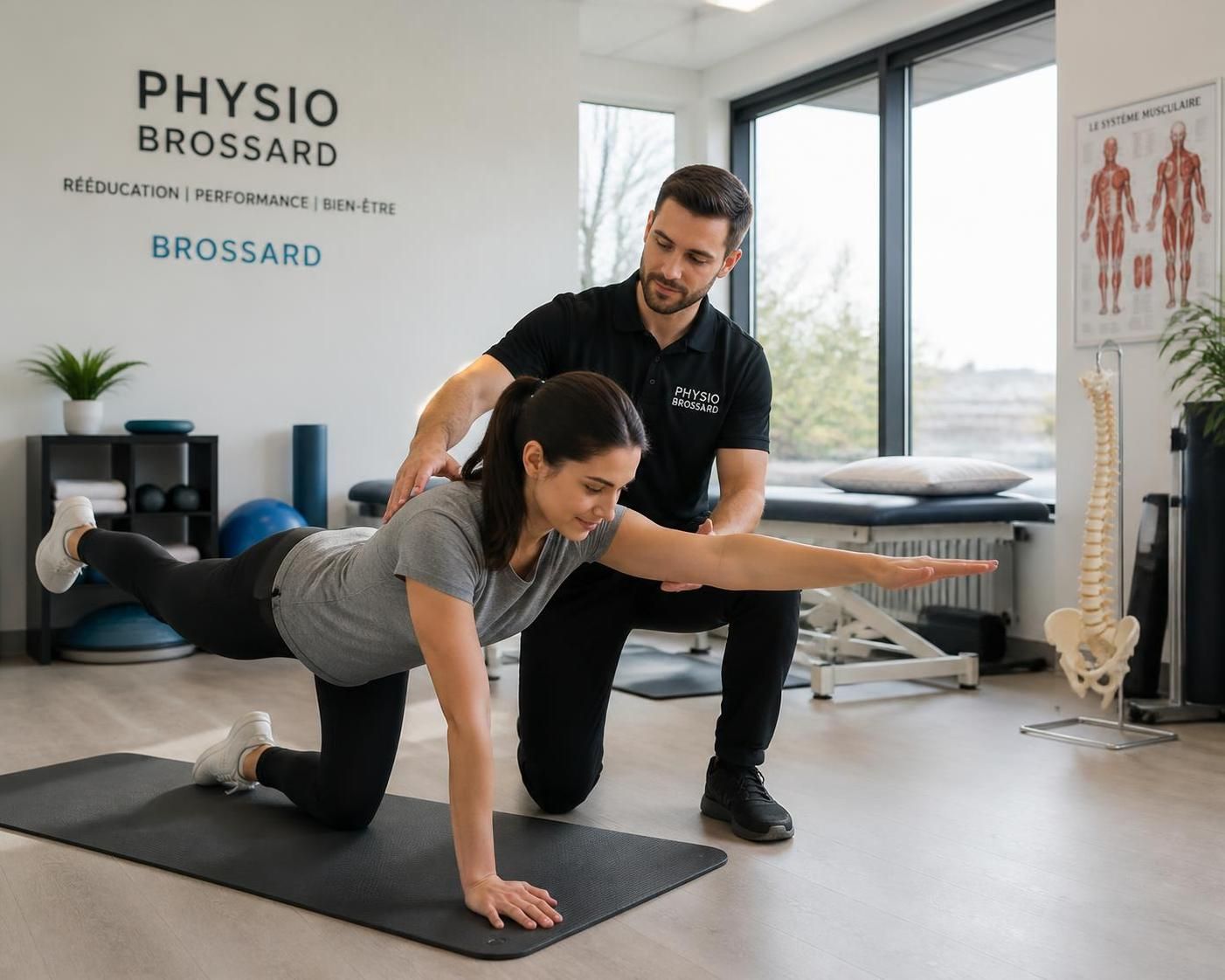
A rehabilitation phase, often prescribed concurrently, includes targeted exercises to strengthen the spinal stabilizing muscles, improve flexibility, and promote healthy postural habits. This helps consolidate treatment benefits and prevent recurrence, which is a priority for maintaining optimal quality of life in the Brossard area.
This entire process promotes close collaboration between the patient and health professionals, with active involvement encouraged and valued. This multidisciplinary approach is all the more relevant because spinal decompression is not appropriate for everyone or for every type of herniated disc.
To better understand this integrated approach and the services offered locally, consult the overview of options available in Brossard through chiropractic care tailored to specific needs.
Factors influencing mobility and back pain management in Brossard
Response to spinal decompression care varies according to several parameters that directly influence mobility and pain perception. Among the most determining factors are the nature of the herniation, its location, the degree of disc degeneration, and the patient’s daily habits.
Prolonged positions, such as sitting at a desk, which is common among remote workers and South Shore commuters, can worsen nerve compression by increasing disc pressure. Conversely, certain postures and movements may promote relief, including gentle flexion-extension exercises based on the specific advice received at the clinic.
Mobility can also be affected by physical activity levels. Prolonged inactivity often leads to a loss of stabilizing muscle tone, increasing the spine’s vulnerability. This is why rehabilitation programs in Brossard emphasize a gradual, tailored return to activity, supporting not only mobility but also the prevention of relapses.
In some cases, radicular symptoms such as numbness or tingling in the leg require closer attention. These symptoms may indicate underlying nerve irritation and warrant an appropriate medical assessment before or during decompression treatment.
Patients receiving care in the greater Brossard area are regularly informed about so-called warning signs, encouraging them to promptly seek medical care in the event of sudden worsening or the onset of motor deficits.
Appropriate management of pain in relation to mobility remains a delicate balance that requires an individualized protocol accounting for the specific progression of each patient’s spinal condition.
Comparison of treatments available in Brossard for herniated discs
| Treatment | Type | Benefits | Drawbacks |
|---|---|---|---|
| Spinal decompression | Non-invasive | Gradual pain reduction, functional recovery, avoiding surgery | Variable treatment duration, requires regular follow-up |
| Minimally invasive surgery | Invasive | Targeted intervention, rapid relief for some patients | Anaesthesia-related risks, sometimes lengthy recovery period |
| Medication (anti-inflammatories, analgesics) | Conservative | Immediate pain relief | Possible side effects, does not address the underlying cause |
| Physiotherapy | Non-invasive | Muscle strengthening, improved mobility | Results vary according to the patient’s engagement and condition |
This comparison illustrates the different approaches offered in Brossard, highlighting the balanced role of spinal decompression among the available options. The choice always depends on a thorough assessment that clarifies the specific nature of the injuries and the patient’s functional goals.
When to seek care and precautions to follow for back pain in Brossard
Medical follow-up is necessary when back pain persists beyond a few weeks, especially if it is accompanied by symptoms such as pain radiating into the leg, numbness, muscle weakness, or marked difficulty walking. These signs may be consistent with sciatica or nerve compression requiring an accurate diagnosis.
In Brossard, several specialized clinics offer a comprehensive assessment to distinguish these situations, thereby enhancing patient safety. The presence of warning signs such as loss of bladder or bowel control, saddle anaesthesia, rapidly worsening motor weakness, or fever warrants urgent consultation at a medical facility.
A cautious approach also relies on careful attention to individual responses to treatment. Any unexpected worsening of symptoms during spinal decompression should lead to a reassessment of the treatment strategy.
Following these guidelines is fundamental to ensuring appropriate, safe care and avoiding potential complications.
To learn more about signs indicating when to consult a professional in Brossard, you can refer to the resources available on warning signs and recommended consultations.
This video presents the fundamental principles of spinal decompression applied to the lumbar spine, outlining its indications and expected effects on pain and mobility.
A focus on recommended exercises to strengthen muscles and correct posture, key elements of post-treatment rehabilitation in Brossard.
{“@context”:”https://schema.org”,”@type”:”FAQPage”,”mainEntity”:[{“@type”:”Question”,”name”:”Quels ru00e9sultats puis-je attendre du2019un traitement de du00e9compression neurovertu00e9brale u00e0 Brossard ?”,”acceptedAnswer”:{“@type”:”Answer”,”text”:”La majoritu00e9 des patients constatent une ru00e9duction progressive de la douleur et une amu00e9lioration de la mobilitu00e9 vertu00e9brale, u00e0 condition du2019un suivi ru00e9gulier et du2019une participation active u00e0 la ru00e9u00e9ducation.”}},{“@type”:”Question”,”name”:”La du00e9compression neurovertu00e9brale est-elle douloureuse ?”,”acceptedAnswer”:{“@type”:”Answer”,”text”:”La traction appliquu00e9e est contru00f4lu00e9e et ajustu00e9e pour rester confortable. Des sensations inhabituelles peuvent survenir, mais elles sont rarement douloureuses pendant ou apru00e8s le traitement.”}},{“@type”:”Question”,”name”:”Quels sont les risques ou contre-indications u00e0 considu00e9rer ?”,”acceptedAnswer”:{“@type”:”Answer”,”text”:”Certaines conditions telles que les infections vertu00e9brales, fractures ru00e9centes ou cancers osseux peuvent contre-indiquer la du00e9compression. Un examen mu00e9dical pru00e9alable est indispensable pour identifier ces situations.”}},{“@type”:”Question”,”name”:”Puis-je combiner la du00e9compression avec du2019autres traitements ?”,”acceptedAnswer”:{“@type”:”Answer”,”text”:”Oui, la du00e9compression est souvent pratiquu00e9e en complu00e9mentaritu00e9 avec lu2019ostu00e9opathie, la kinu00e9sithu00e9rapie et des exercices posturaux, favorisant ainsi une prise en charge globale et efficace.”}},{“@type”:”Question”,”name”:”Combien de temps dure un traitement typique ?”,”acceptedAnswer”:{“@type”:”Answer”,”text”:”u00c0 Brossard, la duru00e9e varie gu00e9nu00e9ralement entre 4 et 8 semaines, avec plusieurs su00e9ances hebdomadaires, adaptu00e9es u00e0 la gravitu00e9 de la hernie et u00e0 la ru00e9ponse du patient.”}}]}What results can I expect from spinal decompression treatment in Brossard?
Most patients experience a gradual reduction in pain and improved spinal mobility, provided they receive regular follow-up and actively participate in rehabilitation.
Is spinal decompression painful?
The traction applied is controlled and adjusted to remain comfortable. Unusual sensations may occur, but they are rarely painful during or after treatment.
What risks or contraindications should be considered?
Certain conditions, such as spinal infections, recent fractures, or bone cancer, may contraindicate decompression. A prior medical examination is essential to identify these situations.
Can I combine decompression with other treatments?
Yes, decompression is often used in combination with osteopathy, physiotherapy, and postural exercises, thereby supporting comprehensive, effective care.
How long does a typical treatment last?
In Brossard, treatment generally lasts between 4 and 8 weeks, with several sessions per week, tailored to the severity of the herniation and the patient’s response.
Spinal decompression may be an option worth considering if you have back pain that affects your daily mobility. A professional assessment in Brossard can clarify the likely cause, identify signs to monitor, and determine whether a conservative approach is appropriate for you.
Dr. Sylvain Desforges, B.Sc., D.O., N.D., osteopath
This content is for educational purposes and does not replace a personalized consultation.
