





Disc replacement vs spinal fusion: benefits, limits and candidate selection
Disc replacement aims to preserve motion, while fusion eliminates motion at the treated segment to provide stability. Neither is universally superior; candidate selection and anatomy determine suitability.
Arthroplasty replaces a disc with a motion-preserving implant. Fusion joins vertebrae using implants and bone graft. Diagnosis, levels, facet condition, instability, deformity and bone density influence the choice.
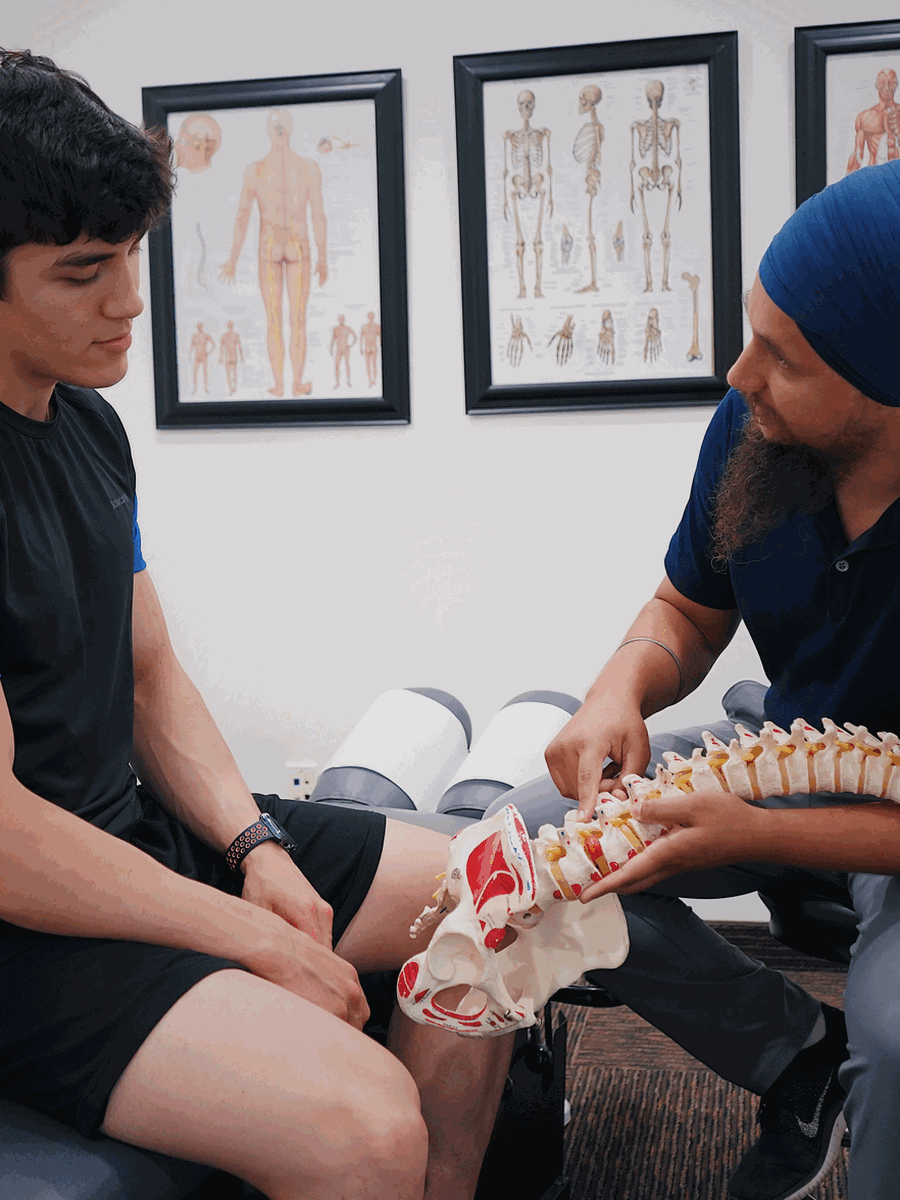
Assessment and decision points
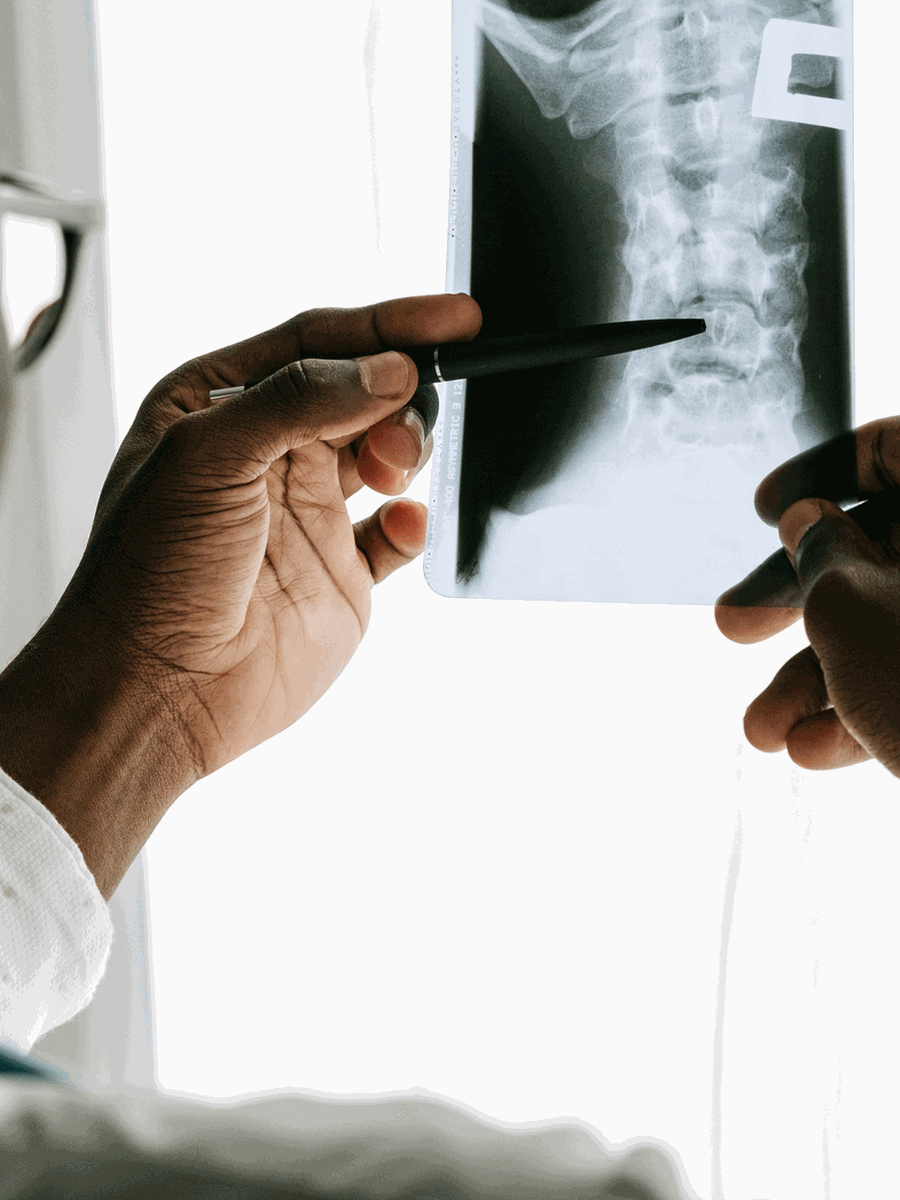
Candidate assessment includes pain source, neurological findings, imaging, facet arthritis, instability, osteoporosis, deformity and goals. Disc replacement is generally less suitable with severe facet disease, instability or poor bone quality.
| Clinical situation | Possible next step | Why it matters |
|---|---|---|
| Selected single-level disease | Disc replacement may be considered | Motion preservation may be desirable. |
| Instability or severe facet disease | Fusion may be more appropriate | Stability is primary. |
| Unclear pain source | Neither should be rushed | Clarify diagnosis. |

Management and treatment choices
Both procedures require discussion of pain relief, neurological outcome, rehabilitation, implant longevity, reoperation and complications. A second opinion may be useful.
Questions before choosing care
What is the working diagnosis?
Ask which findings support it.
What outcome is realistic?
Define measurable change.
What are the alternatives?
Compare active care, technology, procedures and surgery.
When will the plan be reviewed?
Set criteria for continuation or escalation.
Relevant external resources
Some resources may share ownership or editorial direction; this relationship is disclosed.
Frequently asked questions
Does replacement preserve normal motion?
It is designed to, but actual motion varies.
Is fusion outdated?
No.
Which is less invasive?
Approach and complexity vary.
Does replacement prevent adjacent disease?
Long-term differences remain debated.
Can everyone receive replacement?
No.
Does osteoporosis matter?
Yes.
Do facet joints matter?
Yes.
Which lasts longer?
Durability depends on implant and patient factors.
Is a second opinion reasonable?
Yes.
Does The Spine Page select candidates?
No.
Sources consulted
Last editorial review: July 2026. General educational information only.
Dr. Sylvain Desforges, B.Sc., D.O., N.D., osteopath — The Spine Page
Continue exploring spinal health
Use the condition and treatment hubs to compare related guides.
The Spine Page — The best treatments for your spinal problems — www.thespinepage.com