




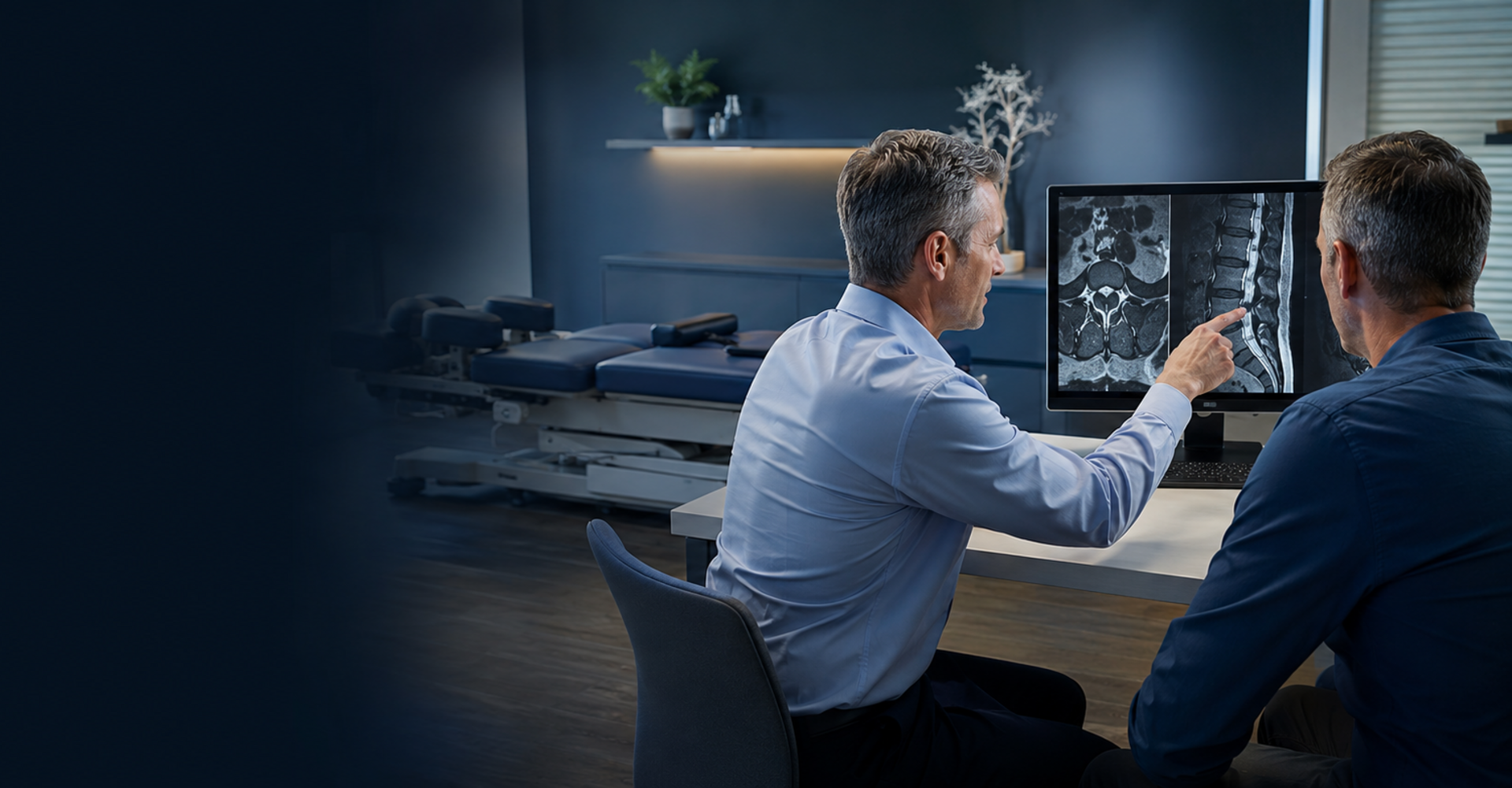
Cervicogenic headache vs migraine: neck findings, symptoms and warning signs
Cervicogenic headache is secondary headache attributed to a cervical structure. Migraine is a primary neurological headache disorder. Neck pain and stiffness can occur in both, so cervical symptoms alone do not establish the diagnosis.
Cervicogenic headache often begins in the neck or occipital region and may be provoked by neck movement or sustained posture. Migraine more often includes pulsating pain, activity sensitivity, nausea, photophobia, phonophobia or aura, but overlap is substantial. A person may also have more than one headache type.
Assessment and differential diagnosis
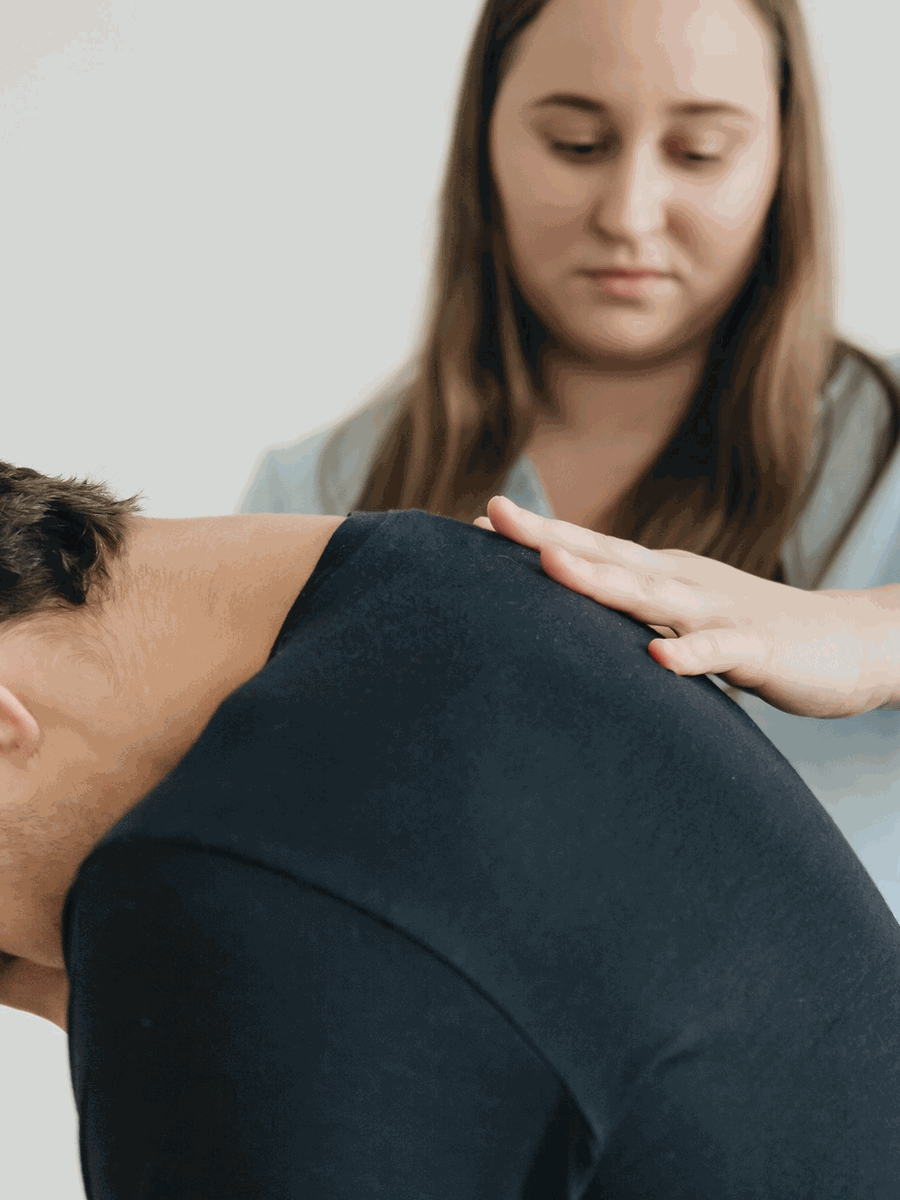
Diagnosis begins with headache history: onset, duration, frequency, location, associated symptoms, triggers, medication use and family history. The cervical examination may include range of motion, upper-cervical flexion–rotation testing, strength and reproduction of familiar pain. Physical tests can support but do not independently confirm cervicogenic headache. Neurological examination and medical assessment are important when the presentation is new, severe or atypical.
| Clinical pattern | Possible interpretation | Why it matters |
|---|---|---|
| Headache reproduced by cervical movement with restricted upper-neck motion | Cervicogenic component possible | Exclude migraine and other secondary causes. |
| Pulsating episodes with nausea and sensory sensitivity | Migraine more likely | Use established headache criteria. |
| Sudden maximal headache or new neurological deficit | Emergency assessment | Subarachnoid haemorrhage, stroke or another serious cause must be excluded. |
| Frequent mixed features | More than one headache type possible | A headache diary and multidisciplinary assessment may help. |
Treatment and decision-making
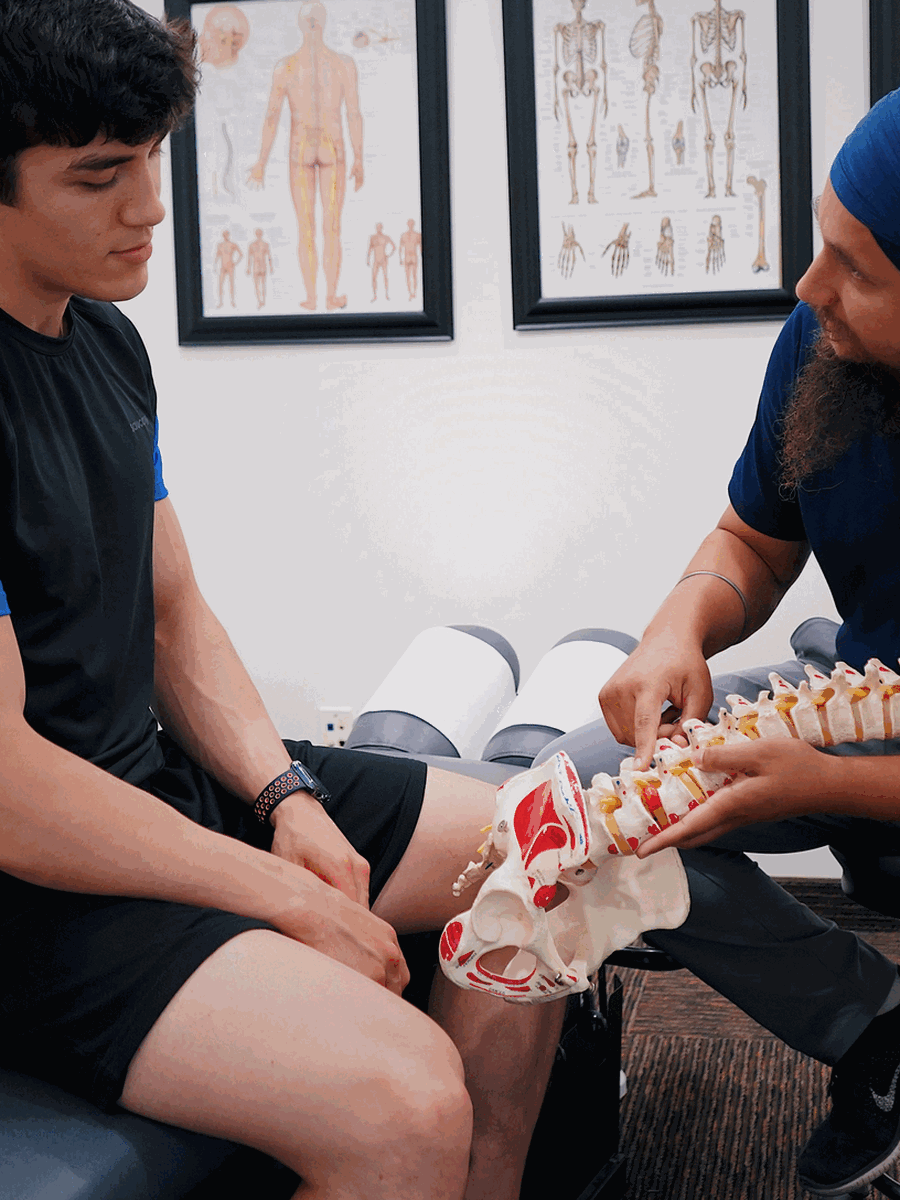
Cervicogenic headache care may include education, cervical and scapular exercise, graded activity and selected manual therapy. Migraine management may include trigger management, acute and preventive medication and neurological care. Treating the neck alone is unlikely to control a primary migraine disorder when migraine is the dominant diagnosis.
Questions before choosing care
What is the leading diagnosis?
Ask which findings support it and which alternatives remain.
What test would change care?
Avoid testing that cannot alter the next step.
What result matters?
Track function, neurological safety and meaningful activity.
When should the plan change?
Define referral, stopping and escalation criteria.
Relevant specialized resources
Some resources may share ownership or editorial direction; this relationship is disclosed and the links are included for contextual relevance.
Dr Sylvain Desforges
Professional information about neuromusculoskeletal assessment.
Frequently asked questions
Can migraine cause neck pain?
Yes, very commonly.
Does neck stiffness prove cervicogenic headache?
No.
What is the flexion–rotation test?
A test of upper-cervical rotation performed in neck flexion.
Can both headache types coexist?
Yes.
Can an MRI diagnose cervicogenic headache?
Not by itself.
Does manipulation cure migraine?
No.
Can exercise help cervicogenic headache?
It may help selected patients.
When should a headache diary be used?
When frequency, triggers and mixed features need clarification.
When is headache an emergency?
Sudden severe onset, neurological change, fever, trauma or other red flags require urgent care.
Does The Spine Page diagnose headache disorders?
No.
Sources consulted
- International Classification of Headache Disorders — Cervicogenic headache
- Demont et al. — Diagnostic review of cervicogenic headache
- Anarte-Lazo et al. — Migraine vs cervicogenic headache physical findings
- Koonalinthip et al. — Treatment network meta-analysis
Last editorial review: July 2026. General educational information only.
Dr. Sylvain Desforges, B.Sc., D.O., N.D., osteopath — The Spine Page
Continue exploring spine health
Use the condition and treatment hubs to compare related guides.
The Spine Page — The best treatments for your spinal problems — www.thespinepage.com