


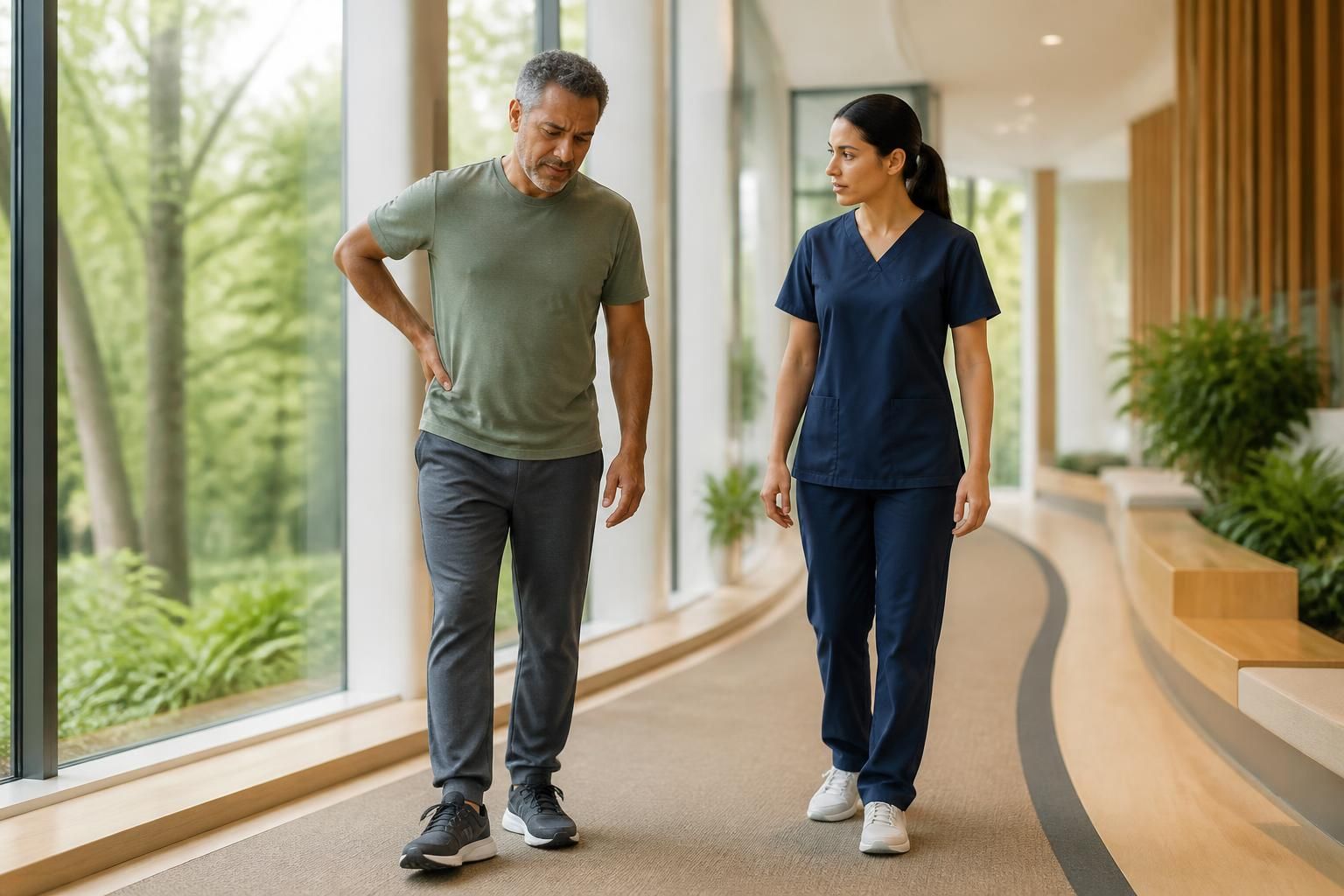




Sciatica, characterized by pain radiating along the sciatic nerve, can significantly disrupt the ability to walk, an activity that is essential to everyday life. For Mont-Royal residents living with this condition, understanding how to manage walking while accommodating this pain is fundamental. Walking with sciatica is neither impossible nor necessarily contraindicated, but it requires an adapted approach that respects the body’s signals, avoids overloading and maximizes the benefits of gentle, controlled activity.
This reality is especially relevant in an urban setting such as Mont-Royal, where mobility plays a key role in quality of life. Depending on the nature, cause and severity of symptoms, advice on walking, precautions to take and treatment options vary. Understanding the mechanisms of sciatica, the effects of walking on leg pain and the role of posture can guide people toward a cautious yet proactive approach.
In brief: essentials for understanding walking with sciatica in Mont-Royal
- Sciatica generally results from irritation or compression of the sciatic nerve, often associated with a herniated disc or spinal stenosis.
- Walking can be beneficial by stimulating blood circulation, releasing endorphins and strengthening stabilizing muscles, provided that intensity and posture are adapted.
- Pain while walking can vary and worsen depending on posture, duration or speed; it is important to listen to these signals and avoid excessive effort.
- A gradual approach with short steps, an upright posture and, if needed, appropriate support can help maintain mobility without worsening pain.
- Seek prompt care in the event of severe or progressive symptoms, such as muscle weakness or loss of bladder control, for a specialized clinical assessment.
Understanding the mechanisms of sciatica related to walking
Sciatic pain results from irritation or compression of a lumbar nerve root, often attributed to a herniated disc or foraminal stenosis. This compression places pressure on the sciatic nerve, which extends from the lumbar spine to the buttock, leg and sometimes the foot. The precise location and severity of this compression directly influence the symptoms experienced while walking.
In Mont-Royal, where many residents combine physical activity with urban travel, pain can limit mobility and affect quality of life. It is essential to distinguish sciatica from other types of radicular or muscular pain. For example, sciatica generally involves sharp or burning pain that follows a specific nerve pathway, possibly accompanied by numbness, tingling or muscle weakness.
Unlike simple low back pain, sciatica can worsen symptoms while walking because of repeated mechanical stresses and weight borne by compressed nerve roots. However, pain location alone is not enough to identify the cause. A clinical assessment, including a neurological examination and, if needed, additional tests such as imaging, is essential to understand the exact nature of the nerve compression.
The complexity of spinal structures, including intervertebral discs, facet joints and ligaments, explains why pain can vary in intensity and location according to movement and walking posture. For example, a disc protrusion can cause moderate pain initially that increases with prolonged walking, whereas spinal stenosis can durably limit walking distance by causing excessive stretching or compression of the nerves.
Finally, this mechanistic understanding makes it possible to anticipate that cautious management of walking in Mont-Royal must consider not only pain, but also associated signs such as numbness, weakness and sensory disturbances, so that interventions can be adapted to the individual profile.
The effects of walking on sciatic pain and recommended posture
Walking is a gentle exercise that stimulates blood flow to affected areas, thereby helping reduce inflammation and deliver nutrients to nerve tissues. This movement may also trigger the release of endorphins, natural substances that modulate pain. Therefore, moderate walking is often recommended in sciatica management, helping maintain or improve mobility despite discomfort.
In Mont-Royal, with its walkable streets, residents can benefit from a favourable setting for incorporating this activity into their daily routine. That said, it is important not to exceed one’s tolerance threshold. Pain that clearly increases while walking requires slowing down, reducing the duration or stopping to prevent worsening.
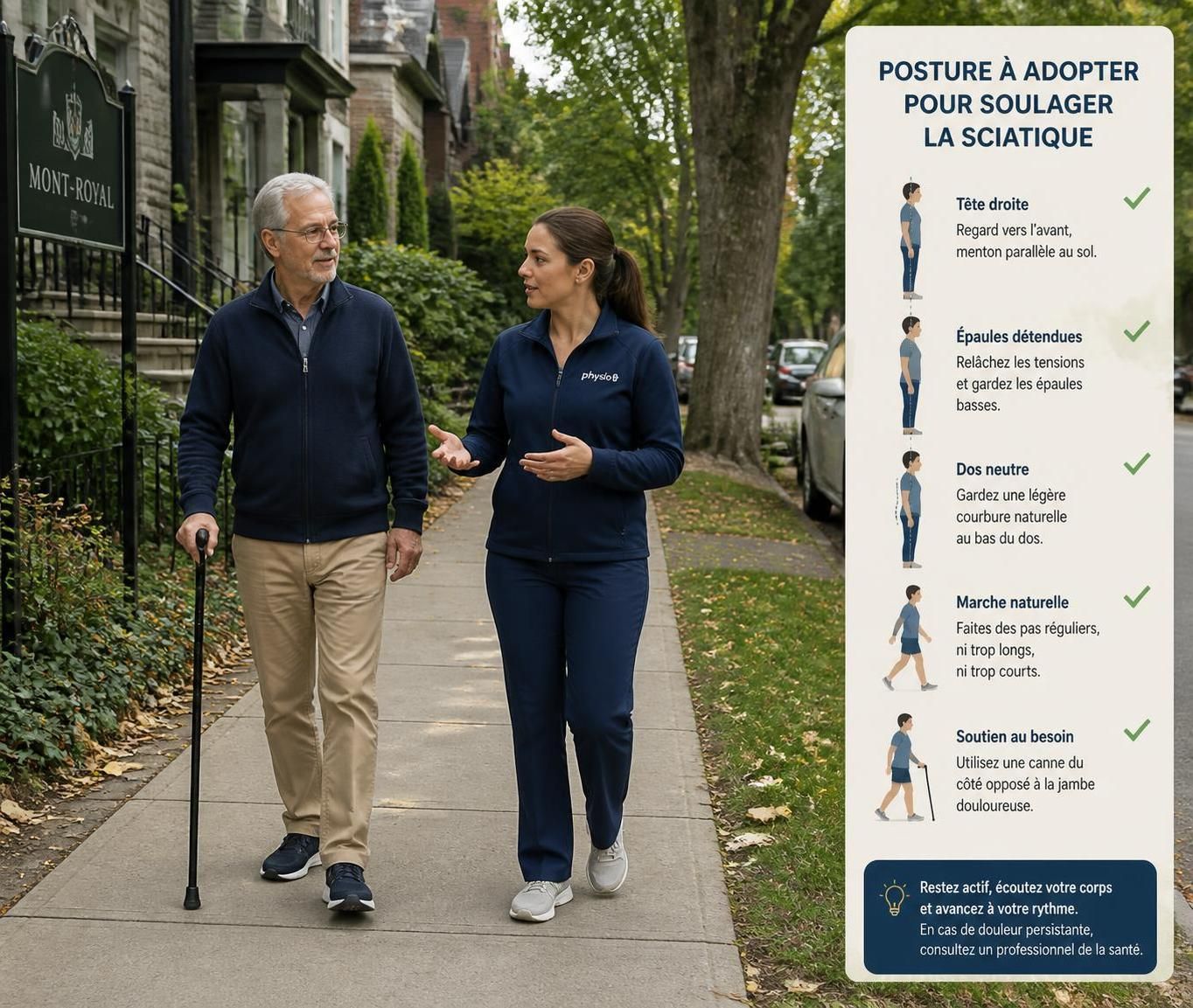
Posture plays a crucial role. Slouching too much or excessively arching the back can aggravate nerve compression and intensify symptoms. Ideally, patients should try to maintain an upright posture, with the chin slightly tucked, shoulders relaxed and arms moving naturally. This helps distribute mechanical forces evenly and limits strain on the lower back and pelvis.
For some people, using temporary support such as a cane can reduce pressure on the affected leg, improving walking comfort. However, this aid should be suited to physical abilities and aim to restore independence rather than create prolonged dependence.
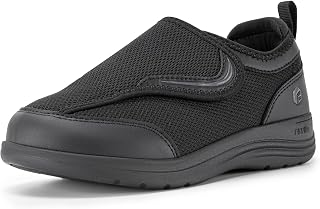
Experts also emphasize caution when choosing footwear. Shoes should provide good arch support and sufficient cushioning to limit shock transmitted to the spine. Inappropriate footwear can increase pain by altering walking mechanics and posture.
Resources such as understanding calf pain while walking related to sciatica offer targeted advice on these sometimes overlooked but essential aspects.
Practical tips for walking without worsening sciatica in Mont-Royal
To get the most benefit from walking and limit the risk of worsening, several strategies can be implemented.
- Gradual increase : Start with short walking periods suited to your tolerance, with the goal of gradually increasing time and distance.
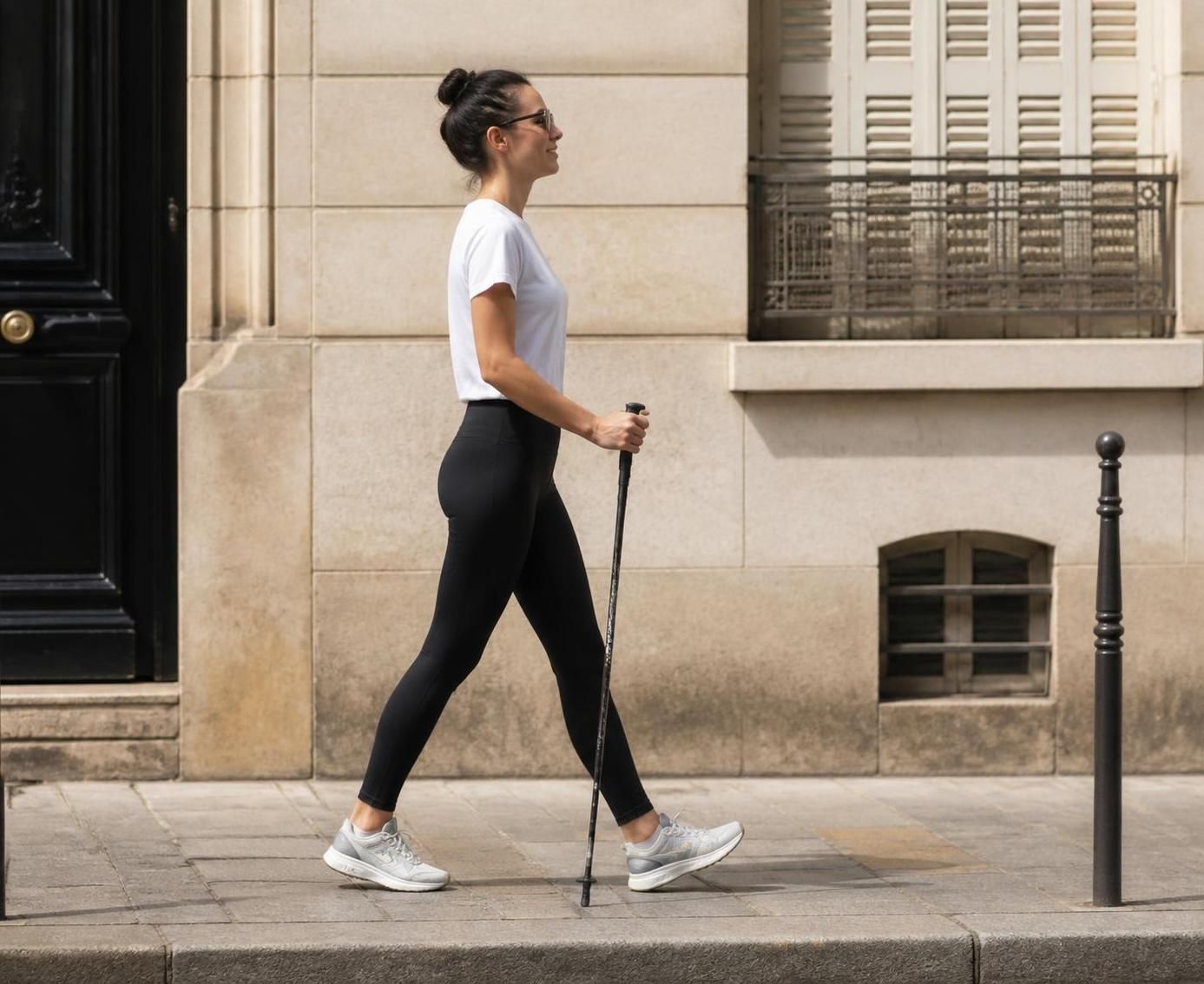
- Short steps : Use a shorter stride to minimize strain on the lower back and hip, thereby avoiding mechanical overload.
- Aligned posture : Maintain a neutral posture, avoiding leaning forward or excessively arching your back, which can increase nerve compression.
- Breathing rhythm : Use calm, regular breathing to support postural muscles and reduce stress.
- Footwear selection : Choose shoes that provide support, cushioning and comfort, all essential for beneficial walking.
- Use of support : In the event of significant pain, temporarily using a cane can distribute weight and make walking easier.
- Appropriate rest : Build regular breaks into your activities to allow recovery and avoid prolonged nerve irritation.
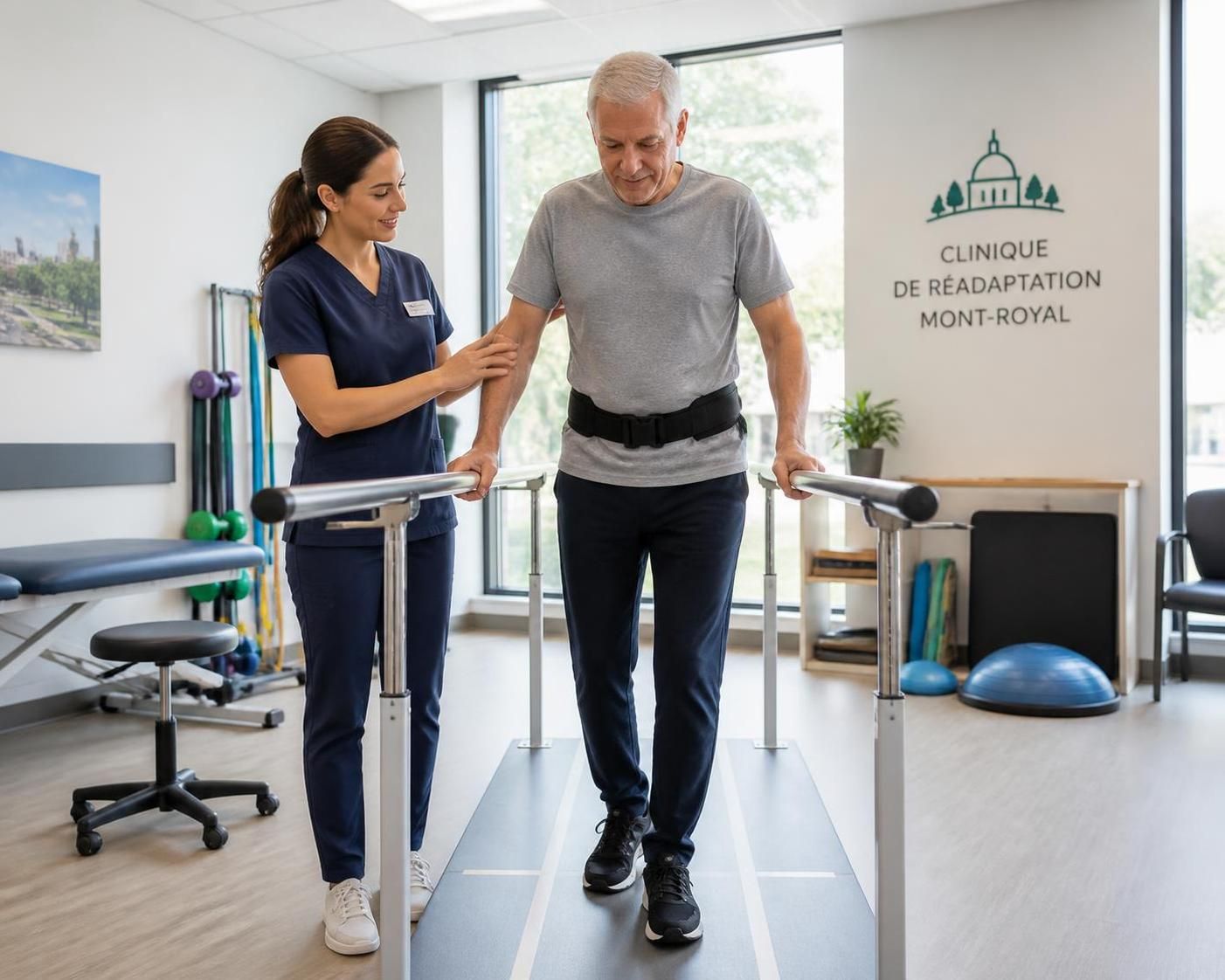
It is also recommended to combine walking with targeted strengthening and stretching exercises, which improve the flexibility and functional capacity of the back and legs. Practices such as yoga or Pilates, adapted to your condition, can be incorporated into an overall management program. For personalized guidance, gait rehabilitation offered by certain clinics in Mont-Royal can be valuable for learning optimal techniques.
Here is a table presenting some complementary exercises commonly recommended for sciatica:
| Exercise | Purpose | Precautions |
|---|---|---|
| Knee-to-chest stretch | Relieves pressure on the sciatic nerve | Do not force if pain is intense |
| Hamstring stretch | Improves leg flexibility | Perform gently; avoid jerking movements |
| Core strengthening (e.g., plank) | Stabilizes the lumbar spine | Adjust duration according to ability |
| Cat-cow pose (yoga) | Gently mobilizes the spine | Stop if pain worsens |
For example, excessive effort or resuming activity too quickly without preparation can lead to a pain flare-up. It is therefore essential to stop any activity as soon as pain becomes too intense and seek professional advice if it progresses or changes.
To explore how to combine walking and exercises while ensuring appropriate care, discover the practical options offered by gait rehabilitation for sciatica in Mont-Royal.
Warning signs requiring prompt consultation in Mont-Royal
Careful monitoring of your symptoms is crucial when managing sciatica, particularly if walking causes or worsens pain. Certain signs indicate that medical advice should be sought without delay to prevent worsening or complications.
When to seek prompt care:
- Persistent or recurring pain below the knee that limits walking.
- Numbness, tingling or reduced sensation in the leg or foot.
- Muscle weakness that affects balance or the ability to walk.
- Loss of bladder or bowel control (medical emergency).
- Numbness in the perineal (“saddle”) area.
- Fever associated with pain or a decline in general health.
- Significant trauma to the back or legs.
These signs require urgent medical assessment, which may include additional tests and the development of an appropriate treatment plan, potentially in a specialized setting.
More generally, if sciatic pain persists beyond a few weeks or significantly limits usual activities such as walking, clinical and functional care is recommended to avoid lasting disability.
Information about signs indicating when to seek care is available in resources such as sciatica care recommendations, helping clearly identify at-risk situations.
A video guide offers practical explanations of adapted walking in the presence of sciatica, demonstrating the importance of postural control and gradual adaptations.
This resource presents rehabilitation exercises and strategies used in a Mont-Royal clinic, highlighting a personalized approach that integrates walking and specific care.
{“@context”:”https://schema.org”,”@type”:”FAQPage”,”mainEntity”:[{“@type”:”Question”,”name”:”Peut-on marcher avec une sciatique sans aggraver la douleur ?”,”acceptedAnswer”:{“@type”:”Answer”,”text”:”Oui, u00e0 condition du2019adapter la duru00e9e, la fru00e9quence et la posture, ainsi que du2019u00e9couter attentivement les ru00e9actions de votre corps pour u00e9viter la sursollicitation.”}},{“@type”:”Question”,”name”:”Quel type de chaussures est recommandu00e9 pour marcher avec une sciatique ?”,”acceptedAnswer”:{“@type”:”Answer”,”text”:”Il est conseillu00e9 du2019utiliser des chaussures offrant un bon soutien de la vou00fbte plantaire, un amorti efficace et un confort adaptu00e9, afin de ru00e9duire les contraintes sur la colonne.”}},{“@type”:”Question”,”name”:”Quand faut-il consulter un professionnel pour une douleur sciatique liu00e9e u00e0 la marche ?”,”acceptedAnswer”:{“@type”:”Answer”,”text”:”Il est important de consulter si la douleur su2019aggrave, devient persistante, s’accompagne de faiblesse ou de perte de contru00f4le urinaire ou intestinal, ou si elle limite significativement la marche.”}},{“@type”:”Question”,”name”:”Quelles sont les pru00e9cautions u00e0 prendre durant la marche pour une sciatique ?”,”acceptedAnswer”:{“@type”:”Answer”,”text”:”Maintenir une posture droite, privilu00e9gier des pas courts, u00e9viter les terrains accidentu00e9s, utiliser un support si nu00e9cessaire, et incorporer des pauses ru00e9guliu00e8res sont des pru00e9cautions utiles.”}},{“@type”:”Question”,”name”:”La du00e9compression neurovertu00e9brale peut-elle aider u00e0 la sciatique ?”,”acceptedAnswer”:{“@type”:”Answer”,”text”:”Chez certains patients su00e9lectionnu00e9s u00e0 Mont-Royal, la du00e9compression neurovertu00e9brale motorisu00e9e peut u00eatre envisagu00e9e pour moduler la pression sur les racines nerveuses, mais nu00e9cessite une u00e9valuation individuelle pru00e9alable.”}}]}Can you walk with sciatica without worsening the pain?
Yes, provided that you adapt the duration, frequency and posture, and listen carefully to your body’s responses to avoid overexertion.
What type of footwear is recommended for walking with sciatica?
It is advisable to use footwear that provides good arch support, effective cushioning and appropriate comfort to reduce strain on the spine.
When should you consult a professional for sciatic pain related to walking?
It is important to seek care if pain worsens, becomes persistent, is accompanied by weakness or loss of bladder or bowel control, or significantly limits walking.
What precautions should be taken while walking with sciatica?
Maintaining an upright posture, taking short steps, avoiding uneven terrain, using support if needed and incorporating regular breaks are helpful precautions.
Can spinal decompression help with sciatica?
For certain selected patients in Mont-Royal, motorized spinal decompression may be considered to modulate pressure on nerve roots, but it requires a prior individual assessment.
If sciatica affects your ability to walk in Mont-Royal, a personalized assessment can help better identify the likely cause and determine safe treatment options suited to your profile. A cautious approach makes it possible to combine physical activity and pain management to regain a better quality of life.
Assessment for sciatica and walking in Mont-Royal
Dr. Sylvain Desforges, B.Sc., D.O., N.D., osteopath
This content is intended for educational purposes and does not replace a personalized individual consultation.
