


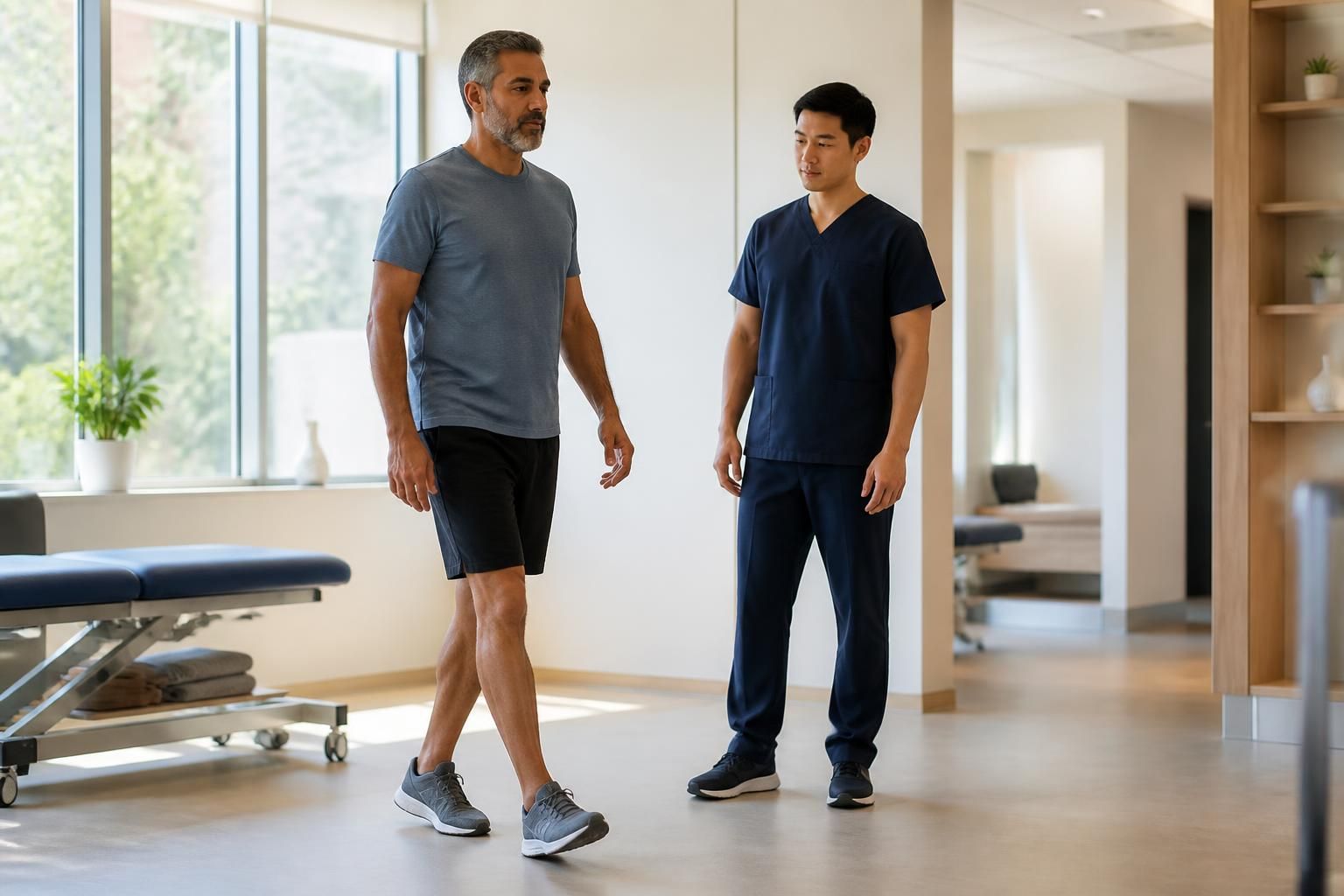
Daily management of sciatica in Montreal West involves a range of personalized strategies aimed at lasting pain relief and optimal restoration of mobility. This pain, often felt from the lower back down to the leg, requires a nuanced understanding of the underlying causes, including mechanical and postural factors that may worsen or maintain symptoms. Navigating Montreal West’s varied urban infrastructure, which blends an active lifestyle with periods of rest, calls for care to be adapted to the specific needs of those affected.
Sciatica does not present uniformly; it may be associated with pain radiating down the leg, numbness, tingling, or muscle weakness. Therefore, each set of symptoms deserves particular attention combining a precise clinical assessment, ergonomic advice, and appropriate exercises. In a setting such as Montreal West, where daily life often involves car travel, remote work in limited spaces, and alternating between sitting and standing positions, a well-supervised integrated approach supports a better quality of life for people living with this condition.


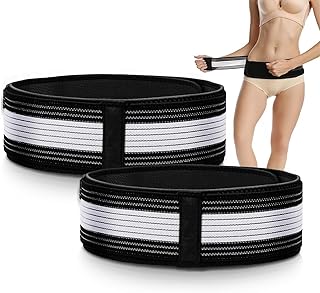


In brief: key points for managing sciatica in Montreal West
- A non-invasive approach is preferred, emphasizing interventions tailored to the individual, including osteopathy, physical therapies, and postural corrections.
- A thorough biomechanical assessment at the first signs of symptoms makes it possible to identify mechanical factors that contribute to sciatic nerve irritation.
- Prevention plays a key role through ergonomic adjustments at work and at home, which are especially important for lifestyles typical of Montreal West.
- Motorized neurovertebral decompression is one option among others for certain selected cases, under professional supervision and following a detailed assessment.
- Managing the daily routine — alternating sitting, standing, and active positions — helps reduce irritating pressure on nerve roots.
- Seeking care early enough when sciatic pain is accompanied by numbness, muscle weakness, or changes in urinary control is essential to avoid complications.
Understanding the mechanisms of sciatica and their impact in Montreal West
Sciatica often results from irritation or compression of the L4, L5, or S1 lumbar nerve roots, which can cause pain that radiates from the lumbar spine to the buttock, thigh, calf, and sometimes the foot. This radicular pain may be accompanied by numbness or muscle weakness, which are important signs of nerve involvement. Understanding the difference between sciatica and simple low back or muscle pain is essential to guide care.
In Montreal West, where activities often involve prolonged sitting, particularly during remote work or sedentary leisure activities, mechanical stresses increase. Postural imbalances, such as pelvic tilt or lumbar slumping, can worsen symptoms. In addition, the frequent presence of a disc protrusion or mild foraminal stenosis may exacerbate nerve irritation, making interventions aimed at reducing local pressure necessary.
A clinical assessment conducted in a Montreal setting must combine medical history, the precise location of pain, and functional testing to distinguish sciatica from femoral neuralgia or piriformis syndrome, two conditions that can cause similar pain but require different treatment. This distinction is all the more important because sciatica affects a varied population, from young active adults to older adults, each with a unique symptomatic presentation and biomechanical context.
Another specific aspect is the variability of pain responses according to the posture adopted throughout the day. For example, some patients describe worsening symptoms after days involving considerable driving or sitting at a desk, which is particularly relevant in the Montreal West area. Conversely, moderate, well-supervised physical activity may sometimes positively influence pain and nerve function.
To further understand the neurological and musculoskeletal mechanisms of sciatica, several local resources are recommended, including comprehensive postural assessments and targeted imaging examinations when needed. This helps develop a treatment plan tailored to the specifics of each case, without assuming that a single rigid protocol is appropriate.
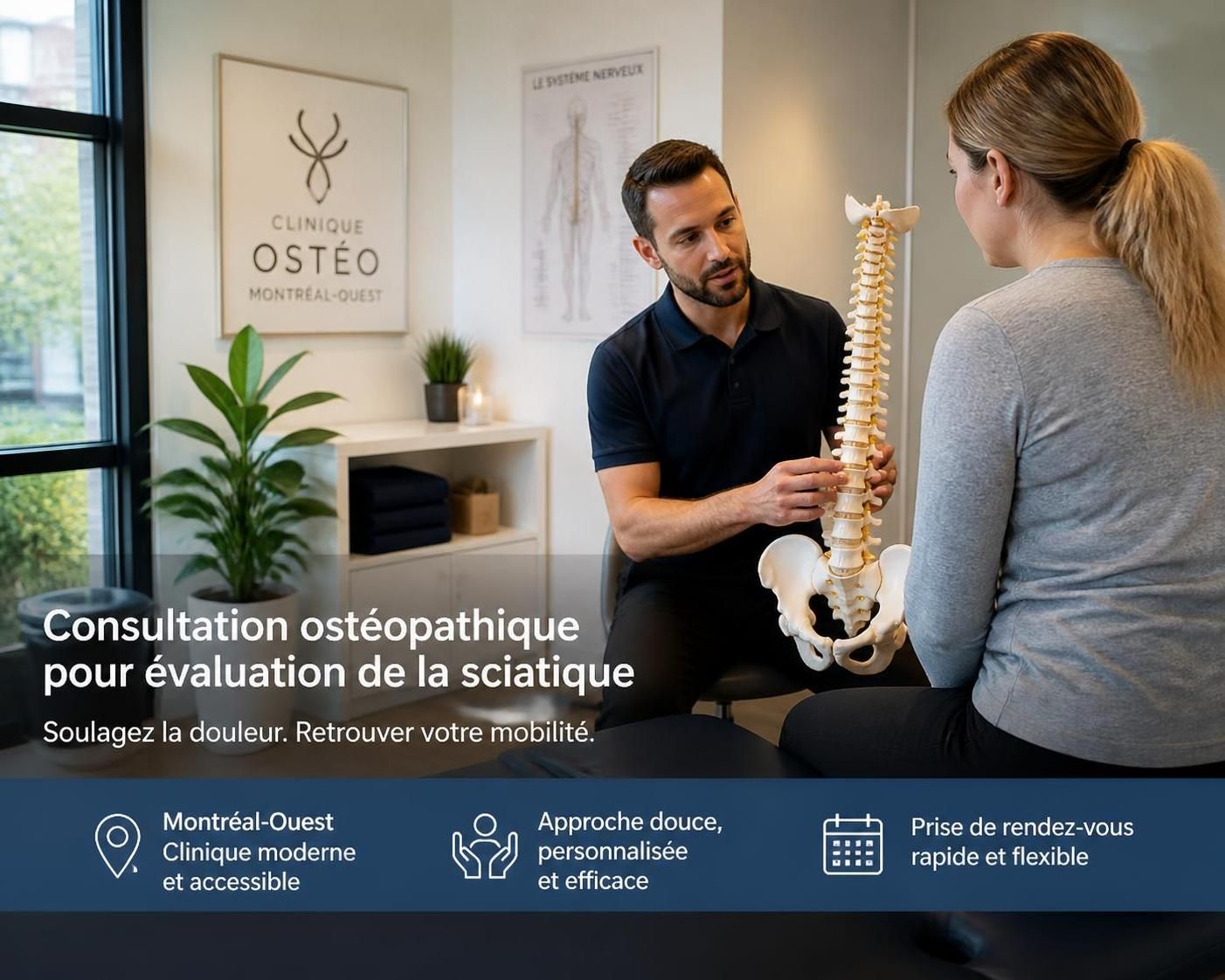
Factors influencing the daily management of sciatic pain
Sciatic pain and associated symptoms vary considerably according to several factors related to daily activities and lifestyle, particularly in a city such as Montreal West. These factors directly affect comfort, function, and the progression of sciatica.
One of the most significant is the posture adopted throughout the day. Prolonged sitting, especially in a chair with poor ergonomics, often increases pressure on the intervertebral discs and sciatic nerve. This is common during remote work, which tends to increase, particularly in Montreal-area settings where travel is minimized.
Conversely, prolonged standing, walking, and certain movements such as flexion or extension of the lumbar spine may either worsen or relieve pain depending on the type of nerve involvement and the individual’s adaptation strategy. For example, repeated or prolonged flexion could worsen a disc protrusion, whereas controlled extension may sometimes help improve foraminal space and reduce nerve compression.
Moderate physical activity, including flexibility and strengthening exercises, often supports a return to function. However, this gradual approach needs to be targeted and supervised to avoid worsening symptoms, particularly when painful chronic sciatica is present. The selection and frequency of exercises must be precisely adapted to the stage of pain and individual tolerance.
Similarly, during car trips in Montreal West, prolonged sitting combined with a lack of movement may intensify symptoms. It is advisable to take regular breaks, use good seat ergonomics, and, if possible, adjust the seat to minimize lumbar compression.
Finally, sciatica can disrupt sleep. Finding an appropriate resting position is often difficult, and this can affect the recovery process. Using accessories such as pillows to support the spine and leg may help reduce nighttime discomfort.
Examples of practical daily tips
- Regularly alternate between sitting, standing, and walking.
- Use an ergonomic chair with good lumbar support.
- Include active breaks every 30 to 60 minutes during sedentary activities.
- Choose supervised gentle stretching and muscle-strengthening exercises.
- Maintain good hydration and manage stress to positively influence pain.
- Adjust your driving posture and assess your comfort during urban travel.
Non-surgical treatment options for sciatica in Montreal West
For sciatic pain, many non-invasive options are available in Montreal West, emphasizing personalized support. The goal is to reduce sciatic nerve irritation while gradually improving mobility and function.
Osteopathy is a first approach that supports rebalancing of muscle tension and improved joint mobility. It takes into account all involved structures, from the pelvis to the lower limbs, and offers treatment adapted to each patient. Clinical studies indicate that this method may help relieve pain and improve function in several patients with sciatica.
In addition, physical therapy, often provided by specialized physiotherapists, combines therapeutic exercises, postural education, and occupational therapy advice. These interventions help strengthen the core stabilizing muscles and reduce mechanical pressure on the affected nerve. Regular follow-up generally makes it possible to adjust exercises according to changes in symptoms.
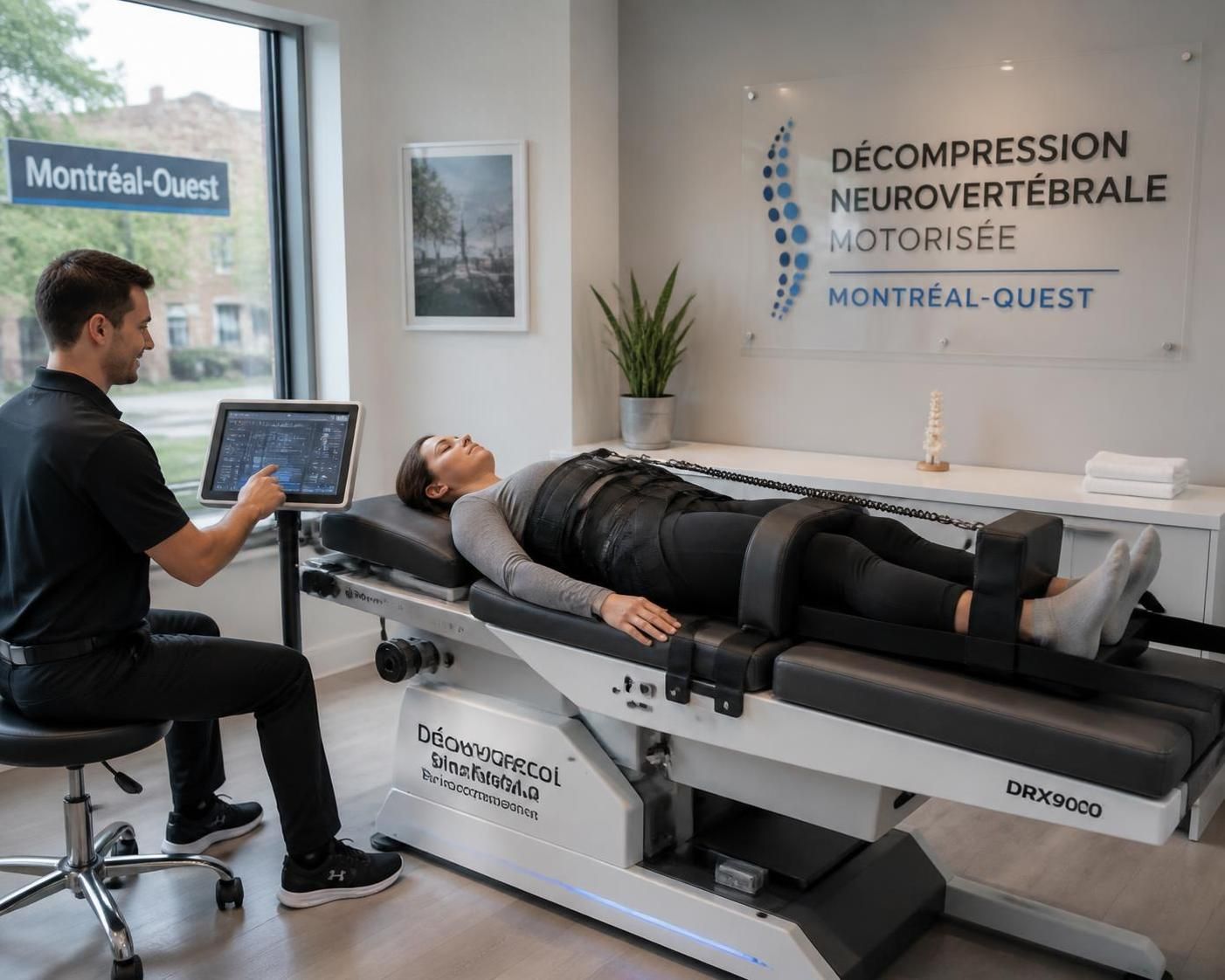
Motorized neurovertebral decompression, available in certain Montreal West centres, offers a complementary non-surgical option. This technique aims to apply controlled traction to the lumbar spine in order to create temporary space between the vertebrae. This may help reduce pressure on irritated nerve roots, which can be a relevant indication in cases of disc herniation or mild foraminal stenosis. A rigorous assessment and professional follow-up are essential, as this decompression is not suitable for everyone.
Medication management, although sometimes necessary, is recommended under the supervision of a health-care professional. It supports pain control to facilitate movement and participation in other treatments.
In some cases, other approaches such as chiropractic care or alternative medicine may be included as complementary options, always within an interdisciplinary and personalized approach adapted to individual needs and tolerances.
| Therapeutic option | Primary objective | Indications in Montreal West | Limitations |
|---|---|---|---|
| Osteopathy | Rebalance tension, improve mobility | Posture-related pain, muscle tension | May require other complementary approaches |
| Physical therapy | Strengthening, postural education | Functional limitations, recurrence prevention | Gradual effects, requires regular follow-up |
| Motorized neurovertebral decompression | Reduce pressure on nerve roots | Disc herniation, mild foraminal stenosis | Not suitable for everyone, variable results |
| Medication | Pain control | Manageable pain, acute phases | Temporary use advised |
| Chiropractic care and alternative medicine | Complementary approaches | Individual preferences, selected cases | Variable effectiveness, complementary |
Knowing when to seek care for sciatic symptoms in Montreal West
Sciatic pain can sometimes develop gradually, but certain signs require prompt specialized consultation to prevent complications and adapt care.
Seek care as soon as:
- Pain becomes intense, persistent, or is accompanied by marked muscle weakness in the leg.
- You notice significant numbness or loss of sensation in the genital area or soles of the feet.
- Urinary or bowel problems develop, such as difficulty controlling urination or bowel movements.
- Pain significantly disrupts sleep or daily activities despite care already undertaken.
A complete clinical assessment will help rule out urgent situations and propose an appropriate treatment plan.
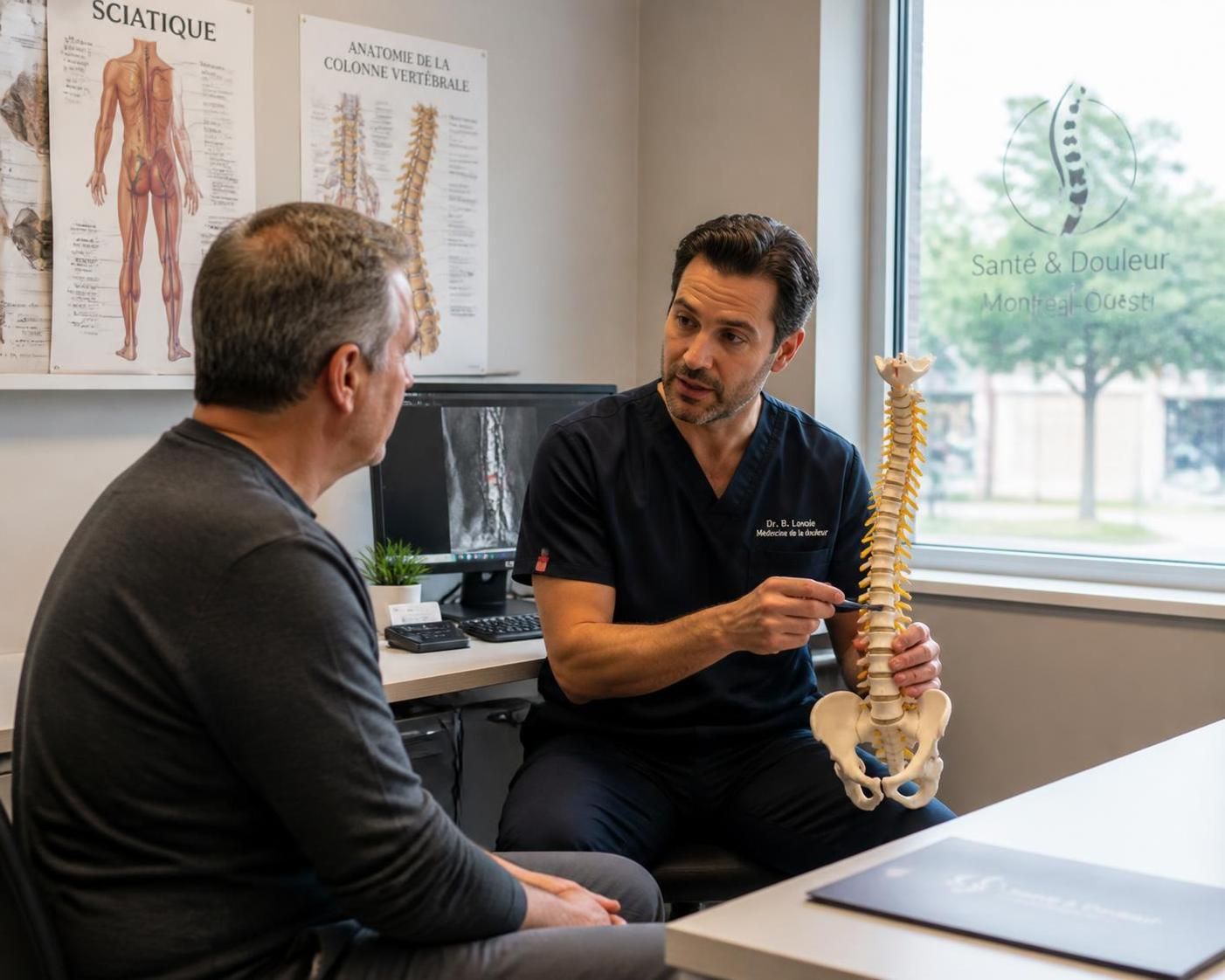
Occupational therapy and rehabilitation to optimize sciatica management in Montreal West
Occupational therapy plays a crucial role in the personalized management of sciatica by offering specific adaptations for the home and workplace. Occupational therapists assess the environment and habits to reduce mechanical stresses that irritate the sciatic nerve while promoting independence.
In the Montreal West context, where many residents work in sedentary occupations or combine remote work and urban travel, occupational therapy helps implement practical ergonomic adjustments. This may include selecting a more suitable chair, organizing breaks during the day, or correctly using computer equipment to limit lumbar strain.
In addition, rehabilitation, often incorporated into physical therapy, aims to restore muscle function, postural balance, and the ability to perform everyday activities without pain. Regular follow-up helps optimize prescribed exercises and ensure effective progress, thereby avoiding recurrences and worsening.
With the collaboration of experienced professionals throughout Montreal and the surrounding area, including TAGMED Clinic, this interdisciplinary partnership is intended for people seeking comprehensive, dynamic care that values education, prevention, and patient empowerment.


What are the first signs of sciatica?
The first signs include pain radiating from the lower back into the leg, often accompanied by tingling, numbness, or muscle weakness in the leg. The precise location and duration of symptoms vary from person to person.
What exercises can help relieve sciatica in daily life?
Targeted core-strengthening exercises and gentle stretches may help reduce pressure on the sciatic nerve, support mobility, and improve lumbar stability when they are well supervised and adapted to the individual situation.
When should you consult a professional for sciatic pain?
It is recommended to seek care promptly in cases of severe unrelieved pain, significant weakness, marked numbness, or urinary and bowel problems, in order to rule out any complication.
Is neurovertebral decompression a solution for all cases of sciatica?
Motorized neurovertebral decompression may be considered for certain selected cases, particularly in the presence of a disc herniation or mild foraminal stenosis, but it is not indicated for all cases of sciatica. A precise assessment is necessary to determine whether it is appropriate.
How does posture influence sciatic pain?
Poor posture, especially prolonged sitting, can increase pressure on the sciatic nerve and contribute to pain. Adopting a neutral posture, alternating it with breaks and movement, helps reduce mechanical strain on the lumbar spine.
If you experience pain that travels down the leg or persistent lower back discomfort, a personalized assessment can help clarify the likely source of your symptoms and the best options for appropriate care. In Montreal West, structured follow-up including non-invasive interventions may support a return to comfortable daily life.
Assessment for sciatica management in Montreal West
Sylvain Desforges, B.Sc., D.O., N.D., osteopath and naturopath
This content is provided for educational purposes and does not replace a personalized assessment by a health-care professional.
