





Epidural fibrosis after spine surgery: scar tissue, MRI and treatment
Epidural fibrosis is scar tissue that develops in the epidural space after spinal surgery. Scar formation is part of normal healing, but dense adhesions around a nerve root may contribute to persistent or recurrent radicular pain in selected patients.
Surgical tissue injury triggers inflammation, fibroblast activity and collagen deposition. Scar may tether a nerve root, reduce its mobility or complicate revision surgery. However, postoperative scar is common and not every visible adhesion causes pain. Recurrent disc herniation, residual stenosis, instability, infection, adjacent disease and nerve injury must be considered before attributing symptoms to fibrosis.
Assessment and differential diagnosis
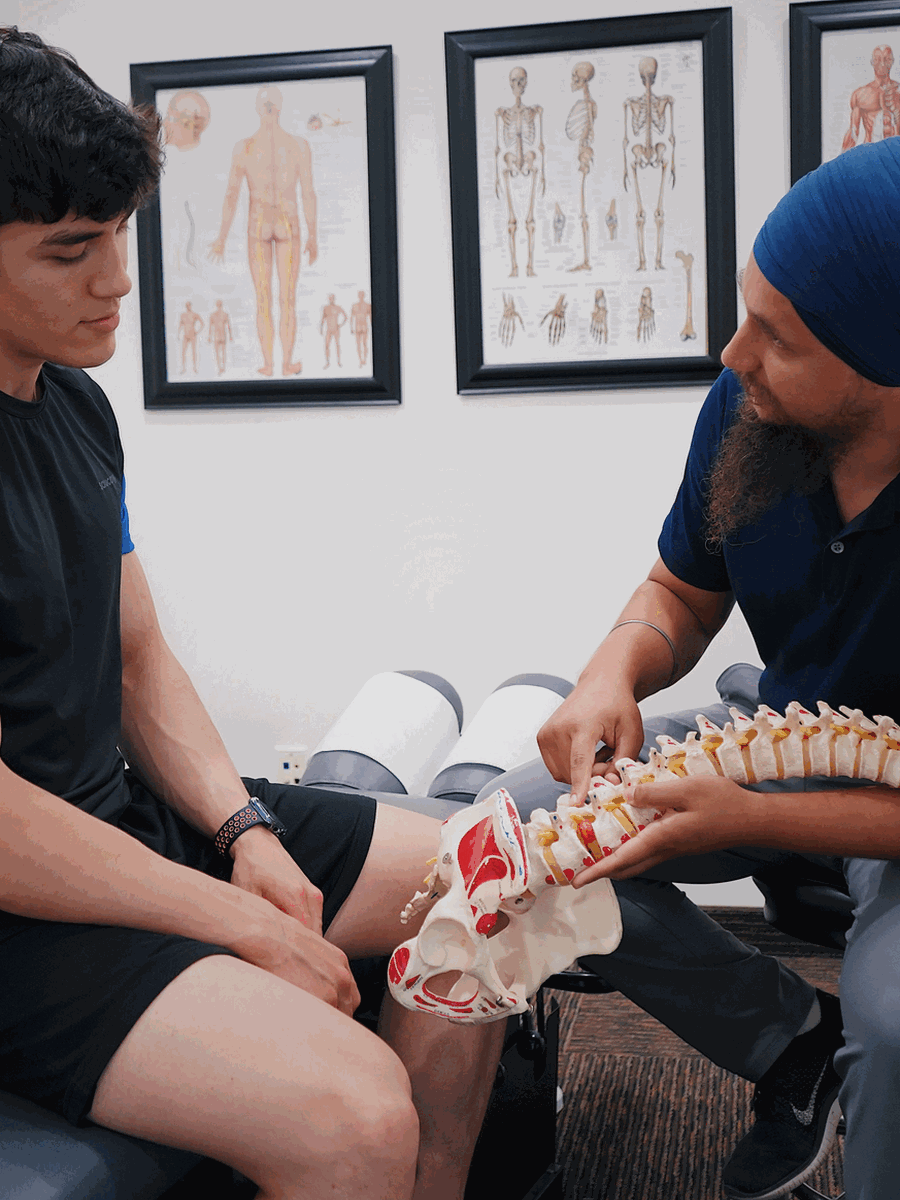
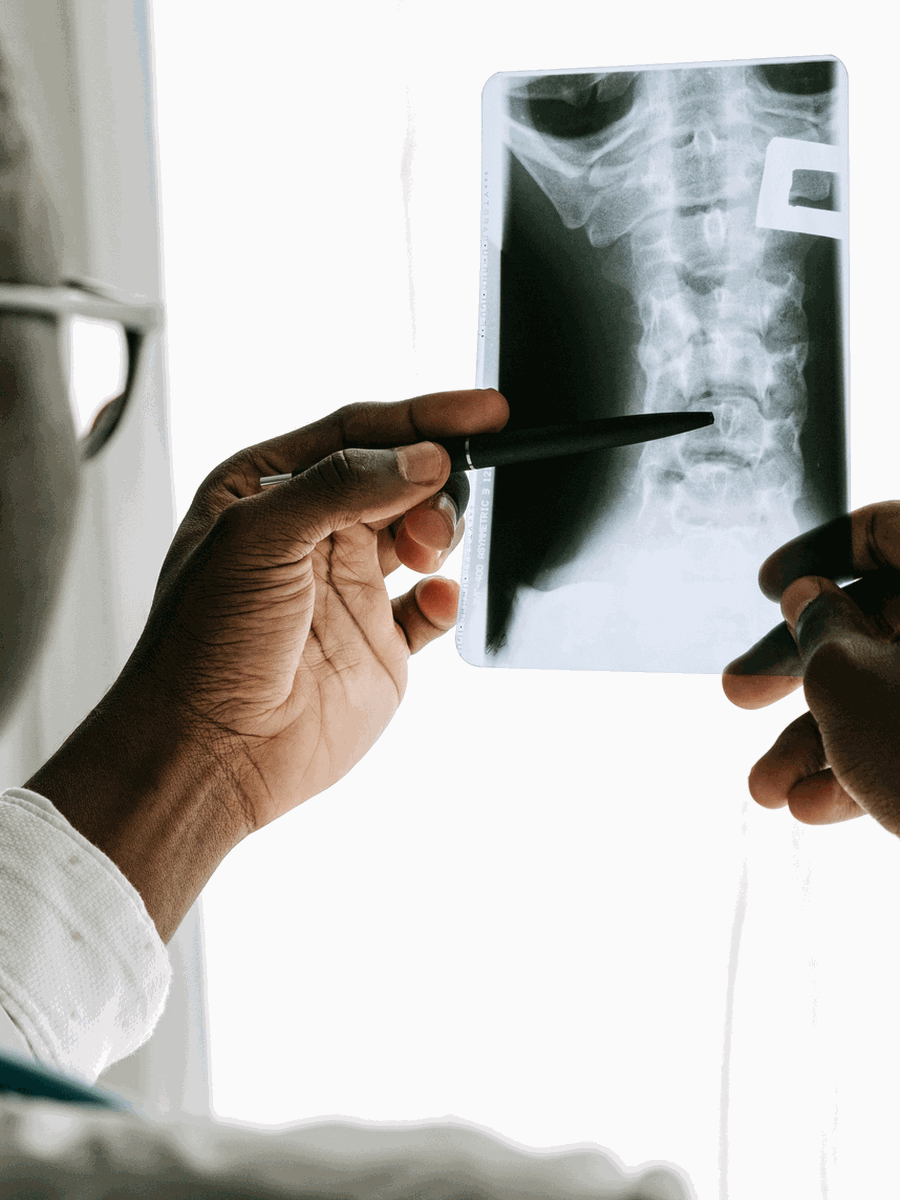
The timeline is important. New radicular pain after a symptom-free interval raises concern for recurrent herniation or adjacent disease; persistent pain from the immediate postoperative period may have several explanations. ACR criteria consider MRI without and with contrast usually appropriate for new or progressing symptoms after lumbar surgery. Scar tissue typically enhances because it is vascularized, while recurrent disc material shows little or peripheral enhancement. Imaging is not perfect, and interpretation must include the operative level, symptom side, neurological examination and alternative postoperative complications.
| Clinical pattern | Possible next step | Why it matters |
|---|---|---|
| Postoperative scar on MRI without matching symptoms | No scar-specific treatment | The finding may be expected and incidental. |
| Persistent radicular pain with no recurrent compression | Multimodal rehabilitation and pain pathway | Neuropathic and persistent-pain mechanisms may dominate. |
| Adhesions suspected after temporary response to epidural procedure | Adhesiolysis may be discussed | Benefits and risks remain uncertain. |
| Recurrent disc, instability or severe stenosis | Treat the structural lesion | Do not attribute everything to scar. |
Treatment and decision-making
Management depends on the dominant mechanism. Rehabilitation, education, medication optimization and psychological or sleep care may be important. Epidural steroid injection may reduce inflammation but does not remove scar. Percutaneous adhesiolysis, epiduroscopy and targeted catheter techniques attempt to disrupt adhesions and deliver medication; evidence and practice vary. Open revision solely to remove scar has a risk of further fibrosis and dural or neural injury, so surgery is usually reserved for a correctable compressive lesion or highly selected cases.
How to interpret the finding in practice
The word scar should not become a diagnosis of exclusion that prevents further investigation. The clinical task is to determine whether the nerve is still compressed, merely surrounded by scar or affected by a different postoperative mechanism.
Reconstruct the timeline
Immediate, persistent and recurrent pain suggest different mechanisms.
Use contrast selectively
Post-contrast MRI may distinguish scar from recurrent disc.
Review the operation
The approach and decompressed level shape the differential.
Assess neuropathic features
Burning, electric pain and allodynia may reflect nerve injury.
Avoid repeated blind procedures
Interventions should follow a specific target.
Plan long-term function
Pain reduction alone may not restore strength, sleep or activity.
How to monitor progress and avoid treatment errors
A credible treatment plan should define what improvement means before care begins. Pain intensity alone is not enough, because pain may fluctuate while neurological function, walking, sleep or daily activity changes in another direction. The diagnosis should also be reconsidered when the expected response does not occur.
Establish a baseline
Record symptom distribution, strength, sensation, walking, sleep, medication use and the activities that matter most.
Use a planned review point
Decide when progress will be evaluated rather than continuing automatically until a package is completed.
Separate relief from diagnosis
Temporary improvement after an injection, manual treatment or device does not prove that the proposed structure was the true cause.
Watch the neurological trajectory
New weakness, spreading numbness or balance change matters even if pain has decreased.
Revisit competing diagnoses
Hip, sacroiliac, vascular, inflammatory and postoperative causes may overlap with the initial explanation.
Escalate proportionately
Imaging, specialist referral or surgery should be considered when the risk or functional loss justifies it.
Common mistakes to avoid
- Treating the largest imaging abnormality rather than the clinically relevant lesion.
- Assuming that a diagnostic label remains correct when the symptom pattern changes.
- Repeating passive care despite no measurable functional progress.
- Using one negative test to exclude a condition that remains clinically plausible.
- Delaying urgent assessment to complete a predetermined treatment schedule.
- Generalizing results from a narrowly selected study population to every patient with a similar MRI term.
Shared decision-making is strongest when uncertainty is stated directly. A provider should explain what is confirmed, what remains probable, which alternatives still matter and what findings would change the plan. For complex or postoperative presentations, a second opinion from a clinician experienced with the specific condition may be more useful than adding another non-specific treatment.
Questions before choosing care
What is the leading diagnosis?
Ask which findings support it and which alternatives remain.
What test would change care?
Avoid testing that cannot alter the next step.
What result matters?
Track function, neurological safety and meaningful activity.
When should the plan change?
Define referral, stopping and escalation criteria.
Relevant specialized resources
Some resources may share ownership or editorial direction; this relationship is disclosed and the links are included for contextual relevance.
Frequently asked questions
Is epidural fibrosis normal after surgery?
Some scar formation is expected.
Does scar always cause pain?
No.
Can MRI distinguish scar from recurrent disc?
Contrast-enhanced MRI can help but is not perfect.
Can scar tissue be dissolved?
No established medication reliably dissolves mature epidural scar.
Do epidural injections remove fibrosis?
No.
What is adhesiolysis?
A catheter-based or endoscopic attempt to disrupt adhesions and deliver medication.
Can surgery remove all scar?
Complete removal is difficult and may create more scarring.
Can fibrosis cause weakness?
If it contributes to nerve dysfunction, weakness is possible, but other compression must be excluded.
Can spinal cord stimulation be considered?
It may be considered for selected persistent neuropathic pain after multidisciplinary assessment.
Does The Spine Page diagnose postoperative fibrosis?
No.
Sources consulted
- Lewik et al. — Postoperative epidural fibrosis review
- ACR Appropriateness Criteria — Low Back Pain, prior lumbar surgery
- Bundschuh et al. — MRI assessment of epidural fibrosis and recurrent disc
Last editorial review: July 2026. General educational information only.
Dr. Sylvain Desforges, B.Sc., D.O., N.D., osteopath — The Spine Page
Continue exploring spine health
Use the condition and treatment hubs to compare related guides.
The Spine Page — The best treatments for your spinal problems — www.thespinepage.com