


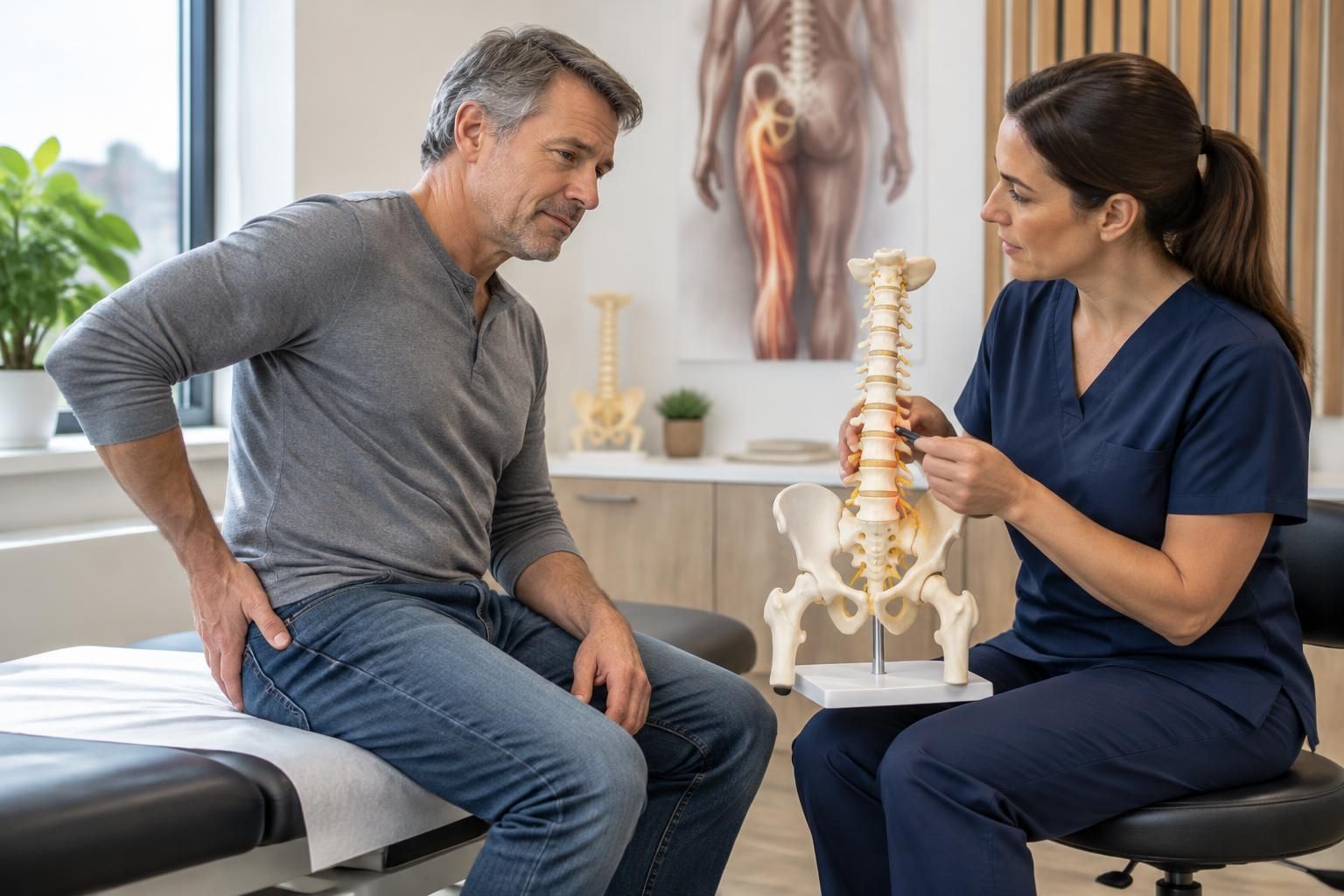
Persistent sciatica after treatment does not necessarily mean that care has failed or that surgery is inevitable. In Laval, as elsewhere, the first step is to reassess the symptoms, their progression and the possible cause, then determine whether the current plan needs to be adjusted.
Sciatica treatment may combine a gradual return to activities, tailored exercises, physiotherapy, medications prescribed as appropriate or, for some individuals, an injection or neurovertebral decompression. The choice depends in particular on low back pain, pain radiating into the leg, neurological signs and the effects of care already tried.



In brief: key points when sciatic pain persists
Duration calls for assessment, not a conclusion. Beyond a few weeks, or if symptoms recur, a new assessment can help clarify what is maintaining the pain.
The path of the pain does not by itself reveal its cause. Nerve irritation, referred pain or another condition can produce similar symptoms.
Movement should be adjusted according to the response. Gradual activity can support function, but pain that spreads or new weakness warrants reassessment.
Solutions are chosen on a case-by-case basis. Rehabilitation, medications, injections or decompression are not suitable for every situation.
Why can sciatica persist after treatment?
The term “sciatica” generally describes pain that follows the path of a nerve root through the buttock and leg; it does not refer to a single cause. A disc herniation or bulge, narrowing of the spinal canal or a foramen, or irritation located elsewhere may be considered depending on the examination and the history of symptoms.
Pain may also continue while the mechanical situation evolves. An irritated nerve can remain sensitive, and reduced activity, disrupted sleep or fear of movement can make it harder to return to usual activities without proving that significant compression persists.
Pain at the back of the leg may suggest involvement of the L5 or S1 roots, while femoral neuralgia more often affects the front of the thigh and may be associated with a higher root, such as L4. However, the path of the pain is not enough to identify the involved root or structure with certainty. Low back pain may remain localized in the lower back or accompany radiating pain.
Pain originating from the joints, muscles or hip region may also resemble radicular pain. Piriformis syndrome is sometimes considered, but it cannot be diagnosed based on buttock pain alone. To explore possible mechanisms further, see the causes and diagnostic considerations for sciatica.
In Laval, a long car ride, a day of remote work with few breaks or resuming physical activity too quickly can alter symptoms. These factors do not necessarily explain the cause, but their relationship to pain may provide useful information for the professional assessing the situation.

When should symptoms and tests be reassessed?
Pain that persists, regularly returns or limits walking, sleep or daily tasks deserves a clinical assessment. It is also helpful to seek care if tingling, numbness or loss of sensation appears or progresses, or if the leg seems weaker than before.
An MRI or other imaging test is not automatically necessary simply because the pain lasts. A professional may discuss it when symptoms change, a neurological deficit is observed, treatment does not produce the expected progression or imaging findings could change care decisions.
Images must be interpreted in light of symptoms and examination findings: a visible disc abnormality does not by itself prove that it causes the pain. Conversely, an unremarkable imaging result does not always rule out nerve irritation. The decision to repeat imaging therefore depends on the clinical question, not solely on the time that has passed.
Certain signs require urgent medical assessment. Loss of bladder or bowel control, numbness in the saddle area, marked weakness or weakness that progresses quickly must be taken seriously. Fever or poor general health, significant trauma, pain in the context of cancer or possible infection, or rapid worsening also warrant prompt referral.
Seek a clinical assessment if pain below the knee persists, walking becomes difficult, sleep is regularly disrupted, or numbness, loss of sensation, weakness or loss of function develops. Recurring pain or pain that does not respond as expected also deserves a new examination.
Seek urgent medical help if you develop new bladder or bowel problems, saddle numbness, significant or rapidly progressing weakness, fever with pain, major trauma or rapid worsening. These signs cannot be assessed reliably from a distance.
What solutions are available for sciatica after initial care?
When no urgent signs are present, care can be reviewed gradually. The goal is not only short-term pain relief: it is also to preserve function, regain tolerance for activities and reduce factors that maintain disability.
Adjusted activity: walking or continuing tolerated tasks may be preferable to prolonged inactivity. Breaks and changes in position can be adapted to the workday or travel.
Physiotherapy and rehabilitation: an individualized program can address mobility, strength and functional movements. Exercises must be adapted to the person’s response; pain that travels farther down the leg, progressing numbness or new weakness calls for reassessment.
Medications: certain medications may be considered for a given period, depending on medical history and the advice of an authorized professional. Potential benefits, side effects and interactions should be reviewed, especially when several products are used.
Injection: a targeted injection may be discussed in certain situations when radicular pain remains significant. Its potential benefit, risks and possible duration of relief vary; it does not necessarily address every cause.
Specialist opinion: if a neurological deficit, significant compression or an unfavourable progression is observed, a specialist consultation may allow other options to be discussed, including surgery when warranted by the clinical picture.
An exercise program does not need to be intense to be useful. For example, a person who tolerates a few minutes of walking can break up this activity and observe the response during and after exertion, rather than abruptly increasing the duration. Stretching and nerve mobilization are not universally suitable; they can worsen symptoms if they are too vigorous or poorly adapted.
For a general overview of the options and their limitations, the resource on possible approaches to treating sciatica can complement a personalized discussion. However, it does not replace an examination, especially if strength or sensation changes.
Neurovertebral decompression: an option for certain profiles
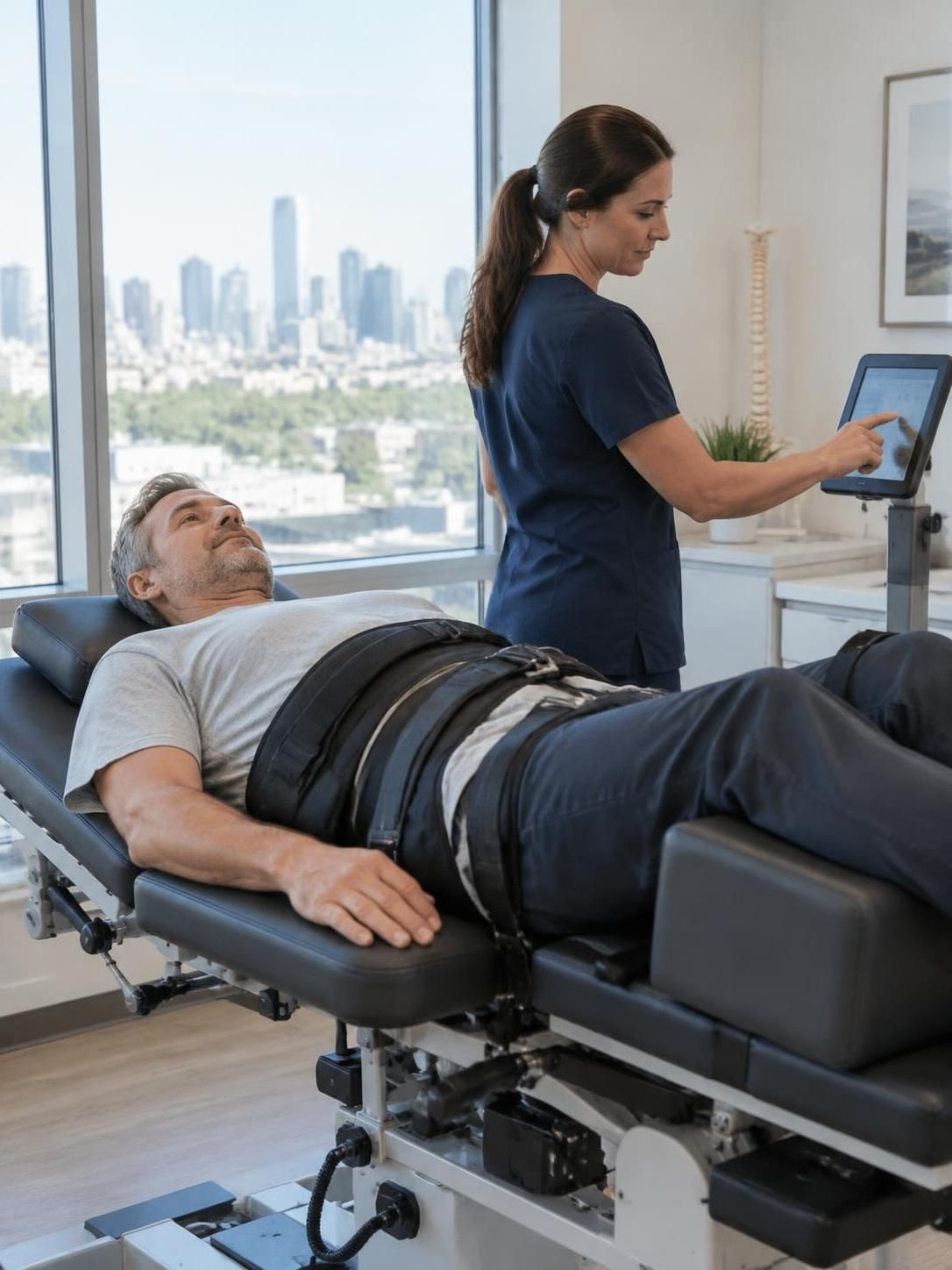
Motorized neurovertebral decompression is a form of controlled traction, applied gradually using a device. It aims to temporarily modify certain mechanical stresses placed on the lumbar region and may be considered for certain patients whose symptoms and assessment are consistent with a disc or foraminal origin.
This approach is not indicated for all cases of sciatica. Selection takes symptoms, examination, medical history, imaging results when relevant, and possible contraindications into account. Results vary; no number of sessions is suitable for everyone, and the method does not “put a disc back in place” or guarantee that surgery can be avoided.
It differs from exercises, which notably aim to improve movement capacity and function, and from manual care, which may address certain tissues or joints. Injections and surgery address other indications and have their own benefits and limitations. No approach can be declared superior for everyone.
At TAGMED Clinic, located at 1140 Beaumont Avenue in Mount Royal, near Outremont and Côte-des-Neiges, approaches for sciatica may include, depending on the assessment, motorized neurovertebral decompression, specific osteopathy or the precision percussor. An assessment remains necessary to determine whether one of these options is appropriate; people in Laval must also consider access to and continuity of care in their decision.
An overview of neurovertebral decompression can help explain the principle of this approach, without presuming its indication in an individual case. It never replaces urgent assessment of concerning neurological signs.
Living with persistent pain: adapting daily life without becoming isolated
Persistent sciatica can disrupt sleep, travel and confidence in movement. Trying to avoid every painful sensation can sometimes reduce activity to the point of increasing stiffness and loss of capacity; conversely, pushing through clear worsening is not a prudent strategy.
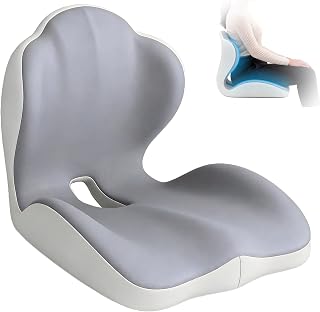
For working from home or at the office, it may be helpful to alternate positions and plan short periods of movement rather than remain seated for long periods without interruption. In the car, taking a break when possible and adjusting the seat comfortably may improve tolerance, without replacing targeted treatment if symptoms persist.
Sleep also deserves practical attention: some people feel better lying on their side with a pillow between their knees, while others prefer another position. There is no universal posture; the useful guide is the one that allows rest without a lasting increase in symptoms.
Chronic pain can be emotionally challenging. If worry, discouragement or sleep difficulties become prominent, discussing them with a health-care professional can be part of comprehensive care. This does not mean the pain is imaginary, but rather that well-being and function support each other.
| Observed situation | Cautious guidance | Possible next step |
|---|---|---|
| Stable pain, activity still possible | Monitor the response to tasks without trying to avoid everything | Maintain tolerated activity and discuss tailored exercises |
| Persistent or recurring pain with numbness | The duration and progression warrant assessment, without alone identifying the cause | Have symptoms and the care plan reassessed |
| Marked or rapidly progressing weakness | Concerning neurological sign | Obtain prompt medical assessment |
| Bladder or bowel problems, saddle numbness | Urgent warning signs | Seek emergency medical services |
Educational videos can help prepare questions, but they cannot choose an exercise or treatment for you. A movement that is suitable for one person may not be appropriate for another.
If you are considering a new approach, note the activities that worsen or ease symptoms, the areas affected, and changes in strength or sensation. This practical information makes discussion with a professional easier and follow-up more useful.
Frequently asked questions about persistent sciatica in Laval
When is sciatica considered persistent?
The term is used in different ways; pain that lasts more than several weeks or returns already deserves reassessment according to its impact. A duration of three months is often used to describe chronic pain, but it is not by itself a diagnosis.
Is a new MRI always necessary?
No. Imaging is considered based on the examination, progression and whether the result could change care decisions. An image must be interpreted together with symptoms, not in isolation.
Should you stop walking when the pain travels down the leg?
Not necessarily if walking remains tolerable and no warning signs are present. Reduce the intensity if symptoms clearly worsen, travel farther down the leg or are accompanied by new weakness, then seek advice.
When should you seek care without delay?
Marked or rapidly progressing weakness, loss of bladder or bowel control, or saddle numbness requires urgent medical assessment. Fever, major trauma or rapid worsening also warrant immediate attention.
Is neurovertebral decompression suitable for all sciatic pain?
No. It may be considered for certain patients after an assessment, but results vary and contraindications exist. It does not replace either urgent medical advice or other options when they are indicated.
If sciatic pain still limits your travel, sleep or work in Laval, an assessment can clarify the likely cause, signs to watch for and the relevance of a conservative approach. TAGMED Clinic, in Mount Royal, offers approaches selected according to the assessment; the decision to seek care should take your situation and accessible options into account.
View assessment and care options
Dr. Sylvain Desforges, B.Sc., D.O., N.D., osteopath
This content is educational and does not replace a personalized assessment or medical advice.
