


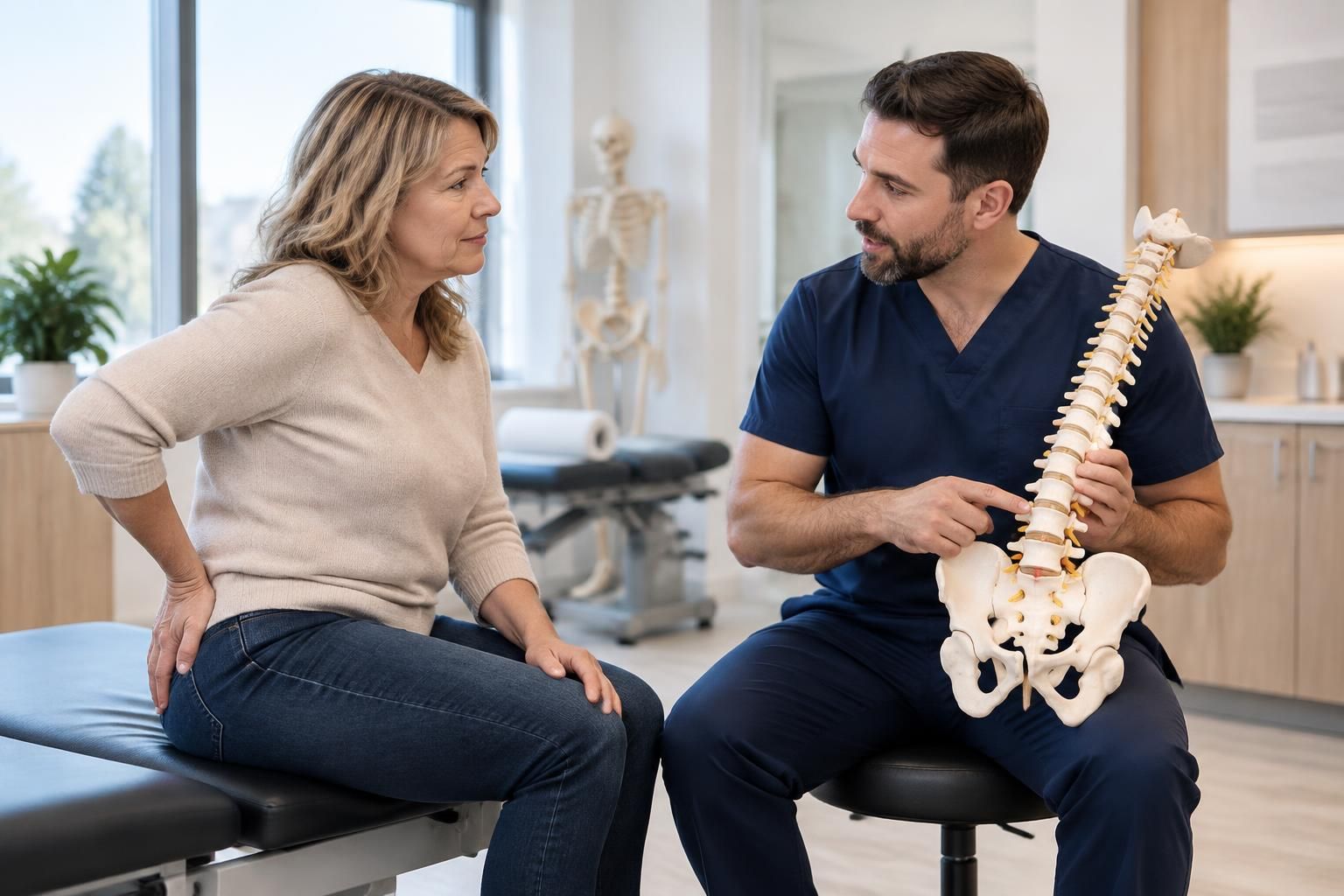
Pain that starts in the lower back or buttock and travels down the leg can make driving, working, and even sleeping difficult. In Saint-Léonard, choosing a specialized clinic for sciatica may facilitate access to a structured assessment, but the quality of care depends above all on the team’s ability to examine symptoms, explain the options, and recognize situations that require medical advice.
The term “specialized clinic” alone does not guarantee appropriate care, and sciatic nerve pain does not always have the same cause. Before choosing an approach, make sure that the assessment takes your history, mobility, and strength into account, and that the personalized care offered is consistent with the signs observed.
In brief: choose a team that explains its limitations, adapts care to your symptoms, and refers you to a medical professional when needed. A local clinic can simplify follow-up visits, but an accurate diagnosis is based on the entire assessment, not solely on the path of the pain.
- Pain travelling below the knee, tingling, or weakness warrant an assessment, especially if these signs persist or worsen.
- The clinic’s name is not enough: ask who performs the assessment, what approaches are offered, and under what circumstances a medical referral is recommended.
- The treatment of sciatica varies according to the likely cause, symptom intensity, function, and how symptoms progress.
- Rapidly progressive weakness, saddle numbness, or loss of bladder or bowel control requires urgent medical assessment.
For comfort accessories, searches such as these may display complementary products; they do not replace a clinical assessment, and their usefulness varies from person to person.


Choosing a clinic for sciatica in Saint-Léonard: what the assessment should include
In Saint-Léonard, as elsewhere in the Montréal area, a reputable clinic should begin by asking about when the pain began, its path, the positions that change it, and the activities that have become difficult. Depending on their scope of practice, the practitioner should also assess mobility, sensation, and leg strength, then explain what these findings do—or do not—allow them to conclude.
Sciatica generally describes pain related to irritation of a lumbar or sacral nerve root. A disc herniation or protrusion, foraminal narrowing, or other issues may contribute to symptoms; however, referred pain from joints or muscles can create a similar impression. The path of the pain alone therefore does not confirm the cause or the nerve root involved.
Imaging is not automatically necessary in the first few days. Depending on the clinical picture, its progression, and the signs present, a physician may consider it helpful to order an MRI or another examination. To better understand the assessment steps, you can consult this overview of acute or chronic sciatica diagnosis in Saint-Léonard, while keeping in mind that general content does not replace an individual assessment.
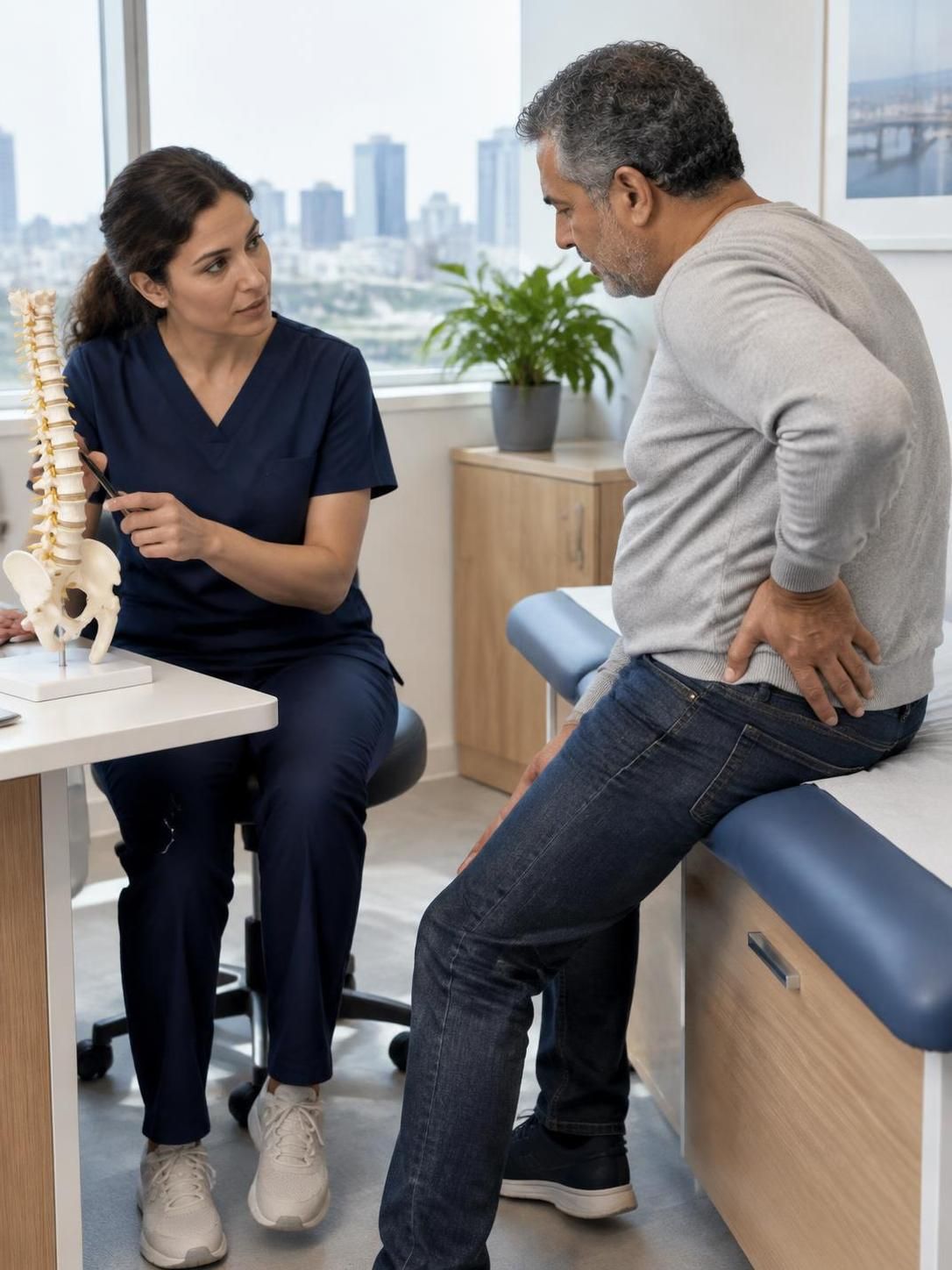
A helpful consultation is not limited to naming a technique. It clarifies realistic goals, precautions, and referral criteria, while leaving room for the patient’s questions.
Personalized care rather than the same protocol for everyone
Two people with pain travelling down the leg may respond differently to sitting, walking, or back movements. A person who works at a desk for long periods may be mainly bothered after several hours of sitting; another may find that prolonged walking or stairs worsen their symptoms. An individualized approach seeks to understand these variations before choosing interventions.
Physiotherapy, when indicated and provided by a qualified professional, may help with gradually returning to activities and working on mobility or exercise tolerance. Manual care may be considered in certain contexts, but it should not replace a neurological assessment or be presented as a way to “put a disc back in place.” Activity advice should be adjusted: it is not necessary to push through pain that clearly intensifies or travels further down the leg.
A clinic may also discuss medications, injections, or a specialist opinion, depending on the situation and with professionals authorized to prescribe or provide them. These options have different roles and limitations. If symptoms suggest significant compression or weakness is progressing, medical assessment becomes the priority rather than continuing a non-medical care program.
To compare possible first steps, this resource provides guidance on actions to consider and professionals to consult. The most prudent decision remains the one that takes your condition, medical history, and symptom progression into account.
A video resource can help explain the terms used during a consultation, but it cannot assess leg strength or distinguish among all causes of pain. Instead, note your symptoms, the activities that change them, and questions to ask during your appointment.
Neurovertebral decompression: an option to discuss based on your profile
Motorized neurovertebral decompression is a form of gradual, controlled spinal traction. For certain patients selected after an assessment, it may be considered to temporarily modify the mechanical stresses applied to discs and nerve structures, particularly in some profiles consistent with disc involvement or foraminal narrowing.
This approach is not indicated for all cases of sciatica, and results vary. It does not put a disc “back in place,” does not guarantee pain relief, and must not delay urgent medical assessment. Contraindications and situations requiring medical referral should be identified before considering it; no set number of sessions is suitable for everyone.
It differs from conventional traction through the use of a motorized device and adjusted parameters, but this does not mean it is superior to exercises, physiotherapy, manual care, medications, or injections in every case. Surgery may be discussed by a medical team when compression, neurological deficits, or the clinical course justify it. The comparison should focus on the person’s profile and functional goals, not on a promise of results.
In the Montréal area, Clinique TAGMED states that it offers, depending on the assessment, motorized neurovertebral decompression, specific osteopathy, or a precision percussor. Its Montréal address is 1140 Beaumont Avenue, in Mount Royal, near Outremont and Côte-des-Neiges; this does not mean it is located in Saint-Léonard. Details about motorized neurovertebral decompression may help inform the questions to ask before choosing this option.
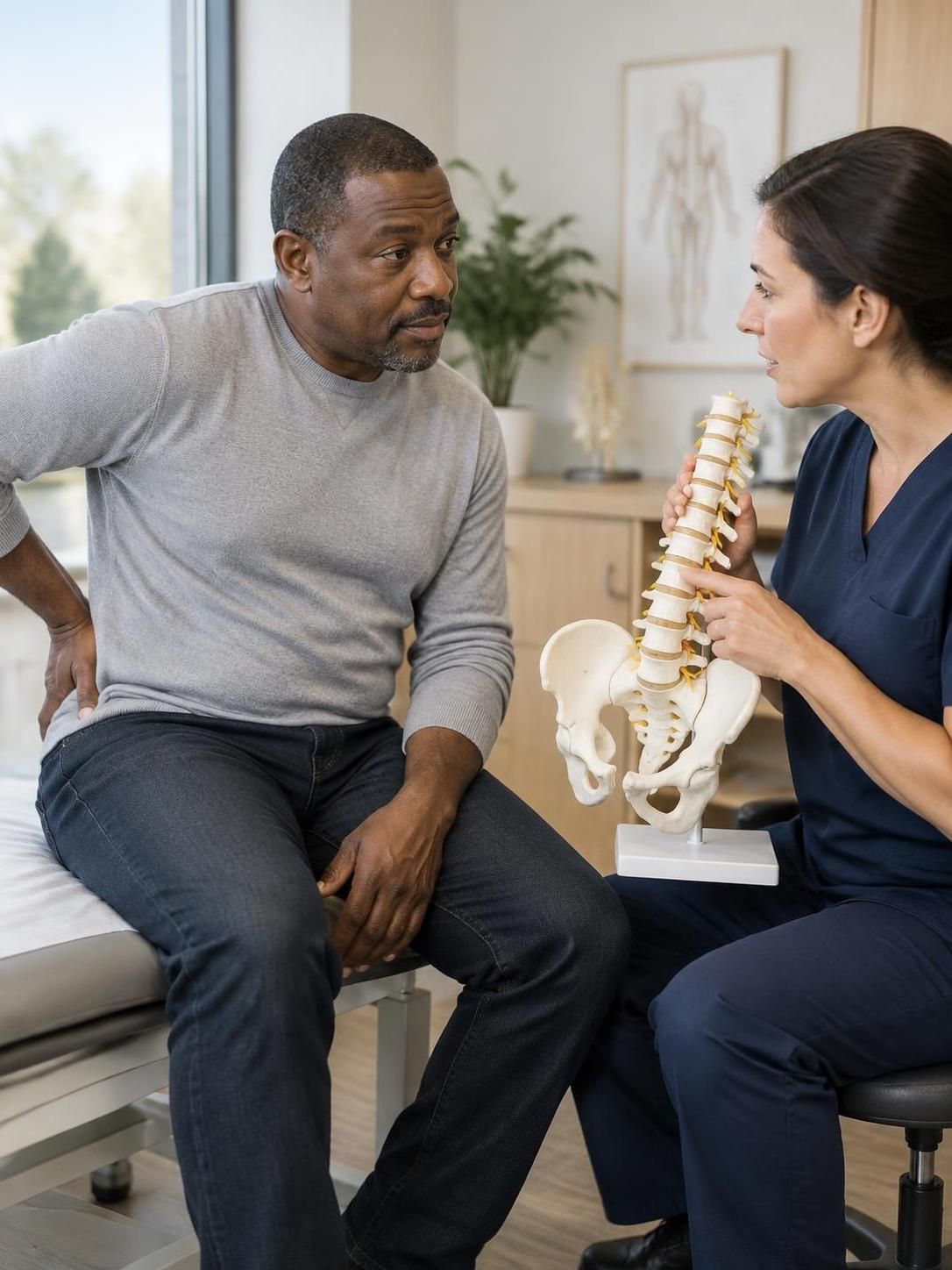
What signs warrant a consultation or urgent referral?
Request a clinical assessment if the pain persists or returns, travels below the knee, limits walking, or disrupts sleep. Numbness, loss of sensation, weakness, or reduced function should also be reported, particularly if the sign worsens.
Seek urgent care in the event of loss of bladder or bowel control, numbness in the saddle area, significant or rapidly progressive weakness. Fever or poor general health, significant trauma, a history of cancer, or a risk of infection associated with new pain, as well as rapid worsening, also require urgent medical assessment.
These signs do not make it possible to diagnose a condition remotely. If an urgent symptom is present, do not delay assessment by trying a new treatment method or waiting for a routine appointment.
When the consultation is not urgent, prepare some information: when symptoms began, painful areas, unusual sensations, aggravating movements, and recent changes in strength or walking. These details help the professional decide whether a medical examination or imaging is relevant, and determine whether conservative care is appropriate.
Practical guidance for comparing clinics in Saint-Léonard
Proximity can matter when travel is difficult, especially if driving or public transit increases discomfort. However, it is only one criterion among others: check the practitioners’ qualifications, the clarity of their explanations, and how the clinic collaborates with medical professionals when the situation is beyond its scope of practice.
| What to check | Helpful question | Reassuring sign |
|---|---|---|
| Assessment | How are symptoms and function assessed? | The professional explains what they observe and the limitations of their assessment. |
| Care plan | What options are offered and why? | The choices take your goals, tolerance, and progression into account. |
| Safety | What happens if weakness or numbness increases? | Warning signs and a referral pathway are clearly presented. |
| Follow-up | How is progress or a lack of improvement reassessed? | The plan can be adjusted rather than continued automatically. |
An attentive clinic does not promise guaranteed results or claim that a single method is suitable for everyone. It should be able to explain why an intervention is being considered, what could make it unsuitable, and when reassessment is needed: this transparency is a more helpful sign of health expertise than certainty-based messaging.
Frequently asked questions about sciatica and care in Saint-Léonard
Does pain travelling down the leg confirm sciatica?
No. This pattern may be consistent with nerve irritation, but referred pain or other issues can produce similar symptoms. The history and clinical examination help guide the assessment.
When should you seek care for sciatic nerve pain?
Seek care if pain persists, returns, limits your activities, or is accompanied by numbness or weakness. Rapidly progressing weakness, saddle numbness, or loss of bladder or bowel control requires urgent assessment.
Do you need an MRI before starting care?
Not necessarily. Imaging is determined according to symptoms, the examination, progression, and warning signs; a medical professional can determine whether it would change care.
Is neurovertebral decompression suitable for all cases of sciatica?
No. It may be considered for certain patients after assessment, but it is not appropriate in all situations. Results vary, and this approach never replaces urgent assessment.
If pain travelling down the leg complicates your mobility or activities in Saint-Léonard, an assessment may help clarify the likely cause, signs to monitor, and whether a conservative approach is appropriate. To learn about the options offered in Montréal and determine whether they suit your situation, consult the sciatica care in Montréal page.
Request information or an assessment
Dr. Sylvain Desforges, B.Sc., D.O., N.D., osteopath
This content is educational and does not replace a personalized assessment or medical advice tailored to your situation.
